Shipping from USA to Philippines: Ocean and Air Freight
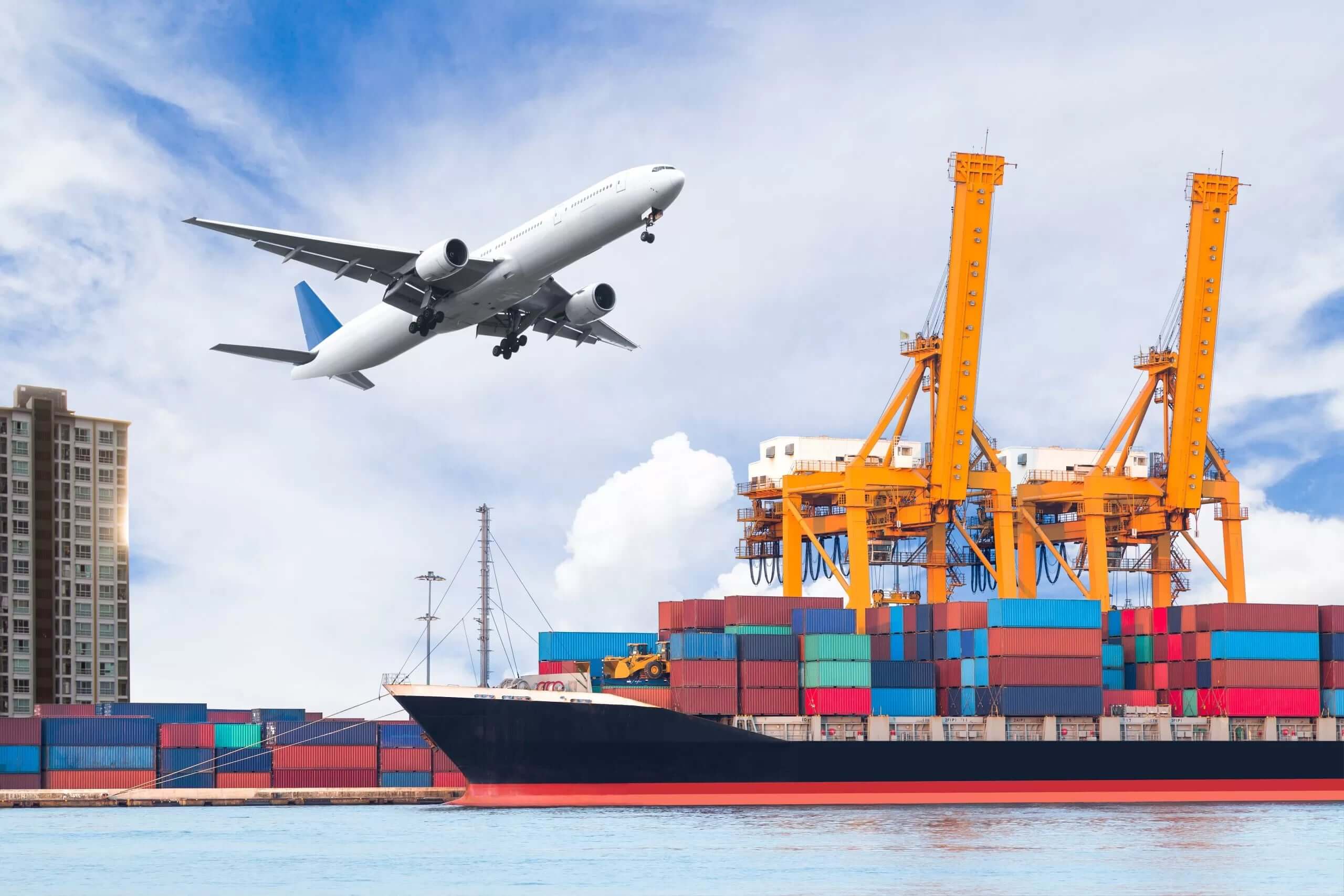
Freight from the United States to the Philippines can move by ocean or air, but the destination within the country matters almost as much as the transport mode.
The Philippines is an archipelago, so cargo for Metro Manila, Cebu, Mindanao, or another island may follow different routes after arrival. A shipment that looks inexpensive on a port-to-port basis can become more expensive if it needs another domestic sea movement or a long inland delivery after customs clearance.
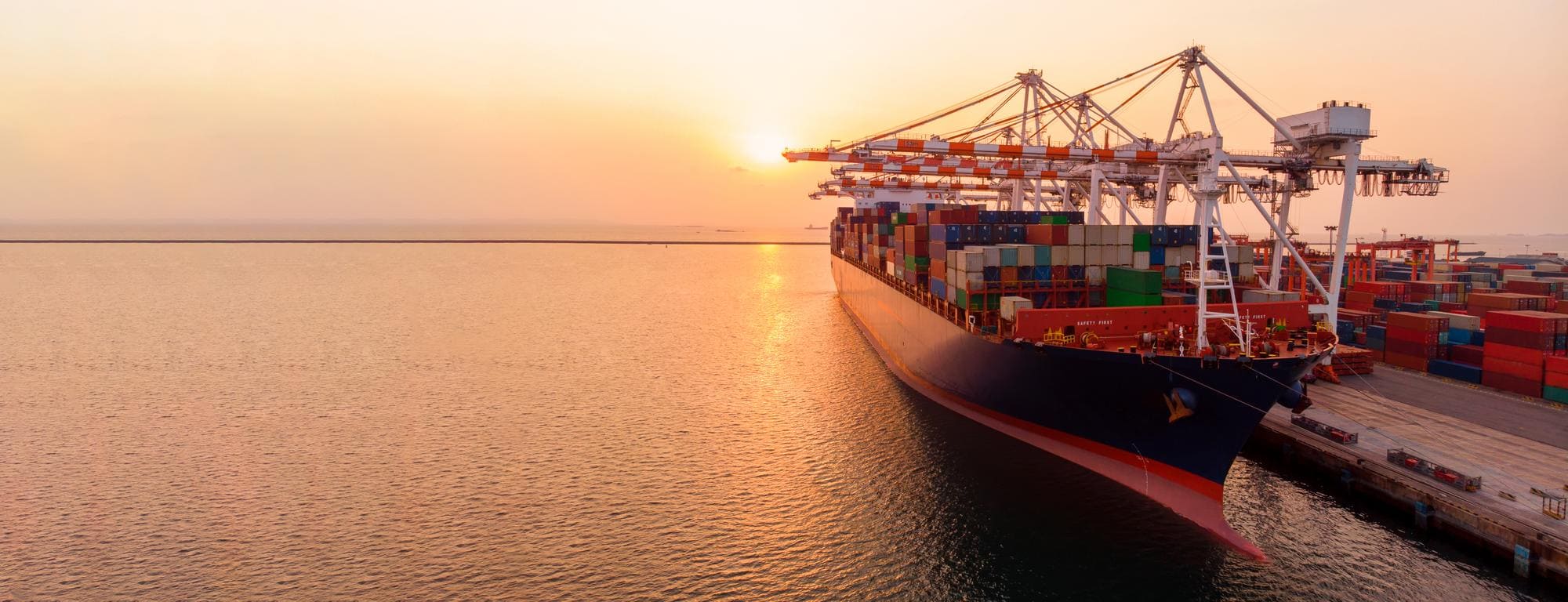
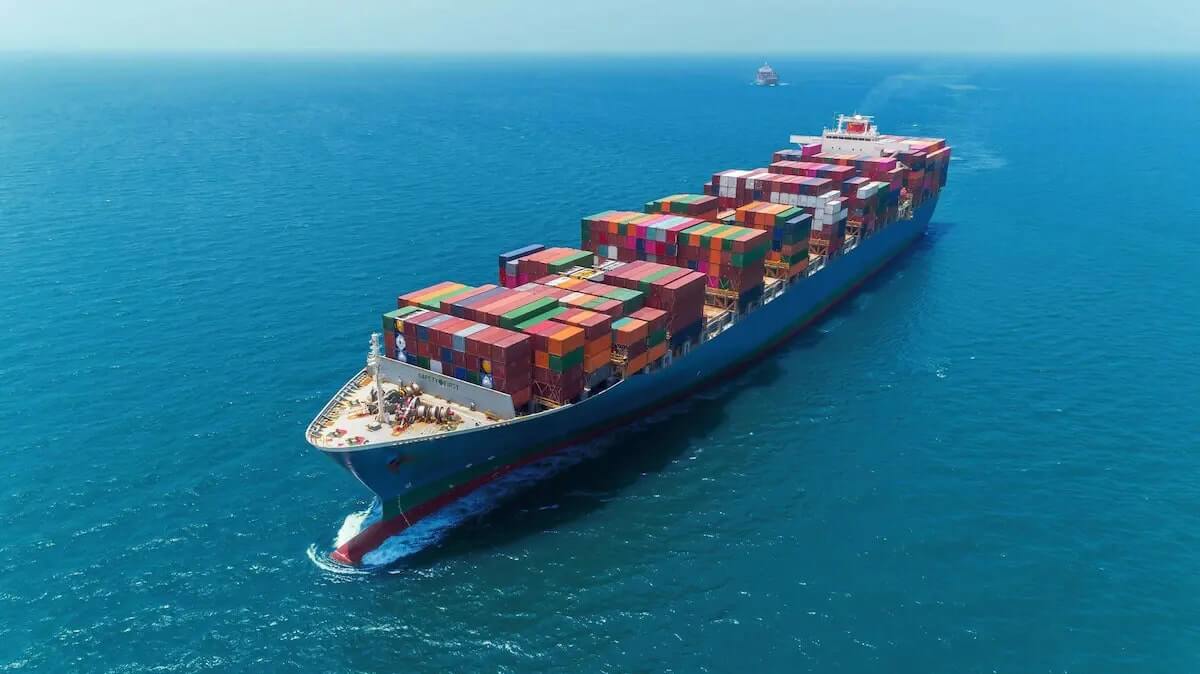
Ocean freight is commonly used for commercial inventory, machinery, industrial equipment, raw materials, vehicles, palletized goods, and other larger shipments. Air freight is used for urgent parts, electronics, medical products, samples, high-value cargo, and goods needed on a shorter schedule.
RAM International Shipping works as a freight forwarder rather than the vessel-operating carrier or airline. RAM books ocean transportation with shipping lines as a licensed NVOCC and coordinates air cargo through airline agreements as an IATA-licensed agent.
Shipping from USA to Philippines Through Manila and Regional Ports
Manila is the main international container gateway to compare for many U.S. shipments.
The Port of Manila includes major international facilities such as the Manila International Container Terminal and Manila South Harbor. The Philippine Ports Authority reported that MICT handled 2.95 million TEU in 2024, while South Harbor handled 1.29 million TEU. MICT then reached the three-million-TEU mark in 2025.
For cargo going to Metro Manila, Central Luzon, and nearby industrial areas, Manila is often the most direct gateway.
It is not the only option.
The Bureau of Customs maintains collection districts and cargo operations at ports including Cebu, Davao, Subic, Batangas, and Mindanao Container Terminal. Depending on carrier service and final destination, a regional port may reduce the amount of domestic movement required after arrival.
This is particularly relevant for cargo going to the Visayas or Mindanao. Routing everything through Manila can create an additional domestic sea or road movement that affects both the cost and delivery schedule.
The final Philippine city, island, or facility should therefore be provided when requesting a freight rate. “Port of Manila” and “delivery in the Philippines” are not necessarily the same service.
FCL, LCL, Reefer and Specialized Ocean Freight to the Philippines
Full Container Load gives one shipper use of the complete container. It is commonly used for several pallets, machinery, industrial materials, commercial inventory, and other larger loads.
Less than Container Load allows multiple shippers to share container space. It can work for freight that is too large for parcel service but does not need a full container.
LCL includes additional handling because individual shipments must be consolidated before the ocean movement and separated after arrival. This can affect the total transit time and destination handling charges.
Current freight pages ranking for USA-to-Philippines searches consistently cover both FCL and LCL, together with specialized containers and vehicle shipping. Reefer equipment also appears frequently because temperature-controlled cargo forms part of the trade lane.
Standard dry containers cover many commercial shipments. Other cargo may require different equipment:
- reefer containers for temperature-controlled products;
- flat racks or open-top containers for oversized machinery;
- breakbulk or project-cargo arrangements for pieces that cannot move in standard equipment;
- RoRo for suitable wheeled cargo where an appropriate carrier service is available.
RAM coordinates these services with vessel-operating carriers. Packing, crating, warehousing, consolidation, and transloading can also be arranged where the cargo needs preparation before export.
For machinery and oversized freight, exact dimensions, gross weight, lifting information, and loading condition should be provided before the carrier and equipment are selected.
Air Freight from USA to Philippines via Manila
Air freight is used when several weeks of ocean transportation would not fit the shipment schedule.
Ninoy Aquino International Airport in Manila is a major Philippine air-cargo gateway and has multiple customs-bonded cargo warehouses serving international freight. The Bureau of Customs maintains a dedicated NAIA collection district for imported and exported air cargo.
Typical air shipments include replacement components, electronics, pharmaceuticals, medical equipment, samples, production materials, and high-value commercial goods.
Airline pricing is based heavily on chargeable weight. The airline compares actual gross weight with volumetric weight, so a large lightweight shipment can be billed above its scale weight.
Individual dimensions matter too. A crate may be acceptable by weight but still be too large for the aircraft door or cargo-handling equipment available on the route.
Lithium batteries, dangerous goods, pharmaceuticals, perishables, temperature-sensitive cargo, and oversized pieces may require additional documentation, packaging, or airline approval.
RAM coordinates air transportation through airline agreements rather than operating aircraft itself. The shipment may move as standard air freight, consolidation, time-critical cargo, charter freight, or another specialized service depending on the commodity and deadline.
Philippines Customs Clearance, E2M and Import Documents
Commercial importers need the appropriate accreditation with the Philippine Bureau of Customs before transacting with Customs. The accreditation process differs for regular and non-regular importers.
Import declarations are lodged electronically through the Bureau’s Electronic-to-Mobile (E2M) System. Under current Customs guidance, the Goods Declaration generally needs to be lodged within 15 days from the discharge of the last package, although an extension can be requested on valid grounds within the prescribed period.
Common supporting documents include:
- commercial invoice or sales contract;
- packing list;
- bill of lading or air waybill;
- certificate of origin where applicable;
- proof of payment or insurance documents where required;
- import permits or clearances for regulated goods.
The exact requirements depend on the commodity.
Philippine Customs classifies goods as freely importable, regulated, restricted, or prohibited. Regulated goods require the necessary license, permit, clearance, or other approval from the government agency responsible for the product before importation.
Customs duties depend on the AHTN/HS classification rather than one general percentage. The Philippine Tariff Commission provides an official tariff finder for checking the applicable classification and MFN tariff rate.
Imported goods are also generally subject to 12% VAT, unless a specific exemption or other tax treatment applies. Excise tax and other customs charges can apply to certain commodities.
Vehicle Shipping and Restricted Goods in the Philippines
Vehicles need to be checked before an ocean booking is made because Philippine rules for used motor vehicles are restrictive.
The Bureau of Customs states that brand-new motor vehicles can be imported, subject to the applicable duties, taxes, and requirements. Used vehicles are allowed only in specified categories and, where required, must be covered by a Certificate of Authority to Import (CAI) issued through the Department of Trade and Industry before importation.
For personally owned used vehicles under the applicable program, the importer must meet eligibility requirements. The vehicle must also be left-hand drive, satisfy the applicable weight rules, and meet the ownership and roadworthiness conditions set out by Customs.
Right-hand-drive vehicles are generally prohibited from importation into the Philippines, subject to limited statutory exceptions.
Used trucks, buses, motorcycles, and special-purpose vehicles have their own conditions, so a rule applicable to a private passenger car should not be applied automatically to heavy equipment.
Other regulated categories include food, plant and animal products, pharmaceuticals, chemicals, electrical appliances, telecommunications equipment, tobacco products, and certain mineral products. Depending on the commodity, approvals can involve agencies such as the Philippine FDA, Bureau of Plant Industry, Bureau of Animal Industry, or Bureau of Philippine Standards.
Current import rules also prohibit or restrict categories including used clothing and rags, hazardous waste, certain right-hand-drive vehicles, and several other products.
Carrier acceptance does not replace the import review. The Philippine importer or customs broker should check the HS classification and permit requirements before the cargo leaves the United States.
Shipping Cost, Transit Time and Freight Forwarding to the Philippines
Cost and transit time are prominent in current USA-to-Philippines search results. Published ocean and air estimates vary because U.S. origin, destination island, FCL or LCL service, transshipment, and final delivery can all change the route.
Ocean freight pricing can depend on the U.S. pickup point, export port, Philippine destination, FCL or LCL service, container type, cargo volume and weight, specialized equipment, and current carrier rates.
Air freight is affected more heavily by chargeable weight, dimensions, airline capacity, routing, commodity, and urgency.
RAM’s Freight Rate Calculator can be used with the actual shipment information.
The international rate may not include every expense connected with the shipment. Packing, crating, warehouse handling, terminal charges, insurance, customs brokerage, duties and VAT, examinations, storage, specialized equipment, domestic trucking, and inter-island transportation may be separate items.
Transit time should also be treated as route-specific. Ocean freight may use a direct service or transship through another Asian hub. LCL adds consolidation and deconsolidation. Cargo for an island or city outside the arrival port may require another domestic movement.
Air freight is substantially faster, but the complete schedule still includes cargo acceptance, possible connections, customs processing, and terminal release.
RAM coordinates the international carrier booking and the other logistics services required around the shipment rather than operating the vessel or aircraft.
For a quote, provide the commodity, number of pieces or pallets, exact dimensions, gross weight, U.S. origin, final destination in the Philippines, and cargo-ready date.
Vehicles, machinery, batteries, dangerous goods, pharmaceuticals, food products, temperature-sensitive freight, and oversized cargo may require additional information before booking. The Philippine importer should also confirm its customs accreditation, HS classification, duties and VAT, and any licenses or permits required for the goods.
Request a quote for shipping from the USA to Philippines based on your cargo, origin, destination, and required delivery schedule.