Commercial freight from the United States to Nigeria can move by ocean or air. The choice usually comes down to shipment size, cargo type, delivery deadline, and where the goods need to go after arrival.
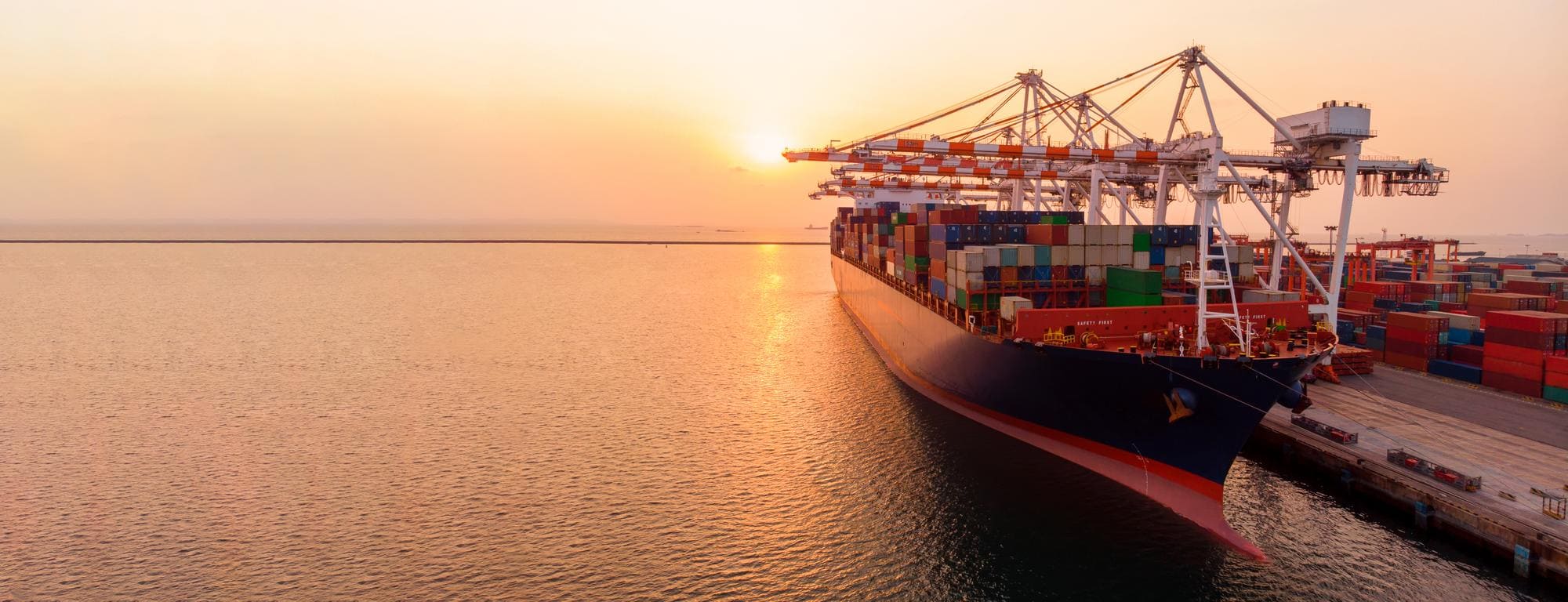
Ocean freight is commonly used for commercial inventory, machinery, industrial equipment, vehicles, pallets, and other larger loads. Full Container Load (FCL) is available when a shipment requires a complete container, while Less than Container Load (LCL) allows smaller cargo to share container space.
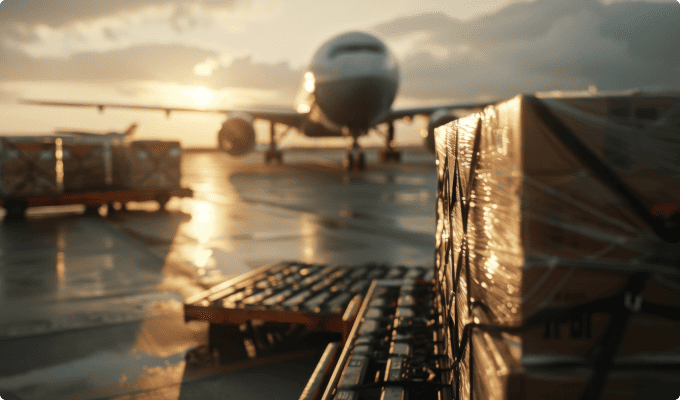
Air freight serves a different need. Replacement parts, electronics, medical supplies, samples, urgent inventory, and other time-sensitive goods can move by air when an ocean schedule is too slow.
RAM International Shipping works as a freight forwarder. For international freight, RAM coordinates transportation with ocean carriers and airlines rather than operating the vessel or aircraft itself. The company is a licensed NVOCC for ocean freight and an IATA-licensed agent for international air cargo.
Preparing a Shipment from USA to Nigeria
Import preparation starts before the cargo reaches a U.S. port or airport.
Nigeria Customs Service identifies Form M as part of the import procedure. The Nigerian importer obtains a pro forma invoice from the seller and processes Form M through an authorized dealer bank. Where the product is subject to SONCAP or another regulatory scheme, the applicable certificate or permit also forms part of the pre-shipment paperwork.
After shipment, customs processing includes the Pre-Arrival Assessment Report, or PAAR. Nigeria Customs states that PAAR is issued using information connected with Form M, the cargo manifest, SONCAP documentation where applicable, and other shipment records.
Commercial documents can include the final invoice, packing list, bill of lading or air waybill, and permits or certificates required for the particular commodity.
HS classification should be checked before shipping. The classification affects customs treatment and can also determine whether another Nigerian authority regulates the goods.
Nigeria Customs currently provides its digital trade services through official customs platforms, including the B’Odogwu Trade Platform. Current customs information should be checked directly with the Nigeria Customs Service or with the Nigerian importer’s licensed customs representative.
Ocean Freight from USA to Nigeria: Lagos, Tin Can and Onne
Nigeria has several major seaports, so the arrival point does not have to be the same for every shipment.
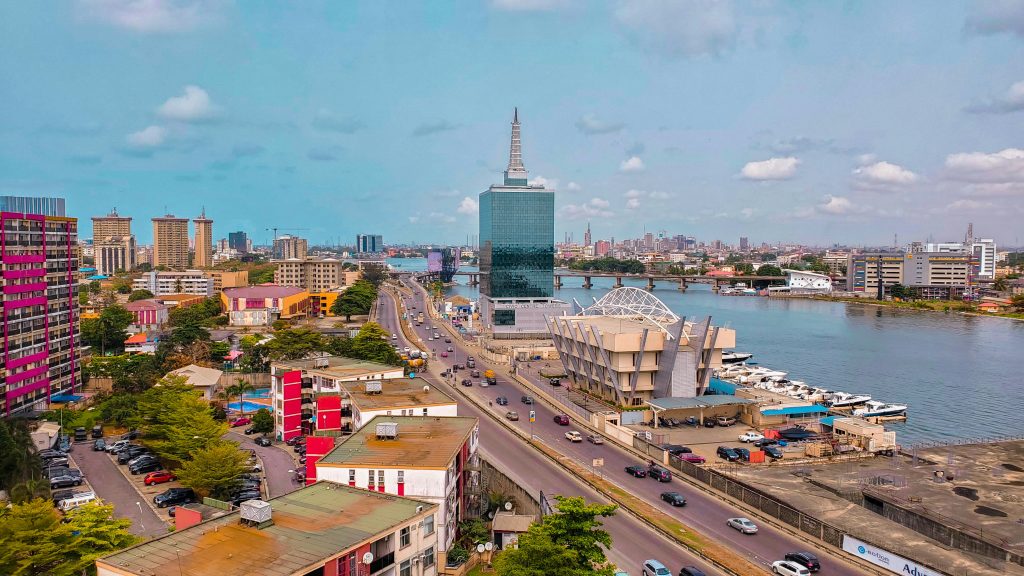
In Lagos, the Lagos Port Complex at Apapa handles containers, breakbulk, general cargo, and bulk freight. Tin Can Island Port Complex also handles containers and general cargo and includes a RoRo terminal for vehicles and containers. These terminal functions are listed by the Nigerian Ports Authority.
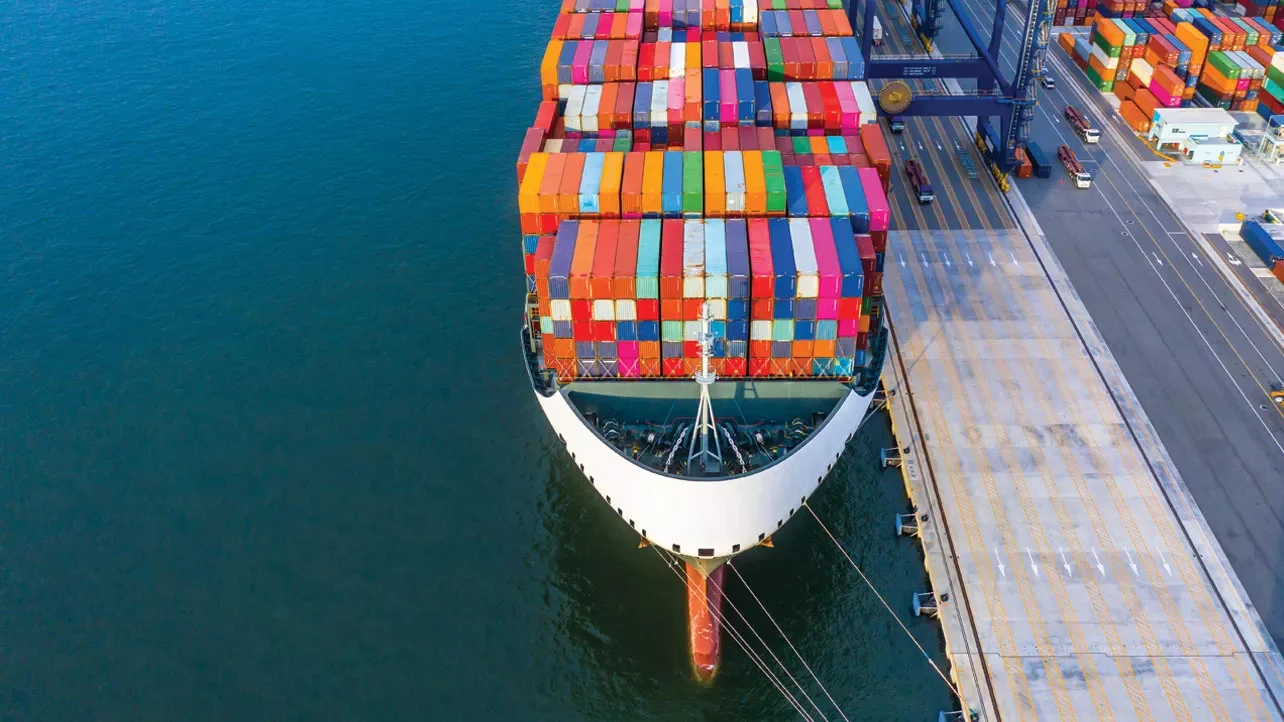
For FCL cargo, one shipper uses the full container. This is often practical for larger commercial loads, machinery, multiple pallets, or cargo that benefits from remaining together during the ocean movement.
LCL allows smaller shipments to share a container. A company shipping a few pallets or crates can use only part of the container rather than paying for the whole unit. LCL does involve additional handling during consolidation and again after arrival.
Nigeria also has major ports outside Lagos.
Onne Port Complex in Rivers State is particularly relevant to industrial and project freight. The Nigerian Ports Authority describes it as a multipurpose port handling containerized cargo, general and bulk cargo, oil-well equipment, and logistics connected with Nigeria’s oil and gas industry.
Lekki Deep Sea Port is another Nigerian port now listed by the Nigerian Ports Authority among the country’s major facilities. The actual discharge port for a U.S. shipment still depends on carrier service, cargo type, equipment, sailing schedule, and the final Nigerian destination.
A shipment for Port Harcourt or an industrial site in Rivers State may have very different inland requirements from cargo destined for Lagos, Abuja, or another part of the country. Port-to-port price alone therefore does not describe the whole route.
Air Freight from USA to Nigeria
Air freight is used when the delivery schedule does not allow enough time for ocean transportation.
Murtala Muhammed International Airport in Lagos has dedicated cargo facilities separate from the passenger terminals. The Federal Airports Authority of Nigeria states that import and export cargo operations include clearance, loading and unloading, warehousing, and other logistics handling.
Air freight rates depend heavily on chargeable weight. The airline compares the actual weight with the shipment’s volumetric weight, so a large lightweight crate can be charged at a higher weight than the number shown on a scale.
Exact dimensions are also needed to confirm whether a piece can fit the aircraft and loading equipment available on the route.
Batteries, dangerous goods, pharmaceuticals, perishables, temperature-sensitive freight, and oversized pieces can require additional handling or approval.
RAM coordinates air cargo through airline agreements and currently lists standard freight, consolidation, time-critical services, dangerous-goods support, packing and crating, and temperature-sensitive handling among its air freight services.
For an air quote, useful shipment information includes the commodity, piece count, exact dimensions, gross weight, U.S. pickup point, Nigerian destination, and cargo-ready date.
SONCAP Requirements for Shipping to Nigeria
Some imports are regulated through the Standards Organisation of Nigeria Conformity Assessment Programme, better known as SONCAP.
SON describes SONCAP as an offshore pre-shipment certification scheme for products regulated by the organization. Verification takes place in the country of supply and can involve document review, inspection, sampling, testing, or other conformity checks.
For regulated products, two documents play different roles.
A Product Certificate is used when processing Form M. The SONCAP Certificate is used for PAAR and customs clearance of the regulated shipment.
SONCAP does not apply in exactly the same way to every type of cargo. SON currently lists exemptions from the offshore certification scheme including food, medicines, certain medical products, qualifying chemicals used as manufacturing inputs, military equipment, and used products other than automobiles. Some exempt or special categories can still be subject to other SON requirements or an import permit.
The administrative process also changed in 2026. SON announced that from March 27, 2026, certain SONCAP and import-permit processes moved to Nigeria’s National Single Window. For certificates generated through accredited offshore inspection firms, issuance continues through the SON system, while activation for Form M, PAAR, and clearance is handled through the National Single Window.
Current information is available from the Standards Organisation of Nigeria — SONCAP.
Because the requirement depends on the commodity, importers should confirm the applicable SONCAP or permit route before the goods leave the United States.
Shipping Vehicles and Machinery from USA to Nigeria
Vehicles can be shipped to Nigeria by container or through RoRo service when an appropriate ocean service is available.
Tin Can Island Port Complex has a dedicated RoRo terminal handling vehicles and containers, according to the Nigerian Ports Authority.
Vehicle age should be checked before export arrangements are made. Nigeria Customs lists used motor vehicles above 15 years from the year of manufacture among prohibited imports.
This should be verified before arranging auction pickup, trucking to a U.S. port, or ocean booking. The manufacturing year can determine whether the vehicle can legally enter Nigeria.
Machinery needs a different type of review.
Equipment that fits within standard container dimensions may move in a dry container. Larger pieces can require a flat rack, open-top container, RoRo service, or breakbulk arrangement. Weight, dimensions, lifting points, and whether machinery can move under its own power affect the available options.
Onne can be relevant for heavy industrial and oil-and-gas equipment because its terminals specifically handle oil-well equipment, bulk freight, containers, and heavy cargo.
RAM’s ocean freight service includes coordination of FCL, LCL, RoRo, project, and oversized shipments through ocean carriers. As an NVOCC, RAM can also issue its own bills of lading.
Shipping Cost and Transit Time from USA to Nigeria
To estimate shipping costs for your cargo, use RAM International Shipping’s Freight Rate Calculator and enter the shipment details, route, and service type.
For ocean freight, the rate can change with the U.S. pickup point, export port, FCL or LCL service, container type, cargo volume and weight, Nigerian port, current carrier rate, and inland transportation after arrival.
Air freight pricing depends more heavily on chargeable weight, dimensions, routing, airline capacity, commodity, and urgency.
There can also be charges outside the international freight rate. Depending on the shipment, these may include U.S. pickup, warehousing, packing, terminal handling, insurance, SONCAP certification, customs processing, duties and taxes, storage, and delivery in Nigeria.
Transit time varies as well.
Ocean schedules depend on the U.S. departure port, carrier routing, transshipment, and Nigerian discharge port. LCL cargo also needs time for consolidation and deconsolidation.
Air freight has a much shorter international transit, but the complete shipping schedule still includes pickup, export handling, airline processing, customs clearance, and final delivery.
A current quote should therefore use the actual cargo-ready date rather than relying on a general number of days published for the USA–Nigeria route.
Freight Forwarding from USA to Nigeria with RAM International Shipping
RAM International Shipping coordinates the different transportation stages involved in moving cargo from the United States to Nigeria.
For ocean shipments, RAM works as a licensed NVOCC and arranges FCL, LCL, RoRo, project cargo, and oversized freight with vessel-operating carriers.
For air shipments, RAM is an IATA-licensed agent and coordinates cargo through its airline agreements.
Transportation inside the United States can be added before the international shipment. RAM operates its own trucks and drivers in its core service area and coordinates movements between suppliers, warehouses, ports, and airports.
Warehousing, packing, crating, and transloading are also available when cargo needs preparation or handling before export.
A quote for Nigeria should include the cargo description, number of pieces or pallets, dimensions, gross weight, pickup location, destination, and cargo-ready date. Vehicle shipments should include the year, make, model, and other vehicle details. Machinery and oversized freight need exact dimensions and weight.
For regulated commercial goods, the importer should also confirm Form M, SONCAP, PAAR, and any product-specific permit requirements before international transportation begins.
RAM can coordinate the ocean or air carrier and the supporting logistics services required for the shipment.
Request a quote for shipping from the USA to Nigeria based on your cargo, origin, destination, and required delivery schedule.