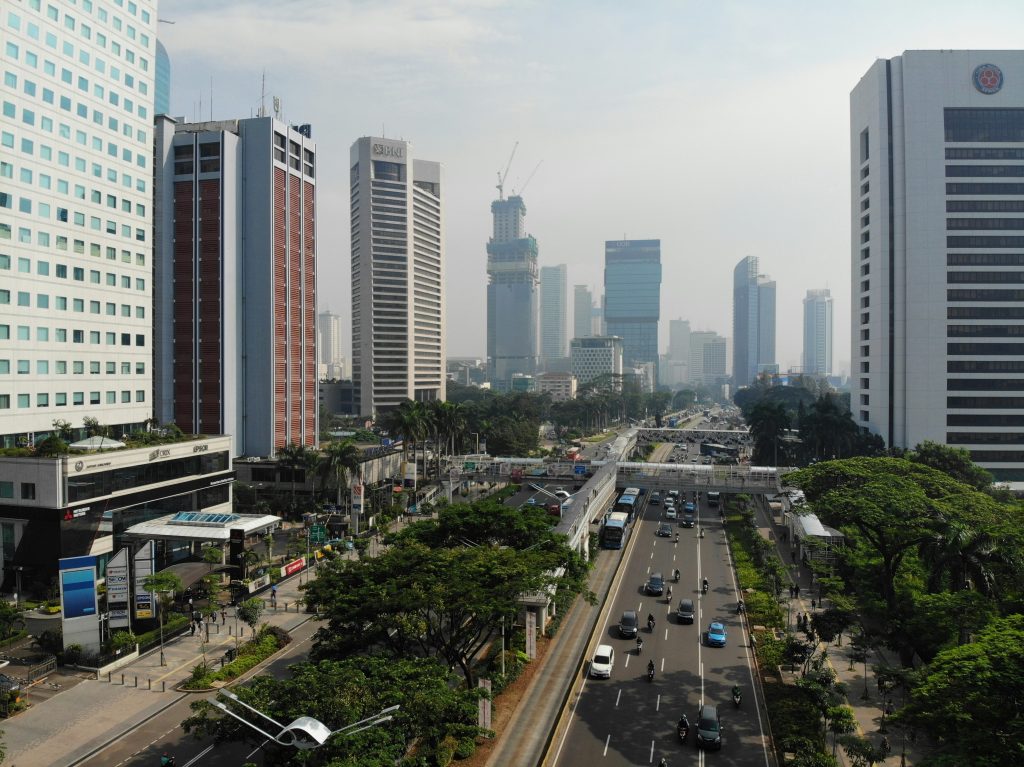

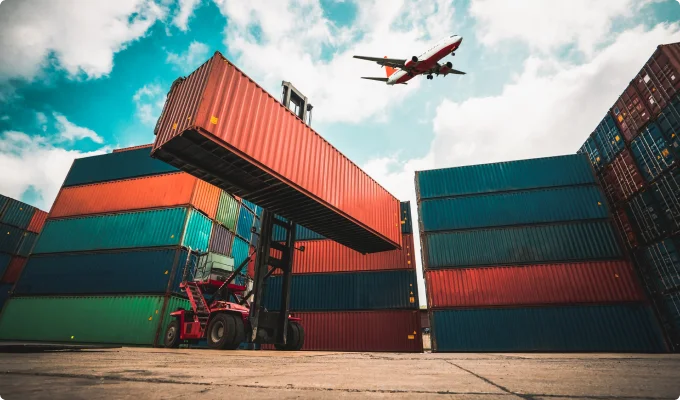
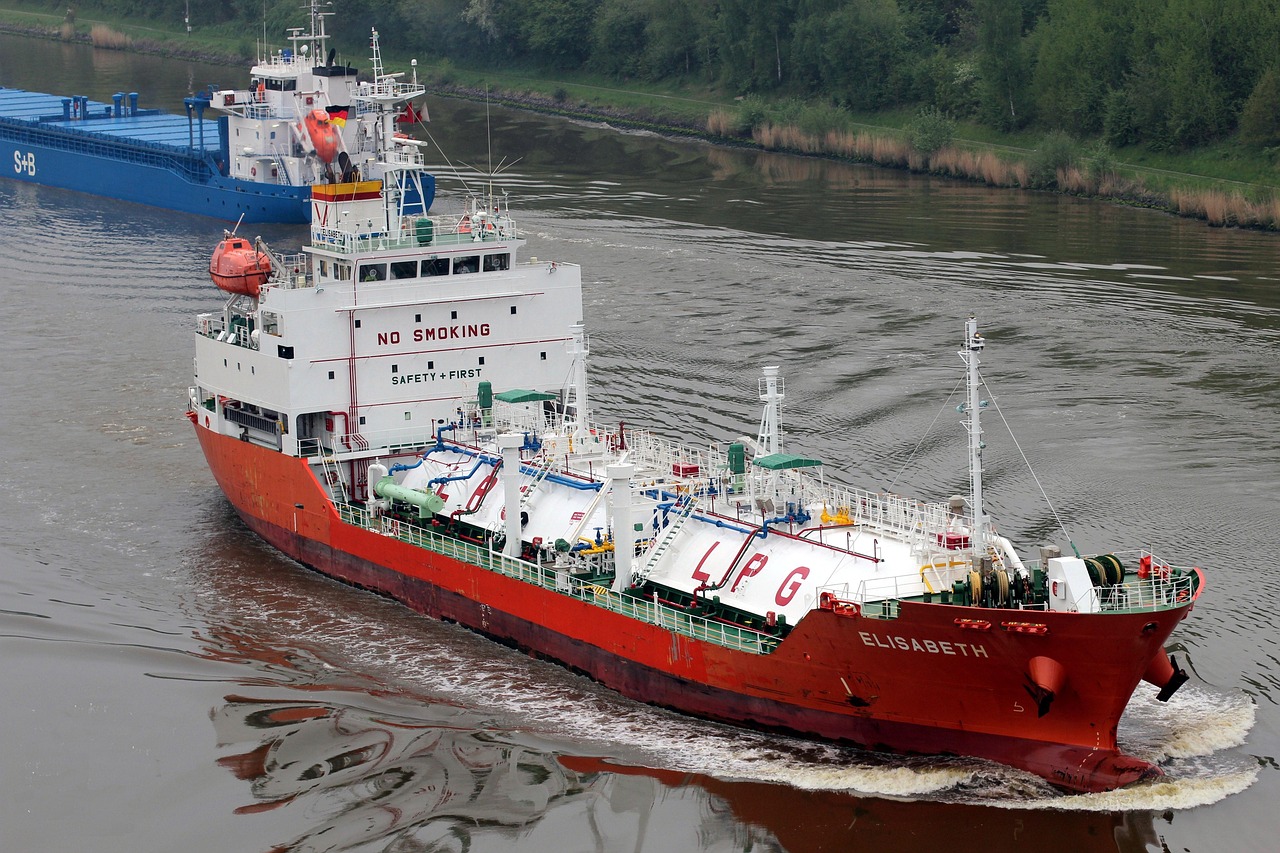
Freight from the United States to India can move by ocean or air, with several possible entry points on both coasts and through major cargo airports. The route depends on the shipment itself and where the goods need to be delivered in India.
Ocean freight is commonly used for commercial inventory, machinery, industrial equipment, raw materials, and other larger loads. Full Container Load (FCL) works for cargo that requires an entire container, while Less than Container Load (LCL) allows smaller shipments to share container space.
Air freight is usually considered when the delivery schedule is more important than the lower cost of ocean transportation. Urgent parts, electronics, pharmaceuticals, samples, and higher-value commercial cargo are typical examples.
RAM International Shipping acts as a freight forwarder. For ocean freight, RAM is a licensed NVOCC and arranges shipments with vessel-operating carriers. For air freight, RAM is an IATA-licensed agent with more than 60 airline agreements rather than an airline operating its own aircraft.
Shipping from USA to India Through Major Container Ports
India has several large container ports, and the arrival point can have a significant effect on the rest of the shipment.
Jawaharlal Nehru Port Authority, commonly known as JNPA or Nhava Sheva, is located near Mumbai. JNPA states that it handles around half of the containerized cargo moving through India’s major ports and is connected with more than 200 ports worldwide. Current operating data puts its share of container traffic across India’s major ports at more than 50%.
Mundra in Gujarat is another major gateway for international freight. Its operator describes Mundra as India’s largest commercial port and largest container-handling port. The port handles containers as well as breakbulk, project cargo, vehicles, dry bulk, liquids, and other freight.
Cargo serving western and northern India may use JNPA or Mundra, while southern or eastern destinations can be better served through ports closer to those markets. The carrier’s service, U.S. departure point, equipment availability, and final delivery location should all be considered before selecting the port.
A low port-to-port ocean rate does not always produce the lowest overall shipment cost. If the consignee is hundreds of miles from the arrival port, the additional movement after customs release can change both the price and schedule.
Ocean Freight from USA to India: FCL, LCL and Special Equipment
FCL is normally used when one shipper needs the entire container. It is suitable for multiple pallets, commercial inventory, machinery, industrial equipment, raw materials, and other larger shipments.
LCL works differently. Cargo from several customers is consolidated into the same container, allowing a shipper with only a few pallets or crates to pay for part of the available space rather than a complete container.
The choice is not based on volume alone. LCL freight goes through consolidation before departure and deconsolidation after arrival, adding handling stages to the shipment. For some cargo, FCL can therefore be worth comparing even when the container is not completely full.
Standard dry containers cover many commercial goods. Large machinery or cargo that exceeds standard container dimensions can require a flat rack, open-top container, breakbulk service, RoRo, or another project-cargo arrangement.
RAM coordinates FCL, LCL, RoRo, project cargo, and oversized ocean freight through ocean carriers. Cargo preparation can also include packing, crating, consolidation, warehousing, or transloading where those services are needed.
For machinery and oversized pieces, accurate dimensions and gross weight should be available before equipment is selected. A rough estimate can result in the wrong container type or a rate that has to be recalculated later.
Air Freight from USA to India
Air freight cuts out the much longer ocean portion of the route and is used when the shipment has a tighter deadline.
Delhi is one of India’s principal air cargo gateways. Delhi Airport describes itself as India’s largest cargo-handling airport and reports more than one million metric tonnes of cargo movement annually. Its cargo infrastructure includes two integrated terminals, on-airport warehousing, dedicated temperature-controlled facilities, and handling for pharmaceuticals, dangerous goods, perishables, heavy cargo, and other specialized freight.
The airport used for a U.S. shipment still depends on the final destination, airline service, available capacity, and cargo type.
Air freight rates are based heavily on chargeable weight. The airline compares actual gross weight with volumetric weight, so a bulky but lightweight shipment can be charged at a higher weight than the figure shown on a scale.
Dimensions also determine whether individual pieces can fit through aircraft doors and use the handling equipment available for the route. Lithium batteries, dangerous goods, pharmaceuticals, perishables, temperature-sensitive products, and oversized freight may require additional packaging, documentation, or carrier approval.
RAM coordinates standard, consolidated, time-critical, charter, dangerous-goods, perishable, temperature-sensitive, and oversized air cargo through its airline agreements.
India Customs Clearance: IEC, Bill of Entry and Import Documents
Businesses importing goods into India generally need an Importer-Exporter Code, or IEC. Current DGFT guidance states that an IEC is required for those intending to import or export unless the importer falls within a specifically exempt category.
The IEC application and management process is handled through India’s Directorate General of Foreign Trade.
Directorate General of Foreign Trade — IEC services
The customs declaration for imported goods is the Bill of Entry. ICEGATE, India’s customs electronic trade portal, supports electronic Bill of Entry filing for importers and customs brokers. Its current filing specifications continue to list the Bill of Entry as the import declaration message used by Indian Customs.
ICEGATE identifies the Bill of Lading or Air Waybill, commercial invoice, packing list or combined commercial invoice/packing list, and Bill of Entry as core import documents submitted electronically. Other records depend on the commodity and requirements of the government agency responsible for that product.
Most products are freely importable unless Indian trade policy or another applicable law places them in a prohibited, restricted, or canalized category. Restricted products may require an import license, while canalized goods can be imported only through designated government trading entities.
The Indian importer or customs broker should verify the HS classification and current import policy before the cargo leaves the United States.
BIS Certification and Product-Specific Requirements in India
Some products need more than standard customs documents.
Bureau of Indian Standards certification is generally voluntary, but the Indian government makes compliance compulsory for selected goods through Quality Control Orders and other regulations. Products covered by those rules need the applicable BIS licence or Certificate of Conformity.
Electronics and IT products have their own Compulsory Registration Scheme. The current BIS list includes product categories such as laptops, notebooks and tablets, certain televisions and monitors, microwave ovens, and other regulated electronic equipment.
Foreign manufacturers should also check which certification route applies. BIS operates the Foreign Manufacturers Certification Scheme for foreign manufacturers of products covered by its regular certification framework, while specified electronics and IT products use the separate registration scheme.
Bureau of Indian Standards — Compulsory Certification
The relevant list can change as new Quality Control Orders take effect, so it is better to check the exact product than assume that every item within a broad category such as machinery or electronics follows the same rule.
Food, agricultural products, chemicals, medical goods, and other regulated cargo can also fall under requirements administered by authorities other than BIS.
Carrier acceptance should therefore be treated separately from import compliance. An airline or shipping line may accept cargo that still requires a licence, certification, testing, or approval before Indian Customs can release it.
Shipping Cost and Transit Time from USA to India
Rates vary substantially across the USA–India lane because both countries have several major ports and airports.
Ocean pricing can change according to U.S. origin, departure port, FCL or LCL service, container type, weight, volume, Indian arrival port, equipment requirements, and current carrier rates.
Air freight depends more heavily on chargeable weight, dimensions, airport pair, airline capacity, cargo type, and urgency.
RAM’s rate tool can be used with the actual shipment information rather than relying on a general country-to-country figure.
The international rate may not include every charge connected with the shipment. Packing, warehousing, terminal handling, cargo insurance, customs services, duties and taxes, storage, and destination handling can be separate items.
Transit time also changes by route. Ocean cargo can move directly or through a transshipment port, while LCL needs additional time for consolidation and deconsolidation. Air freight is much faster, but cargo acceptance, flight connections, customs clearance, and destination handling still affect the complete schedule.
For cargo with a required arrival date, the current vessel or airline schedule should be checked against the actual cargo-ready date instead of relying on a fixed USA-to-India transit estimate.
Freight Forwarding from USA to India with RAM International Shipping
RAM International Shipping coordinates the carriers and logistics services involved in moving freight from the United States to India rather than operating the international vessel or aircraft.
Ocean shipments can be arranged as FCL, LCL, RoRo, project cargo, or oversized freight. Air shipments can move as standard, consolidated, urgent, or specialized cargo.
To prepare the shipment, provide the commodity, number of pieces or pallets, exact dimensions, gross weight, U.S. origin, destination in India, and cargo-ready date.
Machinery, lithium batteries, dangerous goods, pharmaceuticals, food products, temperature-sensitive freight, and oversized equipment need additional information before booking.
The Indian importer should also confirm its IEC status, HS classification, Bill of Entry requirements, applicable BIS certification, and any product-specific licences or permits before the shipment leaves the United States.
Request a quote for shipping from the USA to Georgia based on your cargo, origin, destination, and required delivery schedule.