
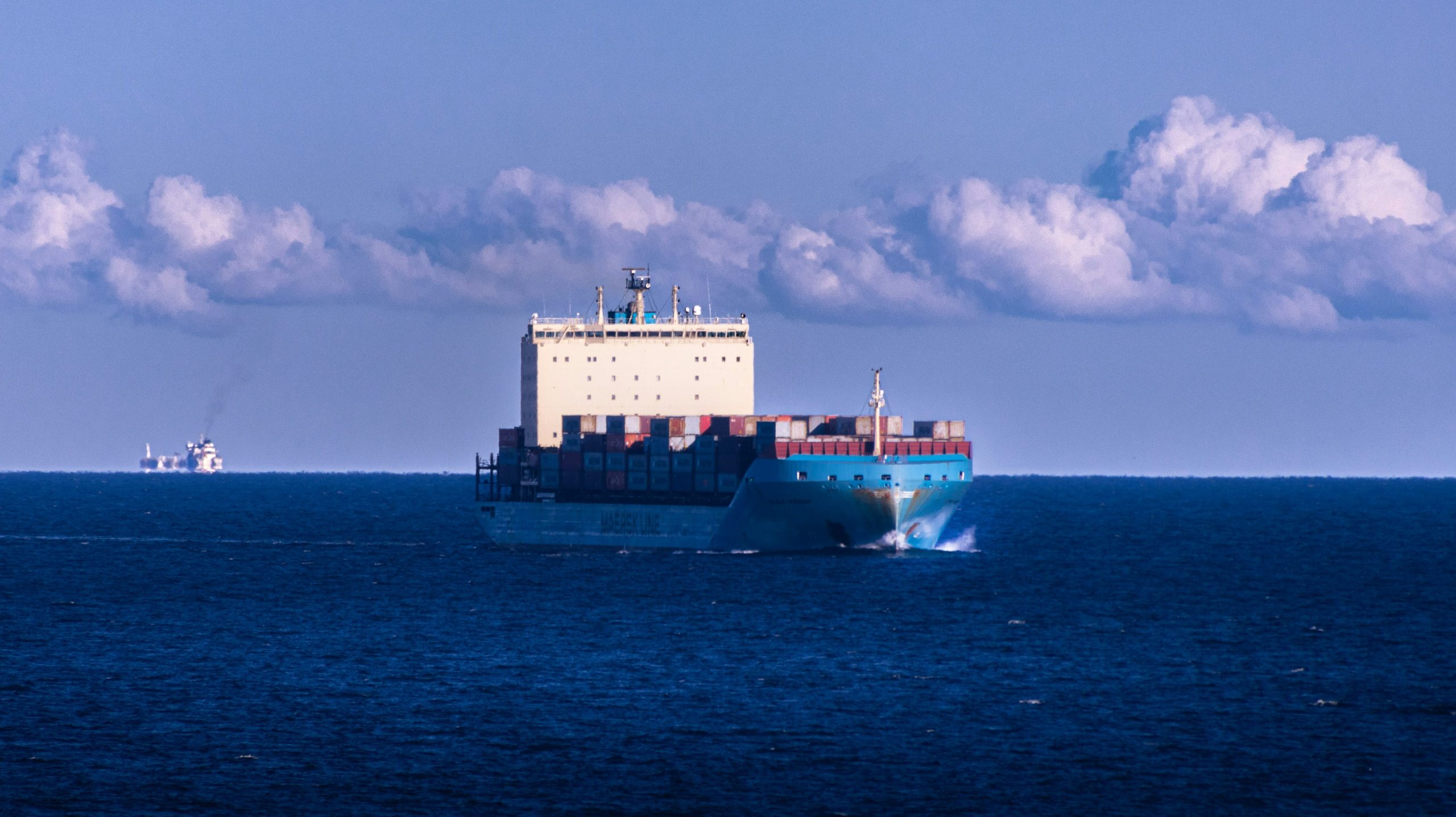
Freight from the United States to Bangladesh usually enters the country through Chattogram or Mongla by sea, or through Hazrat Shahjalal International Airport in Dhaka by air.
For large commercial shipments, machinery, equipment, pallets, and inventory, ocean freight is usually the practical choice. Cargo can move as Full Container Load (FCL) or Less than Container Load (LCL). Air freight is used when the shipment has a shorter deadline or when the value of faster transportation justifies the higher freight cost.
Bangladesh also requires careful import preparation. Commercial importers are subject to registration requirements, and customs documents vary according to the commodity. Certain food, agricultural, chemical, medical, and other regulated products require additional approvals or certificates.
RAM International Shipping works as a freight forwarder rather than the vessel-operating carrier or airline. RAM coordinates cargo space and transportation with ocean carriers and airlines and can arrange U.S. pickup, warehousing, transloading, packing, and other services around the international shipment.
Ocean Freight from USA to Bangladesh Through Chattogram and Mongla
Chattogram is Bangladesh’s principal seaport. The Chattogram Port Authority describes it as the country’s main maritime port and operates facilities for container and general cargo handling.
Most companies competing for USA-to-Bangladesh freight traffic focus heavily on container shipping through Chattogram, particularly FCL and LCL services.
FCL gives one shipper the use of a complete container. It is commonly used for larger commercial loads, multiple pallets, machinery, equipment, or cargo that should remain together during the ocean portion of the shipment.
LCL works for smaller volumes. Cargo from several shippers is consolidated into one container, allowing a company to ship a few pallets or crates without paying for an entire container.
The difference is not limited to container space. LCL includes consolidation before departure and deconsolidation after arrival, which adds handling and can affect the overall schedule.
Mongla is another commercial gateway. Official Mongla Port Authority data confirms that the port handles both conventional cargo and container traffic. It can be relevant depending on carrier routing, cargo type, and the final destination within Bangladesh.
Large machinery or unusually shaped equipment may require a flat rack, open-top container, RoRo service, or another project-cargo arrangement instead of a standard dry container.
RAM coordinates FCL, LCL, RoRo, project, and oversized freight through vessel-operating carriers rather than operating the vessels itself.
Air Freight from USA to Bangladesh Through Dhaka
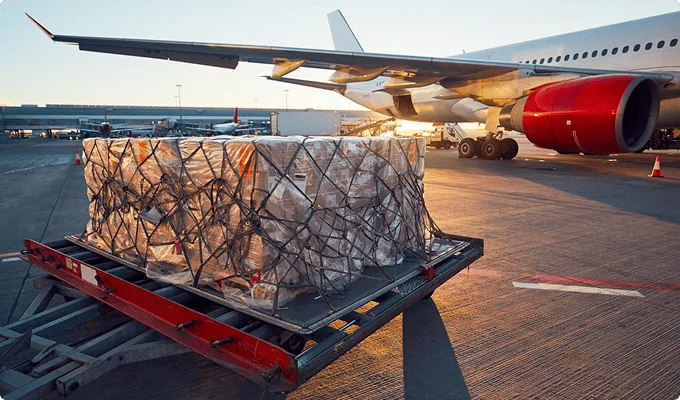
Air freight is commonly used for cargo that cannot wait for an ocean schedule.
Replacement parts, electronics, samples, pharmaceuticals, urgent commercial inventory, and higher-value goods are typical examples. Cargo size still needs to fit the aircraft and handling equipment available on the selected route.
Hazrat Shahjalal International Airport in Dhaka has separate cargo facilities for imports and exports. The Civil Aviation Authority of Bangladesh states that the airport has an Import Terminal and a Cargo Village for export cargo, both under CAAB ownership and operated by Biman Bangladesh Airlines.
Air freight pricing is usually based on chargeable weight. The airline compares the actual gross weight with the volumetric weight calculated from the shipment’s dimensions.
As a result, a large but relatively light crate may be billed at a higher weight than its scale weight.
Individual piece dimensions are equally important. Machinery, long crates, oversized pieces, batteries, dangerous goods, pharmaceuticals, and temperature-sensitive products may need additional review before an airline accepts the shipment.
RAM coordinates international air freight through airline agreements as an IATA-licensed agent rather than operating aircraft itself.
Ground freight can also form part of the route. In the United States, cargo may first need to move from the supplier or warehouse to the departure port or airport. After customs release in Bangladesh, local trucking may be required to reach Dhaka, Gazipur, Narayanganj, Khulna, or another inland destination.
Bangladesh Customs Documents for Commercial Imports
Commercial imports into Bangladesh require customs documentation and, in many cases, importer registration.
Current U.S. Department of Commerce guidance states that general import documents include a Letter of Credit authorization form, bill of lading or air waybill, commercial invoice or packing list, and certificate of origin. Additional permits and certificates apply to regulated goods. Commercial importers and most private industrial importers must also register with Bangladesh’s Chief Controller of Imports and Exports and obtain an Import Registration Certificate.
Bangladesh Customs provides more detail on the clearance procedure. Shipping agents submit manifest information electronically. After the Import General Manifest has been filed, the importer or its C&F agent submits the customs declaration, commonly called the Bill of Entry, through ASYCUDA World. Customs assesses duties and taxes before issuing the release order.
Current official guidance can be checked through Bangladesh Customs:
Bangladesh Customs — Import Procedures
The document set can change with the commodity. Product classification should therefore be checked before the goods leave the United States rather than after they arrive.
HS classification affects customs duties and can also determine whether a shipment needs approval from another Bangladeshi authority.
Restricted and Regulated Goods for Shipping to Bangladesh
Not every product follows the same import process.
Bangladesh applies additional controls to various agricultural products, food, pharmaceuticals, chemicals, and other regulated goods. Current U.S. trade guidance states that additional certifications or import permits may be required for health, security, or other regulatory reasons.
Food and agricultural shipments can face particularly specific requirements. Bangladesh Customs states that animals, plants, and plant products are subject to quarantine requirements where applicable. Certain products can require fumigation, sanitary certificates, laboratory documentation, or other regulatory clearance.
Used and reconditioned products should also be checked before booking. Bangladesh maintains prohibitions and restrictions on several categories of used or reconditioned equipment rather than applying one rule to every second-hand product.
Country-of-origin marking is another point to check. Current U.S. government guidance states that imported goods generally need the country of origin marked on the product, packaging, or container, subject to specified exceptions. Some regulated goods also have their own labeling requirements.
For commercial cargo, the Bangladeshi importer or its C&F agent should confirm the current requirements against the actual HS code before the U.S. shipment is released.
Shipping Cost and Transit Time from USA to Bangladesh
Freight rates depend on more than the two countries shown on the booking.
For ocean shipments, pricing can change according to the U.S. pickup location, export port, FCL or LCL service, container size, cargo volume and weight, carrier routing, Bangladesh arrival port, and inland delivery requirements.
Air freight is affected more heavily by chargeable weight, dimensions, airline capacity, route, and urgency.
RAM’s Freight Rate Calculator can be used to check available rates using the shipment details.
The quoted international freight may not include every cost connected with the move. Pickup, packing, warehouse handling, terminal charges, cargo insurance, customs brokerage, duties and taxes, storage, and delivery after release can be separate items.
Transit times also vary considerably.
Competitors currently ranking for USA-to-Bangladesh shipping publish ocean estimates ranging from roughly three to six weeks and much shorter air-freight ranges, but these numbers are not directly comparable because routes and quoted service scopes differ. Some estimates describe the international transport only, while others include additional handling or delivery.
Ocean freight may involve transshipment before reaching Bangladesh. LCL requires additional time for consolidation and deconsolidation. Air cargo can also move through connecting airports rather than on a direct flight.
For cargo with a fixed deadline, current carrier or airline schedules should be checked against the actual cargo-ready date.
Freight Forwarding from USA to Bangladesh with RAM International Shipping
A USA-to-Bangladesh shipment can involve several companies before the cargo reaches the consignee.
RAM International Shipping coordinates those stages as a freight forwarder.
For ocean cargo, RAM arranges FCL, LCL, RoRo, project, and oversized freight with vessel-operating carriers. U.S. pickup, drayage, warehousing, packing, crating, and transloading can also be coordinated before export.
For air freight, RAM arranges cargo space and routing with airlines rather than operating aircraft.
To prepare the shipment, provide the commodity, number of pieces or pallets, dimensions, gross weight, U.S. pickup location, final destination in Bangladesh, and cargo-ready date.
Machinery, dangerous goods, pharmaceuticals, temperature-sensitive products, oversized equipment, and regulated commodities need additional information before the booking is confirmed.
The Bangladeshi importer should also check the HS classification, Import Registration Certificate requirements, permits, and customs documentation for the specific goods before departure.
Request a quote for shipping from the USA to Bangladesh based on your cargo, origin, destination, and required delivery schedule.