Shipping from USA to Singapore: Ocean and Air Freight
Shipping commercial freight from the United States to Singapore is usually straightforward in terms of transport options: larger and less time-sensitive cargo moves by ocean, while urgent or higher-value shipments are commonly sent by air.
What changes from shipment to shipment is the U.S. origin, cargo size, required delivery date, customs treatment, and whether the goods need special handling. A container leaving Los Angeles follows a different schedule and cost structure from cargo originating in New York, Houston, or an inland U.S. location.
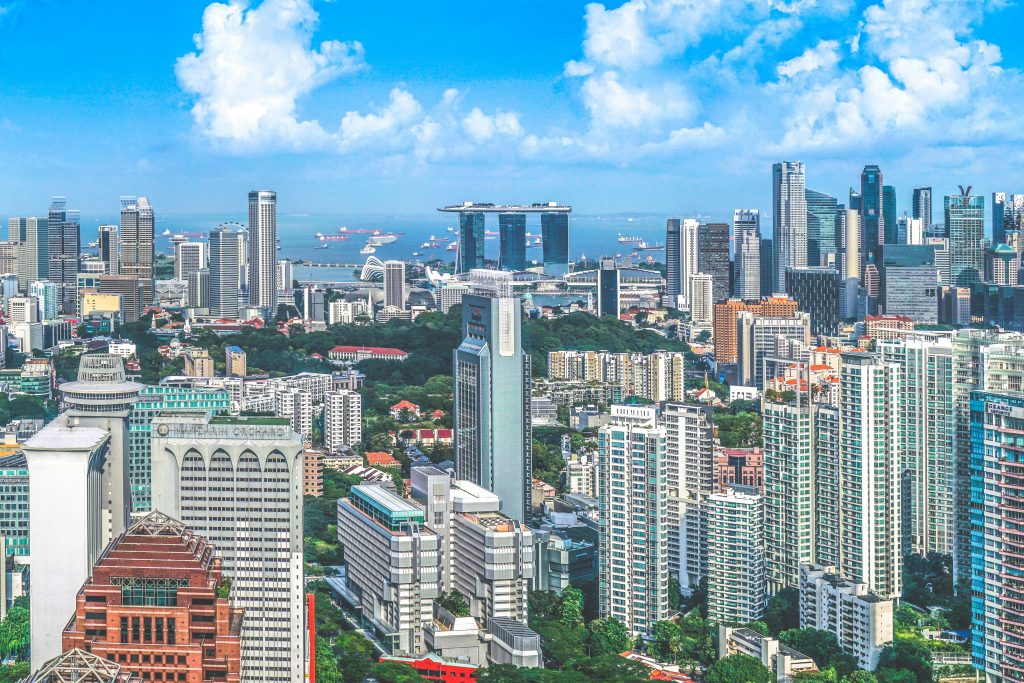
Singapore is also much more than a final destination port. It is one of the world’s largest maritime and transshipment hubs. The Port of Singapore handled a record 44.66 million TEU in 2025, while Changi Airport remains a major regional air-cargo gateway.
RAM International Shipping works as a freight forwarder rather than the vessel-operating carrier or airline. RAM arranges ocean transportation with shipping lines as a licensed NVOCC and coordinates air freight through airline agreements as an IATA-licensed agent.
Choosing Between Ocean and Air Freight from USA to Singapore
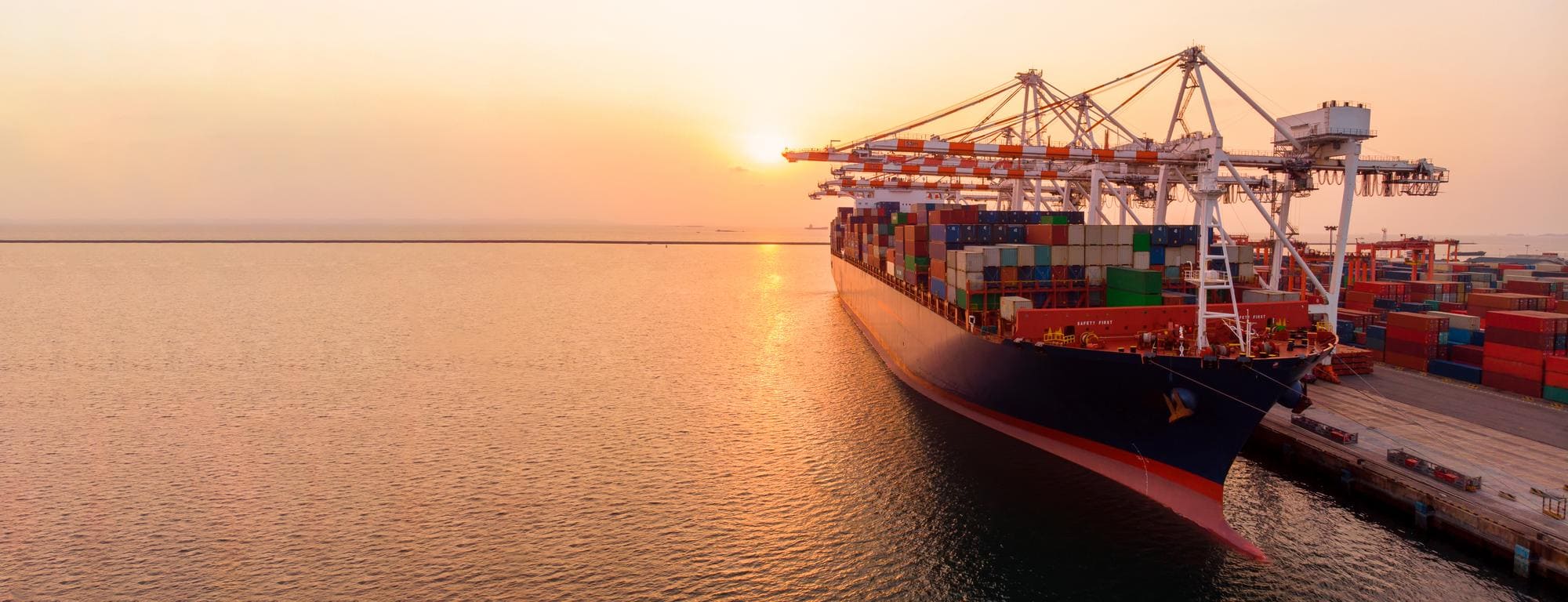
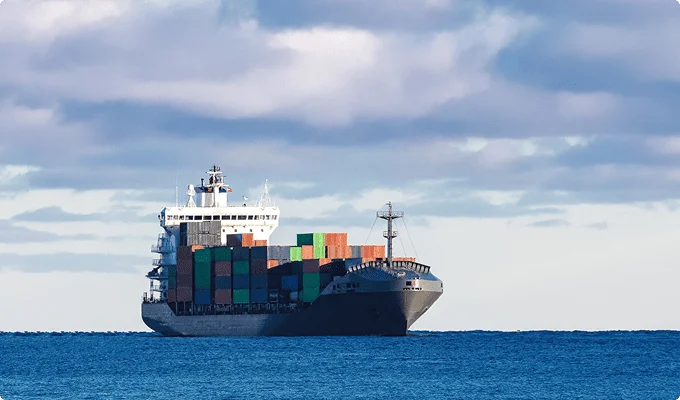
Ocean freight is normally used for commercial inventory, machinery, industrial components, retail goods, raw materials, furniture, equipment, and other shipments where the cargo volume makes air transportation expensive.
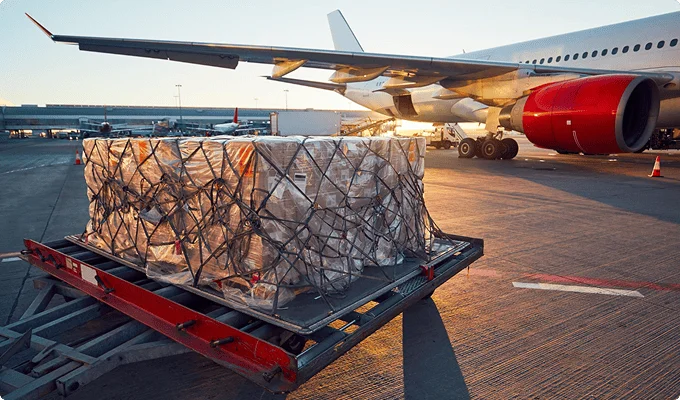
Air freight fits a different type of shipment. Replacement parts, electronics, samples, medical equipment, production components, and other time-sensitive goods may justify the higher transportation cost when waiting several weeks for an ocean movement is not practical.
The choice is not based only on total weight.
For air cargo, airlines use chargeable weight, comparing the shipment’s actual weight with its volumetric weight. A large but lightweight crate may therefore cost considerably more than its scale weight suggests.
For ocean freight, volume and equipment are more important. Smaller commercial shipments can move as LCL, while larger shipments can use a complete container. Once cargo reaches a certain volume, comparing LCL with FCL is worthwhile rather than assuming that shared container space will automatically be cheaper.
Current USA-to-Singapore freight pages also show large differences in transit time according to origin, routing, and whether an ocean service is direct or uses another Asian hub. Current rate platforms show that even shipments from the same U.S. port can have substantially different schedules depending on the selected service.
Ocean Freight to Singapore: FCL, LCL and Port Terminals
The Port of Singapore handles containerized, conventional, bulk, RoRo, and project cargo through several terminal areas.
According to the Maritime and Port Authority of Singapore, the country’s cargo terminals include Tuas, Pasir Panjang, Brani, Keppel, Tanjong Pagar, Sembawang, and Jurong. PSA Corporation handles the major share of container traffic, while Jurong Port is the main general and bulk cargo terminal operator.
Singapore’s container operations are gradually shifting toward Tuas. Tuas Port opened in 2022 and is being developed in phases, with a planned capacity of 65 million TEU per year when fully completed in the 2040s.
Official terminal information is available from the Maritime and Port Authority of Singapore — Cargo Terminals.
For most standard commercial cargo, the main ocean options are FCL and LCL.
Full Container Load gives one shipper use of the complete container. It is commonly used for larger volumes, multiple pallets, machinery, industrial goods, and shipments where reducing individual cargo handling is useful.
Less than Container Load allows several shipments to share the same container. It can make sense for a few pallets or crates, although consolidation at origin and deconsolidation in Singapore add handling stages.
Machinery or cargo that does not fit standard dry containers may require an open-top container, flat rack, breakbulk service, or another project-cargo arrangement. Refrigerated products can move in reefer equipment where the commodity and required temperature range are suitable.
RAM coordinates the booking with the vessel-operating carrier and can also arrange packing, crating, consolidation, warehousing, transloading, and U.S. inland transportation where needed.
Air Freight from USA to Singapore via Changi Airport
Singapore Changi Airport is the country’s primary international air-cargo gateway.
Changi handled approximately 1.99 million tonnes of airfreight in 2024, an increase of 14.6% from the previous year. Changi Airport Group currently states that existing cargo infrastructure has capacity of about 3 million tonnes per year, with longer-term development planned to increase capacity further.
Air freight from the United States may originate through major gateways such as Los Angeles, San Francisco, Chicago, Dallas/Fort Worth, or New York, depending on where the cargo starts and the airline routing available.
Direct uplift is not always necessary. Some shipments move through an intermediate airport before arriving in Singapore, so flight schedule and connection time should be considered when comparing services.
Individual piece dimensions are important as well. Heavy machinery parts, long crates, lithium batteries, dangerous goods, pharmaceuticals, perishables, and temperature-controlled products may require special packaging, documentation, or airline approval before acceptance.
RAM coordinates these movements with airlines rather than operating the aircraft itself. Depending on the shipment, this may involve standard air freight, consolidation, priority service, charter arrangements, dangerous-goods handling, or temperature-controlled transportation.
Singapore Customs, TradeNet and Import Documentation
Singapore has a highly digital customs system, but commercial imports still need to be declared correctly before clearance.
A Singapore business importing goods generally needs a Unique Entity Number (UEN) and an activated Customs Account. Import permits are submitted electronically through TradeNet, Singapore’s national single window for import, export, and transshipment declarations. The importer can submit declarations through an authorized setup or appoint a Declaring Agent to handle them.
Official instructions are available through Singapore Customs — Obtain a Customs Import Permit.
Typical commercial documentation can include:
- commercial invoice;
- packing list;
- bill of lading or air waybill;
- Customs Import Permit;
- permits or approvals from the relevant Competent Authority for controlled goods;
- origin documentation where preferential tariff treatment is being claimed.
The exact document set depends on the commodity and transaction.
Goods subject to government controls need additional attention. Singapore Customs uses the HS classification to identify whether another Competent Authority regulates the product. Depending on the commodity, controls can apply to pharmaceuticals and health products, food, telecommunications equipment, chemicals, publications, strategic goods, and other regulated categories.
The required approval should be checked before the shipment reaches Singapore. Missing product codes or regulatory documents can delay or prevent approval of the TradeNet permit.
Import Duties, GST and the U.S.-Singapore FTA
Singapore differs from many destinations because most ordinary commercial goods are not subject to customs duty.
Singapore Customs identifies four broad categories of dutiable goods: intoxicating liquors, tobacco products, motor vehicles, and petroleum products and biodiesel blends. Other goods are generally non-dutiable, although GST and regulatory requirements can still apply.
Singapore’s current GST rate is 9%. For imported goods, GST is generally calculated on the customs value, which includes cost, insurance, and freight, plus applicable duties and other relevant charges.
This means “duty-free” does not necessarily mean that nothing is payable at import. A normal non-dutiable commercial shipment can still be subject to import GST.
The United States and Singapore also have a Free Trade Agreement that has been in force since January 1, 2004. Under the agreement, Singapore eliminated tariffs on qualifying U.S.-origin goods. Preferential tariff treatment still depends on the applicable rules of origin, and the agreement does not remove GST or excise taxes that apply to the shipment.
For most general commercial cargo, the bigger customs questions are therefore correct HS classification, GST, TradeNet declarations, and whether the product is controlled rather than a high general import-duty rate.
Shipping Cost and Transit Time from USA to Singapore
Freight costs on this lane are heavily influenced by the U.S. origin.
A shipment already located near Los Angeles or Long Beach can enter the international ocean leg quickly. Freight starting in an inland state may first require trucking or rail transportation to the export port. East Coast and Gulf origins can also produce different vessel routings and schedules.
Ocean pricing depends on factors such as FCL or LCL service, container type, cargo volume and weight, origin port, current carrier capacity, routing, terminal charges, and specialized equipment.
Air freight depends more strongly on chargeable weight, individual dimensions, airline capacity, origin airport, cargo type, and service priority.
Current market data illustrates why a fixed transit-time promise is not useful. Published Singapore ocean services from Los Angeles currently range from around four weeks to considerably longer depending on the service, while freight originating inland can require additional domestic transport before it reaches the export gateway. Competitor estimates can be useful for planning, but the actual carrier schedule for the cargo-ready date should be checked before booking.
RAM’s Freight Rate Calculator can be used with the actual shipment details rather than relying on a general country-level price.
The international freight rate may not include all charges connected with the move. U.S. pickup, packing, crating, warehouse handling, terminal charges, insurance, customs brokerage, GST, duty where applicable, inspections, storage, and final delivery in Singapore may be separate items.
RAM coordinates the ocean or air booking and the supporting logistics as the freight forwarder. For an accurate rate, provide the commodity, number of pieces or pallets, dimensions, gross weight, U.S. origin, Singapore delivery location, and cargo-ready date.
Dangerous goods, batteries, pharmaceuticals, food products, vehicles, temperature-controlled freight, machinery, and oversized cargo may require additional information before the route can be confirmed.
Request a quote for shipping from the USA to Singapore based on your cargo, origin, destination, and required delivery schedule.