

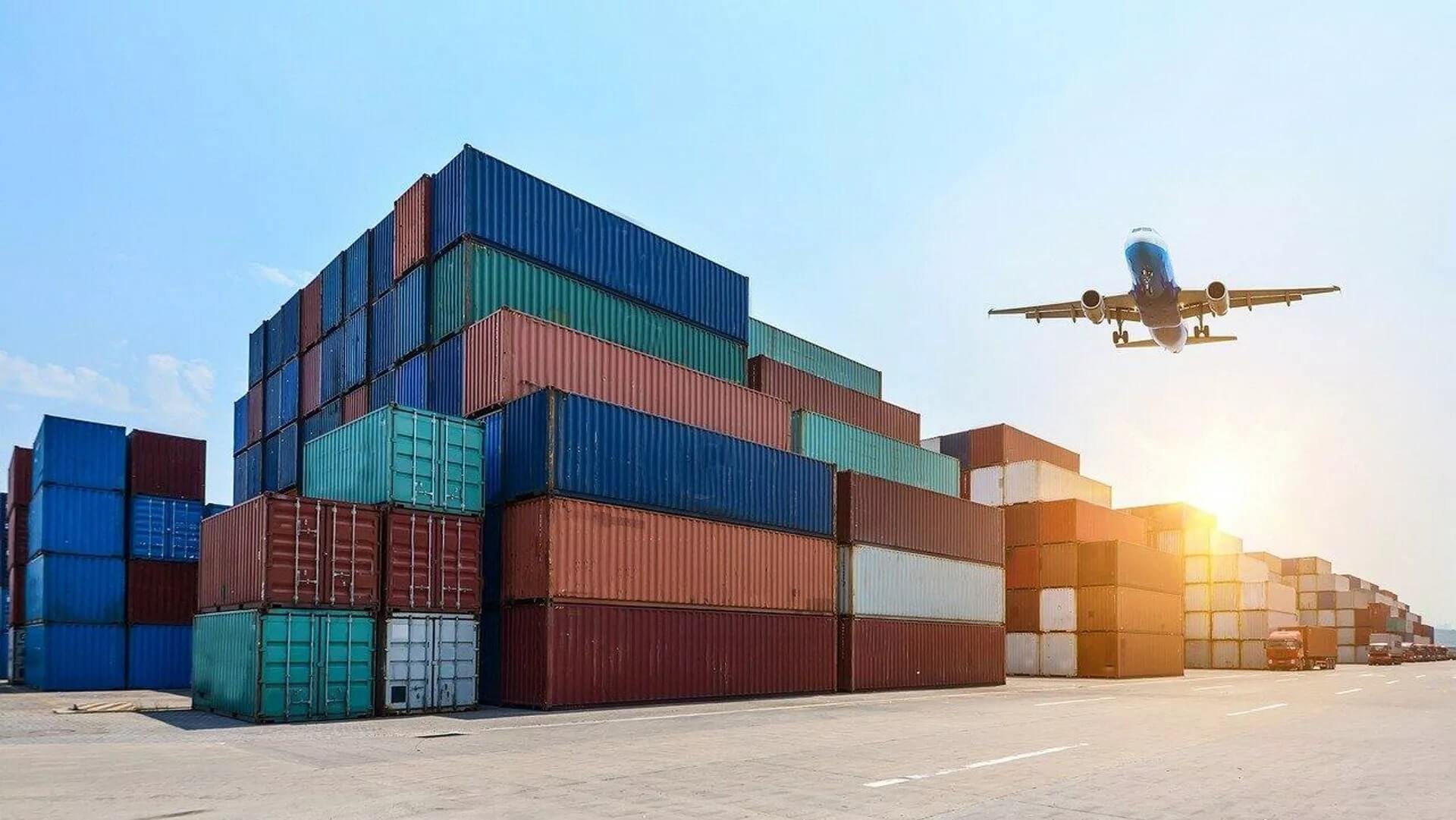
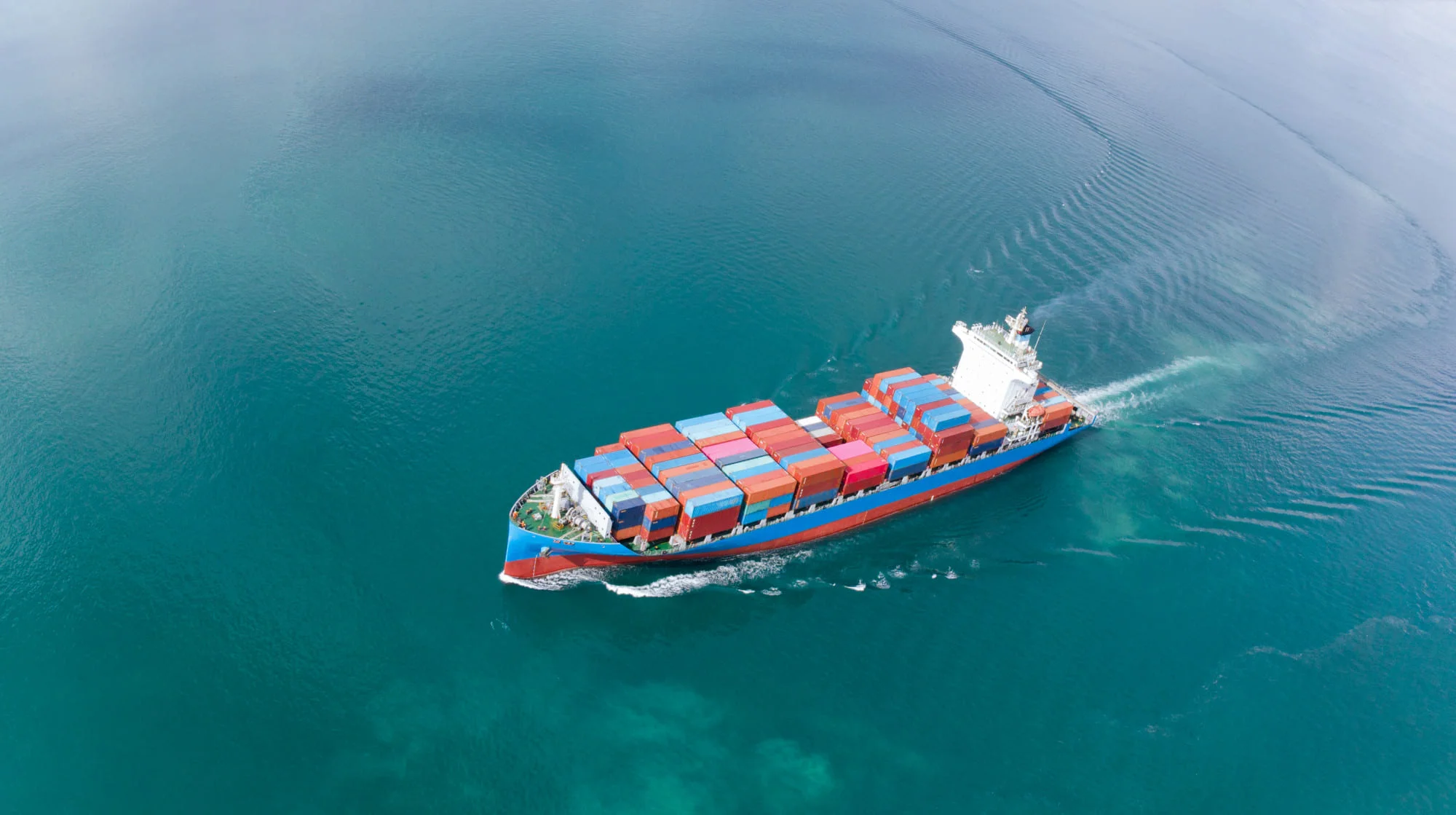
Commercial freight from the United States to Lebanon usually moves by ocean through Beirut or, depending on the carrier service, Tripoli. Air cargo is handled through Beirut-Rafic Hariri International Airport.
Ocean freight is commonly used for commercial inventory, vehicles, machinery, industrial equipment, construction materials, pallets, and other larger loads. Air freight is used for urgent replacement parts, electronics, medical products, samples, and shipments with shorter delivery deadlines.
Beirut remains Lebanon’s principal container gateway. The Port of Beirut has a container terminal with stated annual capacity of about 1.2 million TEU, together with facilities for general cargo, vehicles, heavy equipment, hazardous goods, and warehousing.
RAM International Shipping works as a freight forwarder rather than the vessel-operating carrier or airline. RAM books ocean transportation with carriers as a licensed NVOCC and coordinates air cargo through airline agreements as an IATA-licensed agent. The vessel or aircraft carrying the international shipment is operated by the selected carrier.
Ocean Freight from USA to Lebanon Through Beirut and Tripoli
For most containerized shipments from the United States, Beirut is the first Lebanese port to compare.
The Port of Beirut’s container infrastructure includes a 600,000-square-meter stacking area, reefer connections, ship-to-shore gantry cranes, container-handling equipment, warehouses for general and groupage cargo, and storage areas for vehicles and heavy equipment.
Port of Beirut — Official Website
Beirut works particularly well for cargo destined for the capital, Mount Lebanon, and much of central Lebanon. Current freight-market listings show active container services from U.S. East Coast gateways to Beirut, although available carriers, routing, and transit times change with the booking date.
Tripoli is the other port worth checking for some shipments. The Port of Tripoli is operated under Lebanon’s Ministry of Public Works and Transport and has a container terminal, warehouses, open storage areas, and a free zone. Its location can make it relevant for cargo going to northern Lebanon.
The arrival port should be confirmed against the actual carrier service and final delivery point. Sending a container through Beirut simply because it is the country’s largest commercial gateway does not automatically make sense for every consignee.
After customs release, trucks handle delivery from the port to the consignee. This inland stage may be short for Beirut-area shipments but still needs to be included when comparing a port-to-port rate with the complete logistics cost.
FCL, LCL, Vehicle and Machinery Shipping to Lebanon
Full Container Load is generally used when one shipper needs the complete container. Typical cargo includes multiple pallets, commercial inventory, machinery, industrial materials, vehicles, and equipment that is better kept together during the ocean movement.
Less than Container Load allows several shipments to share the same container. It can work well for a few pallets or crates when booking a complete container is unnecessary.
LCL involves additional cargo handling. Freight must be consolidated before sailing and separated again after arrival. That can add time and destination handling compared with FCL, so both options are worth comparing once the shipment volume is known.
Large equipment may need something other than a standard dry container. Depending on its dimensions and loading method, machinery can move on a flat rack, in an open-top container, as breakbulk cargo, or under another project-cargo arrangement.
RoRo can also be used for suitable cars, trucks, and wheeled equipment when the required service is available on the selected route. Container shipping remains another option for vehicles.
Vehicle imports into Lebanon need an eligibility check before the U.S. pickup is arranged. Current 2026 U.S. government trade guidance lists passenger vehicles more than eight years old and transport vehicles more than five years old as prohibited imports.
For a vehicle quote, provide the year, make, model, VIN, operating condition, and pickup location. Machinery should be quoted with exact length, width, height, gross weight, and information on how it can be loaded.
RAM coordinates FCL, LCL, RoRo, project, and oversized freight through ocean carriers rather than operating the vessel itself.
Air Freight from USA to Lebanon Through Beirut
Air freight is usually selected for shipments where the delivery schedule does not allow several weeks for an ocean movement.
Beirut-Rafic Hariri International Airport is Lebanon’s international air cargo gateway. MEAG’s cargo center at the airport handles general cargo as well as pharmaceuticals, perishables, dangerous goods, valuable cargo, and other specialized shipments. Its cargo operations run 24/7.
Replacement parts, electronics, pharmaceuticals, medical equipment, samples, production components, and high-value goods are common candidates for air service.
Air rates are calculated largely from chargeable weight. The airline compares actual gross weight with volumetric weight, so a large but light crate can be charged above the weight shown on a scale.
Piece dimensions must also be checked before booking. Cargo can be acceptable by weight but still be too large for the aircraft door, pallet system, or handling equipment used on the route.
Lithium batteries, dangerous goods, pharmaceuticals, temperature-sensitive products, perishables, and oversized pieces can require additional paperwork, packaging, or airline approval.
RAM arranges these shipments through airline agreements. It does not operate the aircraft. Its role is to coordinate the carrier booking and the services required around the air movement.
Lebanon Customs, Import Duties and VAT
Goods imported into Lebanon need to be correctly classified before customs clearance. The HS code affects the customs duty, VAT treatment, and whether another permit or product-specific requirement applies.
Lebanon’s tariff is not based on one general duty percentage. Current Lebanese Customs tariff data shows different duty rates according to the product, including examples at 0%, 5%, 10%, and other rates. The same tariff data currently shows 11% VAT on many standard taxable import lines, while exemptions or zero-rated treatment apply to certain goods.
For this reason, duty and tax should be calculated from the actual classification rather than estimated from the general product description.
Lebanese Customs uses a customs value that includes the value of the goods plus transportation, insurance, and other costs incurred up to the customs office of clearance.
Commercial shipments normally need documents supporting the declaration and the value of the goods. Depending on the shipment, these can include the commercial invoice, bill of lading or air waybill, packing information, insurance records, origin documentation where applicable, and permits or certificates required for regulated goods.
The importer or customs broker should verify the document set before departure. Customs classification problems are much easier to address before the container or air shipment reaches Lebanon than after it is waiting for clearance.
Restricted Products, Labeling and Other Import Checks
Not every commodity follows the same import procedure.
Current 2026 trade guidance lists several prohibited or restricted categories in Lebanon. Apart from the vehicle age limits, prohibited goods include used medical and radiological apparatus, some chemical and industrial waste products, non-iodized table salt, certain bread-making additives, and other specifically controlled items.
Other goods may be importable but require approval from the authority responsible for that product. Food, agricultural products, pharmaceuticals, medical devices, chemicals, telecommunications equipment, and similar regulated goods can require additional certificates, registration, testing, or inspection.
Labeling should also be checked before commercial products are shipped. Current Lebanon guidance states that labels should contain information such as net weight, manufacturer, production and expiry dates where applicable, ingredients, and country of origin. Labels may be printed in Arabic, English, or French.
The requirements still depend on the commodity, so a label suitable for industrial machinery should not be treated as the template for packaged food or pharmaceuticals.
Carrier acceptance and import permission are separate matters. A shipping line or airline can accept cargo for transportation even when the Lebanese importer still needs a permit or another document before Customs can release it.
Shipping Cost, Transit Time and Freight Forwarding to Lebanon
Rates from the United States to Lebanon change with the origin, transport mode, cargo, and carrier service.
For ocean freight, pricing can depend on the U.S. departure port, Beirut or Tripoli as the destination, FCL or LCL service, container type, shipment volume and weight, carrier routing, and specialized equipment.
Air freight reacts more strongly to chargeable weight, dimensions, airline capacity, cargo type, routing, and urgency.
RAM’s Freight Rate Calculator can be used with the actual shipment details rather than a general USA-to-Lebanon rate.
The international freight charge may be only part of the total logistics cost. Packing, crating, warehousing, terminal handling, insurance, customs brokerage, duties and VAT, storage, specialized equipment, and services after cargo release may be charged separately.
Transit time also needs to be tied to the selected route. Ocean freight can move directly or through a transshipment hub depending on the carrier and U.S. departure port. LCL requires additional time for consolidation and deconsolidation.
Air cargo moves much faster, but the complete schedule still includes cargo acceptance, possible flight connections, terminal handling, customs clearance, and release.
For cargo with a required arrival date, the current vessel or airline schedule should be checked once the cargo-ready date is known instead of relying on a fixed country-level transit estimate.
RAM coordinates these movements as the freight forwarder. Ocean shipments are booked with vessel-operating carriers, while air shipments are arranged through airline agreements.
For a quote, provide the commodity, number of pieces or pallets, exact dimensions, gross weight, U.S. origin, destination in Lebanon, and cargo-ready date.
Vehicles, machinery, dangerous goods, pharmaceuticals, food products, chemicals, temperature-sensitive cargo, and oversized equipment may require additional information before booking. The Lebanese importer should also confirm the HS classification, import eligibility, customs documents, duties and VAT, and any permits that apply to the goods.
Request a quote for shipping from the USA to Lebanon based on your cargo, origin, destination, and required delivery schedule.