Shipping freight from the United States to Indonesia requires more route planning than a shipment to a country with one dominant gateway. Indonesia is an archipelago, and the final city or island can have a major effect on the port, airport, transit route, and destination charges.
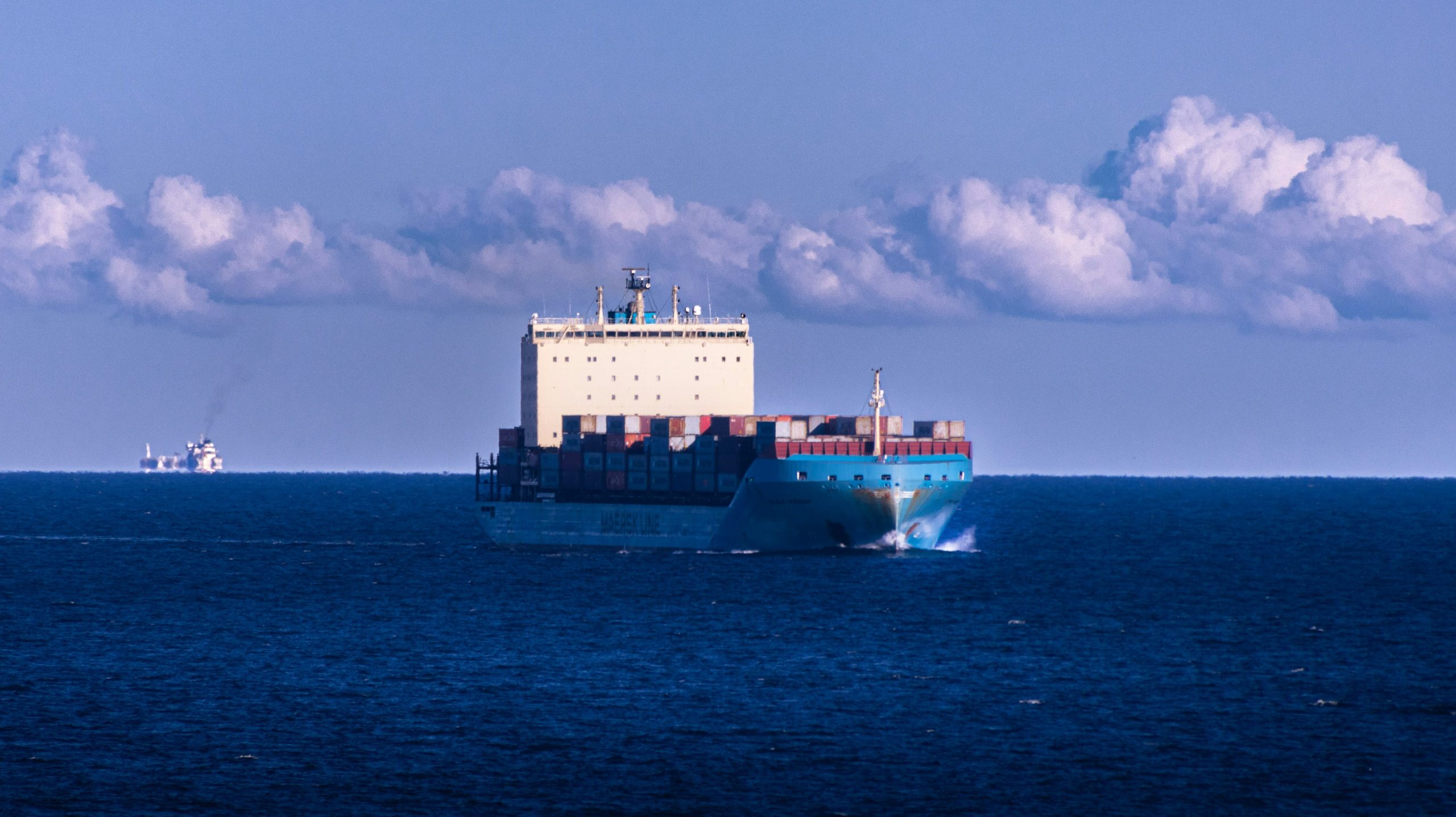
Ocean freight is commonly used for machinery, commercial inventory, industrial equipment, raw materials, pallets, and other large shipments. Full Container Load (FCL) and Less than Container Load (LCL) are the main options for containerized cargo. Air freight is more appropriate for urgent parts, electronics, medical products, samples, and other shipments that cannot wait for an ocean schedule.
RAM International Shipping works as a freight forwarder rather than an ocean carrier or airline. RAM is a licensed NVOCC for ocean freight and an IATA-licensed agent for air cargo. It books transportation with carriers and coordinates the other services involved in moving the shipment.
Ocean Freight from USA to Indonesia Through Jakarta and Surabaya
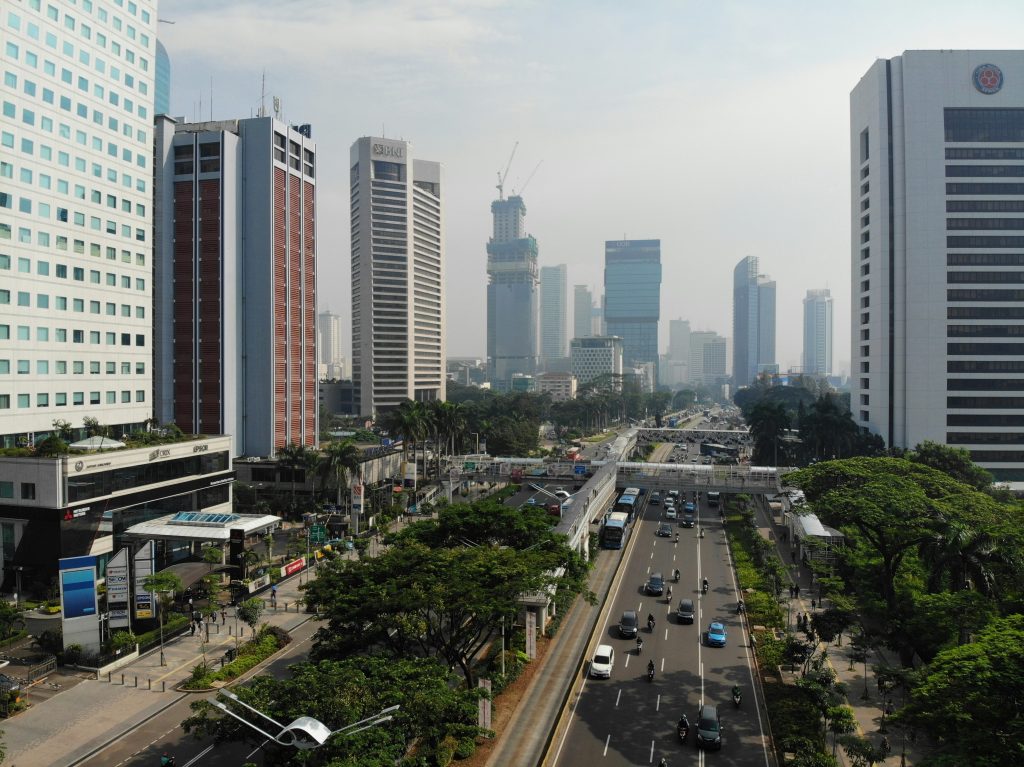
Tanjung Priok in the Jakarta area is Indonesia’s largest port and one of the country’s principal gateways for international container traffic. Pelindo continues to expand container capacity there; Terminal 2 Petikemas entered operation in 2026 with additional equipment scheduled as the terminal develops.
For cargo headed to Jakarta and much of western Java, Tanjung Priok is normally one of the first ports to compare.
Tanjung Perak in Surabaya is an important alternative for shipments serving East Java and nearby markets. Pelindo identifies Tanjung Perak as a major port in its national network, with substantial container-handling capacity.
Indonesia also has container terminals in other parts of Java, Sumatra, Kalimantan, Sulawesi, and eastern Indonesia. Pelindo Terminal Petikemas currently lists terminals in locations including Semarang, Medan, Balikpapan, Kendari, Kupang, and Jayapura.
That geography is important when requesting a freight quote. A shipment for a consignee in Surabaya should not automatically be routed through Jakarta simply because Tanjung Priok is the country’s largest port. Domestic transportation and, for some destinations, another sea movement can add time and cost after the international container reaches Indonesia.
The quote should therefore include the actual destination city or facility, not only “Indonesia.”
FCL, LCL and Oversized Shipping to Indonesia
FCL gives one shipper use of an entire container. It is commonly used for multiple pallets, machinery, commercial inventory, industrial materials, and larger orders.
LCL allows smaller shipments from different customers to share the same container. A business with several crates or pallets can use only the space it needs instead of booking a complete container.
There are more handling stages with LCL. Cargo is consolidated before the international voyage and separated again after arrival. Those steps can affect both the overall schedule and destination handling charges.
The equipment also needs to match the cargo.
Standard dry containers work for most regular commercial goods. Machinery or industrial equipment that cannot fit inside a standard container may require an open-top container, flat rack, breakbulk arrangement, or another project-cargo setup.
RoRo can also be considered for suitable wheeled cargo when an appropriate carrier service is available. Availability should be checked against the actual port pair rather than assumed for every USA–Indonesia route.
RAM coordinates FCL, LCL, RoRo, project, and oversized ocean cargo with vessel-operating carriers. Its ocean service also covers flat racks, open tops, breakbulk arrangements, packing, crating, warehousing, consolidation, and transloading where required.
For machinery and oversized freight, exact dimensions and gross weight should be supplied before the carrier and equipment are selected.
Air Freight from USA to Indonesia
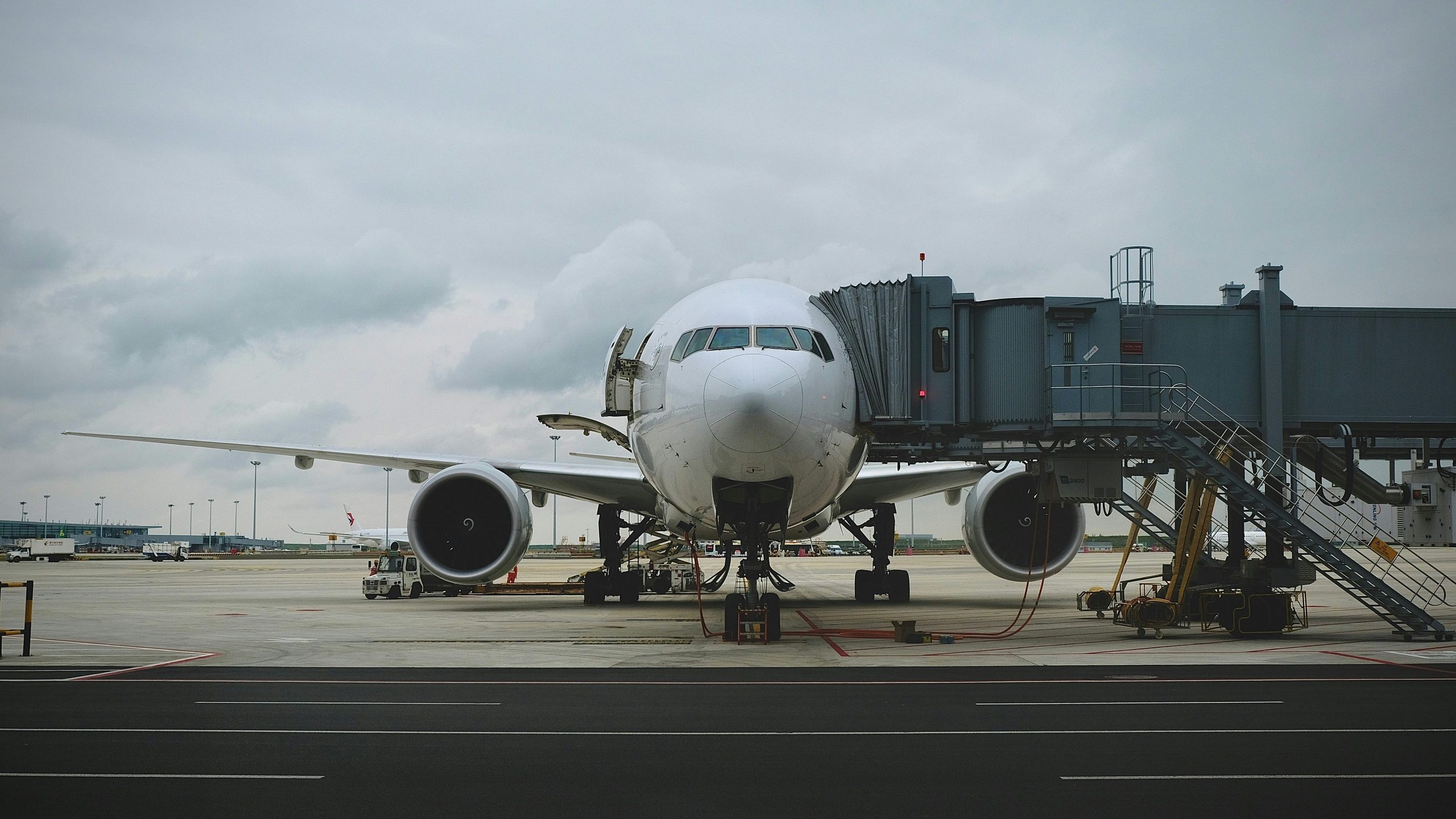
Air freight is used when cargo needs to reach Indonesia faster than an ocean service can provide.
Common examples include urgent replacement parts, electronics, medical equipment, pharmaceuticals, samples, high-value goods, and inventory needed for a production or sales deadline.
Soekarno-Hatta International Airport in the Jakarta area has established international cargo facilities and airline cargo operations. Current carrier information confirms dedicated cargo-terminal and warehouse operations at the airport.
For a shipment going to Jakarta or western Java, Soekarno-Hatta is an obvious airport to compare. Other Indonesian airports may be more useful when the consignee is elsewhere, but airline service, available cargo capacity, dimensions, and commodity restrictions have to be checked first.
Air freight is normally rated by chargeable weight. The airline compares actual gross weight with volumetric weight, so a large but lightweight shipment can be charged at a higher weight than its scale weight.
Piece dimensions are equally important. Cargo still has to fit through the aircraft door and work with the pallets and handling equipment available for the route.
Lithium batteries, dangerous goods, pharmaceuticals, perishables, temperature-sensitive cargo, and oversized pieces can require additional documentation, packaging, or airline approval.
RAM does not operate aircraft. It coordinates international air cargo through its airline agreements and currently lists more than 60 airline relationships. Services include standard and consolidated freight, time-critical shipments, charter arrangements, dangerous-goods support, packing, crating, and temperature-sensitive handling.
Indonesia Customs Clearance: NIB, PIB and Import Documents
Commercial import procedures are handled on the Indonesian side by the importer and, where used, its customs representative.
Under Indonesia’s current import framework, an importer conducting business imports generally needs a Nomor Induk Berusaha (NIB) that functions as an Angka Pengenal Importir (API). The main import policy is set out in Ministry of Trade Regulation No. 16 of 2025, which has subsequently been amended, including by Regulation No. 18 of 2026.
The Indonesian government’s OSS system describes the NIB as the official business identification number used to start and operate a business in Indonesia.
For customs clearance, the principal import declaration is the Pemberitahuan Impor Barang (PIB).
Indonesia Customs states that the PIB is prepared using supporting customs documents. These can include the commercial invoice, packing list, bill of lading or air waybill, documents identifying the goods, and documentation showing that applicable import requirements have been met.
Official customs guidance is available through Indonesia Customs:
Indonesia Customs — Import for Use
The importer calculates and declares the applicable import duty, excise where relevant, and import taxes through the PIB process. Customs clearance uses a risk-based system.
For standard commercial imports, the main channels described by Indonesia Customs are Red Channel and Green Channel. Red-channel shipments undergo document review and physical examination before release. Green-channel shipments do not normally undergo those checks before release, although Customs can still request documents or carry out controls where required.
HS classification should be confirmed before departure from the United States. It affects duties and taxes and also determines whether additional Indonesian import requirements apply.
LARTAS and Restricted Goods in Indonesia
Indonesia uses the term LARTAS for goods subject to prohibitions or restrictions.
The rules are tied to the HS code and regulations issued by the government authority responsible for the product. Indonesia Customs states that importers are responsible for meeting applicable LARTAS requirements and identifying them in the PIB where required.
The current official reference for checking these requirements is Indonesia’s National Single Window. Its Indonesia National Trade Repository contains HS-code information, tariffs, import and export policies, and LARTAS requirements.
Product-specific controls can apply to categories such as food, pharmaceuticals, cosmetics, chemicals, agricultural goods, electronics, and other regulated products. Depending on the HS code, the importer may need an approval, registration, certification, inspection, technical verification, or another document before the goods can be released.
Used goods also need to be checked carefully. Indonesia regulates the import of various second-hand products, and the rules are not the same across all used equipment or merchandise.
The practical point is simple: the Indonesian importer should check the exact HS code in INSW before the shipment leaves the United States.
Carrier acceptance is separate from import permission. An ocean carrier or airline can accept freight that still lacks the documents required for Indonesian customs clearance.
Shipping Cost and Transit Time from USA to Indonesia
Cost and transit time are prominent parts of the search demand for USA-to-Indonesia freight. Current competitors quote both air and ocean service and show considerable differences depending on U.S. origin, Indonesian destination, and service scope. For example, published ocean schedules from Los Angeles and New York to Jakarta differ even before customs and destination handling are added.
For ocean freight, the rate can change according to the U.S. departure point, FCL or LCL service, container type, cargo volume and weight, destination port, equipment availability, and current carrier pricing.
Air freight is more sensitive to chargeable weight, dimensions, airline capacity, airport pair, cargo type, and urgency.
RAM’s Freight Rate Calculator can be used with the actual shipment details instead of relying on a general USA-to-Indonesia rate.
The international freight charge may not include packing, warehousing, terminal handling, insurance, customs services, duties and taxes, storage, or charges after arrival in Indonesia.
Transit time varies for the same reason. Ocean cargo may move through a transshipment hub before reaching Indonesia. LCL needs additional time for consolidation and deconsolidation. Air freight is substantially faster, but cargo acceptance, flight connections, customs clearance, and terminal release still affect the full schedule.
For a shipment with a fixed deadline, the current carrier or airline schedule should be checked using the actual cargo-ready date.
Freight Forwarding from USA to Indonesia with RAM
RAM International Shipping coordinates the international transportation and supporting logistics rather than operating the vessel or aircraft.
For ocean freight, RAM works as a licensed NVOCC and books FCL, LCL, RoRo, project, and oversized cargo with ocean carriers. For air freight, RAM works as an IATA-licensed agent and arranges transportation through airline agreements.
A quote should include the commodity, number of pieces or pallets, dimensions, gross weight, U.S. origin, final destination in Indonesia, and cargo-ready date.
Machinery and oversized equipment need accurate measurements. Batteries and dangerous goods require technical documentation. Food, pharmaceuticals, cosmetics, chemicals, agricultural goods, and other regulated products should be checked against Indonesian import rules before booking.
The Indonesian importer should also confirm its NIB/API status, HS classification, PIB requirements, LARTAS status, and any product-specific permits or approvals.
Request a quote for shipping from the USA to Indonesia based on your cargo, origin, destination, and required delivery schedule.