
Shipping from USA to South Korea: Ocean and Air Freight
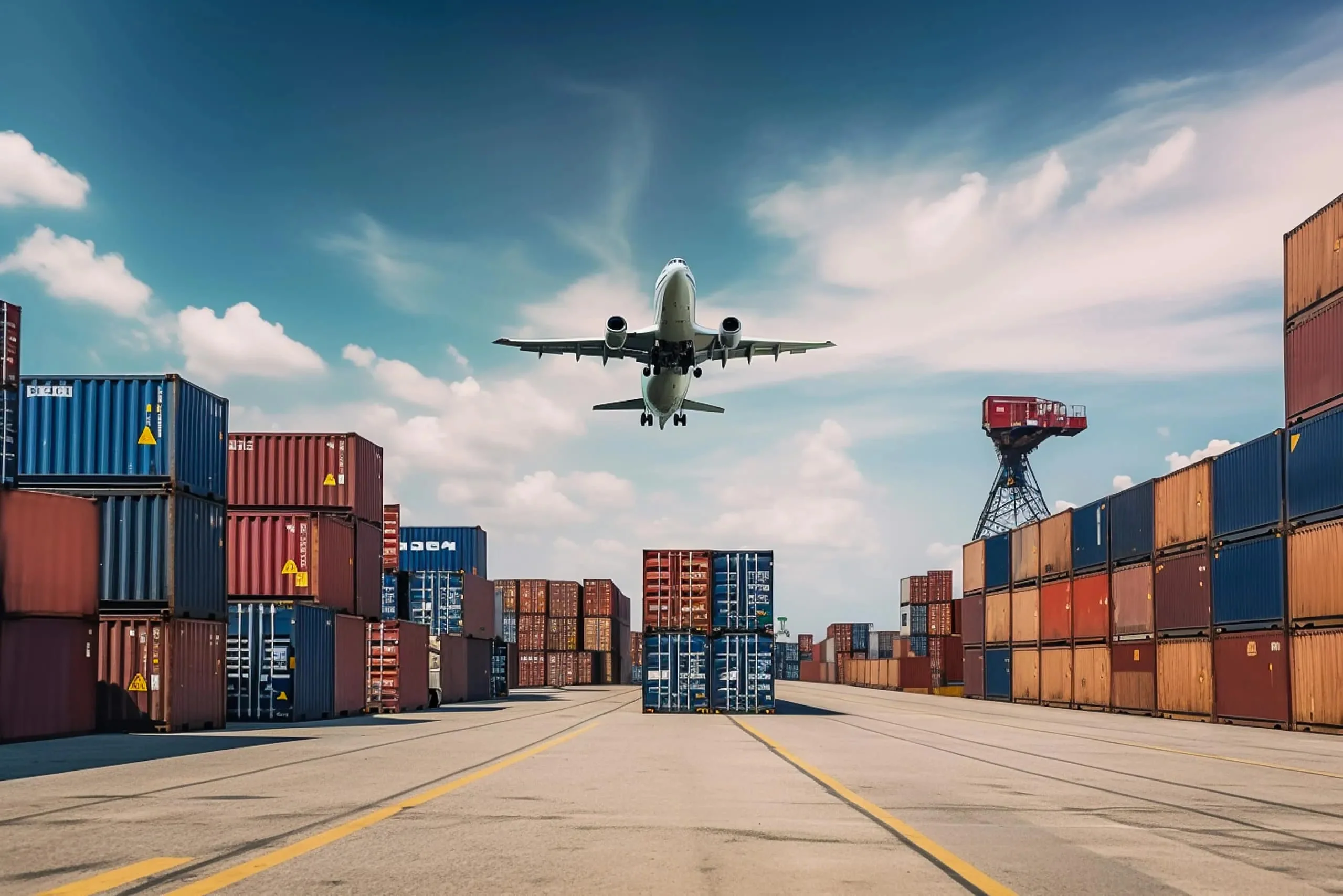
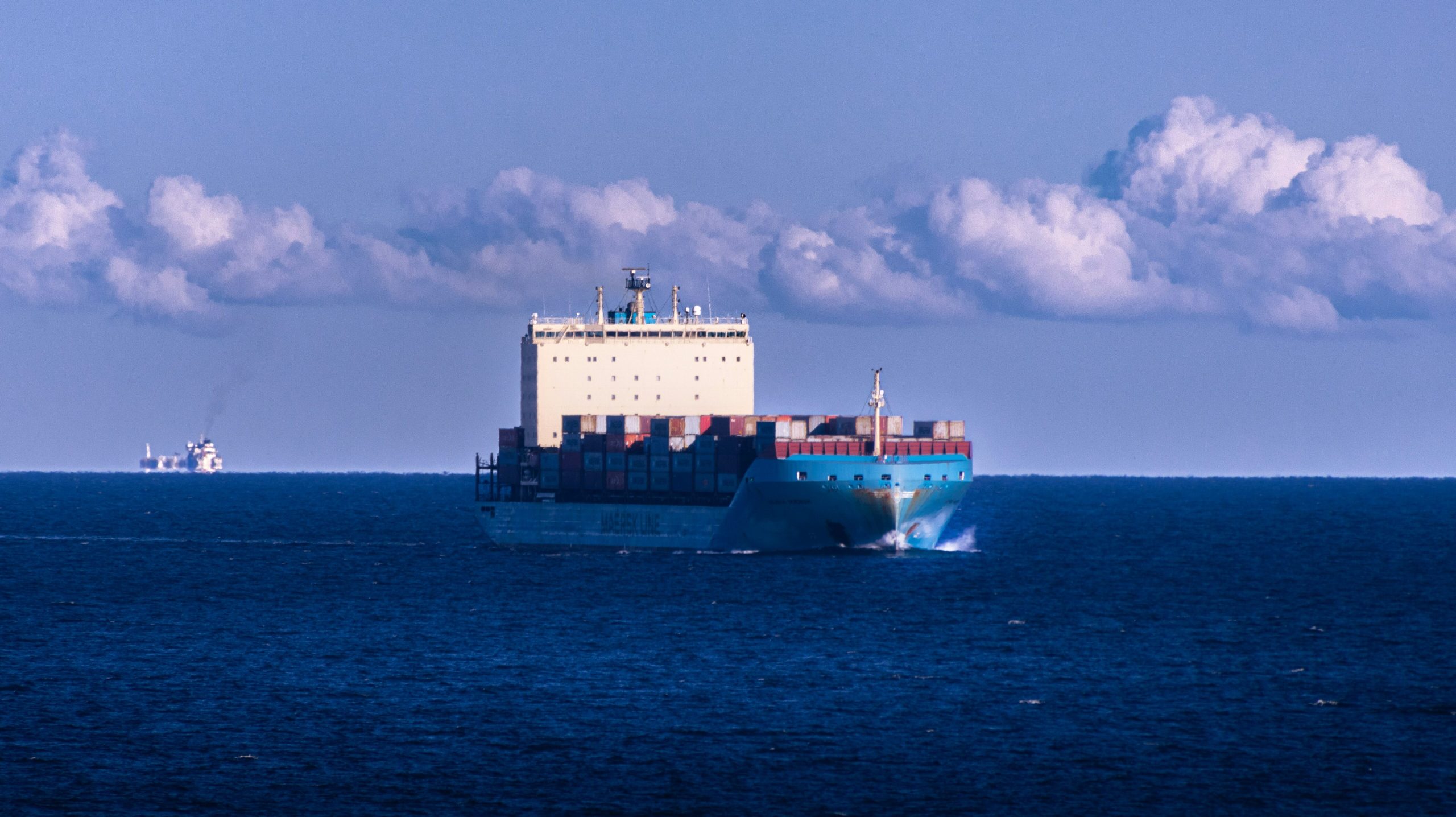
Freight from the United States to South Korea can move by ocean or air, with the route depending heavily on cargo volume, U.S. origin, Korean destination, and delivery deadline.
For containerized freight, Busan is the country’s main ocean gateway and an important transshipment hub for Northeast Asia. Incheon is another practical option, particularly for cargo destined for Seoul and the surrounding metropolitan area. Air freight is centered largely around Incheon International Airport.
Ocean freight is commonly used for commercial inventory, machinery, automotive components, industrial materials, equipment, and palletized cargo. Air freight is used when a shorter schedule is more important, particularly for electronics, production components, medical products, replacement parts, samples, and other high-value goods.
RAM International Shipping works as a freight forwarder rather than the vessel-operating carrier or airline. RAM arranges ocean transportation with shipping lines as a licensed NVOCC and coordinates air cargo through airline agreements as an IATA-licensed agent.
Ocean Freight from USA to South Korea Through Busan and Incheon
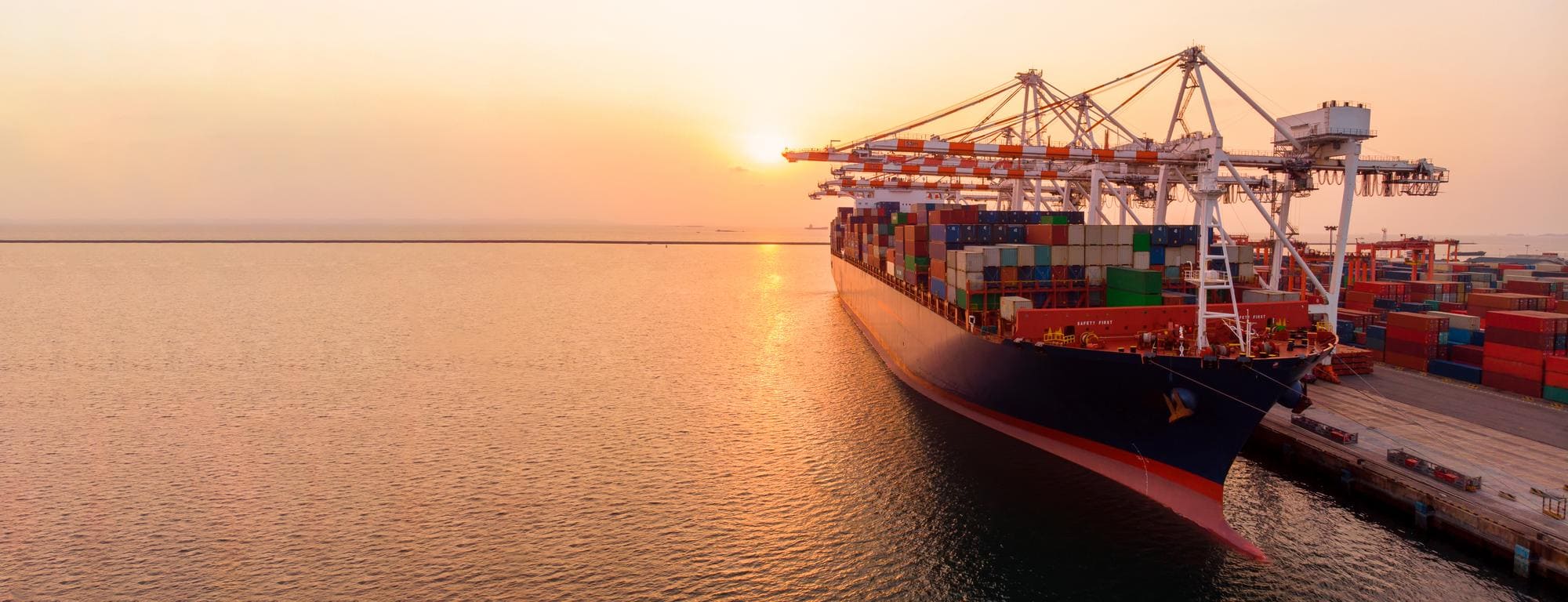
Busan is the main container port for most large-volume ocean freight moving into and out of South Korea.
Busan Port handled approximately 24.88 million TEU in 2025, up from 24.40 million TEU in 2024. More than half of the 2025 volume was transshipment cargo, reflecting Busan’s role not only as a Korean import and export gateway but also as a major regional hub.
For U.S. shippers, Busan is regularly served from West Coast gateways such as Los Angeles, Long Beach, Oakland, and Seattle-Tacoma. Services from East Coast and Gulf ports are also available, although the routing is generally longer and may involve the Panama Canal or transshipment. Competitors currently ranking for USA-to-South Korea freight searches consistently place Busan at the center of their FCL and LCL services.
Incheon Port is a useful alternative for freight going to Seoul, Incheon, Gyeonggi Province, and other destinations in the northwest of the country. Incheon New Port has dedicated container facilities, including berths capable of handling large container vessels. The port handled more than 280,000 TEU in August 2026 alone.
Gwangyang is another possible container gateway, particularly for cargo connected with southern industrial regions. Its container facilities have several terminals and combined annual handling capacity measured in millions of TEU.
The arrival port should be selected together with the final delivery location. A lower ocean rate to Busan may not always produce the lowest total cost if the consignee is near Seoul and another route reduces the inland movement.
For ocean freight, the main choices are FCL and LCL.
Full Container Load gives one shipper the complete container and is commonly used for larger commercial shipments, machinery, industrial materials, and multiple pallets.
Less than Container Load allows smaller shipments to share container space. It can be economical for several pallets or crates, but additional consolidation and deconsolidation add handling stages and can extend the overall schedule.
Oversized machinery can require flat racks, open-top containers, breakbulk transportation, or another project-cargo arrangement. RAM coordinates these bookings with the vessel-operating carrier and can also arrange packing, crating, warehousing, consolidation, and transloading where required.
South Korea Customs Clearance and the KORUS Free Trade Agreement
Imports into South Korea are declared electronically through UNI-PASS, the Korea Customs Service’s electronic customs-clearance system.
Korea Customs Service states that an importer or customs broker can submit the import declaration through UNI-PASS. While declarations are generally made after goods arrive, pre-arrival filing is also available to help speed up clearance.
The standard commercial document set can include:
- import declaration;
- commercial invoice;
- packing list;
- bill of lading or air waybill;
- certificate or certification of origin where applicable;
- inspection, quarantine, permit, or other product-specific documents.
The U.S.–Korea Free Trade Agreement (KORUS FTA) has been in force since March 15, 2012. Most U.S. goods covered by the agreement are now eligible for duty-free treatment, but that does not mean every shipment leaving the United States automatically receives zero duty. The product must satisfy the applicable KORUS rules of origin.
KORUS does not require one mandatory Certificate of Origin form. The importer can claim preferential treatment using the required origin information, while the exporter, producer, or importer may need to provide documentation showing that the product qualifies. Supporting origin records generally need to be retained for five years.
Correct HS classification is important because the tariff rate and product-specific rule of origin depend on the classification. Korea Customs Service provides a current tariff database through UNI-PASS for checking the applicable tariff schedule.
South Korea also applies 10% VAT to imported goods. Import VAT is generally calculated on the customs value plus applicable customs duties and other relevant taxes. Other internal taxes can apply to certain products.
Air Freight from USA to South Korea via Incheon
Incheon International Airport is the primary gateway for international air cargo entering South Korea.
The airport has extensive dedicated cargo infrastructure, including airline cargo terminals, express-carrier facilities, hazardous-material storage, customs areas, and bonded facilities. Its current infrastructure provides total cargo-handling capacity of approximately 6.3 million tonnes per year following completion of the airport’s fourth development phase.
Incheon is especially important for Korea’s electronics, semiconductor, automotive, pharmaceutical, and manufacturing supply chains, where production schedules can make air freight worth the higher transportation cost.
Air freight commonly includes electronics, semiconductor components, production parts, medical equipment, pharmaceuticals, samples, replacement components, and other higher-value or urgent commercial goods.
Airline rates are based largely on chargeable weight. Actual gross weight is compared with volumetric weight, meaning that a large but lightweight crate can be billed at a much higher weight than the number shown on the scale.
Piece dimensions matter as well. Heavy machinery components, long crates, lithium batteries, dangerous goods, pharmaceuticals, perishables, and temperature-sensitive cargo can require special handling, packaging, documentation, or airline approval.
Competitor transit estimates for U.S.–South Korea air freight vary from a few days to more than a week depending on the origin airport, flight connection, service level, and whether the quoted time is airport-to-airport or door-to-door. The actual airline schedule should therefore be checked for the shipment’s cargo-ready date.
RAM coordinates these shipments through airline agreements rather than operating aircraft itself.
Product Certification, Food and Restricted Imports in South Korea
Customs clearance is only one part of the import process. Some goods must meet additional Korean safety, labeling, inspection, or certification requirements.
Many imported commercial goods are subject to country-of-origin marking requirements, and some product categories also have specific Korean-language labeling requirements.
The KC Mark applies to products covered by relevant Korean safety and conformity regulations. The Korean Agency for Technology and Standards oversees standards for many industrial and consumer products, while the exact certification requirement depends on the type and classification of the goods.
Food products require another level of preparation. The Ministry of Food and Drug Safety manages imported food safety, including registration of foreign food facilities where applicable, import declarations, inspections, and product-specific sanitary requirements. Foreign food facilities exporting covered products to Korea generally need to be registered before the import declaration is filed.
Medical devices and pharmaceuticals are also regulated by MFDS, while other commodities can fall under different Korean agencies.
Products prohibited from import include categories such as narcotics, counterfeit goods, certain weapons and ammunition, and prohibited publications or materials. Other products may be importable only after obtaining the appropriate approval.
For electronics, food, medical products, chemicals, telecommunications equipment, batteries, and other controlled goods, the Korean importer should confirm certification and permit requirements before cargo leaves the United States.
Carrier acceptance alone does not confirm that the product can legally clear Korean Customs.
Shipping Costs and Transit Time from USA to South Korea
U.S.–South Korea shipping costs vary considerably because the origin side can be very different from one shipment to another.
Cargo originating in Southern California can move through Los Angeles or Long Beach with relatively little U.S. inland transportation. A shipment originating in Chicago, Dallas, Atlanta, or another inland market needs to reach an export port or airport first. Freight from the U.S. East Coast and Gulf can also follow substantially different ocean routings from West Coast cargo.
For ocean freight, price is affected by the U.S. origin, export port, Busan or another Korean port, FCL or LCL service, container type, cargo volume and weight, equipment requirements, carrier capacity, and current market conditions.
Current competitor estimates show West Coast-to-Busan FCL transit commonly in the range of roughly two to three weeks port-to-port, while East Coast and Gulf routings can take considerably longer. These are planning estimates rather than schedules that should be promised for every shipment.
Air freight is influenced more heavily by chargeable weight, dimensions, airport pair, airline capacity, commodity, and service priority.
RAM’s Freight Rate Calculator can be used with the actual cargo and route information.
The international freight charge may not include all costs associated with the shipment. U.S. pickup, packing, crating, warehouse handling, terminal fees, insurance, customs brokerage, Korean duties and VAT, inspections, certification, storage, and final delivery can be separate charges.
The final destination should also be included when requesting a rate. Cargo discharged in Busan may still need trucking or rail transportation to Seoul, Daegu, Daejeon, Ulsan, Suwon, or another Korean city.
RAM coordinates the ocean or air carrier and the supporting logistics as the freight forwarder rather than operating the ship, aircraft, truck, or rail service itself.
For a quote, provide the commodity, number of pallets or pieces, dimensions, gross weight, U.S. origin, South Korean destination, and cargo-ready date. Machinery, batteries, dangerous goods, food, pharmaceuticals, medical products, electronics requiring certification, and oversized freight may require additional information before booking.
Request a quote for shipping from the USA to South Korea based on your cargo, origin, destination, and required delivery schedule.