
Shipping from USA to Kazakhstan: Air, Ocean and Multimodal Freight
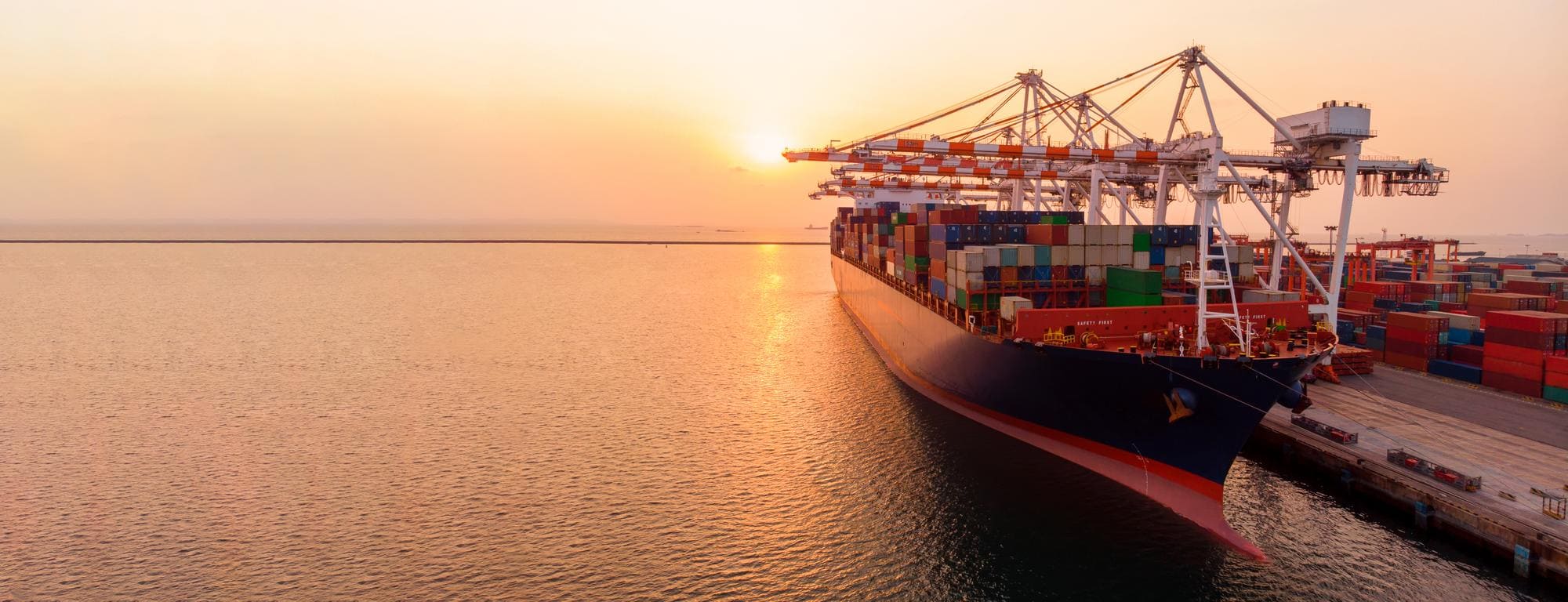
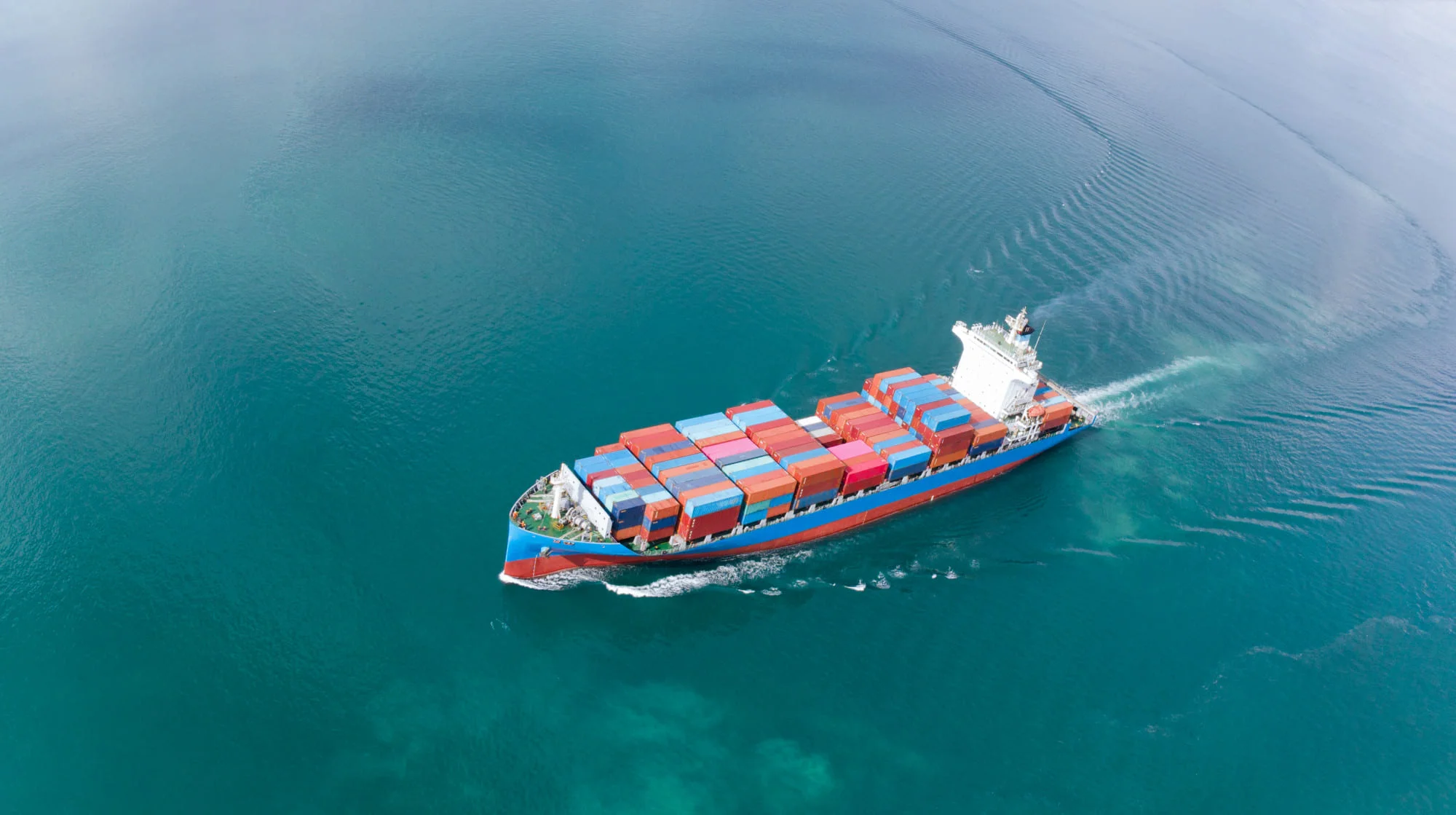
Shipping freight from the United States to Kazakhstan is different from shipping to a country with direct access to an ocean. Kazakhstan is landlocked, so ocean cargo must continue by rail, truck, ferry, or a combination of these modes after the maritime leg.
For machinery, commercial inventory, vehicles, industrial equipment, and other larger shipments, the route may involve several carriers before the cargo reaches Kazakhstan. Air freight requires fewer transfers and is used for urgent spare parts, electronics, medical goods, high-value equipment, and shipments with a short delivery window.
RAM International Shipping works as a freight forwarder. RAM coordinates the companies involved in the shipment rather than operating the international vessel, aircraft, railway, or long-haul trucking service itself. For ocean freight, RAM is a licensed NVOCC and books cargo with vessel-operating carriers. For air freight, RAM works as an IATA-licensed agent with airline agreements.
How Ocean Freight from USA to Kazakhstan Reaches the Country
An ocean shipment to Kazakhstan is usually part of a longer multimodal route.
One established option is the Trans-Caspian corridor. Cargo arriving from the west can move through Georgia and Azerbaijan, cross the Caspian Sea, and enter Kazakhstan before continuing inland by rail or road. Kazakhstan continues to invest in this corridor as an alternative route connecting Central Asia with European and other international markets.
Aktau is Kazakhstan’s main commercial port on the eastern shore of the Caspian Sea. The port operates year-round and handles dry cargo, metal, grain, oil products, containers, and other freight. Its official infrastructure information lists 11 berths and annual cargo-handling capacity of 11.8 million tonnes.
Kuryk, south of Aktau, is another important part of the Trans-Caspian route. The port has railway-ferry berths and a RoRo berth for trucks and vehicles. Ferry traffic between Kuryk and Baku remains active, with the port reporting an approximate crossing time of 18 hours in favorable weather. Actual departure and waiting times still depend on ferry schedules and Caspian conditions.
The full shipment therefore needs to be planned as several connected legs. An ocean rate to a transit port alone does not show the cost or schedule required to reach Almaty, Astana, Shymkent, Atyrau, Karaganda, or another destination inside Kazakhstan.
FCL, LCL and Ground Freight to Kazakhstan
FCL is commonly used for machinery, several pallets, industrial products, vehicles, and other larger loads. One shipper uses the complete container, which reduces handling of individual cargo pieces during the containerized part of the journey.
LCL is available for smaller shipments. Freight from several customers shares container space, with consolidation before departure and deconsolidation later in the route. On a Kazakhstan shipment, those extra handling stages can be more noticeable because the cargo may already pass through several transport points.
Ground and rail transportation are a normal part of many routes to Kazakhstan rather than an optional add-on. After the ocean leg, containers can continue by rail or truck toward the Caspian and then move farther inland after entering Kazakhstan.
Kazakhstan’s size has a direct effect on this part of the shipment. The country covers a vast territory, and current U.S. Commercial Service guidance specifically notes that long distribution distances make transportation costs and delivery times an important factor for companies trading with Kazakhstan.
Large machinery may need an open-top container, flat rack, breakbulk arrangement, RoRo service, or heavy-haul equipment. Exact dimensions, gross weight, lifting points, and information about whether the unit can move under its own power should be available before routing is confirmed.
RAM coordinates FCL, LCL, RoRo, project cargo, and oversized freight with the carriers responsible for the individual transport legs. Packing, crating, warehousing, consolidation, and transloading can also be arranged where required.
Air Freight from USA to Kazakhstan
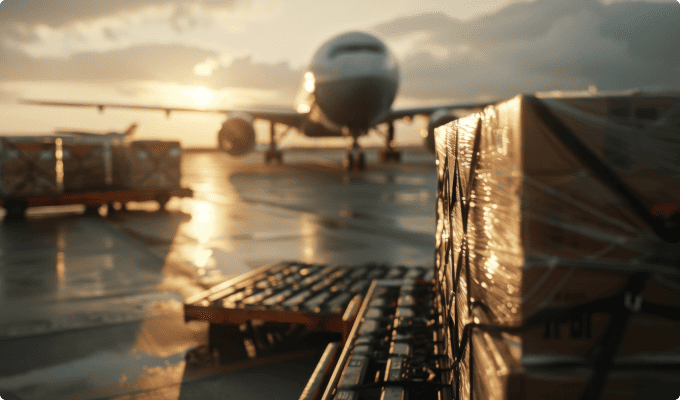
Air freight avoids most of the port, ferry, and rail transfers involved in an ocean-based route.
Almaty International Airport is one of the country’s main cargo gateways. Kazakhstan’s Aviation Administration lists Almaty International Airport among facilities providing cargo ground-handling services, and the airport operates cargo warehousing for general, dangerous, valuable, perishable, pharmaceutical, heavy, and oversized freight.
Astana can also be used depending on the airline service, cargo type, available capacity, and consignee location. The airport should be selected using current schedules rather than assuming all U.S. air freight needs to enter through the same gateway.
Air freight is priced primarily by chargeable weight. Airlines compare actual gross weight with volumetric weight, so a large lightweight crate may be rated at a higher weight than its scale reading.
Piece dimensions also need to be checked before booking. Long crates, heavy industrial parts, batteries, dangerous goods, pharmaceuticals, and temperature-sensitive products can require additional handling, documentation, or airline approval.
RAM arranges international air transportation through its airline network rather than operating aircraft. Its current services include standard and consolidated freight, priority shipments, charters, dangerous-goods support, temperature-sensitive cargo, and oversized freight.
Kazakhstan Customs, EAEU Rules and Import Taxes
Kazakhstan is a member of the Eurasian Economic Union, so its import procedures combine national customs rules with the EAEU customs framework.
Commercial goods entering the country must be declared to Customs. Kazakhstan introduced the Keden customs information system in 2024 to replace the older Astana-1 platform and expand electronic customs processing.
Documents depend on the commodity and transaction but commonly include a commercial invoice, transport document, packing information, and supporting records for the customs value and classification. Regulated goods may need licences, certificates, conformity documents, or approvals from other authorities.
The import duty is determined by the commodity code rather than one general percentage. Kazakhstan’s State Revenue Committee provides official references for EAEU commodity classification and import tariffs:
Kazakhstan State Revenue Committee — Commodity and Import Tariff References
The correct HS code should be checked before departure because it affects duty treatment and can also determine whether technical regulations or other import controls apply.
Kazakhstan also introduced a major VAT change in 2026. From January 1, 2026, the standard VAT rate increased from 12% to 16%, including for taxable imports. Separate reduced rates or exemptions apply to certain categories, including some medical products.
Older shipping pages still showing 12% as the general Kazakhstan import VAT rate are therefore outdated.
EAC Conformity and U.S. Export Requirements
Some products entering Kazakhstan fall under mandatory EAEU technical regulations.
Where a technical regulation applies, the product may require an EAEU certificate or declaration of conformity before it can be placed on the market. The EAEU maintains a common conformity-assessment system and a common conformity mark for products covered by Union technical regulations.
Machinery, electrical products, vehicles, children’s goods, food products, medical equipment, chemicals, and other categories can be subject to technical or safety requirements, depending on the exact product. Kazakhstan’s current trade guidance also confirms that mandatory conformity procedures remain relevant for a range of imported goods.
U.S. export compliance should be checked separately.
Kazakhstan itself is not subject to the same broad U.S. export restrictions as Russia or Belarus, but U.S. exporters still have to determine whether an item is controlled under the Export Administration Regulations and whether the buyer, end user, or end use creates a licence requirement.
BIS has also identified Kazakhstan as one of the countries that can appear in diversion routes for restricted goods moving toward Russia or Belarus. That makes end-user and end-use screening particularly important for electronics, aircraft parts, industrial components, navigation equipment, and other sensitive products.
This does not mean normal commercial exports to Kazakhstan are prohibited. It means controlled goods and higher-risk transactions should be reviewed before the cargo is released for export.
Shipping Cost, Transit Time and Freight Forwarding to Kazakhstan
There is no single useful USA-to-Kazakhstan freight price because the route can contain several transport modes.
For an ocean-based shipment, the total can include U.S. origin services, ocean freight, terminal handling, rail or trucking, transfers between modes, Caspian ferry transportation where used, and the final movement inside Kazakhstan.
FCL and LCL also have different cost structures. LCL avoids paying for a complete container but adds consolidation and deconsolidation. Heavy equipment and out-of-gauge cargo can require specialized equipment or terminal handling.
Air freight is affected more heavily by chargeable weight, shipment dimensions, airline capacity, routing, and priority.
RAM’s Freight Rate Calculator can be used with the actual origin, destination, cargo dimensions, weight, and transport mode.
Transit time should be treated the same way. A multimodal shipment can be affected by vessel schedules, transshipment, ferry departures, rail connections, border procedures, and weather on the Caspian Sea. A fixed country-level transit promise is less useful than a schedule built around the actual cargo-ready date and selected route.
RAM coordinates these stages as the freight forwarder. For ocean cargo, it books FCL, LCL, RoRo, project, and oversized freight with ocean carriers. Air shipments are arranged through airline agreements, while other carriers handle the rail, road, or ferry portions where the selected route requires them.
Machinery, vehicles, batteries, dangerous goods, medical products, oversized equipment, and goods covered by EAEU technical regulations need additional information before booking. The Kazakhstan importer should also verify the HS code, customs documents, duty and VAT treatment, conformity requirements, and any product-specific permits.
Request a quote for shipping from the USA to Kazakhstan based on your cargo, origin, destination, and required delivery schedule.