
Shipping from USA to United Arab Emirates: Ocean and Air Freight
Shipping commercial freight from the United States to the United Arab Emirates can involve several different gateways rather than one standard route. The final choice depends on where the cargo starts in the U.S., whether it is moving by ocean or air, and where the consignee is located in the UAE.
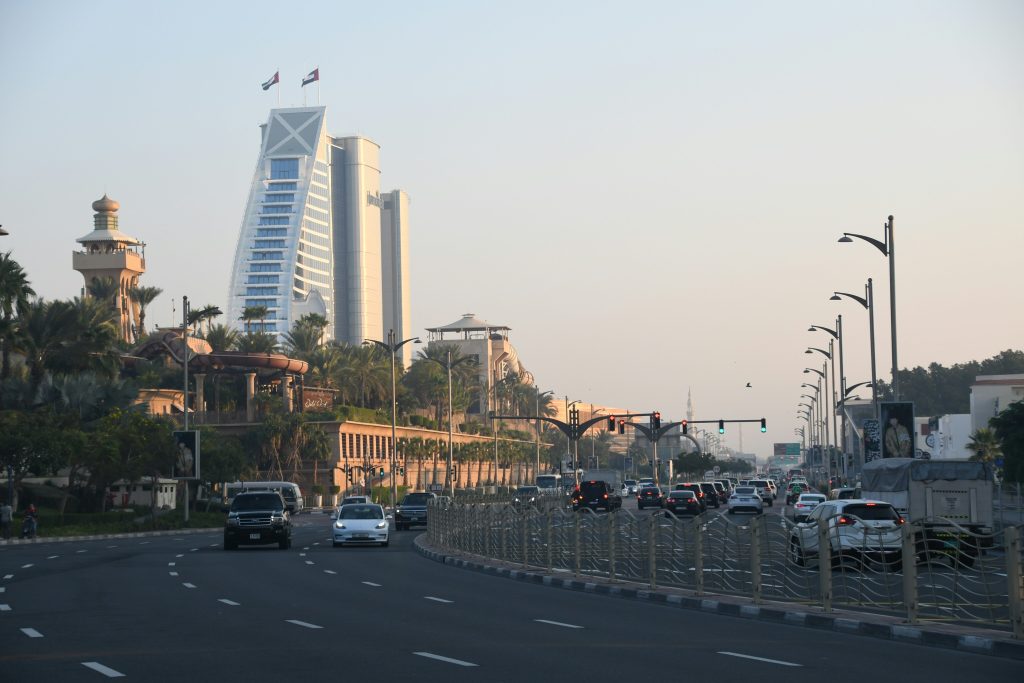
Dubai is one of the country’s major logistics hubs, with Jebel Ali Port and the Dubai airport system handling substantial international cargo volumes. Abu Dhabi provides another major entry point through Khalifa Port and Zayed International Airport. The final destination may also be in Sharjah, Ajman, Ras Al Khaimah, Fujairah, or Umm Al Quwain, which makes inland delivery part of the route planning.
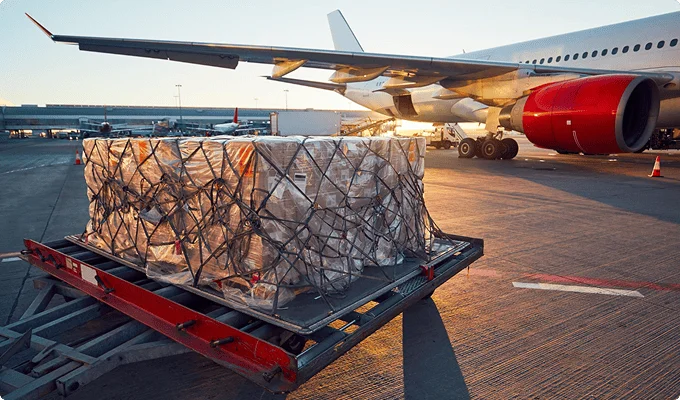
Ocean freight is normally considered for machinery, industrial equipment, commercial inventory, automotive cargo, construction materials, and other larger shipments. Air freight is more suitable for urgent components, electronics, medical products, samples, and cargo where the delivery schedule outweighs the higher transportation cost.
RAM International Shipping works as a freight forwarder rather than the vessel-operating carrier or airline. For ocean shipments, RAM operates as a licensed NVOCC and arranges transportation with ocean carriers. Its air freight operation works as an IATA-licensed agent and coordinates cargo with airlines.
Ocean Freight from USA to UAE via Jebel Ali and Khalifa Port
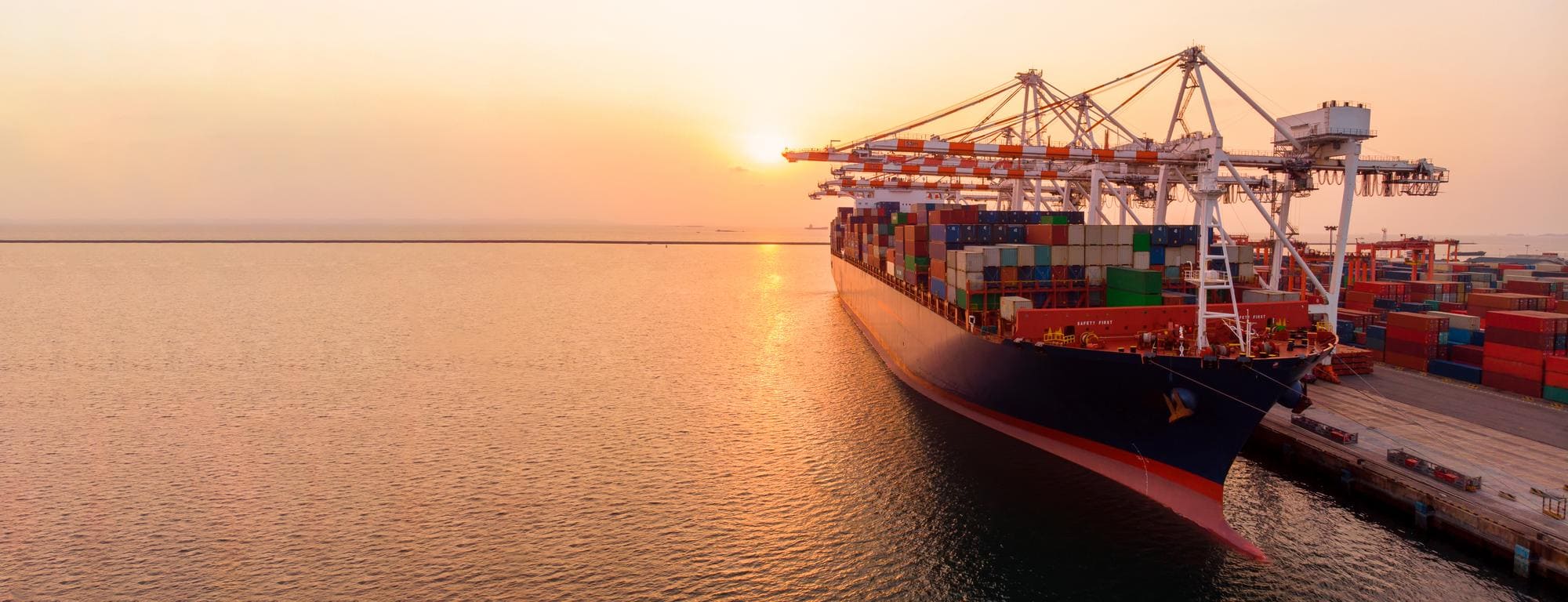
Jebel Ali is the most important container gateway in Dubai and one of the largest container ports in the region. DP World states that the port is connected by more than 80 weekly services to over 150 ports worldwide, with infrastructure for containers, general cargo, Ro-Ro, project cargo, storage, and inland transport.
This makes Jebel Ali a practical destination for freight moving to Dubai and many locations in the Northern Emirates. Cargo arriving there can continue by truck to a warehouse, distribution center, industrial zone, or consignee address.
Khalifa Port is another major option, particularly for cargo connected with Abu Dhabi. The port is a deep-water multipurpose facility positioned between Abu Dhabi and Dubai. Its container infrastructure is also connected with inland road and rail networks.
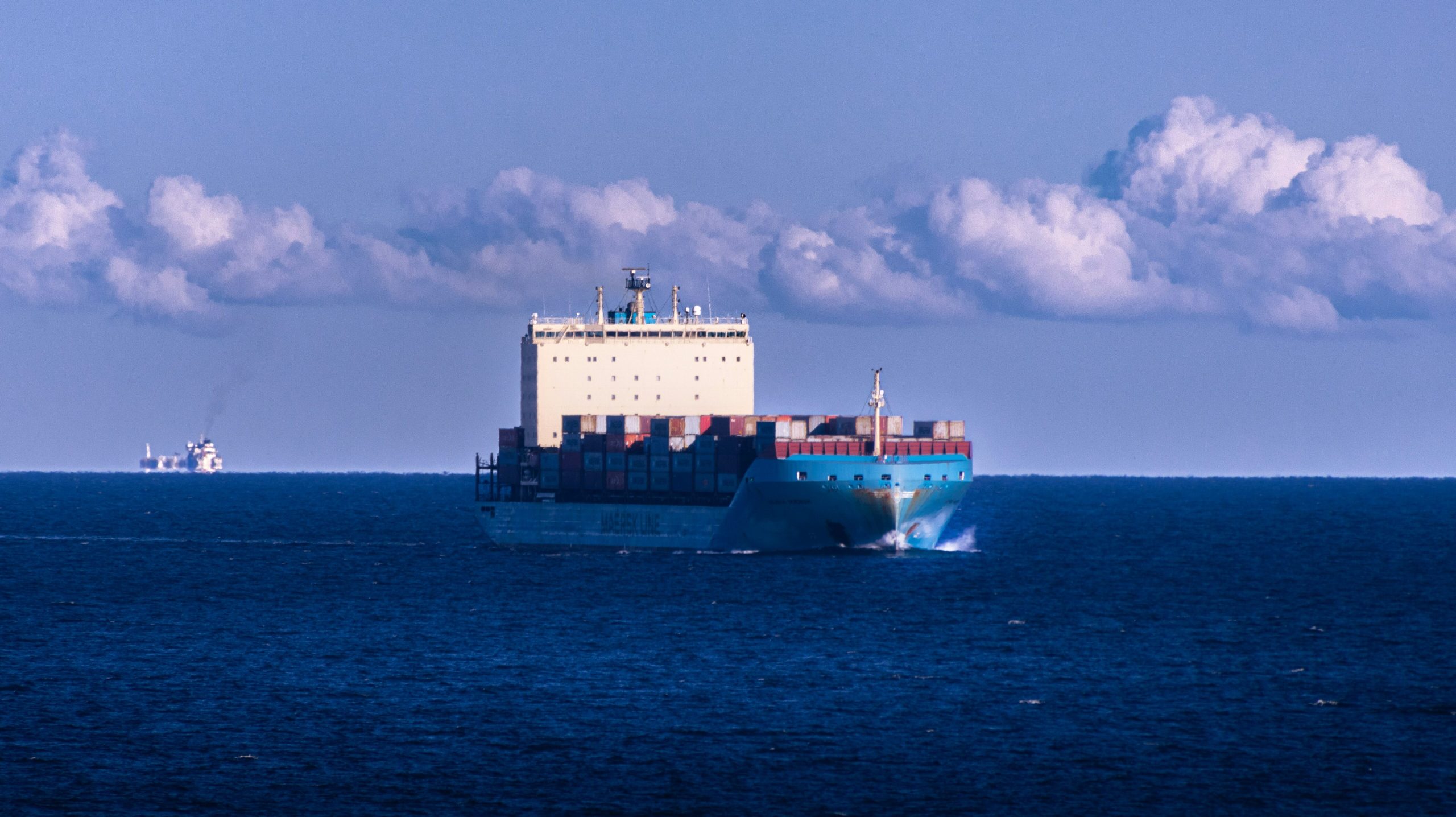
For containerized freight, the two main choices are FCL and LCL. FCL gives one shipper use of the complete container and is commonly selected for larger volumes, machinery, palletized inventory, or cargo that benefits from fewer handling points. LCL combines smaller shipments from different customers in one container and can make more sense when the volume does not justify booking a full unit.
The cheapest port-to-port rate is not always the best complete route. A shipment for Abu Dhabi that arrives in Dubai, or cargo for the Northern Emirates that enters farther south, may create additional inland costs. Port selection should therefore be based on the complete origin-to-destination movement rather than the ocean leg alone.
Oversized or heavy machinery may also require flat-rack, open-top, breakbulk, Ro-Ro, or project-cargo handling instead of a standard dry container. Equipment availability and inland transport restrictions should be checked before the ocean booking is confirmed.
Air Freight from USA to UAE through Dubai and Abu Dhabi
Air freight gives U.S. exporters several cargo gateways in the UAE.
Dubai International Airport (DXB) and Dubai World Central – Al Maktoum International Airport (DWC) both support cargo operations. Dubai Airports describes DWC as a major cargo facility with annual handling capacity of approximately 800,000 to 1.2 million tonnes. A dedicated bonded road connection also links DWC with Jebel Ali Port, allowing cargo to transfer between sea and air infrastructure.
Abu Dhabi is served by Zayed International Airport (AUH), which also operates as an international cargo gateway. Abu Dhabi Airports reports cargo connections to markets across Asia, Europe, Africa, and the Americas, while AUH continues to expand its freight infrastructure.
For freight from the USA, the routing may use a direct flight where suitable capacity exists or move through an intermediate airline hub. The actual schedule depends on origin airport, cargo dimensions, airline capacity, commodity, and required service level.
Air freight charges are normally based on chargeable weight, which compares actual gross weight with volumetric weight. A large but lightweight crate can therefore cost more than its scale weight alone would suggest.
Piece dimensions also matter. Oversized components, dangerous goods, lithium batteries, temperature-controlled products, pharmaceuticals, and other specialized cargo may require specific packaging, documentation, airline approval, or handling arrangements before acceptance.
Published shipping estimates commonly place air freight between major U.S. gateways and the UAE in the range of several days, but this should be treated as a planning estimate rather than a guaranteed door-to-door transit time. Pickup, airline connections, customs clearance, inspection, and final delivery all affect the complete schedule.
UAE Customs Clearance, Duties and Import Documents
Customs requirements should be checked before the shipment leaves the United States, especially for products that need an import permit or approval from another UAE authority.
Under the GCC Common Customs Tariff, the standard customs duty for many foreign goods entering from outside the GCC is 5%. The duty is generally calculated on the value of the goods plus freight and insurance. Some goods are exempt, while other categories can carry different rates.
VAT is generally charged at 5% on taxable transactions, including applicable imports, although the treatment of a specific shipment depends on the importer, commodity, customs procedure, and applicable UAE tax rules.
For a commercial import through Dubai, documentation can include:
-
commercial invoice;
-
packing list;
-
bill of lading for ocean freight or air waybill for air freight;
-
certificate of origin;
-
delivery order where applicable;
-
permits or approvals for restricted products.
Document requirements can vary according to the cargo channel and declaration type.
Restricted commodities need additional attention. UAE authorities identify regulated categories that include pharmaceuticals and medical equipment, food products, live animals and plants, pesticides, radio and telecommunications equipment, certain chemicals, weapons and explosives, and other controlled products. Approval may be required from the relevant government authority before customs releases the shipment.
Current customs information can be checked through the Federal Authority for Identity, Citizenship, Customs & Port Security and Dubai Customs.
Free Zones, Mainland Delivery and Inland Freight in the UAE
The UAE’s free-zone network can affect how a shipment is routed after arrival.
Jebel Ali Port is directly connected with Jebel Ali Free Zone, making the area especially relevant for companies importing goods for storage, processing, distribution, or later re-export. Cargo entering a free zone is not always treated the same way as goods released directly into the UAE mainland.
Federal customs guidance states that goods imported from a free zone become subject to the applicable customs duty when they leave the zone for the GCC customs territory. The correct customs procedure therefore depends on whether the goods remain inside the free zone, are re-exported, or are eventually delivered into the UAE mainland.
For normal mainland deliveries, trucking completes much of the final movement from the port or airport.
A container arriving at Jebel Ali may continue to Dubai, Sharjah, Ajman, Ras Al Khaimah, or another emirate. Freight entering through Khalifa Port or AUH can similarly continue by road to Abu Dhabi industrial areas or other UAE destinations.
This is where ground freight becomes relevant for USA-to-UAE shipments. It is usually an inland stage of the complete air or ocean shipment rather than an alternative to the international leg.
The delivery location should therefore be known before the route is priced. Port charges, container drayage, warehouse handling, customs clearance, waiting time, and final-mile trucking can materially change the complete cost.
Shipping Cost and Transit Planning from USA to UAE
There is no single freight rate for shipping from the USA to the UAE.
Ocean pricing depends on the U.S. origin, export port, container size, FCL or LCL service, destination port, carrier schedule, cargo type, and inland delivery requirements. Air pricing depends heavily on chargeable weight, dimensions, airline routing, available capacity, and the urgency of the shipment.
Published lane guides often place ocean freight to the UAE at roughly several weeks port to port, with the East Coast generally offering a different schedule from the West Coast or Gulf Coast. Air freight can reduce the international transportation stage to several days. These figures are useful for initial planning, but they should not be treated as fixed promises because carrier schedules and connections change.
A complete quote may also include U.S. pickup, export handling, terminal charges, international freight, destination handling, customs-related services, and delivery from the UAE port or airport to the final address.
RAM’s Freight Rate Calculator can be used to estimate the shipment based on the actual cargo and route rather than relying on a generic country rate.
For an accurate quote, RAM will need the commodity, number of pieces or pallets, dimensions, gross weight, U.S. origin, final UAE destination, cargo-ready date, and preferred transport mode. Additional details may be required for dangerous goods, vehicles, oversized machinery, pharmaceuticals, food products, batteries, chemicals, or other regulated cargo.
RAM coordinates the ocean carrier or airline booking together with the related freight services rather than operating the vessel, aircraft, or truck itself.
Request a quote for shipping from the USA to the United Arab Emirates based on your cargo, origin, destination, and required delivery schedule.