
Freight from the United States to Malaysia can move by ocean or air, but the Malaysian destination should be known before the route is selected. Cargo for Kuala Lumpur, Johor, Penang, Sabah, or Sarawak does not necessarily use the same port or airport.
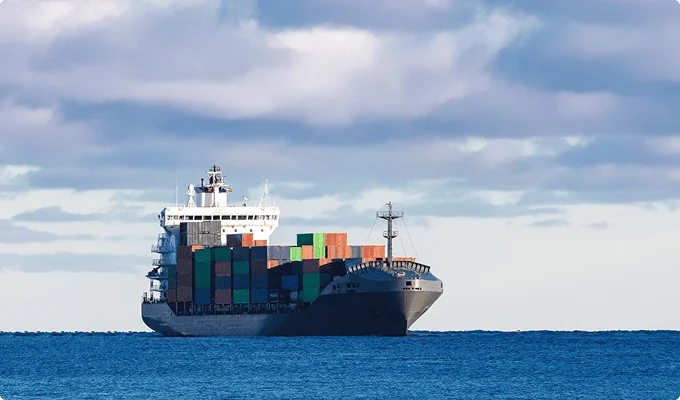
Ocean freight is commonly used for commercial inventory, machinery, industrial equipment, automotive cargo, raw materials, and palletized goods. Air freight is used for urgent replacement parts, electronics, medical products, samples, production components, and other shipments where a shorter transport schedule matters.
RAM International Shipping works as a freight forwarder rather than the vessel-operating carrier or airline. RAM arranges ocean freight with shipping lines as a licensed NVOCC and coordinates air cargo through airline agreements as an IATA-licensed agent. The international vessel or aircraft is operated by the carrier booked for the shipment.
Shipping from USA to Malaysia Through Port Klang and Tanjung Pelepas
Port Klang is Malaysia’s principal maritime gateway and national load centre. Its two major terminal operators, Northport and Westports, handle containers alongside breakbulk, dry bulk, liquid bulk, vehicles, and other cargo. Port Klang Authority recorded 14.64 million TEU in 2024, illustrating the scale of its container operations.
For freight going to Kuala Lumpur, Selangor, and much of central Peninsular Malaysia, Port Klang is often one of the first arrival points to compare.
The Port of Tanjung Pelepas, or PTP, is located in Johor near the Strait of Malacca. It is particularly important for container traffic and transshipment. PTP reports more than 30 shipping lines and operators, connections with over 300 ports, and 14 container berths. In 2025, the terminal handled more than 14 million TEU.
PTP can be relevant for freight destined for Johor and southern Peninsular Malaysia, although carrier routing and the final delivery location still need to be checked.
Penang is another option for northern Malaysia. Current USA-to-Malaysia freight pages also regularly cover Port Klang, Tanjung Pelepas, Penang, and Johor gateways rather than treating Malaysia as a one-port destination.
Malaysia’s geography also matters outside the peninsula. Sabah and Sarawak are on the island of Borneo, separated from Peninsular Malaysia by the South China Sea. Cargo for East Malaysia may use a regional port or another domestic sea or air connection instead of following the same routing as a shipment to Kuala Lumpur.
The consignee city or facility should therefore be included when requesting a rate.
Air Freight from USA to Malaysia via Kuala Lumpur
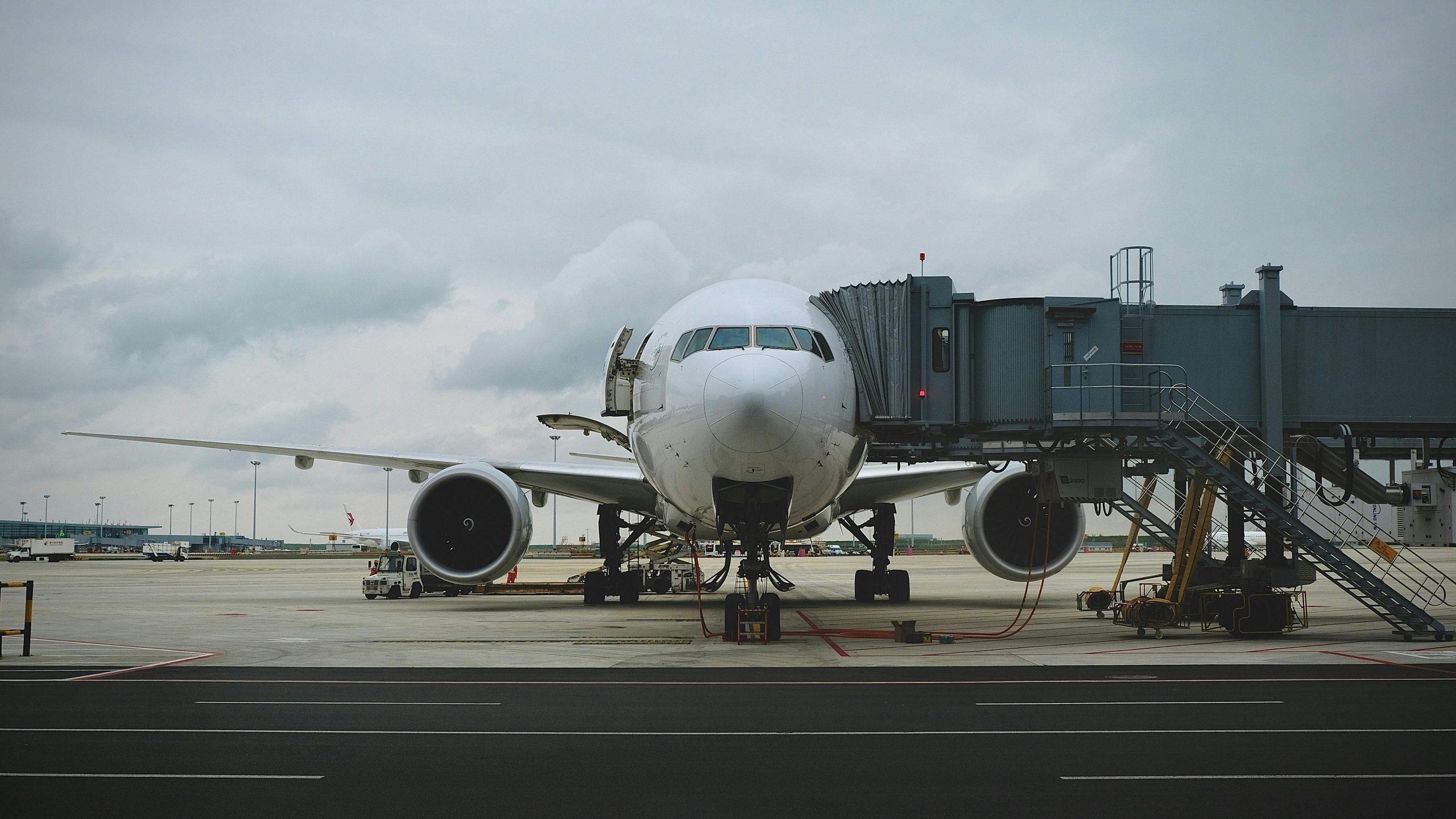
Air freight is used when an ocean schedule is too long for the shipment.
Kuala Lumpur International Airport is Malaysia’s main international aviation gateway and has substantial dedicated cargo infrastructure. MASkargo operates its Advanced Cargo Centre at KLIA within a Free Commercial Zone. The facility handles general cargo as well as specialized freight and includes dedicated operations for perishables and other cargo requiring specific handling.
Air cargo may include spare parts, electronics, pharmaceuticals, medical equipment, samples, high-value components, and inventory required for production or sales deadlines.
Airline rates are based largely on chargeable weight. The carrier compares actual gross weight with volumetric weight, so a large lightweight crate can be billed at a higher weight than the number measured on a scale.
Dimensions also need to be checked before booking. A piece may be acceptable by total weight but too large for the aircraft door, pallet system, or loading equipment available on the route.
Lithium batteries, dangerous goods, pharmaceuticals, perishables, temperature-sensitive products, and oversized pieces can require additional documents, packaging, or airline approval.
RAM coordinates these shipments through airline agreements rather than operating aircraft. Depending on the cargo, the booking may involve standard air freight, consolidation, time-critical service, charter arrangements, dangerous-goods handling, or temperature-controlled transportation.
FCL, LCL and Specialized Ocean Freight to Malaysia
Full Container Load gives one shipper the use of the complete container. It is commonly used for several pallets, commercial inventory, machinery, industrial materials, automotive products, and other larger loads.
Less than Container Load allows smaller shipments from several customers to share container space. It can be useful when the cargo does not justify booking an entire container.
LCL includes more handling than FCL. Individual shipments need to be consolidated before departure and deconsolidated after arrival. Those stages can add both time and handling charges.
Standard dry containers cover a large share of commercial freight, but they are not suitable for every shipment.
Large machinery, construction equipment, or out-of-gauge cargo may require a flat rack, open-top container, breakbulk arrangement, or project-cargo service. Wheeled equipment may also move through RoRo service where a suitable carrier route is available.
RAM coordinates these services with ocean carriers. The shipment can also require packing, crating, warehousing, consolidation, or transloading before export from the United States.
For machinery or oversized equipment, exact length, width, height, gross weight, and loading details should be supplied before equipment is booked. Approximate measurements can change both the equipment choice and the carrier’s rate.
Malaysia Customs Clearance and Import Documents
Commercial cargo entering Malaysia must be declared to the Royal Malaysian Customs Department.
Current Malaysian import procedures use Customs Form No. 1 for imported goods. Under Malaysia’s Pre-Arrival Processing procedure, the import declaration can be submitted before the vessel or aircraft arrives, together with any required licenses, permits, or approvals. Customs then reviews the declaration and determines whether the cargo can receive immediate release or needs physical examination.
For a standard commercial shipment, documents can include:
- Customs Form No. 1;
- commercial invoice;
- packing list;
- bill of lading or air waybill;
- insurance or transaction documents where applicable;
- import permits, licenses, or certificates where required.
Current U.S. government guidance also states that Malaysian customs declarations are submitted electronically through the country’s customs system and that applicable duties and taxes must be paid before cargo is released.
Official import-procedure information is available from the Royal Malaysian Customs Department — Import Procedure.
Malaysia does not apply one import-duty percentage to every commodity. Classification under the applicable tariff schedule determines the customs rate.
Malaysia also uses Sales and Service Tax (SST) rather than a VAT system. Sales tax is a single-stage tax imposed on taxable imported goods and locally manufactured taxable goods. The rate or exemption depends on the product classification and current Sales Tax orders.
The importer or customs broker should therefore confirm the HS classification before the cargo leaves the United States.
Import Permits and Restricted Goods in Malaysia
Most normal commercial cargo can be imported, but some products are prohibited or require a license or approval from another Malaysian authority.
Current 2026 trade guidance notes non-automatic import licensing across parts of the construction-equipment, agricultural, mineral, and motor-vehicle sectors. Other regulated products can also require permits depending on the commodity.
Food, plants, animals, pharmaceuticals, medical products, chemicals, telecommunications equipment, and controlled industrial goods can involve authorities outside Customs.
A carrier accepting the cargo does not mean the product automatically satisfies Malaysian import rules. The importer should check the HS code, import-control status, and required approvals before the shipment is booked.
Malaysia’s Customs legislation also contains specific Prohibition of Imports orders setting out goods that are prohibited, conditionally importable, or subject to licensing. The applicable rule needs to be checked against the actual product rather than a broad description such as “machinery” or “electronics.”
The destination within Malaysia can also affect the practical routing. Freight for Sabah or Sarawak may involve different destination handling from cargo going to Peninsular Malaysia, even when the customs classification itself is unchanged.
Shipping Cost, Transit Time and Freight Forwarding to Malaysia
Cost is a major part of current search demand for USA-to-Malaysia freight, and competitors commonly provide both FCL and LCL rates alongside transit estimates. Current market listings also show why one permanent country-level price or transit time would be misleading.
For example, recent FCL listings to Port Klang show different schedules from New York, Miami, and U.S. West Coast origins, while LCL can take longer because of consolidation and intermediate handling.
Ocean freight pricing can change according to U.S. origin, export port, Malaysian destination, FCL or LCL service, container type, weight, volume, carrier routing, equipment requirements, and current market conditions.
Air freight is more sensitive to chargeable weight, dimensions, airline capacity, airport pair, commodity, and urgency.
For an actual shipment, RAM’s Freight Rate Calculator can be used with the cargo and route details.
The international freight rate may not include every expense. Packing, crating, warehouse handling, terminal charges, insurance, customs brokerage, duties and sales tax, storage, specialized equipment, and destination services may be quoted separately.
Transit time should also be tied to the cargo-ready date. Ocean freight may move directly or through a transshipment hub. LCL adds consolidation and deconsolidation. Air cargo moves faster, but airline handling, possible connections, customs processing, and cargo release still affect the complete schedule.
RAM coordinates these movements as the freight forwarder. It books the international transportation with ocean carriers or airlines and can coordinate the other logistics services needed around the shipment.
For a quote, provide the commodity, number of pieces or pallets, exact dimensions, gross weight, U.S. origin, final destination in Malaysia, and cargo-ready date. Machinery, batteries, dangerous goods, pharmaceuticals, food products, chemicals, temperature-sensitive cargo, and oversized equipment can require additional information before booking.
The Malaysian importer should also verify the HS classification, customs declaration requirements, duties and SST treatment, and any licenses or permits required for the goods.
Request a quote for shipping from the USA to Malaysia based on your cargo, origin, destination, and required delivery schedule.