

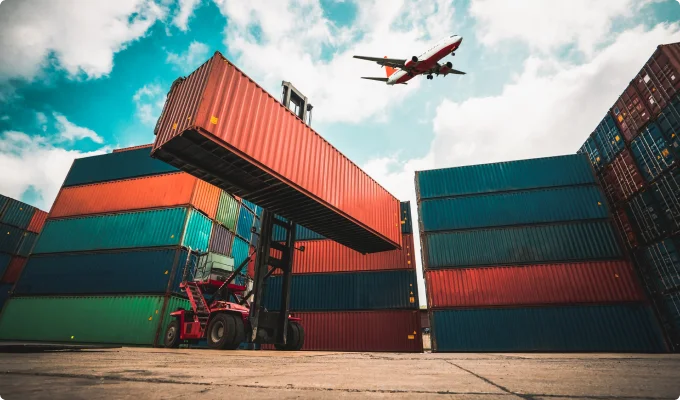
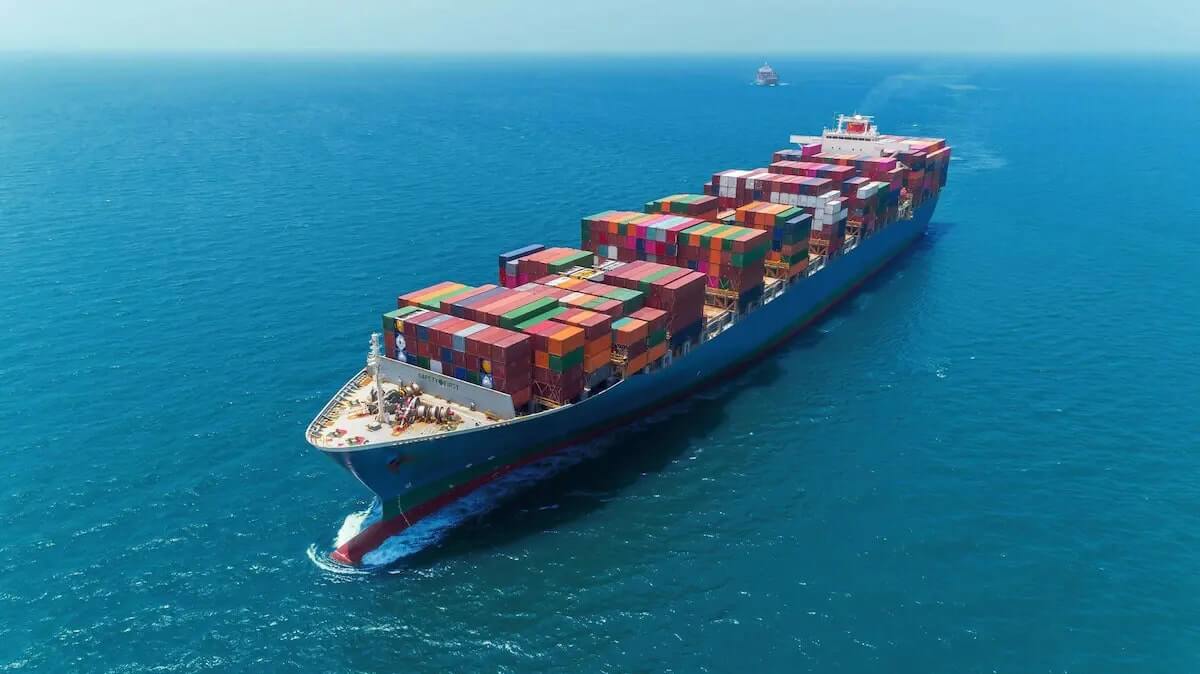
Shipping freight from the United States to Armenia requires a different route than shipping to a country with its own seaport. Armenia is landlocked, so ocean cargo cannot arrive directly at an Armenian port.
For larger shipments, ocean freight can move from the United States to a Black Sea port in Georgia and continue inland to Armenia. Poti is an important gateway for this traffic and has both road and rail connections into the region. Air cargo can arrive directly in Armenia through Zvartnots International Airport near Yerevan.
This gives shippers several transport combinations. Larger commercial loads, machinery, vehicles, and palletized cargo can use ocean freight with an inland leg. Air freight is generally better suited to urgent, higher-value, or smaller shipments.
RAM International Shipping acts as a freight forwarder rather than operating the vessel or aircraft. For ocean cargo, RAM works as a licensed NVOCC and arranges transportation with vessel-operating carriers. For air cargo, RAM is an IATA-licensed agent and coordinates shipments through airline agreements.
How Ocean Freight from USA to Armenia Reaches the Country
A container bound for Armenia normally needs more than one mode of transportation.
Cargo can first move by truck from the U.S. supplier or warehouse to an export port. The ocean portion then carries it to a regional gateway, after which the shipment continues overland into Armenia.
Poti Sea Port in Georgia is well positioned for this type of route. APM Terminals describes Poti as a European gateway for trade with Georgia, Armenia, and Azerbaijan. Its container terminal has on-dock rail connected to the Georgian railway network and onward markets including Armenia.
The inland stage matters when comparing freight options. A rate ending at Poti covers a different scope from a shipment arranged through to Yerevan or another Armenian city. Port handling, transit through Georgia, border procedures, and inland transportation can all affect the final cost and schedule.
For this reason, the final Armenian destination should be included from the beginning rather than quoting only the ocean leg.
FCL and LCL Shipping to Armenia via Georgia
Ocean freight can move as Full Container Load or Less than Container Load before continuing inland.
FCL gives one shipper the use of the complete container. It is commonly used for larger commercial shipments, multiple pallets, machinery, equipment, vehicles, and freight that is better kept together during transportation.
LCL is available when the cargo does not require a full container. Several shipments share the same container, allowing a company with a few pallets or crates to use ocean freight without booking the entire unit.
The LCL process includes consolidation before departure and deconsolidation later in the route. For Armenia-bound cargo, the handoff from the ocean portion to regional transportation also has to be planned.
Large machinery or equipment may not fit inside a standard dry container. Depending on the dimensions and loading method, cargo can require a flat rack, open-top container, RoRo service, or breakbulk arrangement.
RAM coordinates FCL, LCL, RoRo, project cargo, and oversized shipments with ocean carriers. Its ocean services also include flat racks, open tops, breakbulk arrangements, U.S. drayage, warehousing, packing, crating, and transloading.
The actual equipment and route should be selected after the dimensions, weight, cargo type, and final destination are known.
Air Freight from USA to Armenia Through Zvartnots Airport
Air freight avoids the ocean-to-ground transfer required for container shipments and is useful when delivery time is more important.
Zvartnots International Airport near Yerevan has a dedicated cargo terminal. The airport reports approximately 10,000 square meters of warehouse space, including 2,500 square meters of cold storage, 24-hour cargo handling, customs warehouse services, and facilities for special cargo.
The terminal handles general freight as well as dangerous goods, perishables, valuable cargo, and other special categories.
Air freight can therefore be considered for replacement parts, electronics, pharmaceuticals, samples, urgent inventory, high-value products, and other time-sensitive shipments.
Rates are affected by chargeable weight. Airlines compare actual weight with volumetric weight, so a large lightweight shipment can be charged at a higher weight than the scale reading alone would suggest.
Individual piece dimensions matter too. Large crates and machinery have to fit the aircraft doors, pallets, and loading systems available on the selected route.
RAM coordinates international air freight rather than operating aircraft. Its current air services include standard freight, consolidation, time-critical shipments, charter options, dangerous-goods handling support, perishables, temperature-sensitive cargo, and oversized equipment.
Ground Freight and the Inland Leg to Armenia
Ground transportation appears at both ends of many USA–Armenia shipments.
Inside the United States, cargo may need to move from the shipper’s facility to a warehouse, airport, rail terminal, or seaport before international departure. RAM coordinates nationwide pickup and inland transportation around its air and ocean freight services.
Ocean cargo has another inland stage after reaching Georgia.
Poti’s rail infrastructure connects with the Georgian railway network and onward markets including Armenia. Road transportation can also form part of the regional movement depending on the cargo, destination, and service selected.
This ground portion is handled by the relevant regional transport providers. RAM’s role as the freight forwarder is to coordinate the required stages rather than operate every truck, train, vessel, or aircraft used along the route.
For cargo going to Yerevan, Gyumri, or another inland destination, the quote should specify whether the service ends at the Georgian gateway or includes transportation through to the consignee.
Armenia Customs Requirements and Import Documents
Armenia is a member of the Eurasian Economic Union, and its customs rules operate alongside the EAEU Customs Code. Armenia’s national customs law specifically applies EAEU customs rules to goods moving across the Armenian border.
Commercial imports generally require a customs declaration. Depending on the shipment, supporting records can include a commercial invoice, packing list, transport documents, contracts, certificate of origin, import licenses, sanitary certificates, technical conformity documents, and other permits.
The exact list depends on the commodity.
Certain goods fall under EAEU restrictions, technical regulations, sanitary or phytosanitary controls, licensing requirements, or other product-specific rules. Food products, agricultural goods, chemicals, machinery, electronics, and other regulated categories can therefore require additional documentation.
The State Revenue Committee of the Republic of Armenia maintains the ExIm platform for checking these requirements by HS code or product name. It provides information on import, export and transit procedures, tariff and non-tariff measures, required permits, payment rates, and restrictions.
Armenia State Revenue Committee — ExIm platform
The platform itself notes that its information is provided for reference and that the applicable legislation remains controlling. The Armenian importer or customs representative should therefore verify the HS code and requirements for the specific goods before export.
Shipping Cost and Transit Time from USA to Armenia
Pricing for Armenia has an extra variable compared with a simple port-to-port shipment because ocean cargo usually needs transportation beyond the seaport.
For FCL and LCL freight, pricing can depend on the U.S. pickup point, departure port, container type, cargo volume and weight, ocean routing, Georgian gateway, terminal handling, and the inland leg into Armenia.
Air freight is affected more heavily by chargeable weight, dimensions, airline routing, available capacity, and required delivery speed.
RAM’s Freight Rate Calculator can be used as a starting point for checking available rates based on shipment information.
The international freight rate may not represent the complete landed logistics cost. U.S. pickup, warehousing, packing, terminal handling, customs services, duties and taxes, Georgian transit, storage, and final delivery can be separate items depending on the shipment.
Transit time also changes with the route. An ocean shipment may involve vessel transshipment before reaching the Black Sea, followed by port processing and inland transportation into Armenia. LCL adds consolidation and deconsolidation time.
Air freight removes much of that routing, but pickup, airline handling, customs clearance, and final delivery still affect the complete schedule.
For cargo with a required arrival date, the current carrier routing should be checked using the actual cargo-ready date.
Freight Forwarding from USA to Armenia with RAM International Shipping
Armenia-bound freight often involves several transport stages, especially when cargo moves by ocean.
RAM International Shipping coordinates these stages as a freight forwarder. Ocean shipments can involve U.S. pickup, FCL or LCL service with an ocean carrier, handling at the regional gateway, and onward transportation arrangements. Air cargo is coordinated through RAM’s airline agreements.
To prepare the shipment, provide the commodity, number of pieces or pallets, dimensions, gross weight, U.S. pickup location, final destination in Armenia, and cargo-ready date.
Vehicles, machinery, dangerous goods, temperature-sensitive products, and oversized cargo need additional information before equipment and routing can be confirmed.
For regulated goods, the Armenian importer should also check the HS classification, EAEU conformity requirements, permits, and customs documentation before the cargo leaves the United States.
Request a quote for shipping from the USA to Armenia based on your cargo, origin, destination, and required delivery schedule.