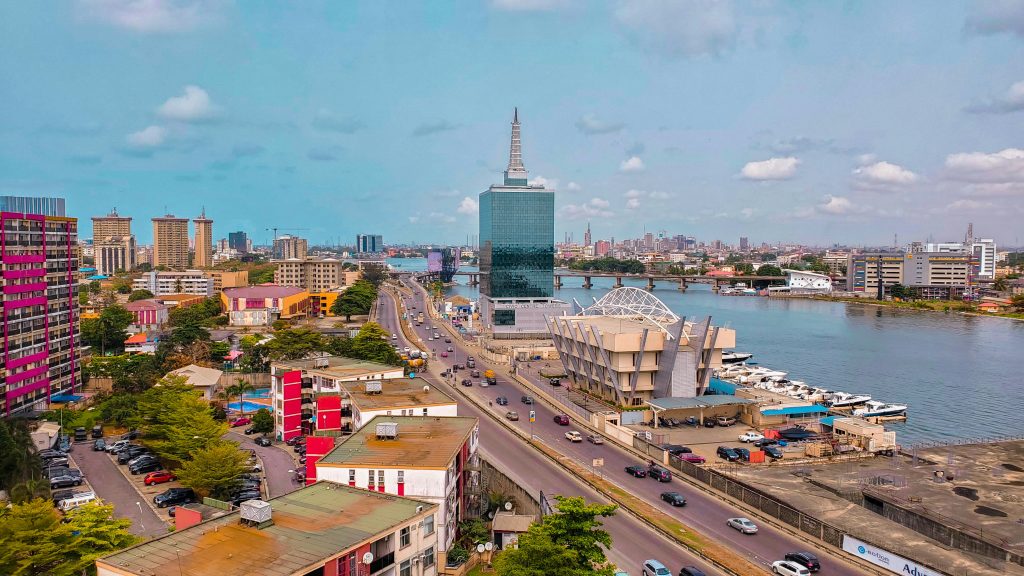

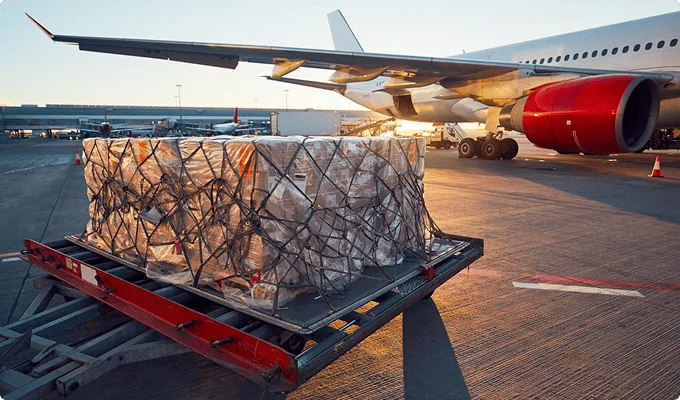
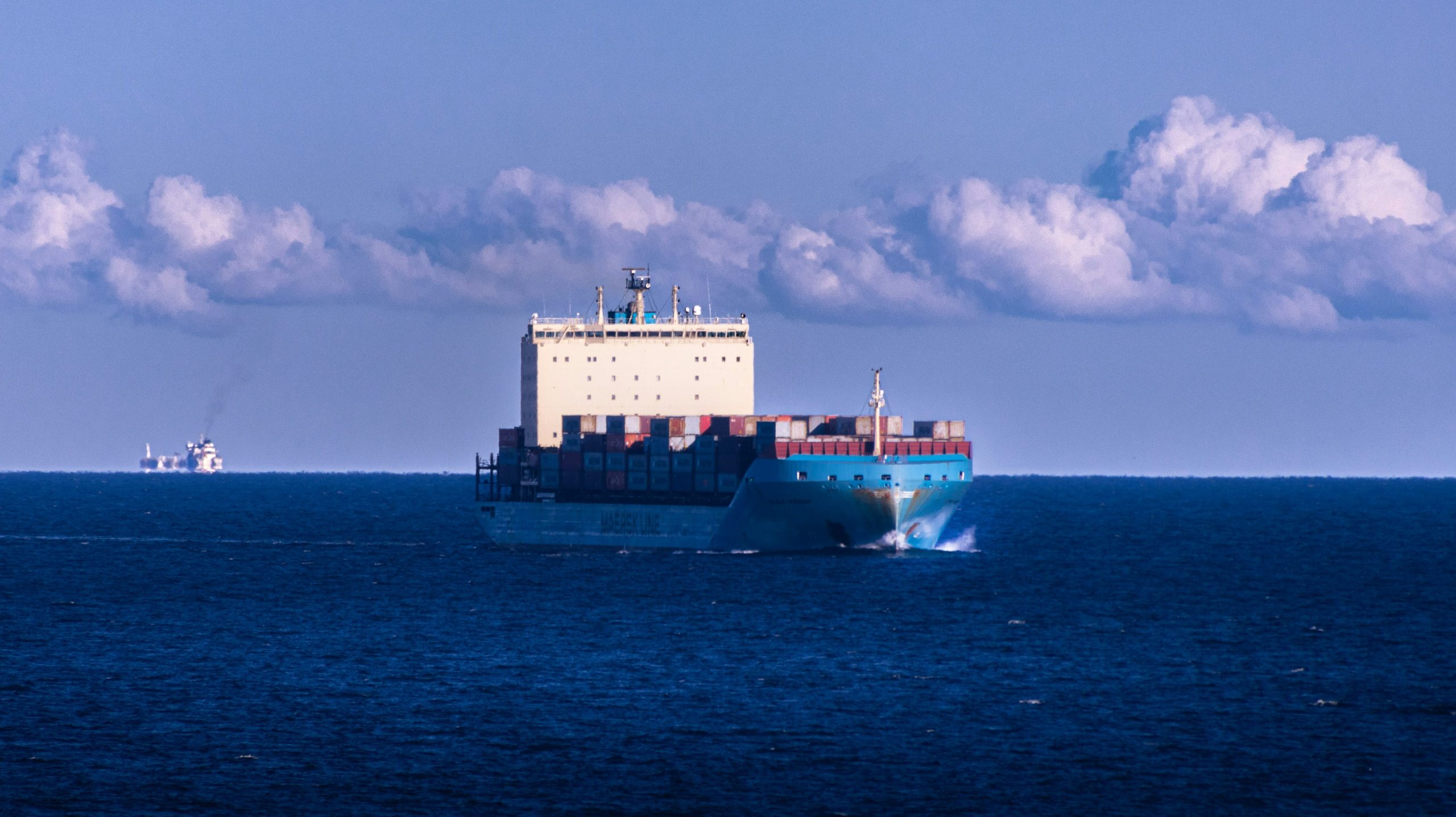
Freight from the United States can reach Ghana by sea through its commercial ports, including Tema and Takoradi, or by air through Kotoka International Airport in Accra. The best option depends on the cargo, delivery deadline, and final destination.
Ocean freight is commonly used for containers, pallets, vehicles, machinery, commercial stock, and other heavier shipments. Smaller ocean loads can move as Less than Container Load (LCL), while larger shipments can use a dedicated Full Container Load (FCL). Air freight is better suited to urgent goods, spare parts, higher-value cargo, and shipments where a shorter transit time matters.
RAM International Shipping coordinates both air and ocean freight from the United States. U.S. pickup, warehousing, packing, transloading, export documentation, and other supporting services can also be added where required.
Before booking cargo for Ghana, the arrival port, import documentation, cargo classification, and any product-specific permits should be checked. These details can affect both routing and customs clearance.
How Freight Shipping from USA to Ghana Usually Works
Routing depends first on the cargo details. Dimensions, weight, number of pieces, commodity, pickup location, and final destination in Ghana determine which services are practical.
For example, freight originating far from a U.S. export port may need domestic trucking before it can be loaded into a container. The same applies to air cargo that first has to reach an airport with suitable international freight service.
At the Ghana end, destination also matters. Tema is close to Accra and is Ghana’s largest port, making it an important gateway for containerized and general cargo. Takoradi serves the western part of the country and also plays a significant role in Ghana’s industrial and oil and gas logistics.
Cargo moving beyond the port or airport may then require inland transportation to Accra, Kumasi, Takoradi, Tema, or another destination.
A freight quote therefore needs more than the countries of origin and destination. Providing exact shipment details from the beginning gives a much clearer picture of the route and total cost.
Ocean Freight to Ghana: FCL, LCL, Tema and Takoradi
For larger shipments, ocean freight is usually the first option to compare. RAM handles FCL, LCL, project and oversized cargo, as well as Roll-on/Roll-off shipments where an appropriate service is available.
FCL gives one shipper the use of a full container. It is commonly used for larger commercial loads, machinery, multiple pallets, vehicles, and cargo that should remain together during the ocean move. Container selection depends on the dimensions, total weight, volume, loading method, and type of goods.
LCL works differently. Cargo from several shippers is consolidated into the same container, so a customer with only a few pallets or crates does not have to book the entire unit. Pricing is generally based largely on the amount of container space the freight occupies, together with origin, destination, handling, and other charges.
Most containerized imports into Ghana are associated with the Port of Tema. Ghana Ports and Harbours Authority identifies Tema as the country’s largest port and lists container ships, general cargo vessels, tankers, and Ro-Ro vessels among the traffic it handles. The port is roughly 30 km from Accra.
Takoradi is another established commercial port. It handles containerized and general cargo as well as bulk commodities and serves Ghana’s western regions. The port is also an important logistics base for the country’s offshore oil and gas sector.
The port should be selected based on current carrier service, cargo type, and the final delivery point in Ghana.
Air Freight from USA to Ghana through Accra
Air freight is used when waiting for an ocean sailing is not practical. It may be suitable for urgent commercial shipments, replacement components, electronics, medical supplies, samples, high-value products, and other time-sensitive cargo.
International air cargo normally enters through Kotoka International Airport in Accra. Ghana Airports Company Limited manages the airport and is responsible for facilitating aircraft, passenger, cargo, and mail movements at Ghanaian airports.
Air rates are based partly on chargeable weight. The airline compares actual weight with volumetric weight, which takes the dimensions of the shipment into account. A large but lightweight package can therefore be charged at a higher weight than the figure shown on the scale.
The dimensions of each piece are important for another reason: aircraft doors, pallets, loading systems, and aircraft types all have physical limits. Machinery or other unusually large pieces should be reviewed before the booking is confirmed.
Dangerous goods, batteries, pharmaceuticals, perishables, and temperature-sensitive cargo can also require additional handling or documentation. RAM’s air freight services include support for dangerous goods, specialized cargo, packing, crating, and temperature-sensitive shipments, but acceptance still depends on the commodity, airline, and route.
For an air freight quote, provide exact piece count, dimensions, gross weight, commodity description, pickup location, destination, and cargo-ready date.
Vehicles, Machinery and Regulated Cargo for Ghana
Vehicle shipping is also available on the USA–Ghana route, with Tema serving Ro-Ro vessels. RAM provides vehicle transportation and RoRo ocean freight services in addition to container shipping, although the available carrier and sailing should be confirmed for the individual shipment.
Ghana has specific customs rules for imported vehicles that are worth checking before a car is purchased or delivered to the export terminal.
One detail is often described incorrectly online. Vehicles more than ten years old are not simply covered by a blanket import ban under the rules currently in effect. Ghana’s Customs Act provides overage penalties based on vehicle age, and a 2026 review published by the Ministry of Trade states that proposed restrictions on the import of overaged vehicles had not been implemented.
Right-hand steering vehicles are treated differently. Ghana Revenue Authority states that their importation is prohibited unless special approval is granted by the Minister responsible for trade. Importers should also keep the vehicle title and shipping documents for clearance.
Other commodities can require prior approval as well. Ghana Revenue Authority classifies some imports as restricted rather than completely prohibited. Plants and plant products, for example, require the relevant agricultural approval, while other controlled goods can require permits from the responsible Ghanaian authority.
Food, cosmetics, and drugs regulated by Ghana’s Food and Drugs Authority have their own importer registration and permit procedures. These requirements should be checked before booking rather than after the freight reaches Ghana.
Ghana Customs Clearance and Import Documents
Ghana Revenue Authority publishes a specific list of documents for clearing imported goods. It includes the original waybill or Bill of Lading, an attested invoice, packing list, Import Declaration Form (IDF), and the importer’s Taxpayer Identification Number or GhanaCard PIN. Permits from agencies such as the FDA or Ghana Standards Authority are required when they apply to the goods.
Import processing is carried out through Ghana’s Integrated Customs Management System, commonly known as ICUMS. The importer or agent submits the customs declaration and supporting documents through the system, and the shipment can be subject to customs or regulatory inspection before release.
The paperwork needs to match the shipment. Incorrect quantities, values, consignee details, commodity descriptions, or HS classifications can create problems during clearance.
Import duties also vary by product. Ghana uses Harmonized System codes to classify goods and determine applicable duties and taxes. VAT applies to imported goods unless the particular import is exempt under Ghanaian law.
The freight rate and customs charges should be treated as separate parts of the total landed cost. Ocean or air transportation may be quoted before duties, taxes, terminal charges, storage, customs brokerage, or inland delivery in Ghana are known.
For regulated goods, the Ghanaian importer or customs representative should confirm the current permit and clearance requirements before the shipment departs.
Shipping Cost and Transit Time from USA to Ghana
Freight costs between the United States and Ghana vary considerably because the route can begin in any U.S. state and involve very different cargo.
For ocean freight, the main variables include FCL or LCL service, container type, shipment volume, weight, U.S. pickup point, export port, Ghanaian destination port, carrier rate, and any inland transportation. Project cargo, vehicles, and oversized machinery are priced according to their own dimensions and handling requirements.
Air freight depends heavily on chargeable weight, dimensions, routing, cargo type, and available airline capacity. Priority handling or special cargo requirements can increase the rate.
Transit times vary as well. Air freight normally moves much faster than ocean freight, but the flight or sailing time is only one part of the shipment. Pickup, consolidation, export handling, carrier schedules, customs clearance, and final delivery can all add time.
Ocean schedules may also include transshipment rather than a direct vessel movement. LCL cargo needs additional time for consolidation before departure and deconsolidation after arrival.
General transit estimates published online are useful for planning, but they should not be treated as guaranteed delivery dates. A current quote can match the cargo-ready date with the available airline or vessel schedule.
Shipping to Ghana with RAM International Shipping
RAM International Shipping coordinates air and ocean freight from the United States to international destinations including Ghana. Available ocean services include FCL, LCL, RoRo, project cargo, and oversized freight. Air services cover standard, time-critical, consolidated, and specialized cargo.
Shipments can also involve U.S. pickup, ground transportation, warehousing, packing and crating, transloading, export documentation, cargo insurance coordination, and final delivery services.
To request a rate for Ghana, provide the commodity, number of pieces or pallets, dimensions, gross weight, U.S. pickup location, destination in Ghana, and cargo-ready date. Vehicle shipments should include the vehicle details, while machinery and oversized freight may need drawings, photographs, or exact measurements before equipment and routing can be selected.
With those details, RAM can compare air, LCL, FCL, RoRo, or other available options based on the actual shipment rather than a general country-to-country rate.
Request a quote for shipping from the USA to Ghana to check current routing, carrier availability, and freight costs for your cargo.