

Freight from the United States to South Africa can move by ocean or air, but the route depends heavily on where the cargo needs to end up. South Africa has eight commercial seaports, while Johannesburg and much of Gauteng are located far inland. A shipment for Cape Town can therefore follow a very different route from cargo bound for Johannesburg, Durban, or the Eastern Cape.
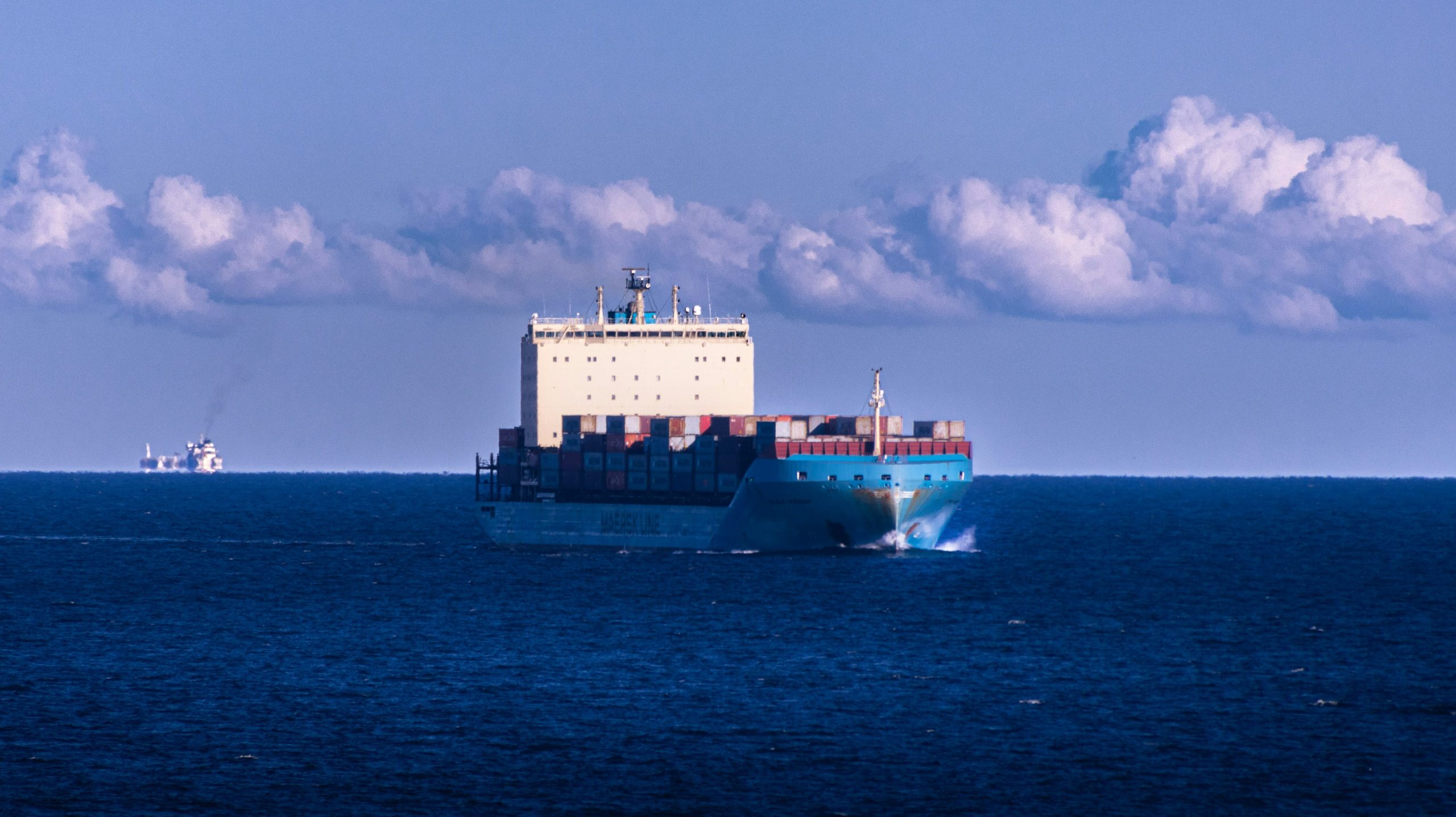
Ocean freight is commonly used for commercial inventory, machinery, pallets, vehicles, industrial equipment, and other larger shipments. Cargo can move as Full Container Load (FCL) or Less than Container Load (LCL). Air freight is generally used for more urgent shipments where a shorter transit time justifies the higher transportation cost.
RAM International Shipping works as a freight forwarder rather than the vessel-operating carrier or airline. For ocean freight, RAM is a licensed NVOCC and coordinates shipments with ocean carriers. For air freight, RAM operates as an IATA-licensed agent and arranges cargo through airline agreements.
Shipping from USA to South Africa Through the Right Port
South Africa’s port network includes Durban, Cape Town, Ngqura, Port Elizabeth, Richards Bay, East London, Saldanha, and Mossel Bay. Transnet National Ports Authority manages the country’s eight commercial seaports.
For containerized cargo, Transnet operates dedicated container terminals at Durban, Ngqura, Port Elizabeth, and Cape Town.
The most practical port depends on the final destination rather than simply choosing the largest facility.
Durban is an important option for cargo moving into KwaZulu-Natal and inland toward Gauteng. Cape Town serves the Western Cape and surrounding markets. Ngqura and Port Elizabeth provide access through the Eastern Cape.
Johannesburg presents a different logistics setup because it has no seaport. Ocean freight intended for Johannesburg must continue inland after arriving at a coastal port. The international ocean rate is therefore only part of the route.
Port selection can affect inland transportation cost, total transit time, container availability, and handling after arrival. Current carrier schedules should also be checked before booking, since the same U.S. origin may have different routing options depending on the shipping line.
Ocean Freight from USA to South Africa: FCL, LCL and Special Cargo
FCL is used when one shipper books the entire container. It is commonly considered for larger volumes, multiple pallets, machinery, commercial stock, and cargo that benefits from remaining together during the ocean move.
LCL allows several shipments to share one container. A company shipping a smaller number of pallets or crates can pay for the space it uses rather than booking a complete container.
LCL includes extra handling. Cargo has to be consolidated before export and separated from other shipments after arrival. That difference should be considered when comparing price and schedule with FCL.
Some freight does not fit a standard dry container. Machinery, vehicles, construction equipment, and other oversized cargo may require flat racks, open-top containers, RoRo, or breakbulk handling.
RAM coordinates FCL, LCL, RoRo, project, and oversized ocean shipments through vessel-operating carriers. The company also lists flat racks, open tops, breakbulk arrangements, drayage, transloading, packing, crating, and warehousing among its current ocean freight services. As an NVOCC, RAM can issue its own bills of lading.
That gives shippers the option to combine the international movement with cargo preparation and inland transportation in the United States instead of treating every stage as a separate booking.
Air Freight from USA to South Africa
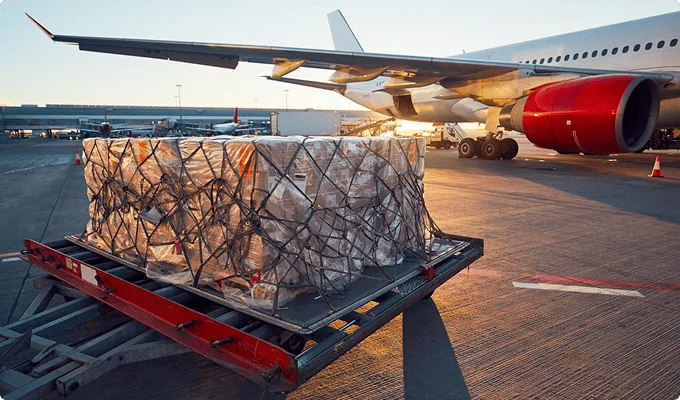
Air freight is usually considered for cargo that cannot wait for an ocean schedule. Replacement parts, electronics, medical supplies, samples, urgent inventory, high-value goods, and other time-sensitive products are common examples.
O.R. Tambo International Airport serves Johannesburg and is South Africa’s largest air gateway. Airports Company South Africa reports annual cargo-handling capacity of approximately 650,000 tonnes and direct access to the national road network.
Air freight rates are influenced by chargeable weight. Airlines compare the shipment’s actual weight with its volumetric weight, so dimensions can affect the rate as much as the scale weight.
Piece dimensions also determine whether cargo can fit the aircraft and handling equipment available on a particular route. Batteries, dangerous goods, pharmaceuticals, temperature-sensitive cargo, and oversized pieces may require additional review before space is confirmed.
RAM coordinates standard air freight, consolidations, time-critical shipments, charters, dangerous-goods support, packing and crating, and temperature-sensitive cargo through its airline network. The company currently states that it has more than 60 airline agreements.
For an air freight quote, the useful starting information is the commodity, number of pieces, exact dimensions, gross weight, U.S. pickup point, South African destination, and cargo-ready date.
South Africa Customs Clearance and Import Requirements
Goods imported into South Africa must be declared to Customs. SARS states that the clearance process includes checking the customs declaration against supporting documents such as the invoice, bill of lading, certificate of origin, and permits where applicable. Customs may examine the cargo, request additional information, assess duties and VAT, or refer regulated goods to another government authority.
Importers must also be registered with SARS. A foreign person or company that wishes to import goods into South Africa in its own name must register as an importer and nominate a registered agent located in South Africa. The registered agent assumes customs responsibilities on behalf of the foreign principal.
Current customs registration, import procedures, duties, and restricted-goods information can be checked directly through the South African Revenue Service (SARS).
Most new goods are not subject to South Africa’s general import-control measures. Controlled goods, used or second-hand goods, waste, and scrap are treated differently and can require an import permit from the International Trade Administration Commission, or ITAC.
The importer should therefore check the HS classification and product-specific requirements before cargo leaves the United States. A shipment accepted by an ocean carrier or airline may still require a permit or approval before it can be legally cleared in South Africa.
Used Goods and Vehicle Shipping to South Africa
Used goods need more preparation than ordinary new commercial merchandise.
South African government guidance states that all used and second-hand goods, waste, and scrap are subject to import-control measures. Importers dealing with these categories generally need to register with SARS and apply to ITAC for the appropriate import permit.
Used motor vehicles have additional restrictions.
A second-hand vehicle can only be imported when an import permit has been granted. South Africa issues these permits under defined circumstances rather than allowing unrestricted imports of used vehicles.
Returning South African nationals and immigrants with permanent residence are among the main groups that may qualify to bring vehicles registered in their names. Other possible categories include certain racing cars, vintage vehicles, specially designed vehicles, and inherited vehicles.
A Letter of Authority from the National Regulator for Compulsory Specifications is also required for imported new or used vehicles, goods vehicles, trailers, and certain special vehicles.
SARS has additionally listed customs clearance documents, the NRCS Letter of Authority, an ITAC import permit, and an Interpol Clearance Certificate among the documents required for legal importation of a second-hand vehicle.
For a vehicle purchased in the United States, import eligibility should be confirmed before auction pickup, trucking to the export port, or ocean booking. Being able to load the vehicle into a container or onto a RoRo vessel does not mean it qualifies for import into South Africa.
Shipping Cost and Transit Time from USA to South Africa
The cost of freight depends on the cargo and route.
Ocean pricing can vary according to FCL or LCL service, container type, shipment volume, weight, U.S. pickup location, export port, South African arrival port, and inland transportation.
Air freight is affected more heavily by chargeable weight, dimensions, route, airline capacity, cargo type, and urgency.
RAM’s Freight Rate Calculator can be used to check freight rate estimates by entering the origin, destination, shipping mode, container type, weight, volume, and other shipment details.
The international rate may not include every part of the shipment. U.S. pickup, warehouse handling, packing, port or airport charges, cargo insurance, customs services, duties and taxes, storage, and inland delivery can affect the total cost.
Transit time varies in the same way. Ocean cargo may move directly or through a transshipment hub, while LCL needs additional time for consolidation and deconsolidation.
Air freight has a shorter international transit, but the complete schedule still includes pickup, export processing, airline handling, customs clearance, and delivery after arrival.
If cargo has a fixed deadline, the schedule should be checked against the actual cargo-ready date rather than relying on a general USA–South Africa transit estimate.
Freight Forwarding from USA to South Africa with RAM International Shipping
RAM International Shipping coordinates the transportation stages involved in moving freight from the United States to South Africa rather than operating the international vessel or aircraft.
For ocean freight, RAM works as a licensed NVOCC and arranges FCL, LCL, RoRo, project cargo, and oversized shipments through ocean carriers.
For air freight, RAM is an IATA-licensed agent and arranges standard, consolidated, urgent, and specialized cargo through airline agreements.
Cargo can also be handled before the international departure. RAM provides or coordinates U.S. drayage, pickup, warehousing, transloading, packing, crating, and movement to ports and airports.
To prepare a South Africa shipment, provide the commodity, piece or pallet count, dimensions, gross weight, U.S. pickup location, final destination, and cargo-ready date. Used goods, vehicles, machinery, dangerous goods, and oversized freight need additional information before routing is confirmed.
The South African importer should also check SARS registration and any applicable ITAC, NRCS, or product-specific requirements before the cargo is released for export.
Request a quote for shipping from the USA to South Africa based on your cargo, origin, destination, and required delivery schedule.