
Shipping from USA to Nepal: Air, Ocean and Ground Freight
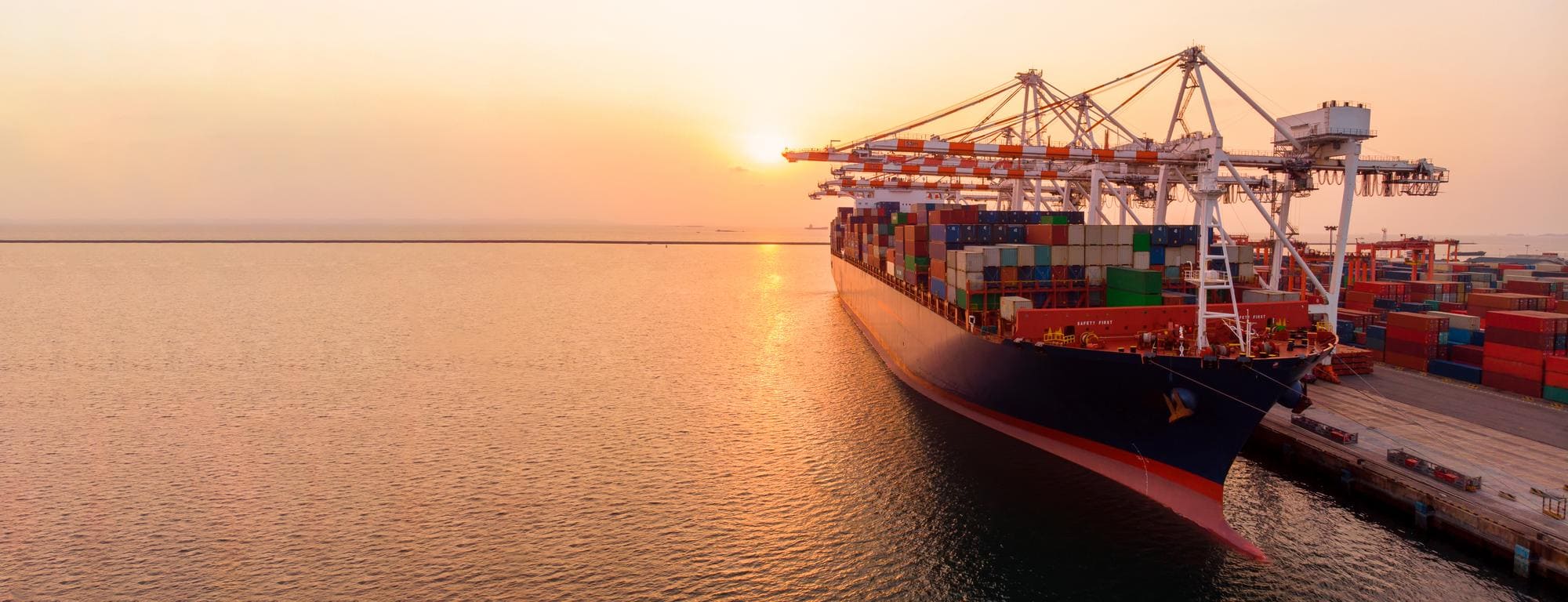
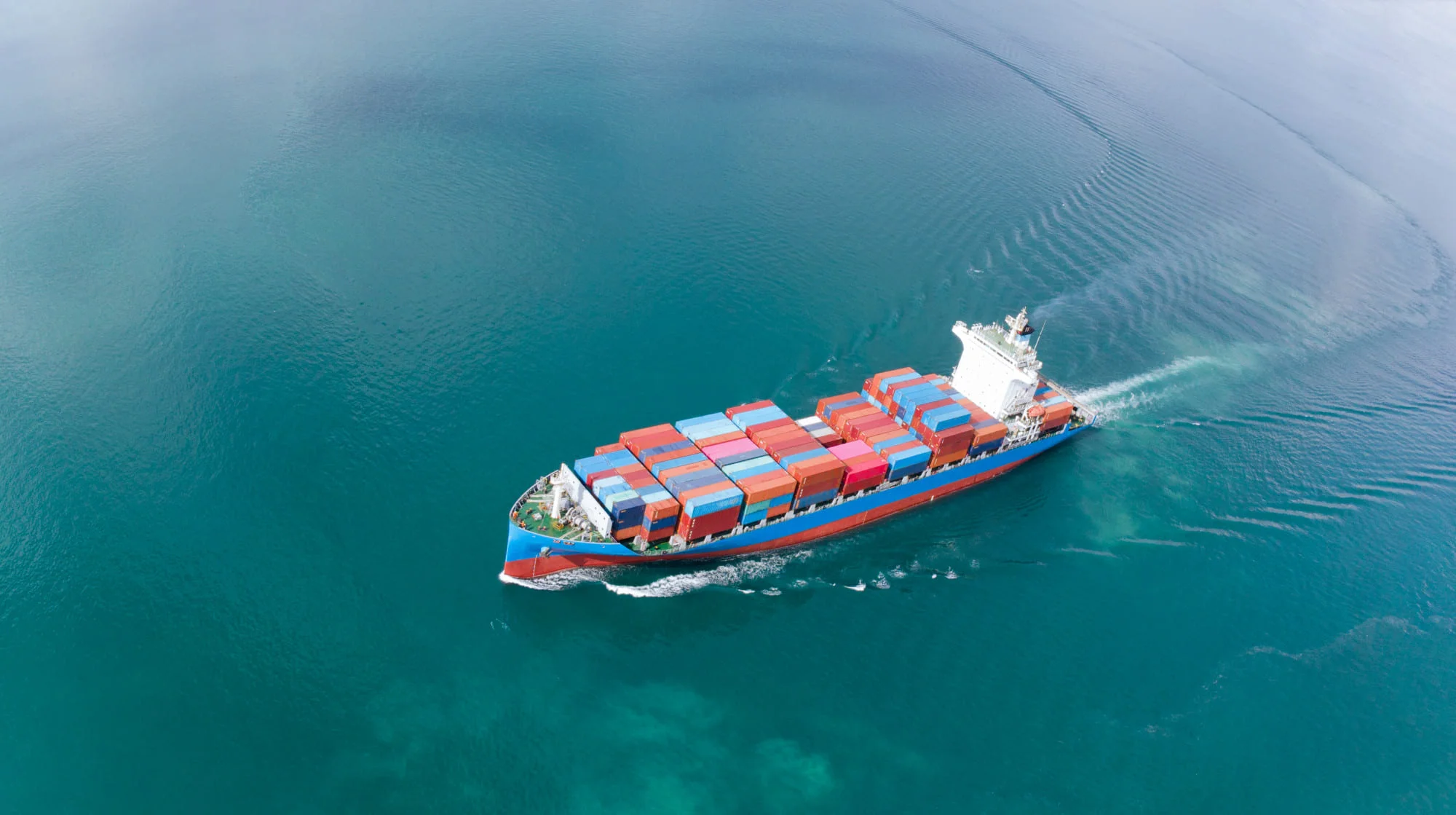
Shipping commercial freight from the United States to Nepal usually means choosing between air freight and a multimodal ocean route. Nepal is landlocked, so there is no Nepalese seaport where a container from the United States can be discharged.
Large shipments can travel by ocean to India and continue to Nepal by rail or truck. Air cargo usually enters through Kathmandu and avoids the port and cross-border stages required for an ocean shipment.
Ocean and multimodal freight are commonly used for machinery, commercial inventory, industrial equipment, raw materials, construction materials, and palletized cargo. Air freight is more suitable for urgent spare parts, electronics, medical products, samples, and other shipments with shorter delivery deadlines.
RAM International Shipping works as a freight forwarder rather than the vessel, airline, rail, or trucking operator. RAM books ocean transportation with vessel-operating carriers as a licensed NVOCC and coordinates air freight through airline agreements as an IATA-licensed agent.
How Ocean Freight from USA to Nepal Reaches the Country
Ocean freight to Nepal has to pass through another country before reaching the Nepalese border.
India provides Nepal with established transit routes for overseas trade. Current Nepal–India transit arrangements include Kolkata, Haldia, and Visakhapatnam as gateway ports for Nepalese cargo. Nepal Transit & Warehousing Company also operates clearing and forwarding services for Nepalese imports and exports moving through Kolkata and Haldia.
Kolkata and Haldia are particularly important for Nepal-bound container traffic. The Nepal–India transit framework includes rail movement from Kolkata/Haldia through Raxaul to Birgunj in Nepal. Visakhapatnam is another approved gateway, with containerized transit cargo moving through India under the agreed customs and transport procedures.
Birgunj is one of Nepal’s principal inland freight gateways. The Birgunj Inland Container Depot is connected by rail with the Indian network through Raxaul and is equipped to handle containerized and non-containerized cargo arriving from Indian gateway ports.
The full route therefore has to be priced beyond the ocean leg. Port handling in India, rail or trucking, border procedures, terminal charges, and movement from the Nepalese gateway to the consignee all affect the final cost and schedule.
Official information on these transit services is available from Nepal Transit & Warehousing Company Limited.
FCL, LCL and Ground Freight to Nepal
Full Container Load is usually considered for machinery, multiple pallets, industrial materials, commercial stock, construction equipment, and other larger shipments. One shipper uses the complete container, which also reduces handling of individual pieces during the containerized part of the route.
Less than Container Load allows smaller shipments to share container space. The freight is consolidated before the international voyage and separated again later in the journey.
LCL can work well for several pallets or crates, but Nepal adds another consideration: the ocean movement is followed by an inland transit leg. Consolidation, deconsolidation, port handling, border movement, and final delivery all have to fit into the same routing.
Ground freight is therefore an actual part of ocean shipping to Nepal rather than an extra service added simply to mention trucking.
Official Nepal trade guidance states that bulk goods such as foodstuffs, machinery, vehicles, fertilizer, construction materials, and raw materials commonly arrive at Kolkata or Haldia by sea before continuing toward Nepal by truck or rail. The Raxaul–Birgunj crossing handles a substantial share of this traffic.
After entering Nepal, road transportation can continue to Kathmandu, Pokhara, Lalitpur, Bharatpur, Biratnagar, or another consignee location. The final city matters when quoting the shipment because Nepal’s terrain and road distances can affect delivery time and the equipment used.
Large machinery may require a flat rack, open-top container, breakbulk handling, or another project-cargo arrangement for the ocean portion. Dimensions and gross weight also matter for the truck or trailer used after the container reaches South Asia.
RAM coordinates FCL, LCL, oversized freight, project cargo, packing, crating, warehousing, consolidation, and transloading with the companies performing the individual parts of the move.
Air Freight from USA to Nepal Through Kathmandu
Air freight avoids the Indian seaport and cross-border transit stages and is normally used when delivery speed carries more weight than the lower cost of ocean transportation.
Tribhuvan International Airport in Kathmandu remains Nepal’s primary international air-cargo gateway. Nepal Transit & Warehousing Company currently operates air-cargo warehousing at Tribhuvan International Airport. The same government-owned company states that cargo-operation agreements also exist for Gautam Buddha and Pokhara international airports, but those warehouse operations have not yet commenced.
Air freight is commonly used for replacement components, electronics, medical equipment, pharmaceuticals, samples, high-value goods, and commercial stock needed on a short schedule.
Airlines calculate rates largely from chargeable weight. Actual gross weight is compared with volumetric weight, so large but light crates can be charged above their scale weight.
Individual dimensions must also be checked. Long crates, heavy industrial components, lithium batteries, dangerous goods, pharmaceuticals, perishables, and temperature-sensitive cargo can require additional handling, packaging, documentation, or airline approval.
RAM does not operate aircraft. It coordinates the airline booking and related cargo services through its airline network.
Nepal Customs Documents, EXIM Code, Duties and VAT
Commercial shipments entering Nepal require a customs declaration and supporting documents.
Nepal’s Department of Customs operates an EXIM Code system for importers and exporters, including registration and renewal through its electronic portal. Nepalese importers should confirm their registration and tax documentation before cargo is dispatched from the United States.
Current import guidance identifies documents such as:
- commercial invoice;
- Customs Declaration Form;
- certificate of origin;
- properly marked and labeled packaging;
- transport and packing documents applicable to the shipment;
- licenses, permits, or other approvals where the commodity requires them.
Nepalese traders also need the relevant import/export and taxpayer documentation for commercial clearance.
Nepal uses the Harmonized Tariff System for customs classification. Import duty rates vary substantially by commodity, with current rates ranging from zero to 80 percent. Most rates are ad valorem, and different treatment can apply to goods from SAARC countries and goods from other countries such as the United States.
The standard VAT rate on taxable imports is 13%. Current guidance states that import VAT is generally calculated on the CIF value plus applicable customs duty. Other taxes or fees can also apply depending on the product.
Nepal’s Department of Customs currently publishes its 2026–27 Customs Tariff online:
Nepal Department of Customs — Customs Tariff
The importer or customs broker should verify the HS code before shipment rather than applying an average duty estimate to the cargo.
Restricted Goods and Product Checks Before Shipping to Nepal
Many ordinary commercial goods can enter Nepal, but some categories are prohibited or require government authorization.
Current import guidance identifies restrictions covering narcotics, certain alcoholic products, arms and ammunition, explosives, specified communication equipment, valuable metals and jewelry, and certain other controlled goods. Some of these categories can be imported only with the required government license.
Used and refurbished products need particular attention.
Current U.S. trade guidance states that Nepal generally prohibits the import of used goods, with limited exceptions. A shipment described simply as used machinery, refurbished electronics, or second-hand equipment should therefore be checked before transportation is booked.
Vehicles are regulated as well. Current trade guidance states that vehicles imported into Nepal must meet the applicable Nepal vehicle-emission requirements. Vehicle eligibility should be confirmed against current rules before the vehicle is delivered to the U.S. export terminal.
Food, pharmaceuticals, chemicals, plants, telecommunications products, and other regulated commodities can involve additional government agencies and product-specific approvals.
An ocean carrier or airline accepting the cargo does not confirm that Nepalese Customs will permit its import. The importer should check classification, restrictions, and required approvals separately.
Shipping Cost, Transit Time and Freight Forwarding to Nepal
Cost is especially route-specific for Nepal because an ocean shipment combines international sea freight with transit through India and an inland movement into Nepal.
Ocean pricing can include the U.S. origin, export port, FCL or LCL service, Indian gateway port, container type, cargo weight and dimensions, rail or trucking, border handling, terminal services, and final delivery inside Nepal.
Air freight responds more heavily to chargeable weight, shipment dimensions, airline capacity, routing, cargo type, and urgency.
Competitors currently ranking for USA-to-Nepal freight searches cover both rates and transit times, but their published estimates vary widely. Some quote only the international transport, while others include Indian transit and delivery to Nepal. For a landlocked destination, those figures are not directly comparable.
RAM’s Freight Rate Calculator can be used with the actual cargo, origin, destination, weight, dimensions, and transport mode.
The freight rate may not include every expense connected with the move. Packing, crating, warehouse handling, terminal charges, insurance, customs brokerage, import duties and VAT, storage, border services, and delivery after customs clearance can be separate items.
Transit time should also be calculated from the actual route. An ocean shipment can involve vessel transshipment, port processing in India, rail or road connections, border procedures, and delivery inside Nepal. LCL requires additional time for consolidation and deconsolidation.
Air cargo has fewer transport stages but can still involve connecting flights, airline handling, customs processing, and terminal release.
RAM coordinates these carrier bookings and logistics stages as the freight forwarder rather than operating each transport mode itself.
For a quote, provide the commodity, number of pieces or pallets, exact dimensions, gross weight, U.S. origin, final destination in Nepal, and cargo-ready date. Machinery, dangerous goods, batteries, pharmaceuticals, food products, used equipment, and oversized cargo can require additional information before routing is confirmed.
The Nepalese importer should also check its EXIM registration, HS classification, customs documents, duty and VAT treatment, import restrictions, and any permits required for the commodity.
Request a quote for shipping from the USA to Nepal based on your cargo, origin, destination, and required delivery schedule.