Shipping from USA to Vietnam: Ocean and Air Freight
Shipping freight from the United States to Vietnam involves more than selecting an ocean carrier or booking an international flight. Vietnam has several major cargo gateways spread across the country, and the location of the final consignee can make a considerable difference to the route.
A shipment destined for a factory near Hanoi will usually require a different transportation arrangement from cargo moving to Ho Chi Minh City or an industrial facility in central Vietnam.
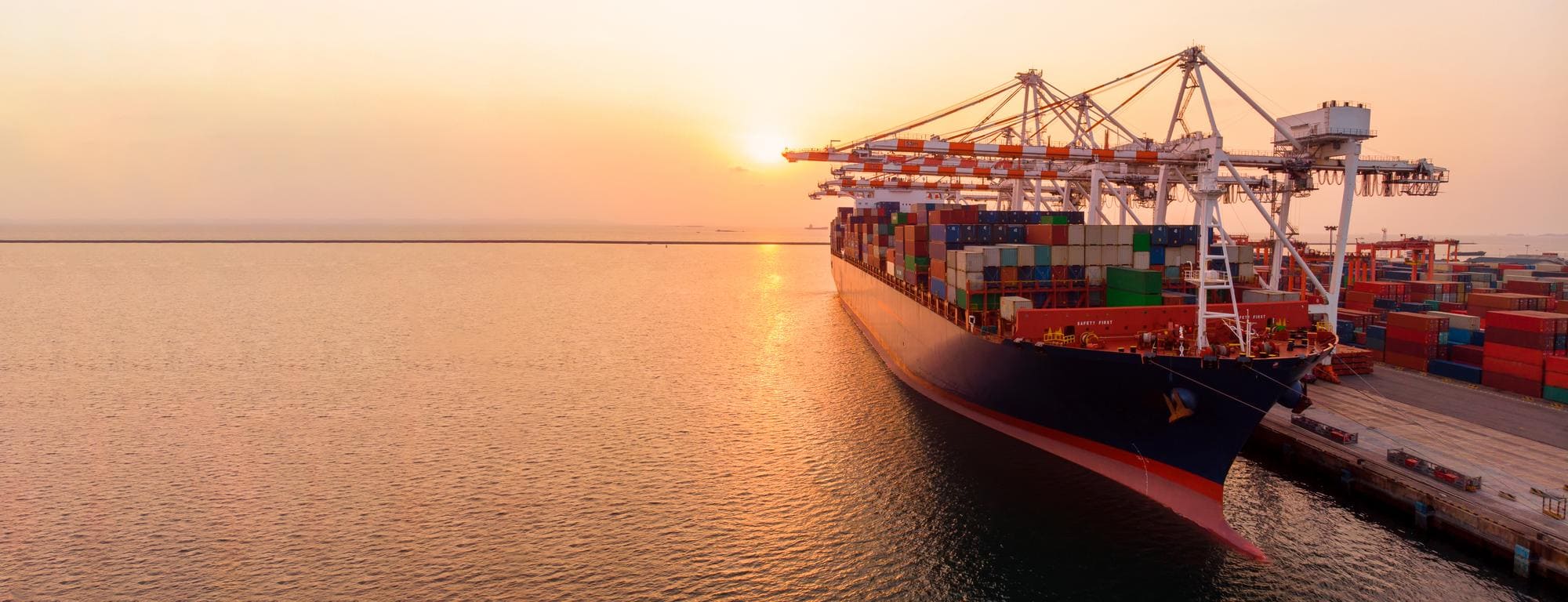
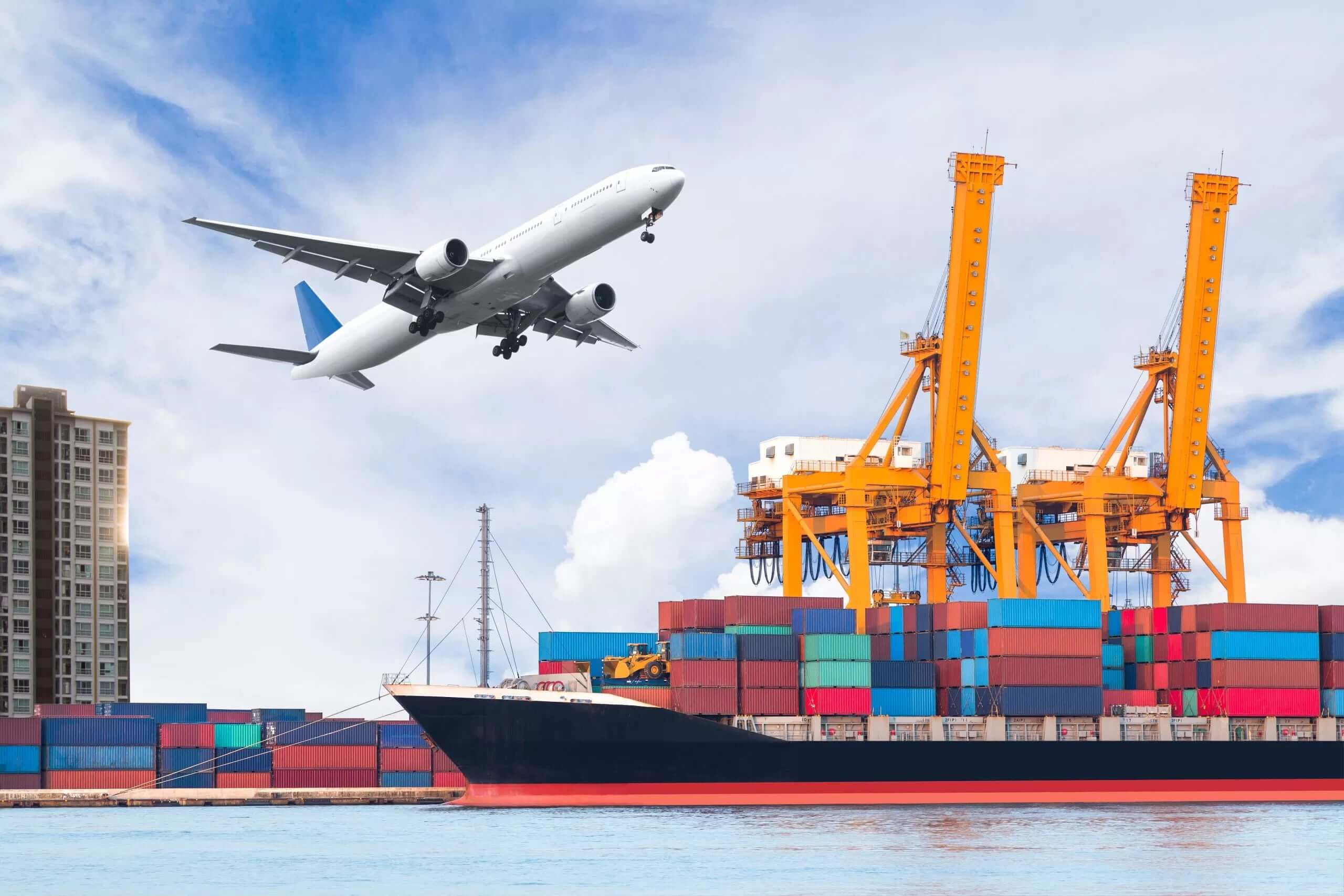
Ocean freight is commonly used for machinery, manufacturing equipment, industrial materials, commercial inventory, automotive components, and other large shipments. Air freight is generally the better option for urgent spare parts, electronics, medical equipment, samples, and products with strict delivery deadlines.
The United States and Vietnam are connected through established international shipping services, although individual carrier schedules may include transshipment through other Asian ports. Choosing the right U.S. departure point and Vietnamese arrival terminal helps avoid unnecessary inland transportation and additional handling.
RAM International Shipping works as a freight forwarder, arranging international transportation rather than operating the ocean vessels or aircraft. As a licensed NVOCC, RAM coordinates ocean shipments with vessel-operating carriers, while its IATA-licensed air freight operation arranges transportation through airline partners.
Ocean Freight from USA to Vietnam: Choosing the Right Port
Vietnam’s main container gateways are concentrated in the north and south, where much of the country’s international trade and industrial activity takes place.
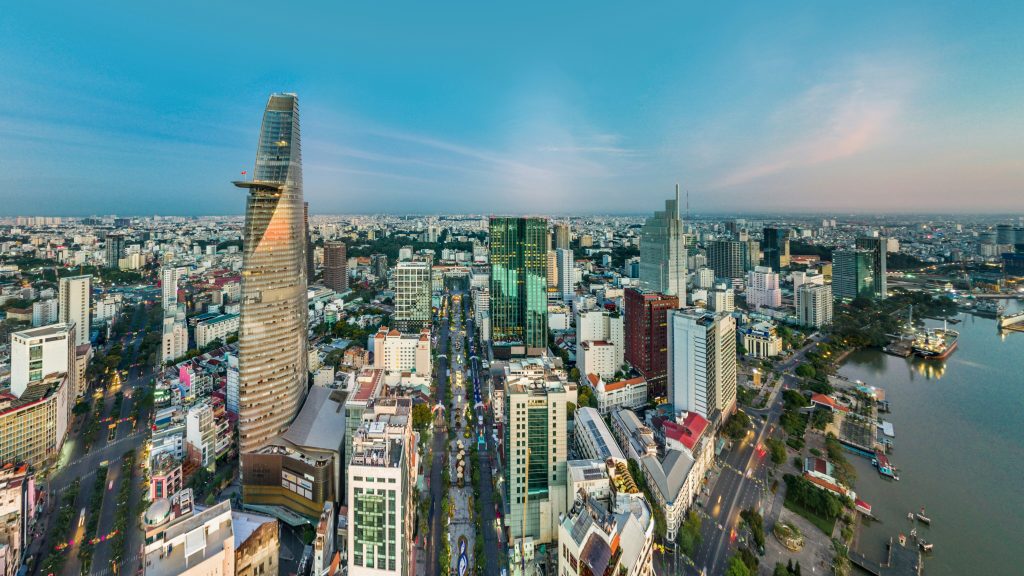
In southern Vietnam, Cat Lai Terminal and the Cai Mep–Thi Vai port complex are important facilities for containerized cargo.
Cat Lai serves the Ho Chi Minh City area and surrounding industrial markets. Cai Mep–Thi Vai is a deep-water port complex capable of handling large international container vessels. Its terminals include Tan Cang–Cai Mep International Terminal and Cai Mep International Terminal, both involved in long-distance international shipping.
Some services use Cai Mep as the deep-water gateway, with containers continuing to Cat Lai or another inland destination by barge or truck. This distinction matters when comparing port-to-port rates because the ocean arrival terminal and the final container delivery point are not necessarily the same.
Northern Vietnam is served primarily by Hai Phong, including the Lach Huyen deep-water port area. Hai Phong provides access to Hanoi, the Red River Delta, and northern manufacturing centers. Its deep-water facilities can accommodate large container vessels operating on international routes.
Da Nang is another port option for cargo destined for central Vietnam. Depending on the carrier schedule, shipments may need to connect through another regional container hub before reaching Da Nang.
For freight leaving the United States, departure ports such as Los Angeles, Long Beach, New York/New Jersey, Houston, and Savannah may be considered according to cargo origin and available services.
A West Coast departure can provide a shorter ocean route across the Pacific, but the shortest sailing is not automatically the best overall choice. Cargo starting far inland may require a substantial domestic truck or rail movement before reaching the export port.
FCL and LCL Shipping from USA to Vietnam
The amount of cargo being shipped helps determine whether a full container or consolidated ocean freight is the better option.
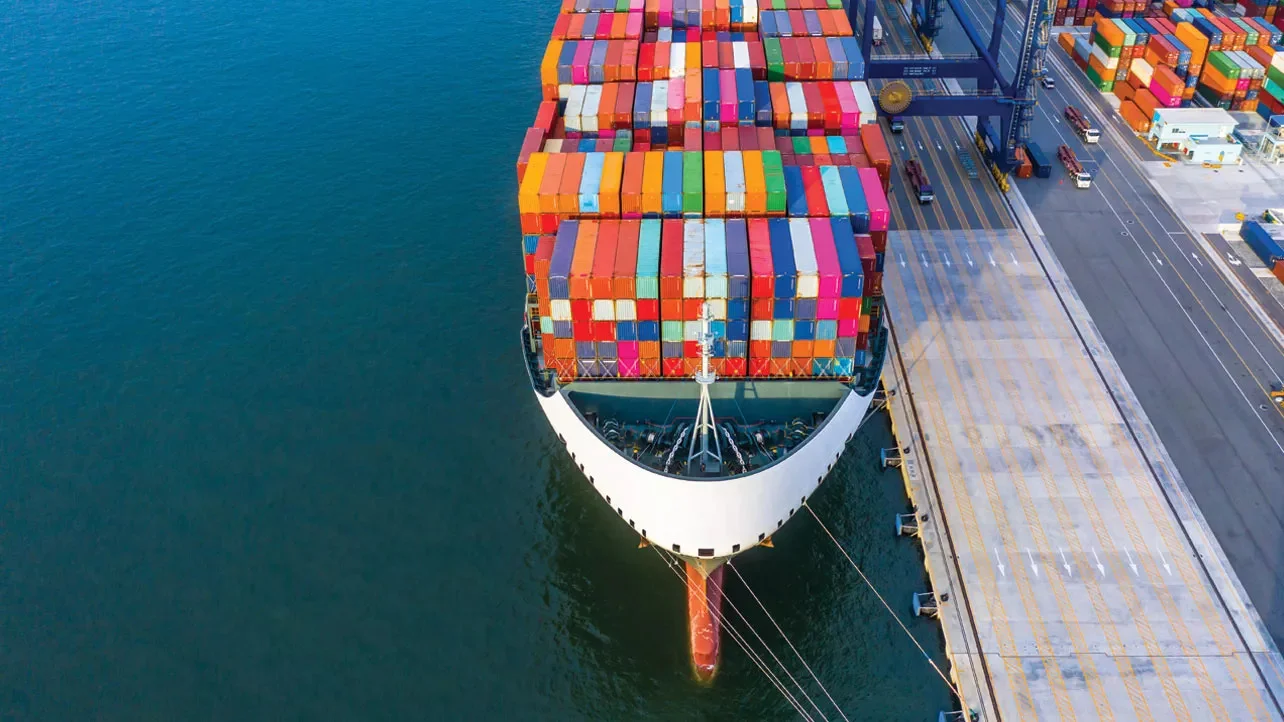
Full Container Load (FCL) gives the shipper exclusive use of a container. Standard 20-foot, 40-foot, and 40-foot high-cube containers are commonly used for industrial goods, commercial inventory, machinery, packaging materials, and other general freight.
FCL is often preferable for larger shipments or cargo that benefits from remaining together in one sealed container. It can also reduce the need to handle individual packages during consolidation and deconsolidation.
Less than Container Load (LCL) allows smaller shipments to share container space with cargo from other shippers.
LCL can be useful for businesses importing replacement components, product samples, smaller equipment, or inventory that does not justify a complete container.
However, LCL requires additional handling at consolidation and destination warehouses. The shipment may also wait for cargo grouping or deconsolidation before it becomes available for customs clearance and collection.
For fragile machinery or goods with unusual dimensions, the additional handling should be considered before selecting LCL solely because the shipment occupies less space.
Standard containers are not suitable for every cargo type. Heavy machinery, oversized industrial equipment, and certain vehicles may require open-top containers, flat racks, Ro-Ro services, or specialized project-cargo arrangements.
RAM coordinates the relevant ocean carrier booking, export arrangements, and supporting transportation services according to the cargo requirements.
Air Freight from USA to Vietnam via Hanoi and Ho Chi Minh City
Vietnam has two particularly important gateways for international air cargo: Noi Bai International Airport (HAN) near Hanoi and Tan Son Nhat International Airport (SGN) in Ho Chi Minh City.
Noi Bai serves northern Vietnam and the industrial areas around Hanoi. Its cargo operations support international trade involving electronics, manufacturing components, industrial products, and other time-sensitive goods.
Tan Son Nhat provides access to Ho Chi Minh City and the surrounding southern commercial and industrial region.
Da Nang International Airport (DAD) is another potential arrival point for cargo moving to central Vietnam, although the available international cargo routing and connecting services need to be confirmed before booking.
Airports Corporation of Vietnam identifies Noi Bai, Tan Son Nhat, and Da Nang among the country’s major international airports handling passenger and cargo operations.
For shipments from the United States, airline availability depends on the departure airport, shipment dimensions, commodity, and required delivery date. Some consignments may travel through an intermediate Asian cargo hub rather than on a nonstop flight.
Air freight is particularly useful when a manufacturing facility needs replacement components quickly or a commercial shipment cannot accommodate several weeks of ocean transportation.
Airline rates are generally calculated using chargeable weight, which compares the actual gross weight with the volumetric weight of the shipment.
For example, a large lightweight crate may be billed at a higher weight than its actual scale weight because of the space it occupies in the aircraft.
Specialized cargo requires additional preparation. Lithium batteries, dangerous goods, pharmaceuticals, temperature-sensitive products, and oversized equipment may need specific documentation, packaging, handling conditions, or airline approval.
RAM coordinates the airline booking and related freight arrangements rather than operating the aircraft.
Vietnam Customs Clearance and Import Requirements
Import clearance in Vietnam depends on the commodity, declared value, customs classification, and regulatory requirements applicable to the shipment.
The Vietnamese importer or its authorized customs representative is generally responsible for submitting the import declaration and completing the relevant customs procedures.
According to the official Vietnam National Trade Repository, commercial import documentation can include:
-
Customs declaration submitted through the applicable electronic customs system.
-
Commercial invoice or equivalent transaction document.
-
Bill of lading or air waybill.
-
Supporting packing information identifying cargo quantities, dimensions, and contents.
-
Import license or other government authorization where required.
-
Certificate of origin or other origin documentation when applicable.
-
Inspection or conformity documentation for products subject to specialized controls.
The precise documents depend on the shipment and applicable import procedures. A certificate of origin, import permit, or inspection certificate should not automatically be treated as mandatory for every commodity.
Customs authorities may release a shipment after reviewing the electronic declaration, request additional supporting documents, or require a physical inspection.
Import duties in Vietnam are determined primarily by the product’s HS code, customs value, origin, and applicable tariff rules. VAT and other product-specific taxes may also apply.
Vietnam maintains different tariff schedules, including most-favored-nation rates and preferential rates associated with qualifying trade agreements. The applicable rate should be established for the actual goods and country of origin rather than estimated from a general product category.
The Vietnam National Trade Repository provides official information about tariff classifications, duty schedules, rules of origin, and non-tariff requirements. Its search tools allow traders to examine the regulations associated with specific commodities.
Import restrictions are another consideration.
Products such as pharmaceuticals, medical devices, food, agricultural commodities, certain chemicals, telecommunications equipment, and used goods may be subject to licensing, inspection, or restrictions depending on their exact classification.
Vietnam’s import requirements also include product-specific standards and controls involving food safety, quarantine, quality, and technical conformity.
On the U.S. side, export documentation must also be prepared. Electronic Export Information may need to be filed through the Automated Export System, while certain controlled commodities require additional export authorization.
These requirements should be checked before the freight is tendered to the carrier, particularly for industrial technology, specialized electronics, or other regulated equipment.
Inland Delivery to Hanoi, Ho Chi Minh City and Industrial Areas
The arrival port or airport is often only one part of the shipment’s journey.
Vietnam has manufacturing and distribution facilities located outside its principal cities, making domestic trucking and container transportation important for many commercial imports.
Cargo entering through Hai Phong can continue toward Hanoi, Bac Ninh, Hung Yen, and other northern industrial areas. Shipments entering through southern ports may require delivery to Ho Chi Minh City, Dong Nai, Binh Duong, or nearby manufacturing and warehouse locations.
In central Vietnam, cargo may require transportation from Da Nang or another available gateway to its final industrial or commercial destination.
Ground freight is therefore relevant to USA-to-Vietnam shipments as a supporting service. It normally covers U.S. pickup, inland movement to the export gateway, or transportation inside Vietnam after the international air or ocean leg.
For container shipments, delivery planning should account for terminal release, customs clearance, trucking arrangements, container return requirements, and unloading conditions at the consignee’s facility.
This is particularly important for heavy equipment or large industrial machinery. Some delivery locations may have restrictions on truck access, available unloading equipment, or the time when commercial vehicles can enter.
A shipment intended for a factory should therefore be planned around the actual receiving address rather than simply the nearest major city.
Shipping Costs and Transit Times from USA to Vietnam
The shipping cost from the United States to Vietnam depends on the departure location, destination, transport mode, shipment volume, and the services required at both ends.
For ocean freight, FCL pricing is primarily influenced by container equipment, routing, carrier capacity, and port charges. LCL pricing depends on cargo volume, weight, consolidation arrangements, and the applicable handling charges.
Air freight costs are influenced by chargeable weight, dimensions, airline connections, available cargo space, and the commodity being transported.
Published shipping estimates for the USA–Vietnam trade lane commonly place ocean freight at approximately four to seven weeks port to port, although individual services can fall outside that range.
For example, Airlift USA publishes planning ranges of approximately 28–34 days from Los Angeles to Ho Chi Minh City and 37–48 days from New York to Hai Phong. These represent specific port pairs and carrier arrangements rather than guaranteed schedules for every shipment.
Air freight can complete the international transportation stage in several days, but the full door-to-door schedule also includes cargo preparation, pickup, airport handling, airline connections, customs clearance, and final delivery.
Transshipment, carrier schedule changes, terminal congestion, and additional customs inspections can affect the arrival date.
The price difference between two routes should also be evaluated against the complete transportation service. A lower ocean rate may result in higher inland delivery or terminal handling costs.
RAM’s Freight Rate Calculator can be used to estimate freight based on the shipment details and selected route.
For a more accurate quotation, provide the cargo description, number of packages or pallets, dimensions, gross weight, U.S. pickup location, final destination in Vietnam, and cargo-ready date.
Additional information may be necessary for dangerous goods, oversized equipment, vehicles, pharmaceuticals, food products, or other commodities subject to specialized handling or import controls.
RAM International Shipping coordinates international carrier bookings, freight documentation, and related logistics services as a freight forwarder. The transportation arrangement can include ocean or air freight together with the inland services required to reach the consignee.
Request a quote for shipping from the USA to Vietnam based on your cargo, origin, destination, and required delivery schedule.