

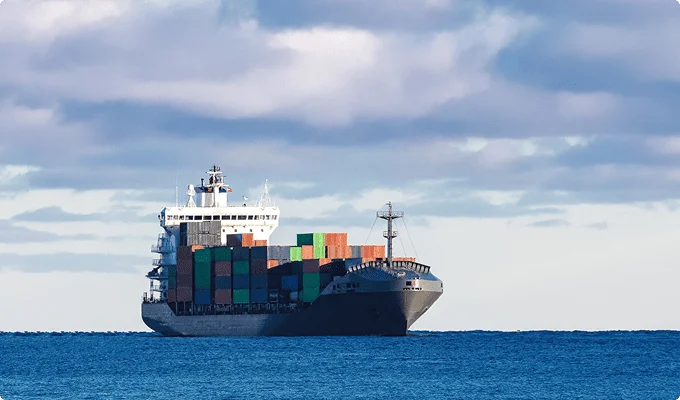
Shipping from the USA to Hungary: Air and Ocean Freight Services
Shipping from the USA to Hungary requires a different approach from delivering cargo to a coastal European country. Hungary has no seaports, so ocean shipments must arrive through another country’s port before continuing inland. Air freight offers a more direct alternative, with Budapest serving as the country’s main international cargo airport.
The route depends on the type of goods, their size and weight, the American departure location, and the final delivery address. A full container of industrial equipment may travel by sea to Slovenia or Germany before reaching Hungary by truck or rail. Urgent components, meanwhile, may be transported by air.
RAM International Shipping works as a freight forwarder, arranging international transportation with shipping lines, airlines, and logistics partners. Its role is to coordinate the different stages of freight movement, from collection in the United States to transportation and delivery arrangements in Hungary.
How Freight Reaches Hungary Through European Ports
Since Hungary is landlocked, selecting the European arrival port is an important part of planning an ocean shipment. The shortest sea route is not necessarily the most practical option once inland transportation, terminal handling, and customs procedures are considered.
Port of Koper, Slovenia, is one of the gateways used for freight destined for Hungary. Located on the Adriatic Sea, it has road and rail connections with Central European markets. Its position makes it relevant for containerized cargo moving to Budapest and other Hungarian destinations.
Port of Rijeka, Croatia, provides another Adriatic entry point. Depending on carrier services and inland connections, containers arriving at Rijeka can continue toward Hungary by road or rail.
Northern European ports are also widely used. Hamburg and Bremerhaven in Germany handle major international container services and have established rail and road connections with Central Europe. Rotterdam in the Netherlands is another possible gateway, particularly when the carrier’s sailing network makes it a suitable choice.
These routes are not interchangeable for every shipment. Vessel schedules, container availability, inland freight costs, and the final destination all affect which port should be selected.
After arrival, cargo can continue to Hungary by truck or rail. A container may be delivered directly to a customer’s warehouse or moved to an inland logistics facility for unloading and distribution.
Ground transportation also forms part of the American export process. Cargo originating away from a major port may need to be collected from a factory, supplier, or warehouse before departure. RAM’s ground freight services can support inland cargo movements within the United States.
Ocean Freight from the USA to Hungary: FCL and LCL Shipping
Ocean freight is generally the more economical choice for large or heavy shipments that do not require urgent delivery. Businesses use it for manufacturing equipment, automotive components, machinery, commercial inventory, furniture, and other container-compatible goods.
Containers may depart from American ports such as New York/New Jersey, Norfolk, Savannah, Houston, Los Angeles, or Long Beach. The appropriate departure port depends on the cargo’s location and available international shipping services.
For standard containerized freight, shippers can choose between Full Container Load and Less than Container Load.
Full Container Load (FCL) gives one shipper exclusive use of a container. Common equipment includes 20-foot and 40-foot containers, with high-cube options available when additional internal height is needed.
FCL is suitable for larger shipments, regular commercial imports, or cargo that benefits from being transported in a dedicated container. It is not always necessary to fill the entire container. Depending on cargo volume and local handling charges, FCL may be more economical than shared container shipping.
Less than Container Load (LCL) allows several shippers to share container space. Smaller consignments are combined at a consolidation facility before departure and separated after arrival.
This arrangement can work well for companies importing a few pallets or smaller quantities of goods. However, LCL shipments involve additional handling, and the container may need to be opened at a European or Hungarian consolidation facility before the goods continue to their final destination.
Some cargo requires equipment beyond standard enclosed containers. Oversized machinery and industrial components may need flat-rack or open-top containers, while certain vehicles can be transported using Ro-Ro services where suitable routes are available.
Through its ocean freight services, RAM coordinates container bookings and related logistics with shipping lines and transportation partners.
Air Freight Shipping from the USA to Hungary via Budapest
For shipments that cannot wait several weeks, air freight provides a faster alternative. It is commonly considered for urgent replacement parts, electronics, specialized tools, high-value equipment, and time-sensitive commercial orders.
Budapest Ferenc Liszt International Airport (BUD) is Hungary’s main international air cargo gateway. The airport serves Budapest and the surrounding Central European region, with facilities for handling general freight and shipments requiring specialized arrangements.
Its dedicated BUD Cargo City complex includes cargo warehouses, freight-handling infrastructure, and facilities used by airlines, freight forwarders, and logistics providers.
Air shipments from the United States may depart through airports such as New York JFK, Chicago O’Hare, Los Angeles, Atlanta, or Miami. Depending on airline schedules and available capacity, cargo may reach Budapest through direct services, where available, or connections at other international airports.
Air freight pricing is generally based on chargeable weight. Airlines compare the shipment’s actual weight with its volumetric weight, which reflects the space occupied by the cargo, and use the higher figure for pricing.
Accurate dimensions are therefore important. Large packages containing relatively lightweight products can have higher transportation charges than their physical weight might suggest.
Airlines also impose restrictions on certain cargo. Dangerous goods, lithium batteries, temperature-sensitive products, and unusually large equipment may require special documentation, packaging, or handling arrangements.
For shipments going to Debrecen, Győr, Szeged, Miskolc, or other Hungarian cities, road transportation may be arranged after arrival at Budapest Airport.
RAM coordinates international air cargo movements through its air freight services, working with transportation partners to arrange suitable routes based on cargo specifications and delivery requirements.
Hungary Customs Clearance: Import Documents, EORI, and VAT
Hungary is a member of the European Union, so commercial goods arriving from the United States must comply with applicable EU customs regulations. The importer must provide accurate information about the goods, their value, origin, and commodity classification.
For most commercial shipments, the documentation commonly includes:
- Commercial invoice: Identifies the seller, buyer, goods, transaction value, and relevant commercial terms.
- Packing list: Provides information about the packages, quantities, contents, weights, and dimensions.
- Bill of lading or air waybill: Contains transportation details for the ocean or air shipment.
- Commodity classification: The appropriate EU tariff code used to determine duties and applicable import requirements.
- Additional permits or certificates: Required for certain regulated products, depending on their classification, origin, and intended use.
Businesses conducting customs activities generally need an Economic Operators Registration and Identification (EORI) number. The European Commission’s EORI guidance explains how economic operators are identified for customs procedures throughout the European Union.
Businesses established in Hungary generally obtain their EORI number from the Hungarian customs authority. Companies established elsewhere in the EU normally use their existing EORI registration. Operators based outside the EU may need to register in the member state where they first carry out a customs operation requiring an EORI number.
Import duties depend on the product’s tariff classification, customs value, country of origin, and applicable EU trade measures. Goods shipped from the United States are not automatically exempt from customs duties.
Hungary’s standard value-added tax (VAT) rate is 27%, although reduced rates of 18% or 5% and exemptions may apply to certain products and transactions.
The Hungarian National Tax and Customs Administration provides official information about customs charges and import VAT calculations.
Import VAT is generally calculated using a taxable amount that includes the customs value, applicable customs duties, and certain additional costs. The actual payment obligations depend on the goods and customs arrangements.
Some products require additional checks before entering Hungary. Food, agricultural goods, pharmaceuticals, chemicals, and certain electrical equipment may be subject to EU product regulations, inspections, or authorization requirements.
The customs process also depends on the European port used for entry. For example, a container arriving in Koper may be cleared for free circulation in Slovenia or moved to Hungary under an appropriate customs transit procedure before import clearance.
Once goods have been released for free circulation in the EU, they can generally move to Hungary without another standard import customs declaration. If they remain under customs transit, the relevant procedures must be completed at the destination.
The agreed Incoterms should establish which party is responsible for freight charges, customs formalities, duties, and taxes. RAM can coordinate shipping documentation and customs-related arrangements through its customs clearance services, working with the appropriate parties.
Shipping Times and Freight Costs from the USA to Hungary
Transit times depend on the American departure location, transportation method, European arrival gateway, and final delivery address in Hungary.
Ocean freight can take approximately 20–50 days or longer under different routing arrangements, including the onward inland transportation stage. Some shipments may move faster, while LCL consolidation, transshipment, customs processing, or terminal delays can extend the delivery period.
Cargo departing from an East Coast port may have a shorter ocean journey than freight originating on the West Coast. However, the complete schedule also depends on which European port is used and how quickly the shipment can continue inland.
Air freight commonly takes approximately 3–8 days under suitable international freight arrangements. These are indicative transit estimates rather than guaranteed door-to-door delivery times. Pickup, airport handling, customs clearance, and final delivery can add time.
Shipping costs depend on cargo weight, volume, container requirements, carrier capacity, and the services included in the transportation arrangement. For ocean freight, the inland movement from the European port to Hungary can represent a significant part of the total cost.
Customers can use the Freight Rate Calculator to explore preliminary shipping costs. Before confirming a booking, the quotation should be checked for origin handling, destination terminal charges, customs-related services, and final delivery.
Comparing complete delivery costs is particularly important for Hungary. A lower ocean rate to a distant European port may not be the most economical option once inland transportation is included.
Arranging Commercial Freight Shipping to Hungary with RAM
International transportation to a landlocked country requires coordination between carriers, terminal operators, customs representatives, and inland transportation providers.
RAM International Shipping arranges freight transportation between the United States and Hungary, coordinating ocean or air bookings and the supporting services required for the shipment.
To prepare a transportation plan, customers should provide the cargo description, weight, dimensions, pickup location, and final delivery address. Any special handling needs, customs requirements, or delivery deadlines should be identified before booking.
With these details, RAM can review available routes and help coordinate cargo collection, international transportation, documentation, and onward delivery arrangements.
For businesses importing machinery, equipment, or commercial inventory, planning the European arrival gateway alongside the inland delivery stage can help avoid additional handling and unexpected transportation charges.
Contact RAM International Shipping to discuss the available freight forwarding options for shipping from the USA to Hungary based on your cargo, origin, destination, and required delivery schedule.