
Shipping from USA to Croatia: Ocean, Air and Inland Freight
Shipping commercial freight from the United States to Croatia can involve Adriatic container ports, international air cargo services, and inland transportation to the final destination.
Croatia has a long coastline along the Adriatic Sea, but its cargo facilities are spread across several regions. A shipment destined for Zagreb may be routed differently from freight moving to Split, Osijek, Zadar, or an industrial facility near Rijeka.
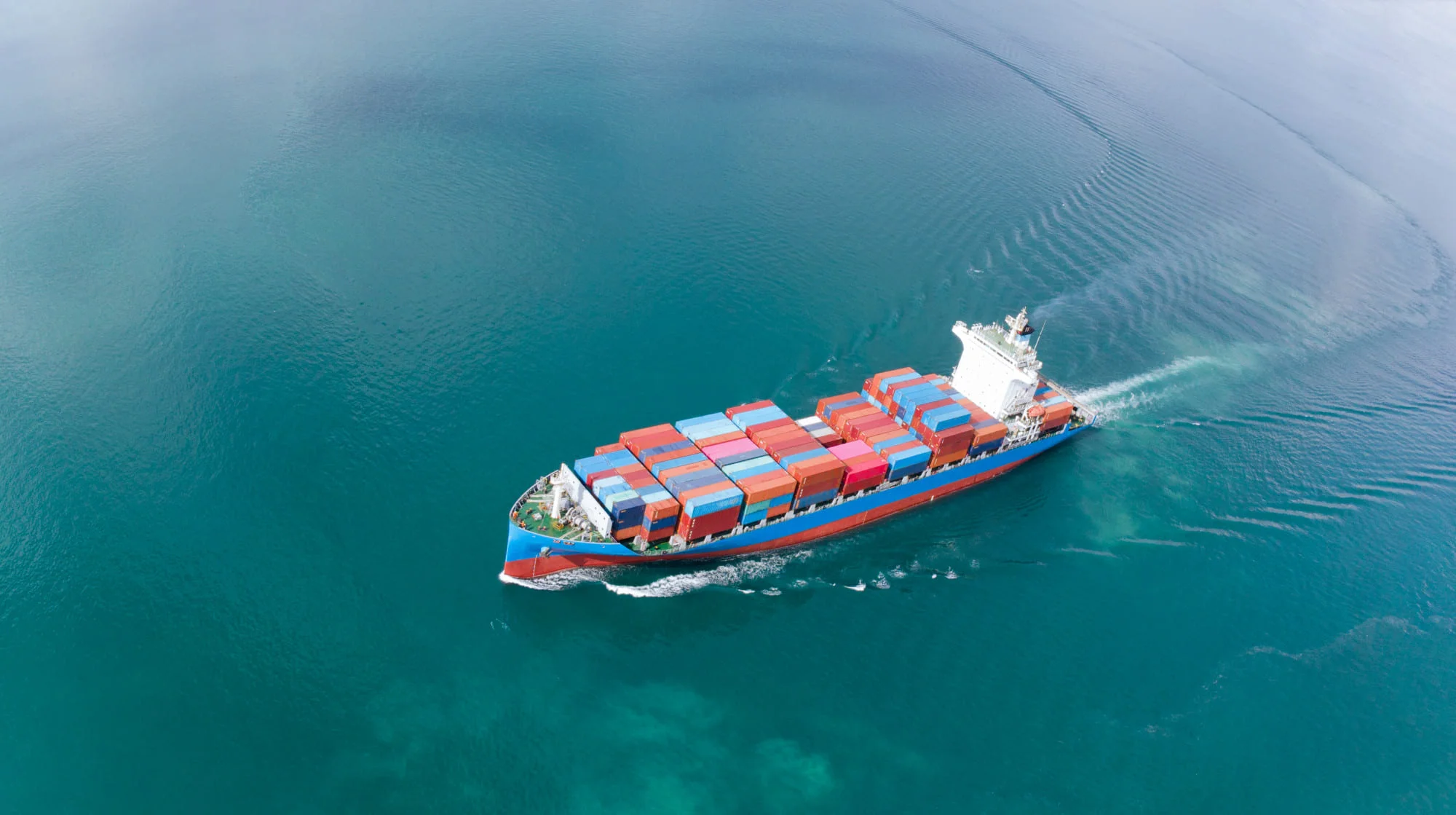
Ocean freight is commonly used for machinery, manufacturing equipment, automotive components, construction materials, and larger commercial shipments. Air freight is generally more appropriate for urgent replacement parts, electronics, medical equipment, samples, and other time-sensitive goods.
Croatia’s membership in the European Union also affects transportation planning. Cargo may enter through a Croatian port or another EU gateway before continuing to its destination. The customs arrangements depend on where the goods are released for free circulation and whether they move under a transit procedure.
RAM International Shipping operates as a freight forwarder rather than a physical carrier. As a licensed NVOCC, RAM arranges ocean transportation with vessel-operating shipping lines. Its IATA-licensed air freight operation coordinates shipments through airline partners, while inland transportation is arranged through road and rail service providers.
Ocean Freight from USA to Croatia: Rijeka, Split and Ploče
The Port of Rijeka is Croatia’s principal container gateway and an important entry point for international maritime freight.
Located on the northern Adriatic coast, Rijeka provides access to Croatia’s road and railway networks and connections with Central European markets.
The port has undergone significant container infrastructure development.
The Adriatic Gate Container Terminal at Brajdica has handled international container traffic for many years, with connections to inland logistics facilities.
In September 2025, the new Rijeka Gateway container terminal began commercial operations. Developed by APM Terminals and ENNA Group, its first phase includes 400 meters of quay, a water depth of 20 meters, and an annual handling capacity of approximately 650,000 TEU.
The terminal expands Rijeka’s ability to handle large container vessels and supports further development of rail and road connections.
Additional information about the facility is available from Rijeka Gateway.
For shipments destined for Zagreb, northern Croatia, or nearby industrial areas, Rijeka is often a practical arrival point.
However, it is not the only Croatian port that handles commercial freight.
The Port of Split has facilities for general cargo, bulk commodities, and specialized shipments. Its North Port area can handle industrial materials, metal products, heavy equipment, and other commercial goods.
The Port of Ploče, located farther south, is another international cargo gateway. It handles containers, bulk commodities, and general cargo and is connected to regional transportation routes serving southern Croatia and Bosnia and Herzegovina.
Port selection depends on the cargo and available shipping services. Not every Croatian terminal receives the same international container services, so a shipment may require transshipment through a larger Mediterranean hub.
From the United States, cargo can depart through New York/New Jersey, Norfolk, Savannah, Charleston, Houston, Los Angeles, Long Beach, or another suitable ocean gateway.
The available route depends on the carrier, departure date, container requirements, and final delivery address.
Inland Freight Delivery to Zagreb, Split, Osijek and Other Cities
Ground transportation becomes important once cargo reaches Croatia or another European arrival port.
Containers discharged at Rijeka can continue by truck or rail toward Zagreb and other inland destinations.
The Rijeka–Zagreb corridor is particularly relevant for commercial shipments destined for central Croatia. The country’s road network also provides connections to Karlovac, Varaždin, Osijek, Slavonski Brod, and other industrial or distribution locations.
For destinations along the Dalmatian coast, including Split, Zadar, and Šibenik, trucking may complete the journey from Rijeka or another suitable gateway.
Rail transportation can be considered for containerized freight moving between Rijeka and inland terminals.
The Adriatic Gate Container Terminal has rail connections linking Rijeka with Zagreb and other regional destinations, although the availability and frequency of suitable services should be confirmed when arranging a shipment.
Cargo can also enter Croatia through ports in neighboring EU countries.
For example, Koper in Slovenia or Trieste in Italy may provide an alternative when their shipping schedules or inland connections are more suitable for the consignee.
Goods already released for free circulation in the European Union can generally continue to Croatia without another import customs declaration. Cargo that remains under customs supervision must move using the appropriate transit procedure.
For oversized machinery, heavy industrial equipment, or specialized vehicles, ground delivery requires additional preparation.
Truck dimensions, weight limits, route restrictions, unloading equipment, and access to the final delivery location should be checked before dispatch.
RAM coordinates the necessary road or rail transportation with the operators responsible for those services.
Air Freight from USA to Croatia via Zagreb Airport
Zagreb Franjo Tuđman Airport (ZAG) is Croatia’s principal international air cargo gateway.
The airport serves the capital and provides access to commercial and industrial destinations across northern and central Croatia.
Its cargo facilities support general freight, valuable goods, perishables, live animals, dangerous goods, and other specialized shipments subject to handling requirements.
The airport operates customs-bonded warehousing and cargo services covering documentation, storage, handling, and international freight arrangements.
According to Zagreb Airport Cargo & Forwarding, its cargo warehouse covers approximately 2,160 square meters, with dedicated areas for import, export, and domestic freight.
For cargo departing from the United States, the route may involve an airline connection through another European or international airport.
Frankfurt, Vienna, Munich, and other regional hubs may be considered depending on airline schedules and available cargo capacity.
Some shipments can also arrive at a larger European cargo airport and continue into Croatia by truck.
The final choice depends on the U.S. departure point, shipment characteristics, and delivery deadline.
Air freight is commonly selected for industrial spare parts, electronics, medical equipment, pharmaceuticals, commercial samples, and other goods needed within a shorter timeframe.
Airlines calculate transportation charges using chargeable weight, comparing the actual gross weight with the volumetric weight of the shipment.
A large but lightweight package may therefore be billed according to the space it occupies rather than its scale weight.
Certain goods require additional preparation. Lithium batteries, dangerous goods, pharmaceuticals, oversized equipment, and temperature-sensitive products may need special packaging, documentation, handling, or airline approval.
RAM coordinates airline bookings and supporting freight arrangements without operating the aircraft itself.
FCL, LCL and Specialized Cargo Shipping to Croatia
The appropriate ocean freight service depends on shipment volume, packaging, and handling requirements.
Full Container Load (FCL) allows one shipper to use an entire container. Standard 20-foot, 40-foot, and 40-foot high-cube containers are commonly used for commercial inventory, machinery, industrial materials, and packaged products.
FCL is often suitable for larger shipments or goods that benefit from remaining together during transportation.
The container can continue from the arrival port to an inland destination, provided suitable trucking or rail arrangements are available.
Less than Container Load (LCL) allows smaller consignments to share container space with cargo from other shippers.
LCL can be useful for businesses importing several pallets of inventory, replacement components, smaller machinery, or commercial samples.
However, consolidated cargo requires handling at origin and destination facilities. Depending on the available service, shipments may be separated at a Croatian terminal or another European logistics center before final delivery.
These additional handling stages can affect transportation costs and transit times.
Some shipments require specialized equipment instead of a standard dry container.
Heavy machinery, oversized components, vehicles, yachts, and other unusual cargo may need flat-rack containers, open-top equipment, Ro-Ro services, or breakbulk handling.
The available options depend on the cargo dimensions, weight, vessel service, and arrival terminal capabilities.
A route suitable for a standard commercial container may not be appropriate for oversized equipment requiring specialized unloading and road transportation.
RAM coordinates the ocean booking and related handling services according to the cargo requirements.
Croatia Customs Clearance, Import Duties and Documentation
Croatia is a member of the European Union and applies the EU’s common customs legislation to goods imported from outside the EU, including the United States.
Commercial imports require a customs declaration and supporting documentation identifying the goods, transaction value, origin, and relevant tariff classification.
The importer or an authorized customs representative generally handles the customs declaration and related import procedures.
Documents commonly used for commercial shipments include:
- Commercial invoice identifying the goods, seller, buyer, and transaction value.
- Packing list showing quantities, package details, dimensions, and gross weight.
- Bill of lading for ocean freight or air waybill for air freight.
- Customs declaration and applicable transit documentation.
- EORI number for the relevant economic operator.
- Certificates of origin, import licenses, or other approvals where required.
An EORI number identifies economic operators engaged in customs activities within the European Union.
Import duties are determined by the goods’ HS classification, customs value, origin, and applicable EU tariff measures.
There is no single customs duty rate covering every product imported into Croatia from the United States.
The EU’s TARIC system contains product-specific customs tariff measures, trade restrictions, and other import requirements.
Croatia’s standard VAT rate is 25%, although reduced rates and exemptions may apply to certain goods and transactions.
Import VAT treatment depends on the goods, customs value, applicable duties, and the import procedure used.
For shipments arriving through another EU country, customs clearance may be completed at the first entry point or at the destination customs office under an appropriate transit arrangement.
Goods already released for free circulation in the EU can generally move to Croatia without another import customs declaration.
Some products require additional regulatory checks.
Food, agricultural commodities, pharmaceuticals, medical devices, chemicals, and certain electronic products may be subject to import permits, inspections, conformity assessments, or other EU requirements.
Vehicles and automotive products can also be subject to technical approval, registration, and tax requirements beyond standard customs clearance.
For U.S. exporters, Electronic Export Information filing and export licensing requirements should be reviewed where applicable.
Official information about customs procedures, duties, restrictions, and electronic services is available from the Croatian Customs Administration.
Shipping Costs and Transit Times from USA to Croatia
The cost of shipping freight from the United States to Croatia depends on the U.S. origin, transportation method, shipment size, cargo characteristics, and final delivery location.
Ocean freight pricing is influenced by the departure port, container type, carrier schedule, transshipment requirements, and destination terminal charges.
FCL rates are generally based on the booked container, while LCL pricing depends on shipment volume or chargeable weight and the applicable consolidation and handling services.
Air freight pricing depends mainly on chargeable weight, airline routing, capacity, and delivery urgency.
Transit times vary according to the carrier and route.
Ocean freight from the United States to Croatian Adriatic ports generally takes several weeks. Some published routing estimates fall around four to seven weeks, although the schedule can be shorter or longer depending on the departure port and transshipment connections.
The complete door-to-door timeline also includes U.S. pickup, export handling, terminal operations, customs clearance, and inland delivery.
Air freight can complete the international transportation stage in several days, but additional time may be required for airline connections, cargo handling, customs processing, and final transportation.
These estimates are intended for preliminary planning rather than guaranteed delivery dates.
For shipments to inland Croatia, the total transportation cost should include the road or rail movement from the arrival gateway.
A container arriving at Rijeka may have a straightforward connection to Zagreb, while freight destined for southern Croatia could require a longer inland journey or a different arrival port.
RAM’s Freight Rate Calculator can be used to estimate freight based on the actual shipment details and selected route.
For a quotation, provide the commodity description, number of packages or pallets, dimensions, gross weight, U.S. pickup location, final Croatian destination, and cargo-ready date.
Additional information may be required for vehicles, oversized machinery, dangerous goods, pharmaceuticals, food products, and other cargo requiring specialized handling.
RAM International Shipping arranges ocean or air transportation together with the necessary carrier connections, freight documentation, and inland logistics services. As a freight forwarder, RAM coordinates the companies responsible for each stage rather than operating the vessels, aircraft, or trucks used for the shipment.
Request a quote for shipping from the USA to Croatia based on your cargo, origin, destination, and required delivery schedule.