


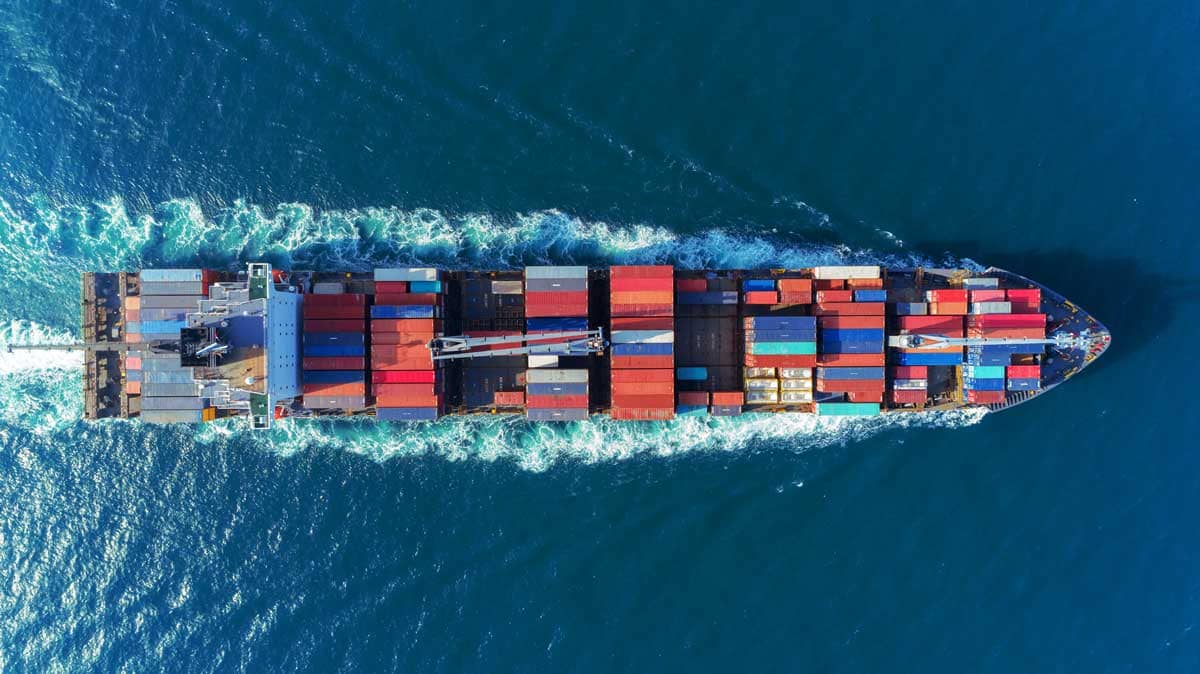
Shipping from the USA to Denmark: Air and Ocean Freight
Shipping cargo from the USA to Denmark involves more than booking space on a vessel or aircraft. The shipment needs a suitable route, accurate documents, customs arrangements, and transportation to its final destination. The right approach depends on what you are sending, how much space it requires, and when it needs to arrive.
Denmark is well connected to international trade routes through its seaports, airports, and European road network. American exporters can use ocean freight for larger shipments or air freight when delivery time is a priority. Cargo can also enter through another European country before continuing to Denmark by truck.
RAM International Shipping works as a freight forwarder, arranging transportation with carriers and coordinating the different stages of international shipping. Whether your cargo consists of commercial inventory, machinery, equipment, or personal belongings, the first step is determining which transportation arrangement makes sense for the shipment.
Ocean Freight from the USA to Denmark: FCL and LCL Shipping
Ocean freight is generally the more economical choice for transporting heavy, bulky, or large-volume cargo across the Atlantic. It is frequently used for manufacturing equipment, commercial goods, furniture, automotive parts, and other shipments that do not require immediate delivery.
There are two main container shipping options for freight moving from the United States to Denmark.
Full Container Load (FCL) gives one shipper exclusive use of a container. Standard equipment commonly includes 20-foot and 40-foot containers, with high-cube containers available when additional height is required. FCL is worth considering for larger shipments, regularly scheduled imports, or cargo that benefits from being kept separate from other consignments.
Booking a full container does not mean you must fill every available cubic meter. Depending on cargo volume and local handling charges, FCL can sometimes be more economical than sharing container space, even when the container is not completely full.
Less than Container Load (LCL) allows smaller shipments to travel in a container shared with other customers. Freight is consolidated before departure and separated after arrival. This can reduce transportation costs when there is not enough cargo to justify a dedicated container.
However, LCL shipments involve additional handling at consolidation facilities. These procedures may extend the overall delivery schedule, particularly when cargo must wait for consolidation or deconsolidation.
Container shipments from the USA may depart through ports such as New York/New Jersey, Norfolk, Savannah, Houston, or major West Coast gateways. The departure point depends on the cargo’s location, available sailings, and the intended Danish destination.
RAM can help compare container options through its ocean freight services, including the transportation arrangements needed before loading and after arrival.
Air Freight Shipping from the USA to Denmark
Air freight is often the preferred option when delivery time matters more than minimizing transportation costs. Businesses commonly consider it for urgent replacement parts, electronics, valuable equipment, and smaller commercial shipments that cannot wait several weeks for ocean transportation.
Copenhagen Airport (CPH) is Denmark’s principal international air cargo gateway. It handles freight moving between Denmark and destinations across Europe and other international markets. Depending on the departure airport and airline schedules, shipments from the United States may travel directly or connect through another airport.
Air freight rates are calculated using chargeable weight, which takes into account both actual weight and the space occupied by the shipment. Large but relatively lightweight packages can therefore cost more than their physical weight might suggest.
Packaging dimensions are particularly important. Cargo that fits into a standard ocean container may exceed the loading limits of a particular aircraft. Some goods also require additional checks or special arrangements before an airline will accept them.
Air transportation can be particularly useful when a delayed shipment would interrupt manufacturing operations or leave a business without essential stock. For less urgent deliveries, the additional cost may be difficult to justify.
Through its air freight services, RAM coordinates shipping arrangements based on cargo specifications, available routes, and required delivery dates.
Ports, Airports, and Ground Delivery in Denmark
The destination within Denmark can influence the entire shipping route. Cargo intended for Copenhagen may follow a different transportation plan from freight delivered to Aarhus, Odense, Aalborg, or an industrial facility outside a major city.
Port of Aarhus is Denmark’s largest container port and a major gateway for international containerized cargo. Its location on the Jutland peninsula provides access to commercial areas throughout western and central Denmark.
Copenhagen-Malmö Port serves the Copenhagen and southern Sweden region. It is another consideration for cargo destined for eastern Denmark, although actual container routing depends on the shipping line and available services.
Not every shipment arriving in Denmark travels directly from an American port to a Danish terminal. Containers may be transferred at major European hubs, including Hamburg, Rotterdam, or Bremerhaven, before continuing by feeder vessel or road transportation.
For air cargo, Copenhagen Airport is the main entry point to consider. Billund Airport can also be relevant for certain shipments and regional logistics requirements, depending on available cargo connections.
Ground freight plays an important supporting role. While trucks cannot provide the transatlantic portion of the journey, they can connect American pickup locations with export terminals and transport imported cargo from European ports or airports to its final Danish address.
For example, a shipment arriving at a German port may continue by truck to a warehouse in Denmark. The appropriate arrangement depends on customs procedures, delivery location, cargo type, and the services available along the route.
Customs Clearance for Goods Imported from the USA to Denmark
Denmark is a member of the European Union, so commercial shipments arriving from the United States are subject to applicable EU customs requirements. Importers must provide accurate information about the goods, their value, origin, and intended use.
For commercial imports, the documentation commonly includes:
- Commercial invoice: Identifies the goods, seller, buyer, declared value, and transaction details.
- Packing list: Describes the packages, quantities, weights, and dimensions.
- Bill of lading or air waybill: Provides transportation details for the ocean or air shipment.
- Commodity classification: The appropriate HS or EU tariff code used to determine applicable customs treatment.
- Additional certificates or permits: Required for certain regulated goods, depending on their classification and intended use.
Businesses carrying out import activities in the EU generally need an Economic Operators Registration and Identification (EORI) number. Danish businesses importing goods from outside the EU must register appropriately before conducting these activities.
According to the Danish Customs Agency’s official import guidance, businesses importing from non-EU countries must address importer registration, customs declarations, and arrangements for customs payments. The agency also explains that import declarations can be prepared by the importer or an authorized representative.
Import duties depend on factors such as product classification, customs value, and country of origin. Danish import VAT may also apply. The standard VAT rate is 25%, although the actual tax treatment and any applicable exemptions depend on the transaction and goods involved.
Some products require particular attention before shipping. Food, agricultural products, medicines, chemicals, and certain electrical equipment may be subject to additional EU or Danish controls. These requirements should be checked before the cargo leaves the United States rather than after it reaches a European terminal.
The party responsible for customs formalities and import charges should also be established in advance. This is normally addressed through the agreed Incoterms and the terms of the sale.
RAM can coordinate documentation and work with the relevant parties through its customs clearance services. Importers remain responsible for supplying correct cargo information and meeting the applicable legal requirements.
Transit Times and Shipping Costs from the USA to Denmark
Delivery schedules vary considerably between air and ocean freight. Even shipments using the same mode may have different transit times because of their departure points, connections, and final delivery addresses.
Air freight from major American gateways to Denmark can often take approximately four to eight days under suitable routing arrangements. This is a planning estimate rather than a guaranteed door-to-door delivery period. Pickup, terminal handling, customs procedures, and inland transportation may add time.
Ocean freight generally requires several weeks. As a reference, published freight guides have shown approximately 19 days for New York to Copenhagen and around 39 days for Seattle to Copenhagen. These are route examples, not fixed schedules. Actual sailings, transshipments, and cargo handling arrangements can change the transit period.
Shippers should distinguish between port-to-port transit and the total time required to deliver cargo to a customer’s address. LCL consolidation, customs examinations, terminal availability, and inland delivery can all affect the final date.
The freight rate also depends on more than the distance between the two countries. Important factors include cargo weight and volume, FCL or LCL selection, airline or vessel capacity, fuel surcharges, local terminal charges, and the level of transportation service requested.
For a preliminary comparison of available shipping options, use the Freight Rate Calculator. A complete quotation should also identify which origin and destination charges are included, whether customs-related services are covered, and what additional payments may be required.
When working with a delivery deadline, allow time for documentation and cargo preparation before the scheduled departure. The fastest published transit time is not always the most practical option for a shipment that is not yet ready to leave.
How RAM International Shipping Arranges Freight to Denmark
International freight forwarding involves coordinating several service providers rather than simply selecting a shipping line or airline. RAM International Shipping works with transportation partners to arrange the movement of cargo between the United States and Denmark.
The process begins with information about the goods: their description, dimensions, weight, pickup location, destination, and required delivery schedule. These details help determine whether the shipment is better suited to ocean freight, air freight, or a combination of transportation services.
Once an appropriate route is selected, RAM coordinates the relevant booking and shipping arrangements. Depending on the shipment, this may involve collection in the United States, export documentation, carrier arrangements, consolidation, customs-related coordination, and delivery planning in Denmark.
This approach is useful for businesses importing machinery or inventory, companies managing recurring international shipments, and individuals arranging transportation of larger personal belongings.
Because every shipment has different requirements, the final transportation plan should be based on actual cargo details rather than a standard country-to-country estimate.
Contact RAM International Shipping to discuss the available freight forwarding options for shipping from the USA to Denmark based on your cargo, origin, destination, and required delivery schedule.