


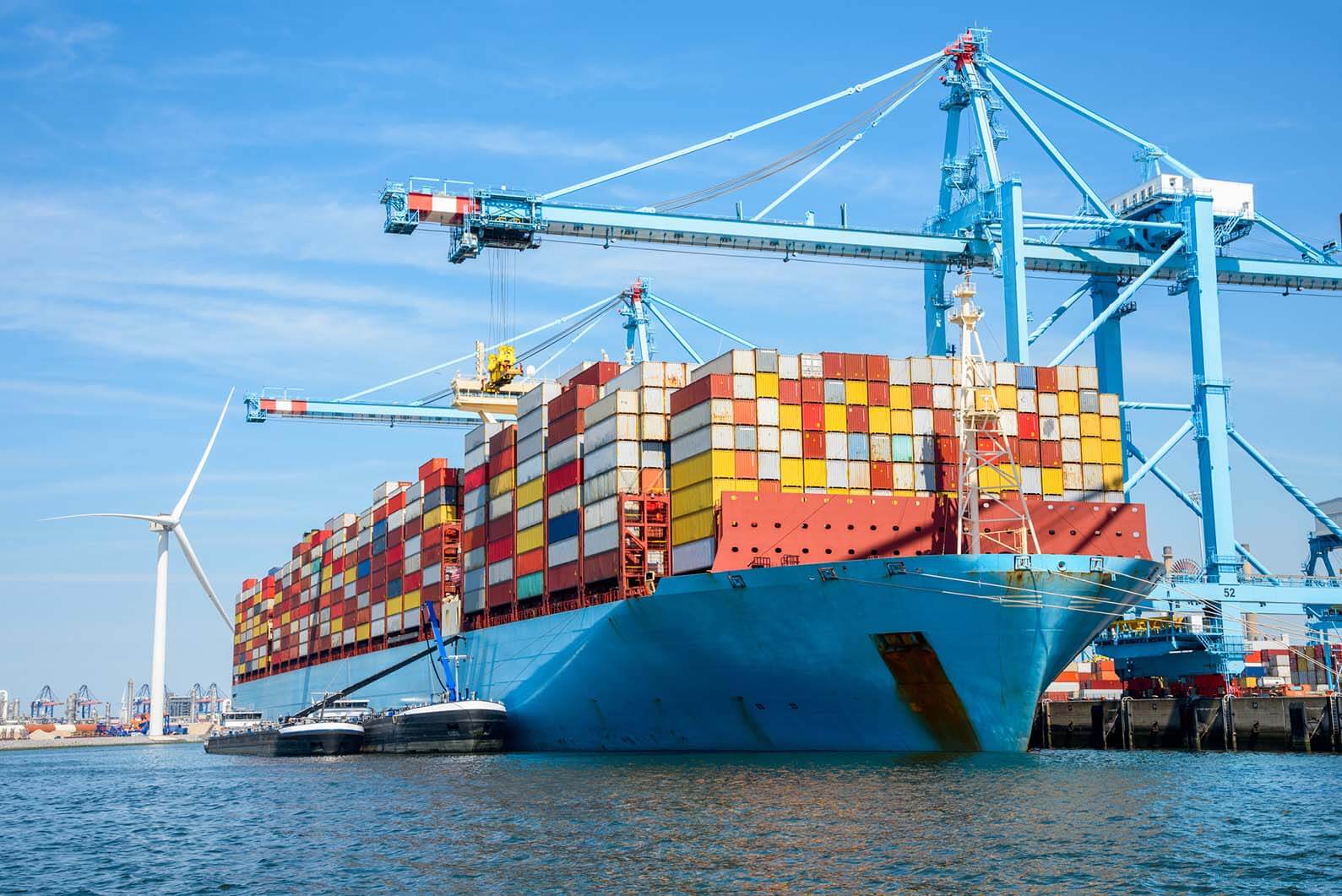
Shipping from USA to Bosnia and Herzegovina: Main Freight Routes
Shipping commercial freight from the United States to Bosnia and Herzegovina usually involves more than one transportation method. The country has a short coastline on the Adriatic Sea near Neum, but no major international container port. Most ocean freight therefore arrives through neighboring countries before continuing by road or rail.
For businesses shipping machinery, commercial inventory, industrial components, vehicles, or other goods, the final destination has a significant influence on the route. Freight moving to Sarajevo or Mostar may follow a different arrangement from shipments destined for Banja Luka, Tuzla, Zenica, or Bijeljina.
Ocean freight is generally suitable for larger shipments that can accommodate longer delivery schedules. Air freight is an alternative for urgent equipment, electronics, replacement parts, medical products, and smaller high-value consignments.
The route needs to account for international transportation, customs clearance, and inland delivery. Choosing a nearby port does not automatically mean the shortest transit time if the ocean service requires additional connections.
RAM International Shipping operates as a freight forwarder rather than a physical carrier. As a licensed NVOCC, RAM arranges ocean transportation with vessel-operating shipping lines. Its IATA-licensed air freight operation coordinates shipments through airline partners, while supporting road and rail transportation can be arranged through other logistics providers.
Ocean Freight from USA to Bosnia and Herzegovina via Adriatic Ports
The Port of Ploče in Croatia is one of the most important maritime gateways for Bosnia and Herzegovina.
Located on the Adriatic coast near the mouth of the Neretva River, Ploče has long served businesses importing and exporting goods through Bosnia and Herzegovina’s inland transport network.
The port is connected with the Corridor Vc transportation route, which links the Adriatic coast with Mostar, Sarajevo, and destinations farther north.
According to the Port of Ploče, its container terminal has an annual handling capacity of approximately 60,000 TEU. The facility handles standard containers and other specialized container equipment, with connections to Mediterranean shipping hubs.
The port also supports general cargo, bulk commodities, and other types of commercial freight.
More information about its infrastructure and transportation connections is available from the Port of Ploče.
Ploče is not the only possible entry point.
The Port of Rijeka, also in Croatia, may be considered for shipments moving toward northern and northwestern Bosnia and Herzegovina, including the Banja Luka region.
The Port of Bar in Montenegro provides another Adriatic option, particularly when the available vessel service and inland route make it suitable for the final destination.
Cargo departing from the United States may originate at New York/New Jersey, Norfolk, Savannah, Charleston, Houston, Los Angeles, Long Beach, or another suitable export port.
Depending on the shipping line, containers can require transshipment through a larger Mediterranean hub before reaching an Adriatic port.
The final route should therefore be evaluated using both the ocean schedule and the inland transportation requirements.
Ground Freight and Delivery to Sarajevo, Mostar and Other Cities
Ground transportation plays a major role in freight shipping to Bosnia and Herzegovina.
After arriving at Ploče, cargo can continue through Croatia and cross into Bosnia and Herzegovina before reaching the final consignee.
The road corridor through Čapljina and Mostar provides a connection toward Sarajevo and other parts of the country. Additional roads connect major industrial and commercial centers, including Zenica, Tuzla, Banja Luka, and Bijeljina.
For standard commercial cargo, trucks are commonly used to complete deliveries from ports, airports, or regional warehouses.
Rail transportation is another possibility for certain types of freight.
The Ploče–Mostar–Sarajevo railway corridor provides a physical connection between the Adriatic coast and central Bosnia and Herzegovina. However, the availability of suitable freight services, equipment, and terminal handling must be confirmed for each shipment.
This is especially important for industrial materials, bulk commodities, and larger cargo volumes that may benefit from rail transportation.
Customs arrangements also affect the route.
Croatia is a member of the European Union, while Bosnia and Herzegovina is not. Goods discharged at a Croatian port and intended for Bosnia and Herzegovina may need to move under an appropriate customs transit procedure before completing import clearance.
The applicable documentation depends on the goods’ customs status, transportation arrangements, and border procedures.
For oversized machinery or heavy equipment, road transportation may require special planning. Truck dimensions, axle loads, bridge restrictions, unloading equipment, and access to the delivery site should be reviewed before dispatch.
RAM coordinates these inland transportation stages with the relevant carriers rather than operating its own trucking or railway fleet.
FCL, LCL and Specialized Cargo Shipping to Bosnia and Herzegovina
The choice between FCL and LCL depends on shipment volume, packaging, and handling requirements.
Full Container Load (FCL) provides one shipper with exclusive use of a container. Standard 20-foot, 40-foot, and 40-foot high-cube containers are commonly used for machinery, packaged inventory, manufacturing equipment, and commercial materials.
FCL is often practical for larger shipments or products that should remain together during transportation.
For Bosnia and Herzegovina, the inland stage needs particular attention. A full container may continue from an Adriatic port by truck, provided that the carrier can arrange delivery and the consignee has suitable unloading facilities.
In some cases, transferring the cargo to another vehicle may be necessary.
Less than Container Load (LCL) is intended for smaller shipments that do not justify booking a complete container.
Several consignments share container space and are separated at a consolidation warehouse or destination logistics facility.
For freight moving to Bosnia and Herzegovina, LCL cargo may need to be deconsolidated at a Croatian port or another European logistics center before continuing inland.
This introduces additional handling stages and should be considered when comparing transportation costs and delivery schedules.
Specialized cargo may require different equipment.
Oversized industrial machinery, heavy components, and vehicles may need flat-rack containers, open-top equipment, Ro-Ro services, or breakbulk transportation.
The available options depend on the shipping line, arrival port, cargo dimensions, and requirements for the final road movement.
RAM arranges the appropriate ocean booking and related handling services according to the shipment’s characteristics.
Air Freight from USA to Bosnia and Herzegovina via Sarajevo
Air freight is generally the preferred option when delivery time is more important than the lower transportation cost of ocean shipping.
Sarajevo International Airport (SJJ) is the country’s principal international air cargo gateway.
The airport operates cargo-handling facilities for imports and exports, including customs warehousing, documentation services, and equipment for handling general freight and certain specialized shipments.
Its cargo facilities include refrigerated storage areas and designated handling arrangements for temperature-sensitive and dangerous goods.
According to Sarajevo International Airport, specialized shipments may require advance notification, supporting documentation, and approval before acceptance.
For freight originating in the United States, airline connections may involve major European or international hubs such as Frankfurt, Vienna, or Istanbul, depending on the service and available cargo capacity.
Not every U.S. departure airport has a direct connection suitable for commercial freight to Sarajevo.
In some cases, cargo may arrive at a larger European airport and continue to Bosnia and Herzegovina by truck. The preferred arrangement depends on the available flights, dimensions, weight, and final destination.
Air freight is commonly used for replacement components, electronics, industrial tools, medical equipment, samples, and urgent commercial orders.
Airline rates are calculated using chargeable weight, which compares actual gross weight with volumetric weight.
A large lightweight package may therefore be billed according to the space it occupies rather than its actual scale weight.
Dangerous goods, lithium batteries, pharmaceuticals, and temperature-controlled products may require additional packaging, documentation, or airline approval.
RAM coordinates the airline booking and supporting freight services without operating the aircraft itself.
Bosnia and Herzegovina Customs Clearance and Import Requirements
Bosnia and Herzegovina has its own customs system and applies national import rules to goods arriving from outside the country.
The Indirect Taxation Authority of Bosnia and Herzegovina is responsible for customs duties, import VAT, and other applicable indirect taxes.
Commercial import declarations must be completed according to the country’s customs procedures. Importers can use authorized customs representatives to prepare documentation and handle the clearance process.
Documents commonly required for commercial shipments include:
- Customs declaration completed in an official language of Bosnia and Herzegovina.
- Commercial invoice identifying the goods, transaction value, seller, and buyer.
- Packing list showing quantities, dimensions, and gross weight.
- Bill of lading, air waybill, or other transport documentation.
- Certificate or declaration of origin where applicable.
- Import permits, quality certificates, or other approvals for regulated products.
The exact requirements depend on the commodity and applicable customs procedure.
Bosnia and Herzegovina applies customs duty rates based on the goods’ HS classification, customs value, origin, and applicable tariff treatment.
Common ad valorem tariff rates include 0%, 5%, 10%, and 15%, although specific products may be subject to additional duties or different treatment under applicable regulations.
The country also has preferential trade arrangements with certain partners. However, goods originating in the United States should not automatically be assumed to qualify for preferential rates available to products of European origin.
The standard VAT rate in Bosnia and Herzegovina is 17%. Import VAT is generally assessed on a taxable base that includes the customs value and applicable duties and other charges.
Excise duties may also apply to certain commodities, including tobacco, alcohol, coffee, and petroleum products.
The Indirect Taxation Authority publishes information about customs procedures, valuation, origin, and import requirements.
Import restrictions need separate attention.
Certain vehicles and used goods are subject to age limits, environmental standards, or other technical requirements. Food, agricultural products, pharmaceuticals, chemicals, and regulated equipment may require additional permits, inspections, or certification.
For U.S. exports, Electronic Export Information filing and export-control requirements should also be checked where applicable.
Preparing the customs documents before departure can help prevent delays at the Adriatic port or the Bosnian border.
Shipping Costs and Transit Times from USA to Bosnia and Herzegovina
The total transportation cost depends on more than the ocean or air freight rate.
For ocean shipments, pricing is affected by the U.S. departure port, container size, carrier schedule, destination port, and inland transportation requirements.
Cargo arriving at Ploče may have a shorter road connection to southern and central Bosnia and Herzegovina, while another port could be more suitable for a northern destination.
LCL shipments may involve additional consolidation, warehouse handling, and inland distribution charges.
Air freight costs depend primarily on chargeable weight, cargo dimensions, airline connections, and available capacity.
Transit times vary according to the route.
Ocean transportation from the United States to Adriatic ports generally takes several weeks. Planning estimates may range from approximately three to six weeks, although transshipment, customs processing, and inland delivery can extend the complete schedule.
Air freight can complete the international transportation stage in several days, but door-to-door delivery also depends on airline connections, cargo handling, customs clearance, and the final road movement.
These figures should be treated as planning estimates rather than confirmed schedules.
A complete quotation may include U.S. pickup, export handling, international transportation, Adriatic port charges, customs transit arrangements, import-related services, and delivery to the consignee.
RAM’s Freight Rate Calculator can be used to estimate freight based on the cargo details and transportation route.
For a more accurate quotation, provide the commodity description, number of pallets or packages, dimensions, gross weight, U.S. origin, final destination in Bosnia and Herzegovina, and cargo-ready date.
Additional information may be necessary for vehicles, oversized machinery, dangerous goods, pharmaceuticals, or products requiring special import authorization.
RAM International Shipping coordinates ocean or air freight together with the necessary carrier connections, documentation, and inland logistics services. As a freight forwarder, RAM arranges the movement through the companies responsible for each transportation stage.
Request a quote for shipping from the USA to Bosnia and Herzegovina based on your cargo, origin, destination, and required delivery schedule.