

Shipping from the USA to Germany: Air and Ocean Freight
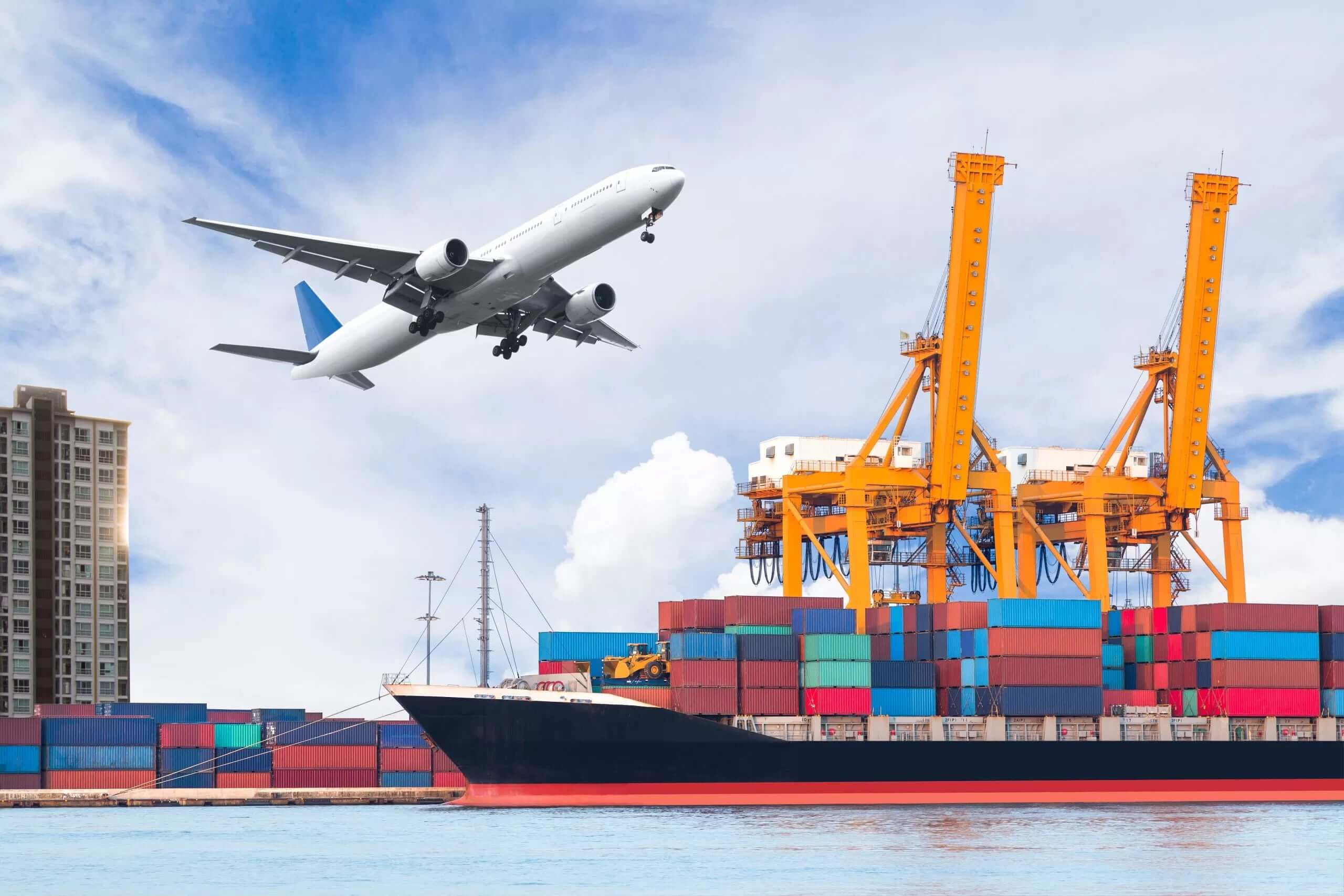
Shipping from the USA to Germany involves more than moving cargo across the Atlantic. The departure location, type of goods, customs requirements, and final delivery address all affect how the shipment should be arranged. A few pallets of urgent components may travel by air to Frankfurt, while a container of manufacturing equipment could arrive through Hamburg or Bremerhaven.
Germany has some of Europe’s busiest freight terminals, with established connections to American ports and airports. Its road, rail, and inland waterway networks also make it possible to move imported goods to industrial centers, warehouses, and distribution facilities throughout the country.
RAM International Shipping works as a freight forwarder, arranging international transportation with ocean carriers, airlines, and other logistics providers. The company coordinates shipping arrangements and supporting services rather than operating the vessels or aircraft used for transatlantic freight.
Planning Freight Shipping from the USA to Germany
The first decision is how the cargo should travel. Freight volume, weight, delivery urgency, and handling requirements determine which transportation method is practical.
Ocean freight is usually better suited to larger commercial shipments, including industrial machinery, furniture, automotive components, and inventory intended for regular distribution. Air freight is often selected for urgent spare parts, electronics, specialized equipment, and other goods that need to reach Germany within a shorter period.
The American departure point also matters. Cargo collected near New York or New Jersey may have different routing options from a shipment originating in Texas or California. Inland transportation to the export terminal should be considered alongside the main international leg.
For Germany-bound shipments, the delivery location is equally important. Freight intended for Berlin, Munich, Frankfurt, Stuttgart, or Düsseldorf may require different arrangements after arriving at a port or airport.
Some shipments can arrive through a single international gateway. Others involve a combination of ocean or air transportation, terminal handling, and inland freight services. Comparing these arrangements before booking can help avoid unnecessary handling or an unsuitable arrival point.
Air Freight from the USA to Germany: Airports and Cargo Handling
Germany has several major international airports that handle commercial freight, making air transportation an option for businesses with time-sensitive shipments.
Frankfurt Airport (FRA) is Germany’s largest air cargo airport and one of Europe’s principal freight hubs. It handles substantial volumes of international cargo, including industrial components, electronics, pharmaceuticals, and temperature-sensitive products.
Its location in central Germany provides access to major road connections for onward delivery to cities and industrial regions across the country.
Leipzig/Halle Airport (LEJ) is another major freight hub, particularly for express and time-sensitive cargo. The airport is home to DHL’s large international express hub and supports dedicated cargo aircraft operations.
Munich Airport (MUC) can also be considered for shipments serving southern Germany, depending on available flights and cargo services.
Major American departure airports may include New York JFK, Chicago O’Hare, Los Angeles, Atlanta, and Miami. Some shipments travel on direct flights, while others connect through additional airports depending on airline capacity and scheduling.
Air freight charges are generally based on chargeable weight. Airlines compare the shipment’s actual weight with its volumetric weight, which reflects the space occupied by the cargo, and use the higher figure.
Packaging dimensions therefore affect pricing. Large, lightweight packages may have a higher chargeable weight than expected. Dangerous goods, lithium batteries, and temperature-controlled products can also require additional documentation or handling arrangements before acceptance.
Through its air freight services, RAM coordinates transportation with airlines and logistics partners according to the shipment’s specifications and required delivery schedule.
Ocean Freight Shipping from the USA to Germany: FCL and LCL
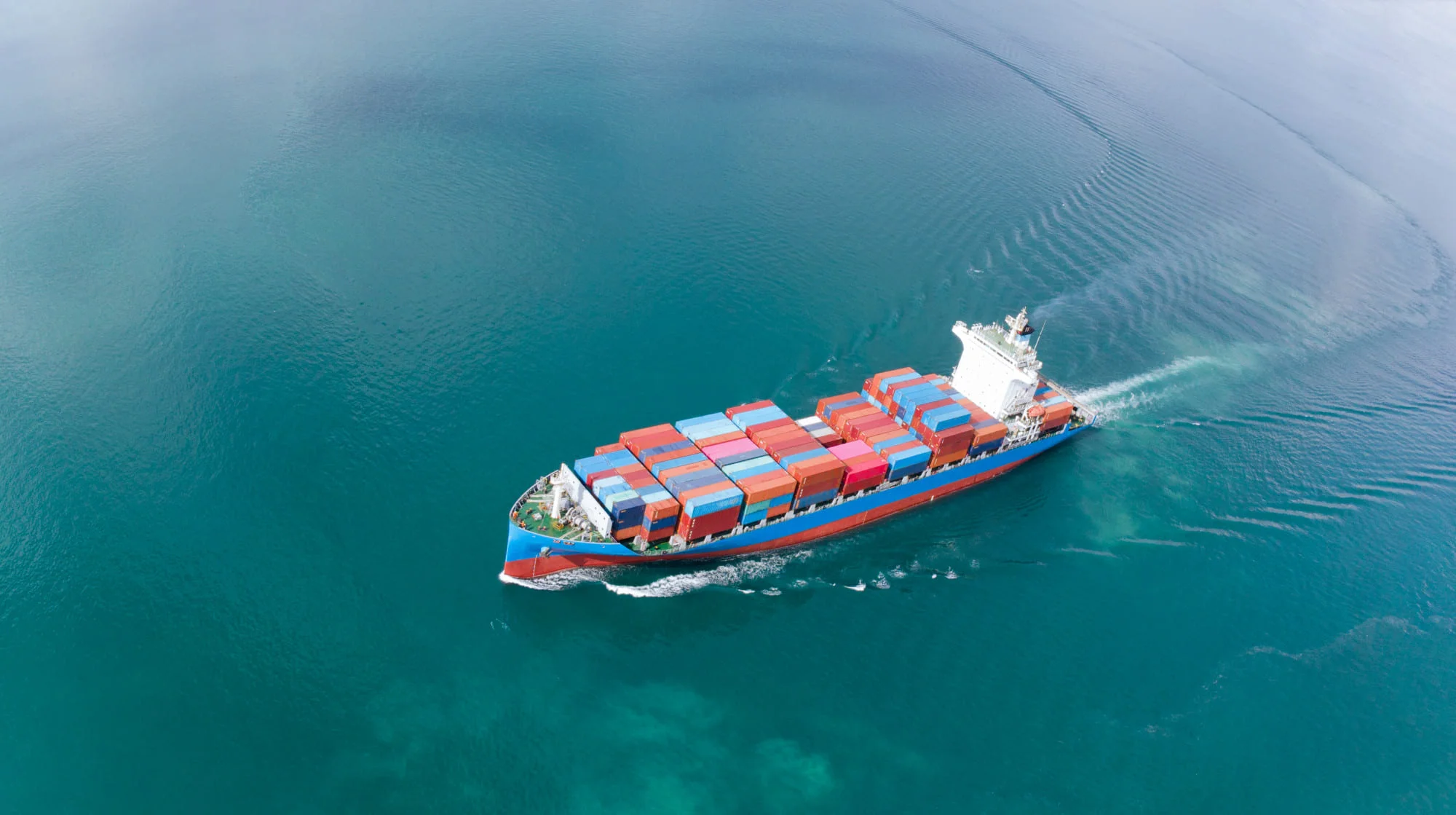
For heavy or large-volume cargo, ocean freight generally provides a lower transportation cost per unit than air shipping. Germany’s northern seaports handle substantial container traffic and connect with major international shipping routes.
Port of Hamburg is Germany’s largest container port. Located on the Elbe River, it serves international shipping lines and provides extensive connections to inland destinations by road, rail, and barge.
Port of Bremerhaven is another major container gateway, located near the mouth of the Weser River. It is particularly important for containerized freight and vehicle transportation, with facilities supporting both cargo handling and onward distribution.
Port of Wilhelmshaven includes the JadeWeserPort container terminal, a deep-water facility capable of handling large container vessels. It provides another option for certain international container services.
US departure ports may include New York/New Jersey, Norfolk, Charleston, Savannah, Houston, Los Angeles, and Long Beach. The appropriate port depends on the cargo’s origin, available sailings, and the German destination.
Standard containerized freight is generally transported using one of two arrangements.
Full Container Load (FCL) gives one shipper exclusive use of a container. Common equipment includes 20-foot and 40-foot containers, with high-cube options available for cargo requiring additional internal height.
FCL is frequently used for substantial commercial shipments or goods that benefit from remaining together in one container. Filling the entire container is not always necessary. Depending on volume and local handling costs, FCL may sometimes be more economical than shared container transportation.
Less than Container Load (LCL) allows several customers’ shipments to share a container. Cargo is consolidated before departure and separated after arrival. This is useful for smaller orders or businesses shipping only a few pallets at a time.
However, consolidation and deconsolidation introduce additional handling stages that may extend the delivery schedule.
Oversized machinery, certain vehicles, and industrial equipment may require flat-rack containers, open-top equipment, or Ro-Ro transportation where suitable services are available.
RAM arranges container bookings and other suitable cargo transportation options through its ocean freight services.
Ground Freight and Inland Delivery Across Germany
Germany’s transportation network is an important part of the international freight process. Cargo arriving at Hamburg or Bremerhaven does not necessarily remain near the coast. It may need to continue hundreds of kilometers to a warehouse, factory, or distribution center.
The Port of Hamburg has extensive rail connections to German and European inland terminals. Containers can move by train to logistics centers farther inland, where trucks may complete the final delivery. Barge transportation is also available along connected inland waterways.
Road freight remains important for deliveries that need more flexibility, particularly when the receiving facility is not directly served by rail.
For example, machinery imported through Bremerhaven may be transported by truck or rail toward an industrial destination in Bavaria. A container arriving in Hamburg could continue to a distribution center in Berlin or another German city.
Ground freight also supports the American export stage. Suppliers may need cargo collected from their premises and transported to a seaport, airport, or consolidation facility before international departure.
RAM’s ground freight services support inland cargo movements within the United States. For delivery in Germany, road or rail arrangements can be coordinated with the relevant transportation partners.
Choosing the arrival gateway and inland route together is often more practical than selecting the cheapest ocean or air transportation rate without considering the final destination.
Customs Clearance for Shipping Goods from the USA to Germany
Germany is part of the European Union, so commercial goods imported from the United States must comply with applicable EU customs regulations. Importers need accurate documentation, appropriate commodity classifications, and any permits required for regulated products.
The documents commonly used for commercial imports include:
- Commercial invoice: Identifies the seller, buyer, goods, transaction value, and relevant terms of sale.
- Packing list: Provides information about the number of packages, their contents, weights, and dimensions.
- Bill of lading or air waybill: Contains details of the international transportation arrangement.
- Commodity classification: The appropriate EU tariff code used to establish duties and applicable import measures.
- Additional permits or certificates: Required for certain products, depending on their classification, origin, and intended use.
Businesses conducting customs activities generally need an Economic Operators Registration and Identification (EORI) number. The European Commission’s EORI guidance explains the registration requirements for economic operators involved in import, export, and transit procedures.
Businesses established in the EU generally obtain their EORI number from the customs authority of their country of establishment. Operators based outside the EU may need to register in the member state where they first conduct a customs operation requiring EORI identification.
Import duties depend on the product’s classification, customs value, origin, and applicable EU tariff measures. The relevant tariff treatment should be checked before the goods are shipped.
Germany’s standard import value-added tax rate is 19%, with a reduced rate of 7% applying to certain goods.
Import VAT is generally calculated using a tax base that includes the customs value and applicable additional charges, such as customs duties and certain transportation costs. Eligible businesses may be able to deduct import VAT as input tax under the relevant tax rules.
Certain products also require closer attention before export. Food, agricultural goods, pharmaceuticals, chemicals, and electrical equipment may be subject to EU product regulations, inspections, or licensing requirements.
For goods entering the EU through another member state, customs clearance may take place at the initial entry location or after movement under an appropriate customs transit procedure.
Import responsibilities should be established through the agreed Incoterms and sales contract. RAM can help coordinate documentation and customs-related arrangements through its customs clearance services, working with the relevant parties involved in the shipment.
Shipping Times and Freight Costs from the USA to Germany
Transit times depend on the transportation method, US departure location, destination gateway, and carrier schedule. The time spent on a vessel or aircraft should not be confused with the complete delivery period.
Ocean freight from the United States to Germany can take approximately 15–50 days, depending on the route. Some direct East Coast services to Hamburg or Bremerhaven can complete the port-to-port journey in roughly two to three weeks, while West Coast departures, transshipments, and LCL arrangements may require considerably longer.
Air freight generally offers shorter transit periods, often around 3–8 days under suitable freight arrangements. Actual door-to-door delivery may take longer because of pickup, terminal handling, customs procedures, and inland transportation.
For both methods, delays can occur because of carrier schedules, terminal congestion, customs inspections, or incomplete documentation.
Freight prices depend on weight, volume, cargo type, container selection, and the origin and destination addresses. Fuel charges, carrier capacity, terminal handling, and special transportation requirements can also affect the final cost.
Customers can use the Freight Rate Calculator to compare preliminary transportation costs. Before booking, the quotation should be checked for pickup charges, destination handling, customs-related services, and final delivery.
A lower port-to-port rate does not necessarily mean a lower total shipping cost. For shipments delivered far from the arrival terminal, inland transportation may represent a significant part of the overall expense.
Arranging Shipping to Germany with RAM International Shipping
RAM International Shipping coordinates the transportation services required to move cargo from the United States to Germany. The arrangements depend on the goods being transported and the level of service requested.
To prepare a shipment, customers should provide the cargo description, weight, dimensions, pickup location, and destination address. Information about the required delivery date, cargo value, and any special handling needs is also useful.
RAM can then review suitable carrier options, coordinate the international booking, and help arrange supporting services such as cargo collection, consolidation, documentation, and inland delivery.
For regular commercial shipments, planning the transportation schedule around inventory requirements can help avoid unnecessary storage or urgent replacement orders. Larger or specialized cargo should be reviewed before booking to confirm equipment availability and handling requirements.
Contact RAM International Shipping to discuss the available freight forwarding options for shipping from the USA to Germany based on your cargo, origin, destination, and required delivery schedule.