
Shipping from the USA to Poland: Air and Ocean Freight Services
Shipping from the USA to Poland involves choosing an international freight route, preparing customs documentation, and arranging delivery to the final destination. A container of industrial equipment headed to Warsaw may arrive through Gdańsk, while urgent manufacturing components destined for southern Poland could travel by air to Katowice.
Poland has major Baltic Sea ports, international cargo airports, and an extensive road and rail network. These facilities support imports of machinery, automotive components, electronics, manufacturing materials, and commercial inventory from the United States.
RAM International Shipping operates as a freight forwarder, arranging transportation with ocean carriers, airlines, and logistics partners. Rather than operating vessels or aircraft, RAM coordinates freight bookings, documentation, and supporting transportation services according to the cargo’s requirements.
Ocean Freight from the USA to Poland: Gdańsk, Gdynia, and Container Shipping
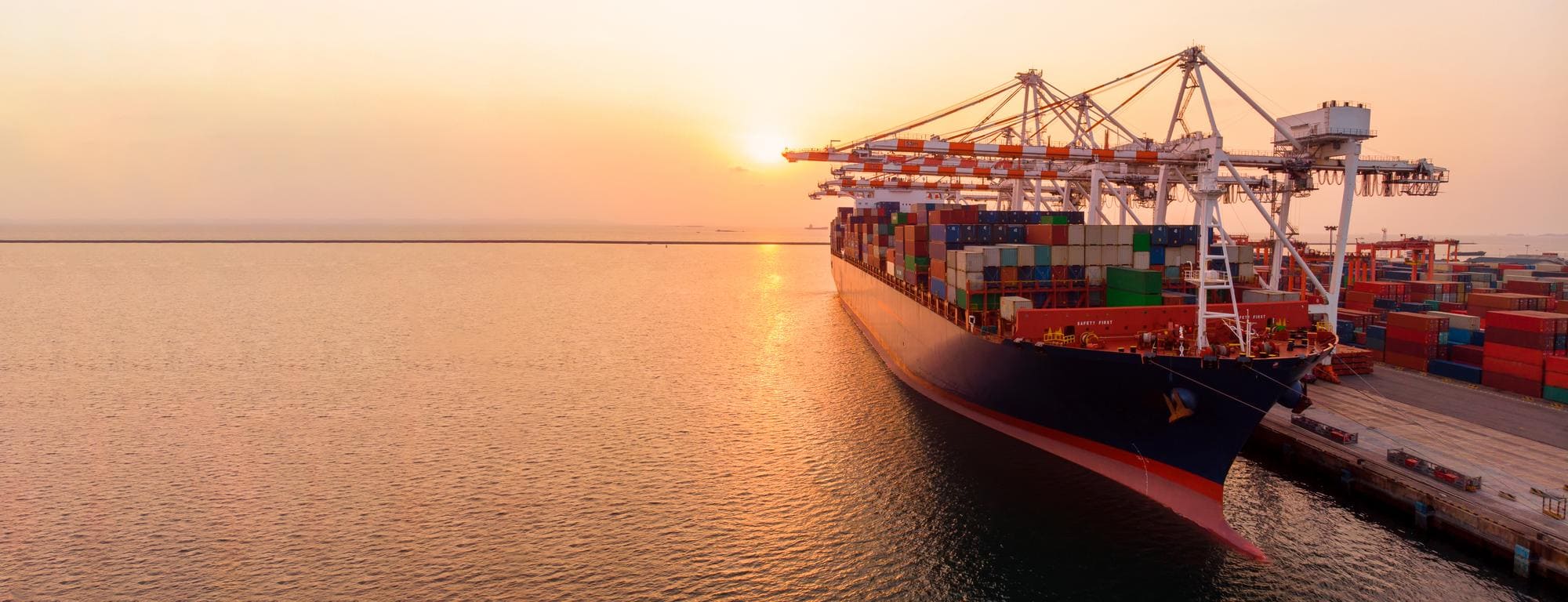
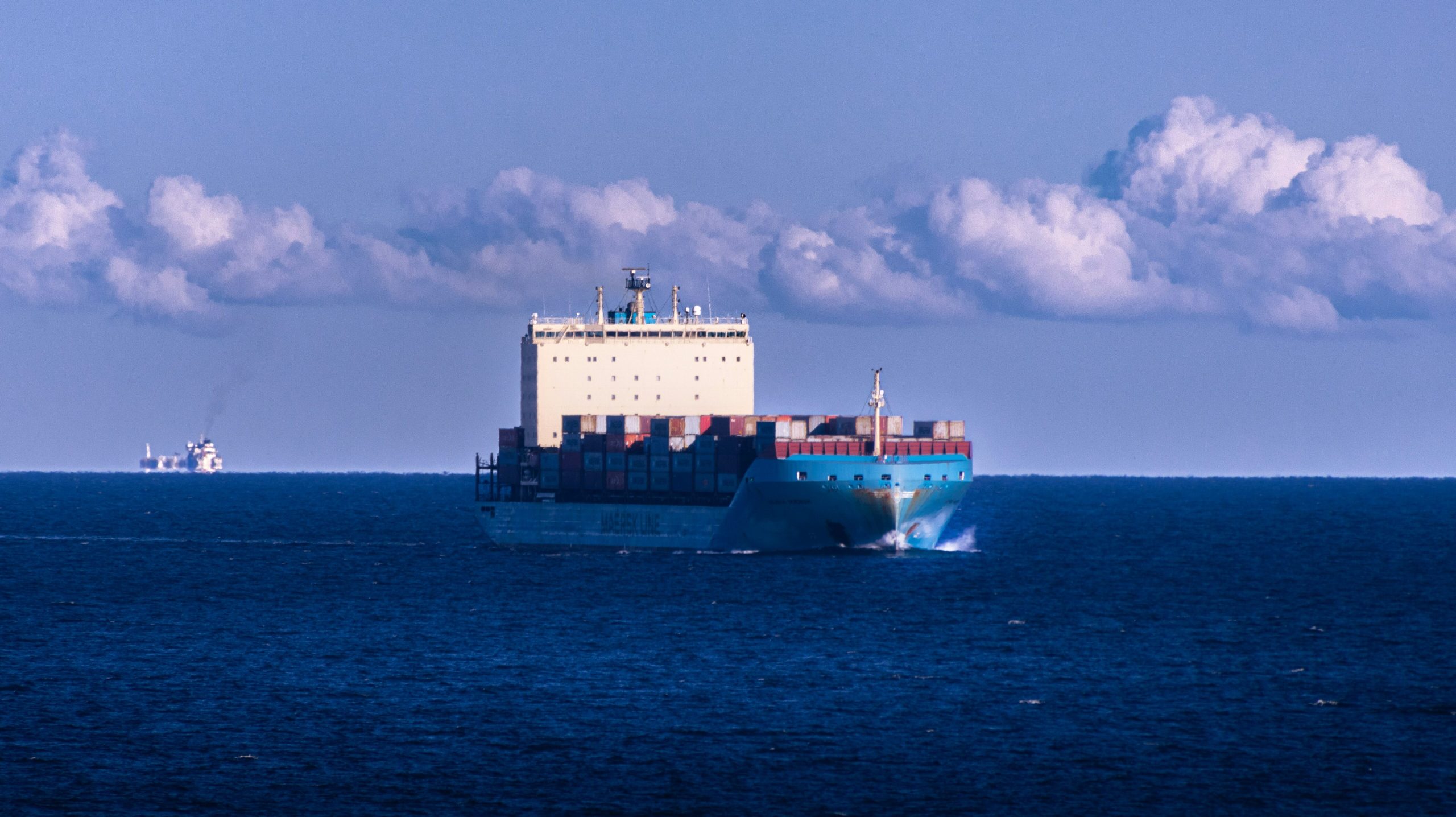
Ocean freight is commonly used for transporting large or heavy commercial shipments from the United States to Poland. It is generally more economical than air transportation for machinery, furniture, manufacturing equipment, and inventory that does not require urgent delivery.
Port of Gdańsk is Poland’s principal deep-water container gateway and one of the largest ports in the Baltic Sea region. Its Baltic Hub terminal handles international container vessels and provides connections to European road and rail networks.
The port’s location makes it suitable for goods destined for northern and central Poland, although containers arriving at Gdańsk may also continue to industrial and distribution centers farther inland.
Port of Gdynia is another important Polish container port. Its facilities include the Baltic Container Terminal and Gdynia Container Terminal, both handling commercial freight and supporting onward transportation by road or rail.
Ports of Szczecin and Świnoujście serve western Poland and handle various types of cargo, including bulk commodities, general freight, and Ro-Ro traffic. Their suitability for an international shipment depends on the available handling facilities and carrier services.
Containers from the United States may depart through New York/New Jersey, Norfolk, Savannah, Charleston, Houston, Los Angeles, or Long Beach. The departure point depends on where the goods originate and which shipping services are available.
Some shipments reach Polish ports through direct ocean services, while others require transshipment at European hubs such as Rotterdam, Hamburg, or Bremerhaven.
For standard containerized freight, businesses generally choose between two arrangements.
Full Container Load (FCL) gives one shipper exclusive use of a shipping container. Common options include 20-foot and 40-foot containers, with high-cube equipment available when additional internal height is required.
FCL is suitable for larger commercial orders, regular inventory imports, and goods that benefit from remaining together in a dedicated container. The container does not need to be completely filled. Depending on cargo volume and handling charges, FCL may sometimes be more economical than shared container transportation.
Less than Container Load (LCL) allows smaller shipments to share container space with other customers’ goods. Freight is consolidated before departure and separated at an appropriate facility after arrival.
LCL can be practical for companies importing a few pallets or smaller quantities of equipment. However, consolidation, transshipment, and deconsolidation may extend the overall delivery period.
Oversized machinery and industrial components may require flat-rack containers, open-top equipment, or specialized handling arrangements. Refrigerated containers may also be suitable for goods requiring controlled temperatures.
RAM coordinates international container bookings through its ocean freight services, working with shipping lines and transportation partners according to cargo specifications.
Air Freight Shipping from the USA to Poland: Warsaw and Katowice
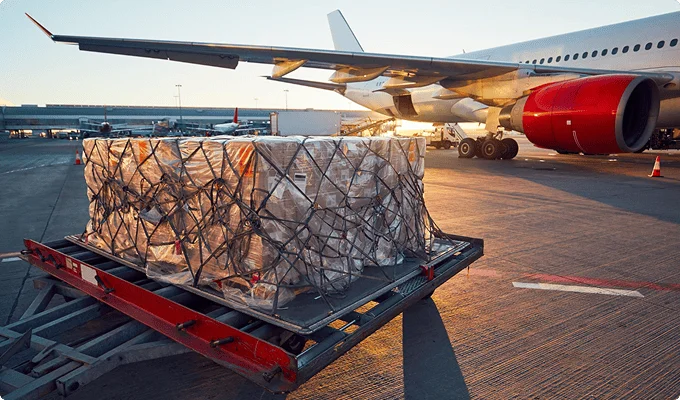
Air freight is generally the faster option for shipments that cannot spend several weeks in ocean transit. It is commonly used for urgent replacement parts, electronics, medical equipment, specialized tools, and other time-sensitive commercial goods.
Warsaw Chopin Airport (WAW) is Poland’s principal international air cargo gateway. Its cargo facilities handle different categories of commercial freight, including general cargo, valuable goods, perishables, and temperature-sensitive products.
The airport’s location near the capital makes it practical for shipments destined for Warsaw, Łódź, and other commercial centers in central Poland.
Katowice Airport (KTW), located in southern Poland, is another important freight gateway. Its cargo terminal handles international shipments and supports express logistics operations.
Katowice can be particularly relevant for deliveries to manufacturing and distribution facilities in Silesia and surrounding regions, including Katowice, Gliwice, and Częstochowa.
Commercial freight may depart from American airports such as New York JFK, Chicago O’Hare, Los Angeles, Atlanta, or Miami. Depending on airline schedules and cargo capacity, shipments may travel directly to Poland or connect through another European airport.
Air freight charges are generally based on chargeable weight. Airlines compare the shipment’s actual weight with its volumetric weight, which reflects the space occupied by the cargo, and use the higher figure.
Accurate packaging dimensions are therefore important. Large but relatively lightweight packages may result in higher transportation charges than their physical weight suggests.
Some cargo also requires additional preparation. Lithium batteries, dangerous materials, pharmaceuticals requiring temperature control, and oversized equipment may need approved packaging, special documentation, or specific handling arrangements.
RAM coordinates international air cargo through its air freight services, arranging transportation with airlines and logistics partners based on the shipment’s requirements.
Poland Customs Clearance: EORI, Import Duties, and VAT
Poland is a member of the European Union, so goods imported from the United States must comply with applicable EU customs regulations. Commercial importers need accurate documentation, appropriate commodity classifications, and any permits required for regulated products.
For most commercial freight shipments, the documentation commonly includes:
- Commercial invoice: Identifies the seller, buyer, goods, transaction value, currency, and relevant commercial terms.
- Packing list: Provides package quantities, contents, dimensions, and weights.
- Bill of lading or air waybill: Contains transportation information for the ocean or air shipment.
- Commodity classification: The appropriate EU tariff code used to determine applicable customs duties and import requirements.
- Additional certificates or permits: Required for certain regulated products, depending on their classification, origin, and intended use.
Businesses carrying out customs activities generally need an Economic Operators Registration and Identification (EORI) number.
According to the Polish government’s official EORI registration guidance, this number identifies economic operators involved in customs procedures throughout the European Union.
Businesses established in Poland can obtain an EORI number through the Polish Electronic Tax and Customs Services Platform (PUESC). Companies established elsewhere in the EU normally use their existing EORI number, while operators based outside the EU may need registration in the member state where they first perform relevant customs activities.
Import duties depend on the goods’ tariff classification, customs value, country of origin, and applicable EU trade measures. Products shipped from the United States are not automatically exempt from customs duties.
Poland’s standard value-added tax (VAT) rate is 23%. Reduced rates of 8% and 5%, as well as zero-rated transactions and exemptions, apply to certain qualifying goods and services.
The Polish Ministry of Finance’s official VAT guidance provides information about the standard and reduced tax rates.
Import VAT is generally calculated using a taxable amount that includes the customs value, applicable import duties, and certain additional transportation, insurance, and related costs.
Some goods require additional checks before entering Poland. Food products, agricultural goods, pharmaceuticals, chemicals, and certain electrical equipment may be subject to EU product regulations, inspections, or import authorizations.
Customs arrangements also depend on the shipment’s European entry point. A container arriving through Hamburg may be cleared for free circulation in Germany or transported under an appropriate customs transit procedure before import clearance in Poland.
Once goods have been released for free circulation in the EU, they can generally move to Poland or other member states without another standard import customs declaration. However, VAT and other commercial obligations may still apply.
The agreed Incoterms and sales contract should establish which party is responsible for transportation charges, customs formalities, import duties, and taxes.
RAM can coordinate documentation and customs-related arrangements through its customs clearance services, working with the relevant parties involved in the shipment. Importers remain responsible for providing accurate cargo information and meeting applicable legal requirements.
Ground Freight and Inland Distribution Across Poland
Ground transportation is an important part of shipping commercial freight to Poland. After arriving at a seaport or airport, goods may still need to travel to a manufacturing facility, warehouse, or distribution center.
Poland’s road network connects Gdańsk and Gdynia with Warsaw, Łódź, Poznań, Wrocław, Kraków, Katowice, and other commercial destinations.
For example, a container arriving through Gdańsk may continue by truck to a distribution center near Łódź. Machinery destined for an industrial facility in Silesia may require a different route or a combination of rail and road transportation.
The A1 motorway provides an important north-south connection, while the A2 and A4 motorways support freight movements across central and southern Poland.
Rail transportation is another option for suitable containerized shipments. Intermodal terminals connect the Baltic ports with inland logistics facilities, allowing containers to move by train before completing the final delivery by truck.
Poland also serves as a distribution location for goods moving to other European markets. Freight released for free circulation in the EU may continue to businesses in Germany, Czechia, Slovakia, Lithuania, and other member states under the applicable tax and commercial arrangements.
Ground freight is also relevant before cargo leaves the United States. Suppliers may need goods collected from factories or warehouses and transported to an export port, airport, or consolidation facility.
RAM’s ground freight services can support inland movements within the United States. For deliveries in Poland, suitable road or rail transportation can be coordinated with the relevant logistics partners.
Shipping Times and Freight Costs from the USA to Poland
Transit times vary depending on the American departure location, transportation method, carrier schedule, and final destination within Poland.
Ocean freight may take approximately 20–50 days between American departure ports and Polish maritime gateways under different routing arrangements. Some services from the US East Coast can offer shorter transit periods, while West Coast departures, transshipments, and LCL consolidation may require additional time.
Air freight can often take approximately 3–10 days under suitable international transportation arrangements. These are indicative planning estimates rather than guaranteed door-to-door delivery times.
The complete delivery schedule should also account for cargo pickup, export processing, terminal handling, customs clearance, and inland transportation.
For ocean freight, the selected port and the time required for LCL consolidation can affect the overall schedule. Air shipments may be influenced by flight connections, security screening, and available cargo capacity.
Shipping costs depend on cargo weight, dimensions, transportation mode, container requirements, carrier capacity, and the services included in the booking.
Ocean freight quotations may include container transportation, consolidation or deconsolidation, terminal handling, and inland delivery. Air freight quotations may include airport handling, security screening, and additional charges for specialized cargo.
Customers can use the Freight Rate Calculator to explore preliminary transportation costs. Before confirming a booking, the quotation should be checked for pickup charges, destination handling, customs-related services, and final delivery.
The lowest international freight rate does not always result in the lowest total shipping cost. Inland delivery distance, terminal charges, and additional handling should also be considered.
Arranging Freight Transportation to Poland with RAM
RAM International Shipping coordinates commercial freight transportation between the United States and Poland through ocean carriers, airlines, and supporting logistics providers.
The appropriate transportation arrangement depends on the type of goods, their weight and dimensions, the American departure location, and the final delivery address.
To prepare a shipment, customers should provide a description of the cargo, its dimensions and weight, the pickup address, and the destination in Poland. Any special handling requirements, customs information, or delivery deadlines should also be identified before booking.
With these details, RAM can review suitable routes and coordinate cargo collection, international transportation, documentation support, and onward delivery arrangements.
For businesses importing machinery, automotive components, electronics, or commercial inventory, planning customs clearance and inland delivery alongside the international transportation route can help reduce unnecessary handling and additional costs.
Contact RAM International Shipping to discuss the available freight forwarding options for shipping from the USA to Poland based on your cargo, origin, destination, and required delivery schedule.