

Shipping from the USA to Finland: Air and Ocean Freight Options
Shipping from the USA to Finland involves choosing a transportation method, preparing export documents, and arranging delivery through Finland’s ports or airports. The route that works for a few pallets of commercial goods may be quite different from the one used for a full container of machinery.
Finland has established cargo connections with major European transport hubs, making it possible to move freight from the United States by ocean or air. Shipments can arrive through Finnish terminals or enter Europe elsewhere before continuing to their destination.
RAM International Shipping works as a freight forwarder, arranging cargo transportation with shipping lines, airlines, and logistics partners. Its role is to coordinate the services needed to move goods between the United States and Finland, rather than operate the ocean vessels or aircraft carrying them.
Choosing Between Air and Ocean Freight to Finland
The most suitable shipping method depends on the cargo’s size, weight, value, and required delivery date. For businesses importing equipment or inventory, the cost of transportation also needs to be weighed against how long the goods can remain in transit.
Ocean freight is generally the more economical option for large or heavy shipments. It is commonly used for commercial inventory, manufacturing equipment, furniture, industrial components, and other goods that can travel for several weeks without affecting business operations.
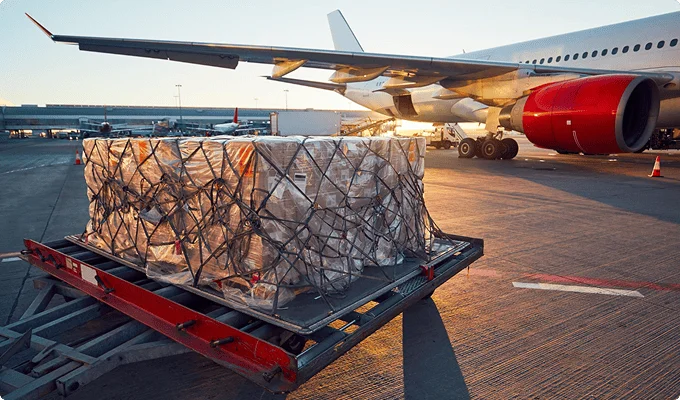
Air freight offers shorter transit times and is often chosen for replacement parts, electronics, specialized equipment, and urgent commercial orders. The higher transportation cost may be justified when waiting for a container would interrupt production or delay an important delivery.
There are also practical differences in handling. A large machine may be suitable for container transportation but too heavy or oversized for a particular aircraft. Conversely, a relatively small shipment may be easier to transport by air than to consolidate with other goods for an ocean sailing.
RAM can review the available options based on the shipment details. Comparing air and ocean quotations before booking can help determine which service offers the better balance between cost and delivery time.
Ocean Freight from the USA to Finland: Container Shipping Options
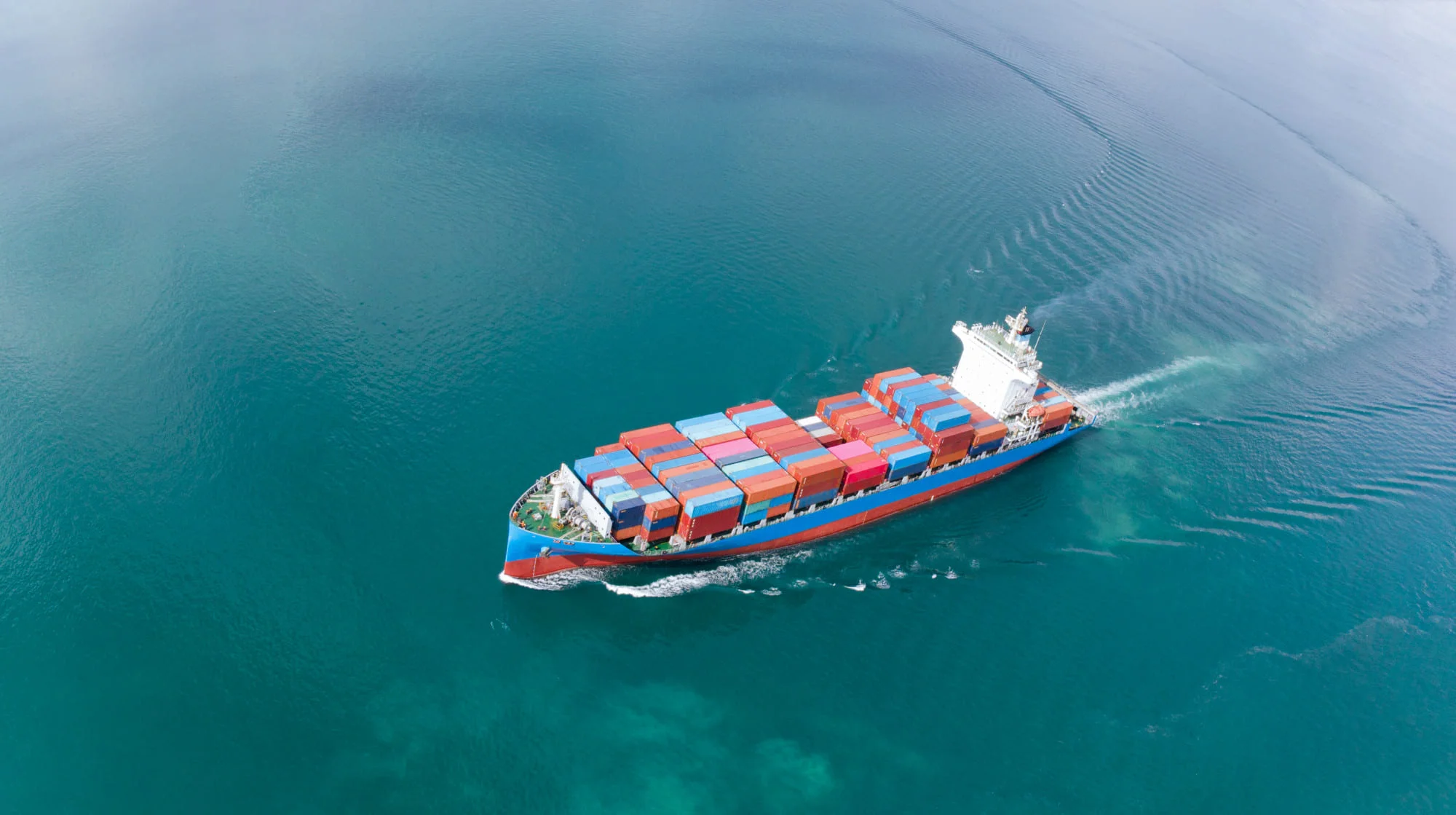
Container shipping is widely used for commercial freight moving across the Atlantic. Depending on the American departure port and the carrier’s service network, cargo may be transferred through a major European hub before reaching a Finnish seaport.
Ports such as New York/New Jersey, Norfolk, Savannah, Houston, and Los Angeles/Long Beach can serve as departure gateways for shipments originating in different parts of the United States. The actual route depends on available vessel services and the final destination in Finland.
For standard containerized cargo, shippers can generally choose between two arrangements.
Full Container Load (FCL) provides exclusive use of a shipping container for one shipper’s goods. Standard options include 20-foot and 40-foot containers, while high-cube equipment provides additional internal height for suitable cargo.
FCL is often appropriate for larger shipments, repeated commercial imports, or goods that are better transported without sharing container space. The container does not need to be completely full. Depending on the shipment volume and handling charges, reserving a full container can sometimes cost less than moving the same goods as LCL freight.
Less than Container Load (LCL) allows smaller consignments to share space in one container. Freight from several shippers is consolidated before departure and separated at the destination facility.
This arrangement is useful for companies importing a few pallets or testing a new product line without ordering enough inventory to fill an entire container. However, consolidation and deconsolidation add handling stages and can increase the overall shipping time.
Oversized machinery and industrial equipment may need specialized containers or alternative cargo arrangements. Flat-rack equipment, for example, can accommodate certain loads that cannot fit inside a standard enclosed container. Availability depends on the dimensions, weight, and intended route.
RAM arranges FCL, LCL, and other suitable cargo transportation options through its ocean freight services, coordinating bookings with carriers and the additional logistics services required for the shipment.
Air Freight Shipping from the USA to Finland via Helsinki Airport
For cargo that needs to arrive within days rather than weeks, air transportation is the main alternative to ocean shipping.
Helsinki Airport (HEL), located in Vantaa, is Finland’s primary international air cargo gateway. Its cargo facilities support shipments moving between Finland, North America, Europe, and other international markets.
American departure airports may include New York JFK, Chicago O’Hare, Los Angeles, Atlanta, and Miami. Depending on airline schedules and cargo capacity, freight may travel on a direct service to Helsinki or connect through another European airport.
Unlike ocean container transportation, air freight charges are generally based on chargeable weight. Airlines compare the shipment’s actual weight with its volumetric weight, calculated from the space it occupies, and apply the higher figure.
This makes packaging especially important. Large boxes containing relatively lightweight products may result in higher charges than expected. Reducing unnecessary packaging volume, when safe for the cargo, can help control transportation costs.
Airlines also have specific acceptance requirements for certain goods. Products containing lithium batteries, hazardous materials, or temperature-sensitive cargo may require special documentation, packaging, or handling arrangements. Some items cannot be accepted on particular flights.
For shipments headed to Tampere, Turku, Oulu, or other Finnish cities, cargo may arrive at Helsinki Airport and continue by road. This additional transportation should be included when planning the complete delivery schedule.
RAM coordinates international air cargo movements through its air freight services, working with transportation partners to arrange a suitable route for each shipment.
Major Finnish Ports and Ground Freight Connections
Finland has several commercial seaports, but the best arrival point depends on the type of freight and where it needs to be delivered.
Port of Helsinki: Vuosaari Harbour is Helsinki’s main cargo harbour for containerized freight, Ro-Ro traffic, and project cargo. Located in the eastern part of Helsinki, it has road connections through the capital region and a rail link to Finland’s main railway network.
Port of HaminaKotka: Located in southeastern Finland, HaminaKotka is the country’s largest container port. Its Mussalo container terminal handles a substantial share of Finnish container traffic and connects with European maritime services. The E18 motorway provides road access to the surrounding logistics network.
Port of Rauma: On Finland’s western coast, Rauma handles containerized freight and industrial cargo. It can be relevant for shipments serving western and central Finland, depending on available shipping routes.
Other ports, including Turku and Oulu, handle different types of freight and may be considered for particular cargo or regional transportation requirements.
Many container shipments from the United States pass through European hubs such as Rotterdam, Hamburg, or Antwerp before continuing by feeder vessel to Finland. The transshipment arrangement depends on the carrier’s network and schedule.
Ground freight becomes relevant at both ends of the journey. In the United States, trucks can collect cargo from suppliers or warehouses and bring it to the departure port or airport. RAM’s ground freight services can support the American inland transportation stage.
In Europe, cargo may continue by truck, sometimes combined with ferry transportation across the Baltic Sea. Road routes through Sweden are another possibility. These arrangements can connect European cargo terminals with final delivery points in Finland.
Deliveries to northern Finland may require a longer inland journey than shipments destined for Helsinki or nearby cities. For customers with a fixed delivery deadline, the final transportation stage should be planned alongside the international booking.
Finnish Customs Clearance: Import Documents, Duties, and VAT
Finland is a member of the European Union, so commercial shipments arriving from the United States must comply with applicable EU import and customs requirements.
The importer needs to provide accurate information about the goods, their value, origin, and classification. Missing or inconsistent documents can delay cargo release even when the shipment has already reached the destination terminal.
The documents commonly required for commercial imports include:
- Commercial invoice: Identifies the seller, buyer, goods, transaction value, and relevant commercial terms.
- Packing list: Provides package quantities, contents, weights, and dimensions.
- Bill of lading or air waybill: Contains the transportation details for an ocean or air shipment.
- Commodity classification: The appropriate EU tariff code used to establish customs duties and other applicable measures.
- Additional permits or certificates: Required for certain regulated goods, depending on their classification and intended use.
Businesses involved in customs operations generally need an Economic Operators Registration and Identification (EORI) number. The Finnish Customs EORI registration guidance explains that this identifier is required for almost all customs declarations involving trade with non-EU countries.
Import duties depend on the product’s customs classification, origin, customs value, and applicable tariff measures. Goods manufactured in the United States are not automatically exempt from EU customs duties.
Finland’s standard VAT rate is 25.5%, effective since September 1, 2024. Reduced rates or exemptions may apply to certain products and transactions.
There is also an important distinction in how import VAT is handled. According to the Finnish Tax Administration’s guidance on imported goods, businesses registered for VAT in Finland generally report import VAT through their VAT returns. Finnish Customs handles import VAT in other situations, including imports by private individuals and certain businesses without Finnish VAT registration.
Some products require additional checks before they can enter Finland. Food products, medicines, chemicals, agricultural goods, and certain electrical equipment may be subject to EU restrictions, inspections, or product-specific documentation requirements.
Shipments going to the Åland Islands also need special attention. Although the islands are part of Finland, they are outside the EU’s VAT and excise duty territory. This creates separate tax-border procedures for certain movements of goods.
For freight entering the EU through another member state, customs clearance may take place at the first entry location or after transportation under a customs transit procedure. The correct approach depends on the route and import arrangements.
RAM can assist with shipping documentation and coordinate customs-related services through its customs clearance services. Importers are still responsible for providing correct information and meeting the requirements applicable to their goods.
Shipping Times, Freight Costs, and Planning with RAM
Transit times from the United States to Finland vary with the transportation mode, departure port, carrier connections, and final delivery location.
Ocean freight can often take approximately 20–40 days on suitable routes between the United States and Finland. Some FCL services may offer shorter port-to-port transit, while LCL shipments and routes involving additional consolidation or transshipment can take longer.
Air freight commonly takes around 5–7 days under standard arrangements, although faster services may be available on certain routes. These estimates do not guarantee delivery to the final address within that period.
The complete delivery schedule can include pickup, export processing, terminal handling, international transportation, customs clearance, and inland delivery. A shipment moving to northern Finland, for example, may require more time after arrival than cargo delivered within the Helsinki region.
Shipping costs also depend on the type of cargo, its actual and volumetric weight, container requirements, carrier capacity, and the transportation services included in the booking.
For an initial cost estimate, customers can use the Freight Rate Calculator. A detailed quotation should clarify whether the price includes pickup, terminal charges, customs-related services, and delivery to the final destination.
RAM International Shipping coordinates freight transportation with ocean carriers, airlines, and other logistics providers. Depending on the shipment, this may include inland collection, cargo consolidation, transportation bookings, documentation support, and delivery coordination in Finland.
Customers should provide the cargo description, dimensions, weight, pickup address, delivery location, and preferred schedule when requesting transportation arrangements. Any special handling requirements should be identified before booking.
Contact RAM International Shipping to discuss the available freight forwarding options for shipping from the USA to Finland based on your cargo, origin, destination, and required delivery schedule.