
Shipping freight from the United States to Belgium is a well-established route for companies moving commercial inventory, industrial equipment, automotive products, chemicals, and other cargo into Europe.
Belgium has direct access to major transatlantic ocean services, several international air cargo facilities, and an extensive network of road, rail, and inland waterway connections.
For shipments destined for Antwerp, Brussels, Ghent, Liège, or another Belgian city, the transportation method depends mainly on cargo volume, delivery requirements, and the U.S. departure location.
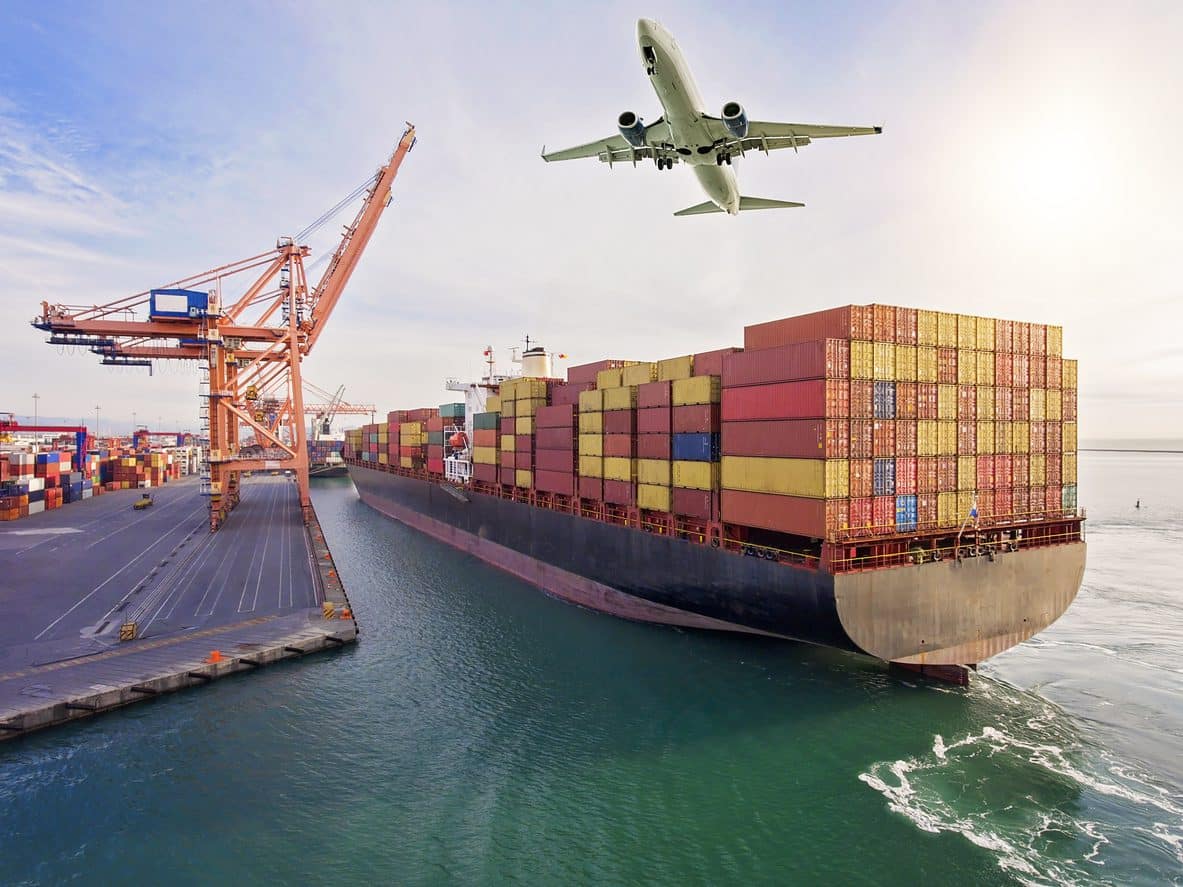
Ocean freight is commonly used for larger commercial shipments, machinery, vehicles, and palletized goods. Air freight is more suitable for urgent replacement parts, pharmaceuticals, electronics, and high-value products that require shorter transit times.
RAM International Shipping operates as a freight forwarder rather than a vessel-operating carrier or airline. As a licensed NVOCC, RAM arranges ocean transportation with shipping lines. Its IATA-licensed air freight operation coordinates shipments with airlines and other logistics providers.
Ocean Freight from USA to Belgium via Antwerp and Zeebrugge
Belgium has one of Europe’s largest maritime logistics networks, with Port of Antwerp-Bruges serving as the country’s principal international cargo gateway.
The port combines the operations of Antwerp and Zeebrugge, which have different but complementary specializations.
Antwerp is particularly important for containerized freight, chemical products, general cargo, and industrial shipments. It is one of Europe’s largest container ports and handles regular international services connecting North America with European markets.
Zeebrugge is an important gateway for vehicles, Ro-Ro cargo, and other specialized shipments. Its terminals handle passenger vehicles, trucks, heavy equipment, and cargo transported on wheeled trailers.
The distinction matters when selecting a destination terminal. A standard container of commercial goods may be routed through Antwerp, while a vehicle shipment could require a specialized Ro-Ro service using Zeebrugge or another suitable terminal.
According to Port of Antwerp-Bruges, the United States became its largest trading partner by total cargo volume in 2025, accounting for approximately 31.3 million tonnes of maritime throughput.
For U.S. exporters, the available departure ports can include New York/New Jersey, Norfolk, Savannah, Charleston, Houston, Baltimore, Los Angeles, and Long Beach.
East Coast ports often provide more direct transatlantic connections to Northern Europe. Freight originating on the West Coast may require a longer ocean journey or a different routing arrangement.
The final choice depends on available vessel schedules, container capacity, cargo characteristics, and the shipment’s location within the United States.
Official information about the port’s container facilities and transportation connections is available from the Port of Antwerp-Bruges.
FCL, LCL and Specialized Cargo Shipping to Belgium
The volume of cargo is one of the main factors when selecting an ocean freight service.
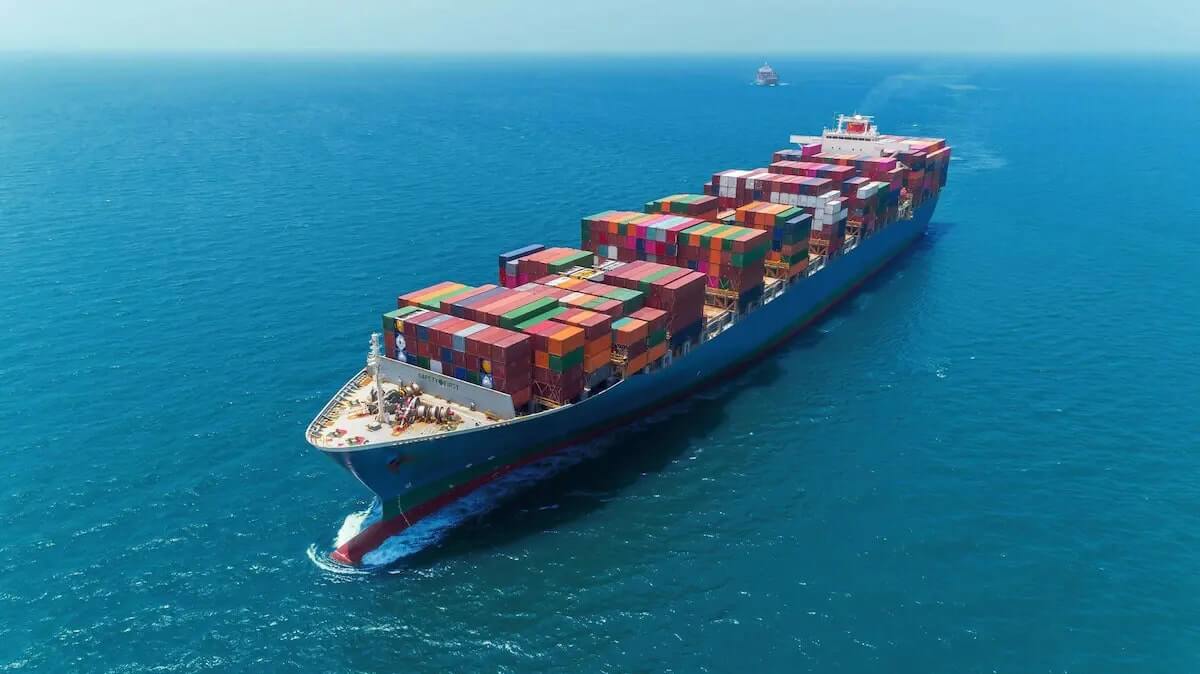
Full Container Load (FCL) gives one shipper exclusive use of a container. Standard 20-foot, 40-foot, and 40-foot high-cube containers are commonly used for machinery, commercial inventory, manufacturing materials, and palletized products.
FCL is often appropriate for larger shipments or goods that benefit from fewer handling stages. The container can remain sealed during much of the journey, although customs inspections or other operational requirements may involve opening it.
Less than Container Load (LCL) allows smaller consignments to share container space with goods from other shippers.
LCL can be useful for companies importing a few pallets of equipment, replacement components, retail products, or commercial samples.
However, consolidated cargo requires additional handling at origin and destination warehouses. The shipment may need to be separated from other freight before it becomes available for customs clearance and delivery.
The difference between FCL and LCL should therefore be evaluated using the complete transportation cost, including handling and inland delivery.
Belgium also has facilities for cargo that cannot travel in a standard dry container.
Industrial machinery, oversized equipment, and heavy components may require flat-rack containers, open-top equipment, or breakbulk transportation.
Vehicles and other wheeled equipment may be suitable for Ro-Ro shipping, depending on the cargo and available vessel service.
Port of Antwerp-Bruges has specialized automotive terminals handling cars, agricultural machinery, and heavy vehicles. Its Ro-Ro facilities provide another transportation option for cargo that would be difficult to accommodate in a conventional container.
RAM coordinates the relevant ocean bookings and cargo handling arrangements with the shipping lines and logistics providers responsible for each stage.
Air Freight from USA to Belgium: Brussels and Liège Airports
Belgium has two major international air freight gateways: Brussels Airport (BRU) and Liège Airport (LGG).
Brussels Airport operates a large cargo logistics area known as BRUcargo. It supports general commercial freight, electronics, valuable goods, pharmaceuticals, and other commodities requiring specialized handling.
The airport is particularly important for pharmaceutical logistics.
Brussels Airport has developed temperature-controlled transportation facilities and works with cargo-handling companies experienced in maintaining the conditions required for medicines and other sensitive products.
Its pharmaceutical logistics activities include the Brussels Airport Pharma.Aero network, which connects companies involved in temperature-sensitive air transportation.
Liège Airport is another major option, particularly for shipments moving through dedicated cargo aircraft operations.
Unlike airports focused primarily on passenger flights, Liège has developed extensive infrastructure for freight transportation, including cargo terminals, warehousing, and specialized handling services.
In 2025, Liège Airport handled approximately 1.325 million tonnes of cargo, confirming its position among Europe’s major freight airports.
More information about its facilities is available from Liège Airport Cargo.
For shipments from the United States, air freight can use direct flights where suitable capacity exists or connect through another international airline hub.
The route depends on the U.S. origin, cargo dimensions, available airline services, and the required delivery schedule.
Air freight is commonly selected for urgent industrial components, electronics, medical equipment, pharmaceutical products, and commercial shipments with strict deadlines.
Airlines calculate transportation charges using chargeable weight, comparing actual gross weight with volumetric weight.
A large but lightweight shipment may therefore be billed at a higher weight than its actual scale weight.
Dangerous goods, lithium batteries, pharmaceuticals, and temperature-sensitive products may require additional documentation, specialized packaging, or airline approval before acceptance.
RAM coordinates the airline booking and supporting cargo services rather than operating the aircraft.
Belgium Customs Clearance, Import Duties and VAT
Belgium is a member of the European Union and follows the EU’s common customs legislation for goods imported from countries outside the EU, including the United States.
Commercial imports normally require a customs declaration and supporting documentation identifying the goods, their value, origin, and applicable tariff classification.
The importer or an authorized customs representative is responsible for completing the relevant import procedures.
Documents commonly used for commercial shipments include:
- Commercial invoice identifying the goods, seller, buyer, and transaction value.
- Packing list showing the contents, quantities, dimensions, and gross weight.
- Bill of lading for ocean freight or air waybill for air freight.
- Customs declaration and related transport documentation.
- EORI number for the relevant economic operator.
- Certificates, import licenses, or other approvals where required.
An EORI number is used to identify economic operators involved in customs activities within the European Union. It is required for relevant import, export, and transit procedures.
Customs duties are calculated according to the goods’ classification, customs value, origin, and applicable EU tariff rules.
Belgium does not apply one universal customs duty rate to every imported product.
For example, the duty applicable to industrial machinery may differ from that applied to clothing, agricultural products, or other commercial goods.
The European Commission maintains the TARIC database, which contains EU customs tariff measures, trade restrictions, and product-specific requirements.
Belgium’s standard VAT rate is 21%, although reduced rates and exemptions apply to certain goods and transactions.
Import VAT treatment depends on the applicable customs procedure, importer, and tax arrangements. The amount due cannot be established solely from the freight value or general product description.
Some imported products also require additional checks.
Food, agricultural products, pharmaceuticals, medical devices, chemicals, and certain electronic equipment may be subject to permits, conformity requirements, inspections, or other EU regulations.
Goods intended for sale within the European Union may also need to comply with applicable product safety and labeling rules.
For U.S. exporters, Electronic Export Information filing and export licensing requirements must be reviewed where applicable.
The European Union also requires advance cargo safety and security information through its Import Control System 2 (ICS2), with the relevant supply chain parties responsible for submitting the required data.
Official Belgian customs information is available from FPS Finance – Customs and Excise.
Ground Freight and Inland Distribution Across Belgium
Belgium’s transportation infrastructure makes it practical to move cargo beyond the port or airport using trucks, trains, and inland waterways.
Containers arriving at Antwerp can continue to warehouses, distribution centers, industrial facilities, and commercial destinations throughout the country.
Trucking is commonly used for delivery to Brussels, Ghent, Liège, Bruges, Hasselt, Charleroi, and other Belgian cities.
For larger container volumes, rail and barge transportation may be considered depending on the destination and available terminal connections.
Port of Antwerp-Bruges has multimodal container terminals connected to road, rail, and inland navigation networks.
These services allow containers to move between maritime terminals and inland logistics facilities without relying entirely on long-distance trucking.
The inland transportation method depends on the receiving address, cargo type, delivery schedule, and available infrastructure.
For example, a container destined for a distribution center near Brussels may continue directly by truck after customs release. A larger shipment intended for an inland terminal may be more suitable for a combined barge, rail, and road arrangement.
Belgium also serves as a distribution point for other European markets.
Goods properly released for free circulation in the EU can generally move to other member states without another import customs declaration. However, goods remaining under customs transit supervision must complete the applicable customs procedure before release.
For oversized machinery or heavy industrial cargo, trucking arrangements may require additional preparation involving vehicle dimensions, road restrictions, unloading equipment, and access to the consignee’s facility.
Ground freight is therefore an important part of many shipments from the USA to Belgium, although the international transportation itself normally takes place by ocean or air.
Shipping Costs and Transit Times from USA to Belgium
Freight rates from the United States to Belgium depend on the shipment’s origin, transport mode, cargo characteristics, and required delivery arrangements.
For ocean freight, the main pricing factors include the U.S. departure port, container size, carrier schedule, shipment volume, and destination handling charges.
FCL and LCL services have different pricing structures. FCL rates are generally based on the booked container, while LCL charges depend on the shipment’s volume or chargeable weight and the applicable consolidation costs.
Air freight pricing is influenced by chargeable weight, cargo dimensions, airline capacity, route availability, and delivery urgency.
Transit times vary by departure port and service.
Published freight schedules show that some East Coast USA–Antwerp ocean services can take approximately two to four weeks, depending on the route and whether additional connections are involved.
For example, Flexport has published New York-to-Antwerp container services with estimated transit times of around 18 days for certain FCL bookings, while some LCL services have longer estimates because of additional handling and consolidation.
West Coast departures, transshipment services, and shipments requiring substantial inland transportation can take longer.
Air freight can complete the international transportation stage in several days, but the door-to-door schedule must also include pickup, airport handling, customs clearance, and final delivery.
These estimates should be used for planning rather than treated as guaranteed arrival dates. Carrier schedules, terminal congestion, customs inspections, and capacity changes can affect the complete transit time.
The total transportation cost may also include U.S. pickup, export handling, international freight, destination terminal charges, customs-related services, and delivery within Belgium.
RAM’s Freight Rate Calculator can be used to estimate freight based on the actual shipment details.
For an accurate quotation, provide the commodity description, number of packages or pallets, dimensions, gross weight, U.S. origin, final Belgian destination, and cargo-ready date.
Vehicles, oversized machinery, dangerous goods, pharmaceuticals, and temperature-controlled products may require additional shipment information before booking.
RAM International Shipping coordinates the ocean or air transportation together with the necessary carrier connections, freight documentation, and inland logistics services. As a freight forwarder, RAM arranges the transportation through the companies operating each stage rather than acting as the physical carrier.
Request a quote for shipping from the USA to Belgium based on your cargo, origin, destination, and required delivery schedule.