
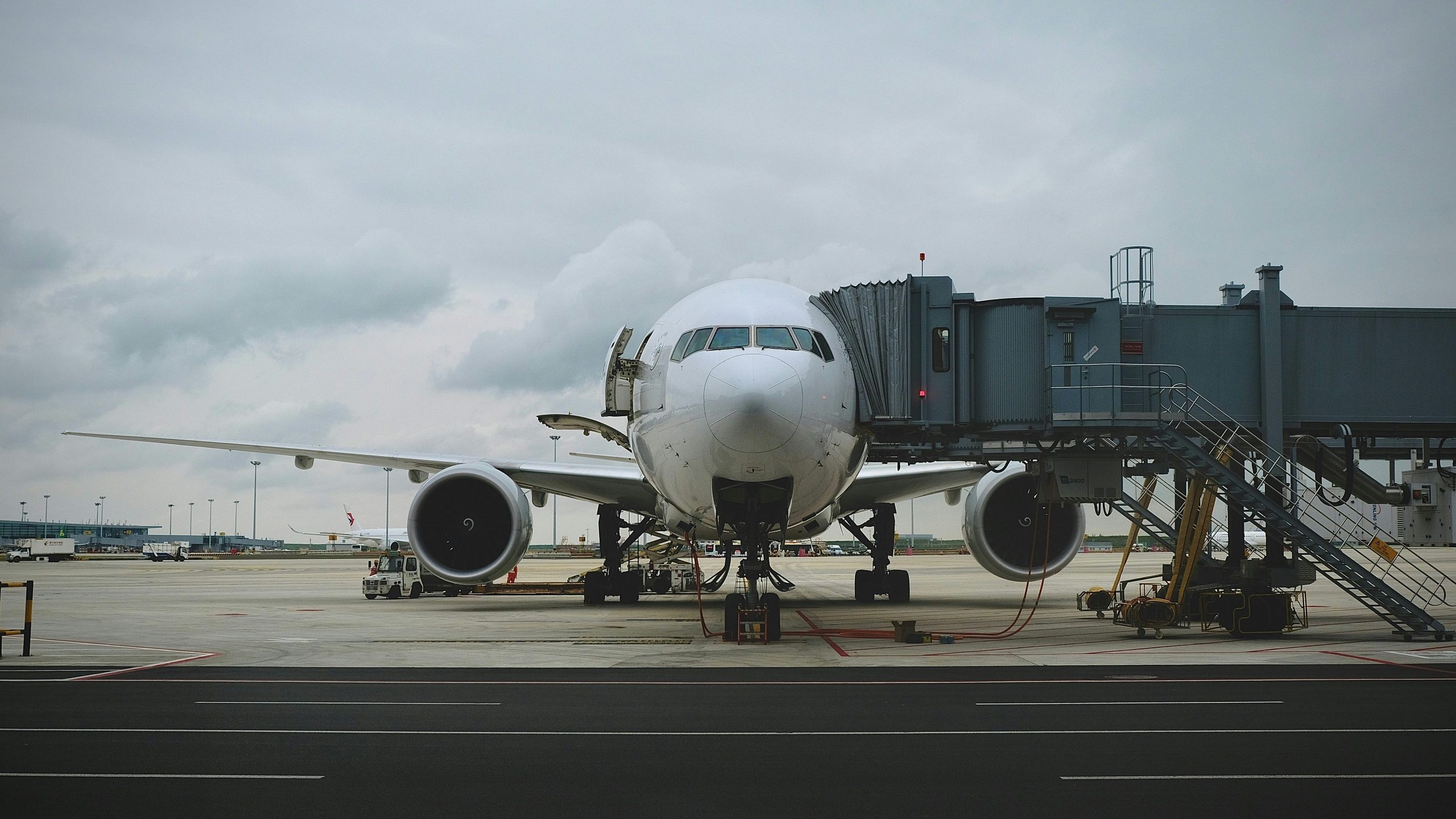
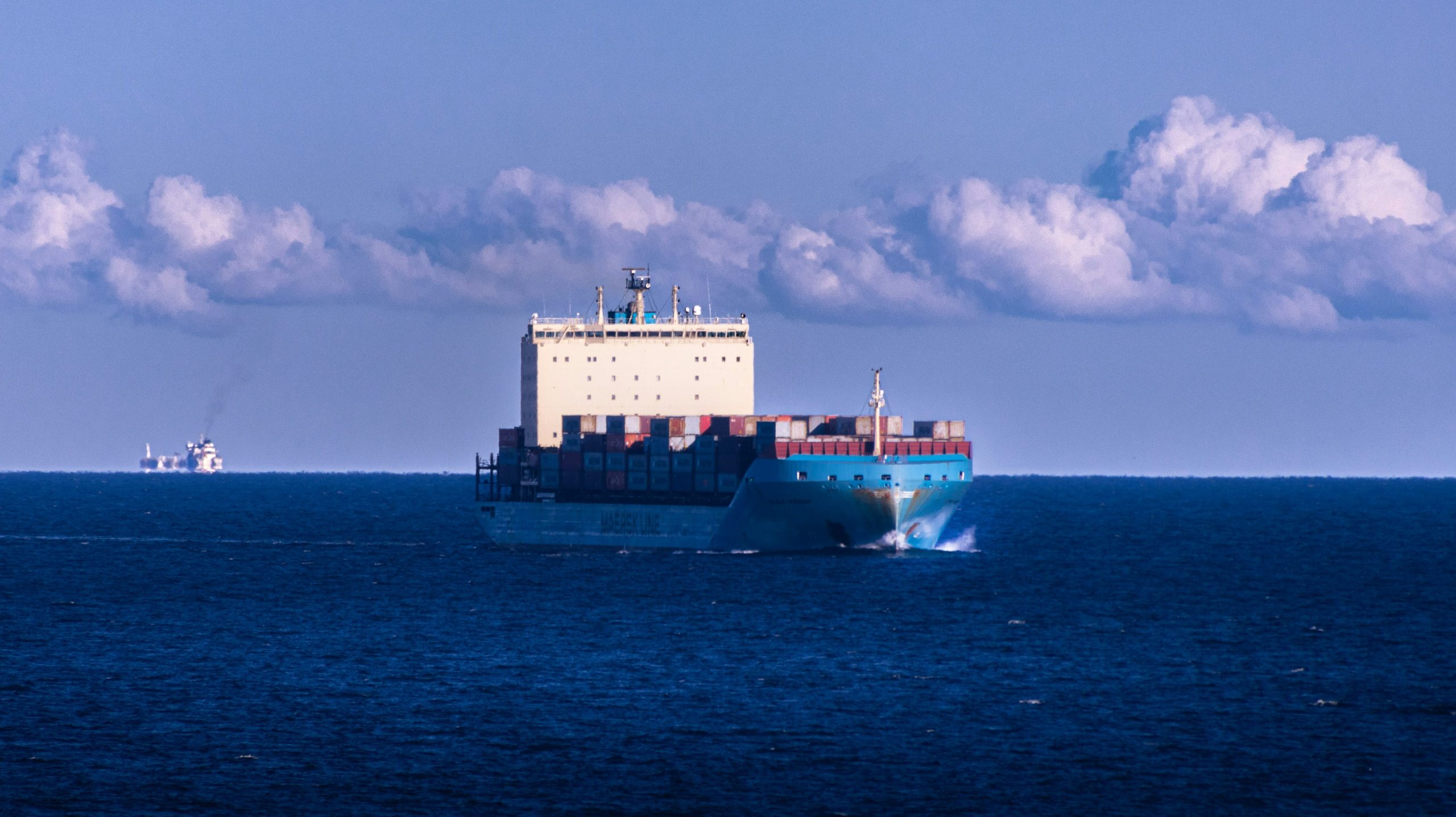
Freight shipping from the United States to Haiti is available by air and ocean. Air freight is generally used when delivery speed is important, while ocean freight is better suited to larger, heavier, or less urgent shipments.
RAM International Shipping coordinates both air and ocean freight from the U.S. Ocean shipments can move as Full Container Load (FCL) or Less than Container Load (LCL), depending on the amount of cargo. Air freight is an option for urgent shipments and cargo where a shorter transit time is more important than keeping transportation costs as low as possible.
The shipping process may also include pickup in the U.S., export documentation, cargo handling, customs procedures in Haiti, and delivery after arrival. These stages can affect both the total cost and delivery schedule.
Freight Shipping from USA to Haiti: Choosing Air or Ocean Freight
The choice between air and ocean freight mainly depends on shipment size, weight, urgency, budget, and cargo type.
Air freight can be suitable for smaller or time-sensitive shipments, including commercial goods, replacement parts, electronics, and other cargo that needs to reach Haiti quickly. Air freight charges depend on several factors, including actual weight and dimensional weight.
Ocean freight is commonly used for pallets, commercial inventory, machinery, building materials, vehicles, and other heavy or bulky cargo. Shippers can use a full container or LCL service when the shipment does not require an entire container.
The cargo’s starting point in the United States also affects the route. A shipment may first need to be transported by truck to a port, airport, or warehouse before leaving the country. Delivery location within Haiti should also be considered when planning the shipment.
Air Freight from USA to Haiti
Air freight from USA to Haiti is the faster of the two main freight options. It is commonly considered for shipments with a fixed deadline or cargo that would be costly to delay.
Toussaint Louverture International Airport in Port-au-Prince has facilities dedicated to handling air cargo. Depending on the shipment and available service, freight can be routed from major U.S. airports, with domestic transportation arranged to the departure airport when necessary.
Air freight rates depend on weight, dimensions, cargo type, departure point, destination, routing, and required service level. Large lightweight shipments may be priced according to dimensional weight rather than their actual scale weight.
To request a quote, it helps to provide the number of pieces, dimensions, gross weight, description of the goods, pickup location in the United States, destination in Haiti, and cargo-ready date. Dangerous goods and other regulated cargo may require additional documentation, packaging, or carrier approval before they can be accepted.
Ocean Freight Shipping from USA to Haiti
Ocean freight shipping from USA to Haiti is usually the more practical option for large shipments where transit time is less critical. RAM provides both FCL and LCL ocean freight services.
FCL provides a dedicated container for one shipper’s cargo. It can be used for larger commercial shipments, machinery, equipment, inventory, and other freight that requires significant container space. Container selection depends on cargo dimensions, total weight, volume, and loading requirements.
LCL is available for shipments that do not fill a complete container. Several smaller shipments are consolidated into the same container, allowing the shipper to pay for the space required rather than booking a full container.
Port-au-Prince and Cap-Haïtien are established commercial ports in Haiti. Haiti also has other international maritime facilities, including Lafito and Saint-Marc. The port used for a particular shipment depends on carrier service, U.S. origin, cargo type, and the final destination in Haiti.
RAM’s ocean freight services can also be combined with drayage, warehousing, transloading, cargo preparation, and final delivery where those services are required for the shipment.
Shipping Cost from USA to Haiti
There is no standard shipping rate from USA to Haiti because freight costs are calculated for each shipment.
For air freight, the rate is affected by the number of pieces, actual or dimensional weight, cargo dimensions, departure airport, destination, commodity, and service level. Special handling or regulated cargo can add additional costs.
For ocean freight, pricing differs between FCL and LCL. FCL rates depend on factors such as container type, origin, destination port, inland transportation, terminal charges, and current carrier rates. LCL pricing is influenced by shipment volume and weight as well as consolidation and handling charges.
The international freight rate may not represent the complete shipping cost. Depending on the terms of the shipment, other expenses can include pickup in the U.S., documentation, cargo insurance, terminal handling, customs duties and taxes, storage, and delivery after customs release.
RAM’s Request a Quote form allows shippers to provide the origin, destination, transport mode, cargo weight, dimensions, container information, and cargo-ready date. These details are needed to calculate a rate for a specific shipment.
Customs Clearance and Documents for Shipping to Haiti
Documentation should be checked before freight leaves the United States. The documents required for customs clearance in Haiti depend partly on the goods being imported.
Basic import documentation includes a bill of lading for ocean freight or an air waybill for air freight and a commercial invoice. Haitian customs procedures can also require a customs declaration, freight cost information, list of products, tax clearance documentation, certificate of origin, and additional permits or certificates when applicable.
Certain goods are subject to additional import requirements. U.S. Department of Commerce guidance for Haiti states that licenses are required for imports including firearms, pharmaceutical products, petroleum products, plants and plant products, and animals and animal products. Some agricultural and textile products also require import permits.
Food and agricultural shipments may require additional documentation depending on the product. This can include phytosanitary or zoosanitary certificates, certificates of origin, import permits, laboratory certificates, fumigation certificates, and other supporting documents.
Customs duties and taxes depend on the classification and value of the imported goods. Haiti uses the CIF value — cost, insurance, and freight — as the basis for calculating import duties and taxes.
Requirements should be checked for the individual commodity before booking. Accurate descriptions, values, quantities, shipper and consignee information help prevent documentation issues during customs clearance.
How Long Does Shipping from USA to Haiti Take?
Shipping time from USA to Haiti depends on the transport mode, departure point, routing, carrier schedule, and customs processing.
Air freight is generally much faster than ocean freight. However, the complete shipping time can include pickup, export handling, airport processing, the flight itself, arrival handling, customs clearance, and transportation to the final destination.
For ocean freight, total time may include trucking to the U.S. port, consolidation for LCL shipments, the vessel schedule, port handling in Haiti, customs clearance, and inland delivery.
Transit estimates published for this route can vary because some companies quote only port-to-port or airport-to-airport transit, while others include additional stages of transportation. Vessel schedules, airline capacity, port conditions, and customs processing can also affect the final delivery date.
For that reason, a current estimate should be requested for the specific origin, destination, cargo, and cargo-ready date. If the freight has to arrive by a particular date, that information should be provided before booking.
Freight Shipping to Haiti with RAM International Shipping
RAM International Shipping provides air and ocean freight services and supports FCL and LCL shipments. The company also provides related logistics services including ground transportation, warehousing, transloading, customs clearance, and cargo handling.
For a shipment to Haiti, provide the cargo description, number of pieces or pallets, dimensions and weight, U.S. origin, destination in Haiti, and cargo-ready date. Any special handling or regulatory requirements should also be identified before booking.
Based on this information, RAM can review the available transportation options and provide a quote for the shipment. Air and ocean freight can then be compared based on the required delivery time, cargo size, routing, and cost.
Request a quote for shipping from the USA to Haiti and provide your shipment details to receive pricing and routing information for your cargo.