

Shipping from the USA to Liechtenstein: Air and Ocean Freight Services
Shipping from the USA to Liechtenstein requires planning around the country’s landlocked location. Liechtenstein has no seaports or major cargo airports, so international shipments typically arrive through Switzerland or another European country before continuing to their final destination by road or rail.
Liechtenstein is a small Central European country with an industrial economy that includes precision manufacturing, machinery, electronics, and specialized equipment. Businesses importing goods from the United States need to consider international transportation, customs requirements, and the final inland delivery.
RAM International Shipping works as a freight forwarder, arranging transportation with ocean carriers, airlines, and logistics partners. Rather than operating international vessels or aircraft, RAM coordinates the shipping services and supporting arrangements needed to move commercial freight from the United States to Liechtenstein.
How Shipping from the USA to Liechtenstein Works
Liechtenstein is located between Switzerland and Austria, making it accessible through several established European transportation networks. However, its location means that international freight shipments require a combination of transportation methods.
For ocean cargo, containers usually arrive at major European ports before continuing inland. Rotterdam in the Netherlands, Hamburg and Bremerhaven in Germany, and Genoa in Italy are among the gateways that may be considered for shipments destined for Liechtenstein.
The most practical port depends on the available vessel services, the shipment’s American departure point, and the cost of moving the goods from the port to their final destination.
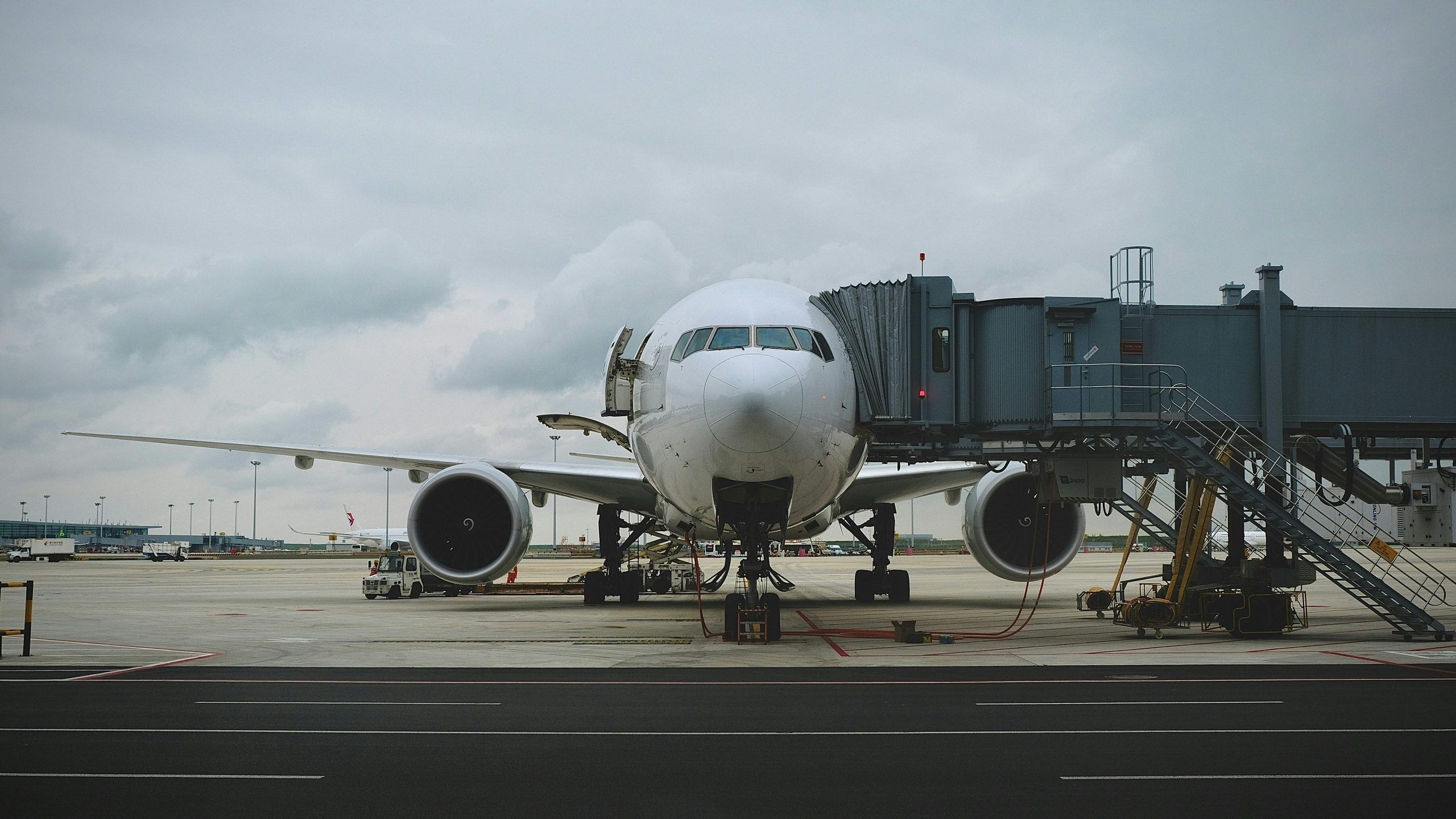
Air freight follows a different route. Since Liechtenstein does not have an international cargo airport, shipments can arrive through Zurich Airport in Switzerland or other suitable European airports. Trucks then complete the inland transportation stage.
Another important consideration is the country’s customs relationship with Switzerland. Although Liechtenstein belongs to the European Economic Area (EEA), it is not a member of the European Union. Instead, it forms a customs union with Switzerland.
This means shipments entering Liechtenstein from outside the shared customs territory generally follow Swiss customs procedures. Freight passing through an EU country may also require appropriate transit documentation before reaching the Swiss-Liechtenstein customs territory.
For businesses importing goods to Vaduz, Schaan, Balzers, or other locations, the international arrival gateway and inland transportation should be planned together rather than treated as separate bookings.
Air Freight Shipping from the USA to Liechtenstein
Air freight is generally the faster option for transporting commercial cargo from the United States to Liechtenstein. Businesses commonly use it for urgent replacement parts, electronics, precision components, specialized tools, and equipment needed within a limited timeframe.
Zurich Airport (ZRH) is one of the most practical international air cargo gateways for shipments destined for Liechtenstein. Its freight facilities handle commercial goods arriving from North America and other international markets.
From Zurich, cargo can continue by road toward Liechtenstein after the necessary handling and customs arrangements. The airport’s location and connections to the Swiss road network make it suitable for shipments destined for the country’s industrial and commercial areas.
Munich Airport (MUC) in Germany is another possible gateway when airline connections or cargo requirements make it a suitable choice. However, freight arriving in Germany must follow the appropriate customs or transit procedures before entering the Swiss-Liechtenstein customs territory.
American departure airports may include New York JFK, Chicago O’Hare, Los Angeles, Atlanta, and other major cargo gateways. Depending on airline schedules and capacity, shipments may travel directly to Zurich or connect through another airport.
Air freight charges are generally based on chargeable weight. Airlines compare the shipment’s actual weight with its volumetric weight, which reflects the space occupied by the cargo, and use the higher figure for pricing.
Accurate packaging dimensions are therefore important. Large but relatively lightweight packages may result in higher transportation charges than their physical weight suggests.
Airlines also impose restrictions on certain goods. Lithium batteries, dangerous materials, temperature-sensitive products, and oversized equipment may require special packaging, additional documentation, or specific handling arrangements.
RAM coordinates international air cargo through its air freight services, arranging transportation with airlines and logistics partners based on cargo specifications and delivery requirements.
Ocean Freight from the USA to Liechtenstein: FCL and LCL Options
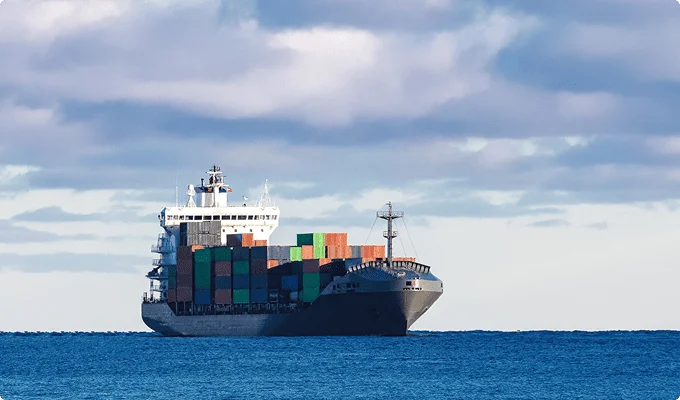
Ocean freight is usually the more economical choice for transporting large or heavy shipments that do not require urgent delivery. Industrial machinery, manufacturing materials, automotive components, commercial inventory, and other container-compatible goods can be transported across the Atlantic before continuing inland.
Because Liechtenstein has no maritime ports, the ocean transportation stage ends in another European country.
Port of Hamburg is one possible arrival gateway. Its container terminals handle international shipping services and provide rail and road connections to Central European destinations.
Port of Rotterdam is another major European container hub. Cargo arriving from the United States can be transferred to inland transportation services for delivery toward Switzerland and Liechtenstein.
Port of Genoa, on Italy’s Mediterranean coast, may also be considered for certain shipments. Its connections with northern Italy and the Alpine region can make it relevant depending on the vessel schedule and destination requirements.
Other ports, including Bremerhaven and Antwerp-Bruges, may offer suitable alternatives based on carrier availability and inland transportation costs.
Containers can depart from American ports such as New York/New Jersey, Norfolk, Savannah, Charleston, Houston, Los Angeles, or Long Beach. The appropriate departure point depends on the cargo’s location and available shipping services.
For standard containerized freight, businesses generally choose between two main arrangements.
Full Container Load (FCL) gives one shipper exclusive use of a container. Common equipment includes 20-foot and 40-foot containers, with high-cube options available when additional internal height is required.
FCL is suitable for large commercial shipments, regular inventory imports, and cargo that benefits from remaining together in a dedicated container. The container does not need to be completely filled. Depending on shipment volume and handling costs, FCL can sometimes be more economical than shared container transportation.
Less than Container Load (LCL) allows smaller consignments to share container space with other customers’ freight. Goods are consolidated before departure and separated at an appropriate facility after arrival.
LCL can be practical for companies importing a few pallets or smaller quantities of equipment. However, consolidation, deconsolidation, and onward transportation may increase the overall delivery period.
Oversized machinery and industrial equipment may require flat-rack containers, open-top equipment, or other specialized shipping arrangements. The available options depend on the cargo’s dimensions, weight, and handling requirements.
RAM coordinates container bookings and supporting logistics through its ocean freight services, working with carriers and transportation partners to arrange suitable routes.
Liechtenstein Customs Clearance, Import Duties, and VAT
Liechtenstein has a different customs arrangement from most European destinations. Although it participates in the European Economic Area, it shares a customs territory with Switzerland under a customs treaty dating back to 1923.
According to the Liechtenstein National Administration’s official customs guidance, import, export, and transit clearance procedures are handled under the applicable Swiss customs framework.
Commercial shipments arriving from the United States generally require a customs declaration and supporting documentation. The information must accurately describe the goods, their value, origin, classification, and intended use.
The documents commonly used for commercial imports include:
- Commercial invoice: Identifies the seller, buyer, goods, transaction value, currency, and relevant commercial terms.
- Packing list: Provides package quantities, contents, weights, and dimensions.
- Bill of lading or air waybill: Contains transportation details for the ocean or air shipment.
- Commodity classification: The appropriate Swiss customs tariff number used to determine applicable duties and import requirements.
- Additional permits or certificates: Required for certain regulated products, depending on their classification, origin, and intended use.
An important change took effect on January 1, 2024, when Switzerland abolished import customs duties on industrial products. Because Liechtenstein belongs to the same customs territory, this measure also applies to industrial goods imported into Liechtenstein.
As a result, industrial products covered by this measure, including many types of machinery and manufactured goods, can be imported without customs duties. However, customs declarations remain mandatory, and other taxes or regulatory requirements may still apply.
Agricultural products and certain other goods are treated differently. Applicable duties depend on their tariff classification and the relevant customs rules.
Liechtenstein’s standard value-added tax (VAT) rate is 8.1%, effective since January 1, 2024. A reduced rate of 2.6% applies to certain products, including qualifying foodstuffs, medicines, and other specified goods.
The Liechtenstein National Administration’s official VAT guidance provides information about these rates and their application to goods and services.
Import VAT is generally calculated using the applicable taxable value, which may include the goods’ value and certain transportation, insurance, and other costs up to the relevant destination.
Some shipments also require additional regulatory checks. Food products, agricultural goods, medicines, chemicals, and certain electrical equipment may be subject to inspections, import permits, or product-specific restrictions.
For cargo entering Europe through an EU port, the customs procedure must account for the onward movement into the Swiss-Liechtenstein customs territory. Appropriate transit documentation may be required, depending on the route and how the goods are handled.
The agreed Incoterms and sales contract should establish which party is responsible for transportation charges, customs formalities, import taxes, and any applicable duties.
RAM can coordinate shipping documentation and customs-related arrangements through its customs clearance services, working with the relevant parties involved in the shipment. Importers remain responsible for providing accurate cargo information and meeting applicable legal requirements.
Ground Freight and Final Delivery Across Liechtenstein
Ground transportation is an essential part of shipping to Liechtenstein, particularly for ocean freight arriving through European seaports.
Containers entering through Hamburg, Rotterdam, Genoa, or another suitable gateway may continue by truck or rail toward Switzerland. Depending on the transportation arrangement, cargo can then be delivered to Liechtenstein by road.
For shipments arriving at Zurich Airport, road transportation generally provides the final connection to the destination.
Liechtenstein’s road network connects its main commercial and industrial areas with neighboring Switzerland and Austria. Freight can be delivered to businesses in Vaduz, Schaan, Triesen, Balzers, Eschen, Ruggell, and other municipalities.
For example, machinery arriving through a northern European port may be transported inland to a logistics terminal before continuing by truck to a manufacturing facility in Schaan.
The final delivery arrangements depend on cargo dimensions, weight, unloading requirements, and accessibility at the receiving location. Heavy or oversized equipment may require specialized vehicles or additional handling equipment.
Ground freight also supports the American export stage. Cargo originating away from a major seaport or airport may need to be collected from a supplier, warehouse, or manufacturing facility before international departure.
RAM’s ground freight services can support inland transportation within the United States. For the European delivery stage, suitable transportation arrangements can be coordinated with the relevant logistics partners.
Shipping Times, Freight Costs, and Arrangements with RAM
Transit times from the United States to Liechtenstein depend on the transportation method, American departure location, European arrival gateway, and final delivery address.
Ocean freight, including onward inland transportation, may take approximately 25–45 days under suitable routing arrangements. Some shipments can arrive sooner, while West Coast departures, transshipments, LCL consolidation, and customs procedures may extend the delivery period.
Air freight can often take approximately 5–10 days under standard international freight arrangements, including suitable onward transportation connections. These are indicative planning estimates rather than guaranteed door-to-door delivery times.
Pickup, export processing, terminal handling, customs clearance, and inland transportation should all be considered when calculating the complete delivery schedule.
Freight costs depend on cargo weight, dimensions, container requirements, transportation mode, carrier capacity, and the services included in the booking.
For ocean shipments, the inland transportation stage from the European arrival port can represent a significant part of the total cost. Air freight quotations may include airport handling, security screening, customs-related services, and delivery by truck.
Customers can use the Freight Rate Calculator to explore preliminary transportation costs. Before confirming a booking, the quotation should be checked for origin charges, destination handling, customs-related services, and final delivery.
RAM International Shipping coordinates commercial freight transportation between the United States and Liechtenstein through ocean carriers, airlines, and supporting logistics providers.
To prepare a shipment, customers should provide the cargo description, weight, dimensions, American pickup location, and final delivery address. Any special handling requirements, customs information, or delivery deadlines should be identified before booking.
With these details, RAM can review available transportation routes and coordinate cargo collection, international bookings, documentation support, and inland delivery arrangements.
For businesses importing manufacturing equipment, machinery, or commercial inventory, planning the European arrival gateway together with the final delivery stage can help avoid unnecessary handling and unexpected transportation charges.
Contact RAM International Shipping to discuss the available freight forwarding options for shipping from the USA to Liechtenstein based on your cargo, origin, destination, and required delivery schedule.