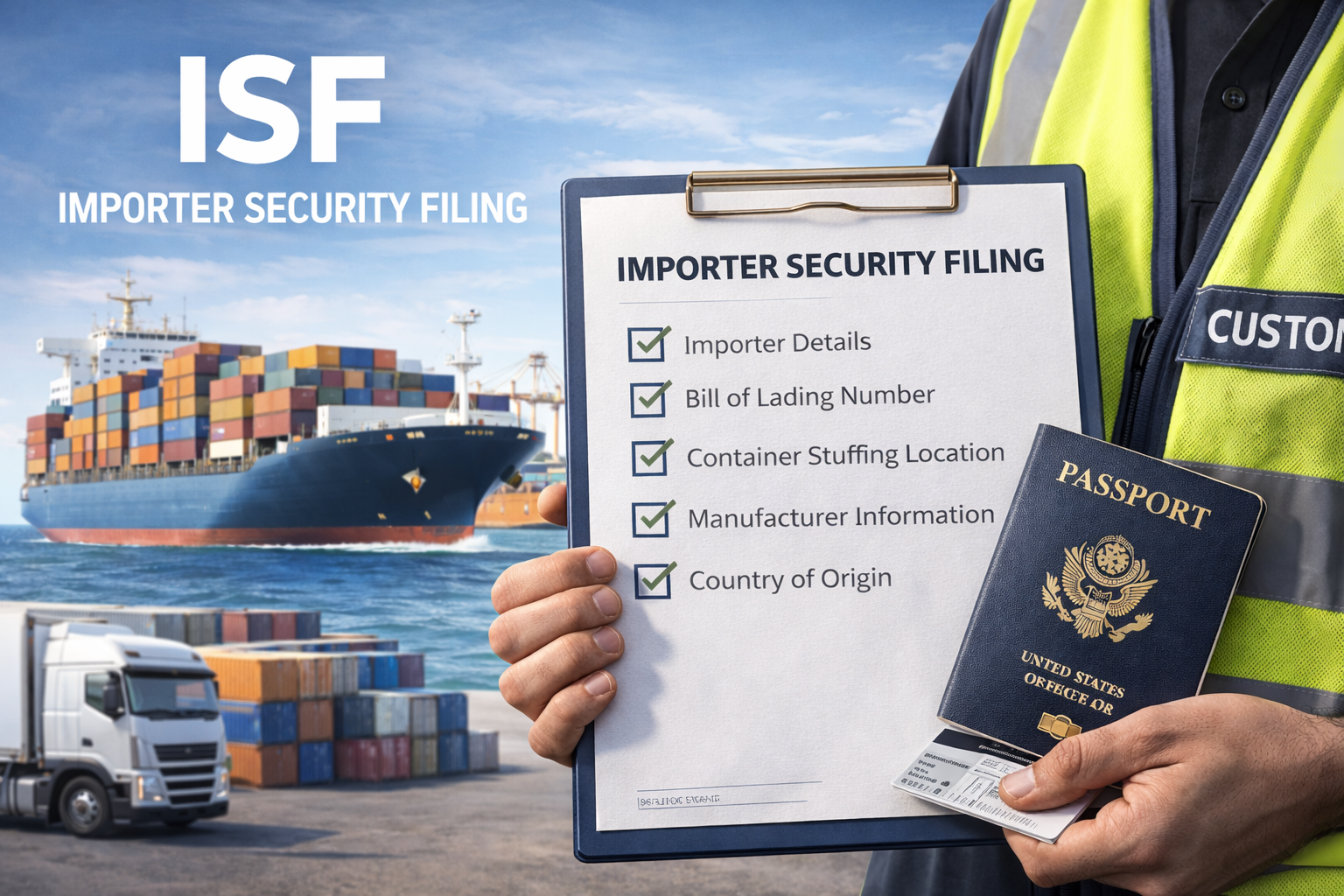
International shipping to the United States involves strict security and documentation requirements. One of the most important regulations importers must understand is Importer Security Filing (ISF). This rule plays a key role in protecting the supply chain and ensuring cargo entering the United States meets security standards.
If you import goods by ocean freight, understanding what ISF in shipping means, when it must be filed, and who is responsible is essential. Failure to comply with US customs ISF regulations can lead to delays, inspections, and financial penalties.
This article explains the ISF shipping meaning, outlines the main filing requirements, and describes how businesses can stay compliant when sending cargo to the United States.
What Is ISF in Shipping?
The ISF full form is Importer Security Filing. It is a required electronic declaration submitted to US Customs and Border Protection (CBP) before cargo is loaded onto a vessel bound for the United States.
In practice, ISF provides US Customs with advance information about shipments before they depart from the foreign port. This early visibility allows CBP to analyze cargo data ahead of arrival and identify potential security concerns within the supply chain.
The filing is commonly known as “10+2 filing.” The name refers to the number of data elements included in the submission: ten pieces of information provided by the importer and two additional elements supplied by the ocean carrier.
These requirements mainly apply to ISF ocean freight shipments entering the United States, making the filing an essential step for companies importing goods by sea.
Understanding what is ISF filing and completing it correctly helps prevent shipment disruptions and ensures compliance with CBP regulations.
Why the Importer Security Filing Is Required
The Importer Security Filing requirement was introduced to improve cargo security and increase transparency in global supply chains. It allows US Customs and Border Protection to evaluate shipments before they reach US ports.
Before ISF was implemented, many shipments were only reviewed after arrival. Today, CBP uses advance cargo data to analyze risks and identify suspicious shipments early.
The main purposes of US customs ISF regulations include:
- Strengthening cargo security regulations
- Identifying potential security threats
- Improving supply chain security
- Preventing illegal shipments or smuggling
- Supporting better customs compliance
By reviewing shipment data before departure, customs authorities can detect irregularities or high-risk shipments before they enter the United States.
For importers, this process ensures smoother customs clearance and reduces the likelihood of delays during the customs clearance process.
Who Is Responsible for Filing the ISF?
One of the most common questions importers ask is who files ISF and who is responsible for filing the ISF.
The primary responsibility lies with the Importer of Record, which is the company or individual legally responsible for the goods entering the United States. The importer must ensure the ISF filing is submitted accurately and on time.
However, importers often authorize other professionals to submit the filing on their behalf. These may include:
- Customs brokers
- Freight forwarders
- Authorized logistics service providers
Even if a broker or forwarder submits the filing, the importer remains legally responsible for the accuracy of the information.
This is why many businesses work with experienced logistics providers who understand import documentation, customs requirements, and international shipping compliance.
Ensuring the filing is handled correctly protects importers from compliance risks and potential penalties.
What Information Is Required for an ISF Filing?
The ISF 10+2 rule outlines the information required for every filing. The importer must provide ten data elements, while the shipping carrier must provide two additional elements.
Importer Data Elements
The importer must provide the following information:
- Seller
- Buyer
- Importer of record number
- Consignee number
- Manufacturer or supplier
- Ship-to party
- Country of origin
- Commodity HTS code
- Container stuffing location
- Consolidator (stuffer)
These details help US Customs and Border Protection understand the origin and contents of shipments before they depart for the United States.
Carrier Data Elements
The ocean carrier must provide two additional data elements:
- Vessel stow plan
- Container status messages
These elements allow CBP to monitor the movement and location of cargo during transit.
Together, these twelve data elements form the Importer Security Filing required under US import security regulations.
When Must the ISF Be Filed?
Under CBP regulations, the Importer Security Filing must be submitted no later than 24 hours before the cargo is loaded onto the vessel at the port of departure. This requirement applies to most ocean freight shipments heading to the United States and ensures customs authorities receive shipment information before the cargo leaves the foreign port.
If the filing is not submitted within the required timeframe, the shipment may be flagged by US Customs. This can lead to cargo delays, additional inspections, or other compliance issues.
Submitting the ISF early ensures CBP has enough time to review shipment data and assess any potential risks.
Businesses that regularly import goods should integrate ISF submission into their shipping process to avoid last-minute complications.
Penalties for Late or Incorrect ISF Filing
Failure to comply with importer security filing requirements can result in significant consequences.
US Customs may impose financial penalties and operational restrictions on shipments that do not meet ISF requirements.
Possible consequences include:
- CBP penalties of up to $5,000 per violation
- Cargo holds or inspections
- Delayed customs clearance
- Additional documentation reviews
- Increased scrutiny on future shipments
Even small errors in ocean shipment documentation can lead to complications during the customs clearance process.
Because of these risks, businesses must ensure that ISF filings are accurate, complete, and submitted on time.
Maintaining proper documentation and working with experienced logistics professionals helps reduce these risks.
Common Mistakes in ISF Filing
Many ISF penalties occur because of avoidable errors during the filing process.
Some of the most common mistakes include:
- Incorrect importer or consignee information
- Missing supplier or manufacturer details
- Incorrect HTS classification codes
- Late submission of the ISF filing
- Incomplete container or shipment data
These errors often occur when importers rely on incomplete documentation or submit filings at the last minute.
To avoid these problems, importers should verify all shipment data in advance and coordinate closely with suppliers and logistics partners.
Clear communication and proper documentation management help ensure accurate customs broker filing and compliance with cargo import regulations.
How Freight Forwarders Help With ISF Filing
Managing import documentation and compliance requirements can be challenging, especially for companies that are new to international shipping or importing goods into the United States. Regulations such as Importer Security Filing (ISF) require accurate data, strict timelines, and coordination between multiple parties involved in the supply chain.
Freight forwarders and logistics providers help simplify this process by assisting with ISF filing and ensuring that shipments comply with US Customs and Border Protection (CBP) regulations. Their experience with international shipping procedures helps importers avoid delays and reduce the risk of costly mistakes.
Professional logistics companies typically support importers by:
- Preparing and reviewing required shipping documentation
- Submitting ISF filings before the 24-hour deadline
- Coordinating with customs brokers and shipping carriers
- Monitoring shipment compliance with CBP regulations
- Preventing documentation errors that could lead to penalties
Working with an experienced logistics partner ensures that shipments comply with international shipping regulations and US customs ISF requirements. This support is especially valuable for businesses that import goods regularly or manage complex global supply chains.
RAM International Shipping helps importers simplify the process of shipping cargo to the United States while maintaining full compliance with customs regulations. The company provides integrated logistics solutions that support every stage of the shipping process, including:
- Ocean Freight for reliable international container shipping
- Customs Clearance to ensure smooth entry of cargo into the United States
- Warehousing & Distribution for cargo storage and inventory management
- Transloading services for efficient cargo transfer between transport modes
With the right logistics partner, businesses can reduce the risk of delays, penalties, and documentation errors while keeping their international supply chain running smoothly.
Conclusion
Understanding what is an ISF in shipping is essential for any business importing goods into the United States by ocean freight.
The Importer Security Filing requirement helps US Customs and Border Protection monitor cargo before it reaches US ports, improving supply chain security and preventing illegal shipments.
Correctly completing an ISF filing protects businesses from shipment delays, inspections, and costly penalties. It also ensures smoother cargo movement through the customs clearance process.
For companies unfamiliar with importer security filing requirements, working with experienced logistics professionals can simplify compliance and reduce risks.
If your business ships goods to the United States and needs assistance with ISF filings, ocean freight, or customs compliance, contact RAM International Shipping for expert support and reliable global logistics solutions.