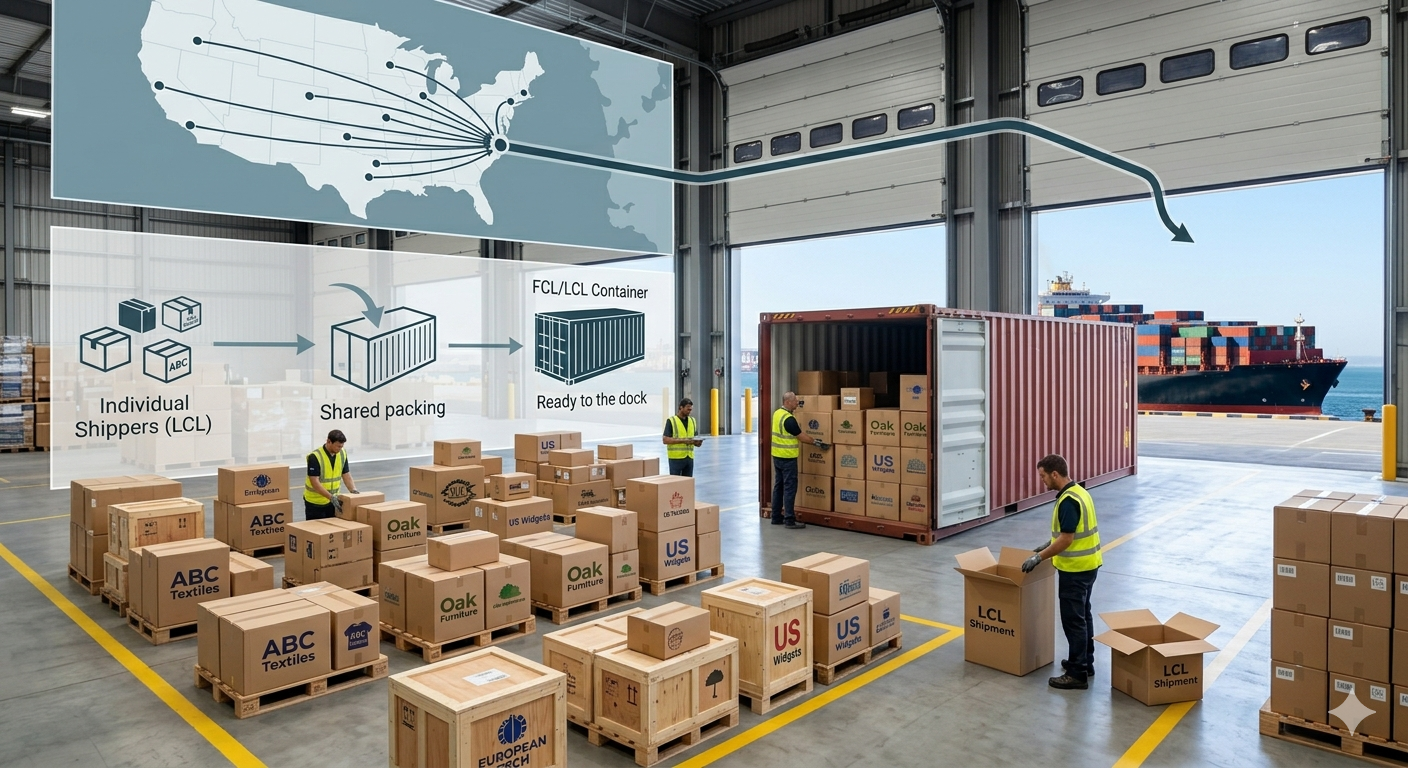
International shipping is not always about transporting full containers of cargo across the world. Many businesses, online sellers, and private importers ship smaller volumes that do not require an entire container. In these situations, cargo consolidation and LCL shipping become practical and cost-efficient logistics solutions.
As global trade continues to grow, consolidated freight plays a major role in helping companies reduce transportation expenses while maintaining flexible supply chains. Instead of paying for unused container space, multiple shipments from different customers can be combined into one container and transported together.
This shipping model has become increasingly popular among small and medium-sized businesses, e-commerce companies, and importers that ship regularly but in lower volumes.
Understanding how cargo consolidation works and when LCL shipping makes sense can help businesses optimize shipping costs, improve inventory management, and simplify international logistics operations.
What Is Cargo Consolidation?
Cargo consolidation is the process of combining multiple smaller shipments from different customers into a single container for international transportation.
Instead of shipping partially empty containers, freight forwarders consolidate cargo from multiple exporters or importers into one shared container. Once the shipment reaches the destination country, the cargo is separated and delivered to each consignee individually.
This process allows businesses to share transportation costs while still benefiting from international container shipping services.
Cargo consolidation is commonly used in:
- Ocean freight
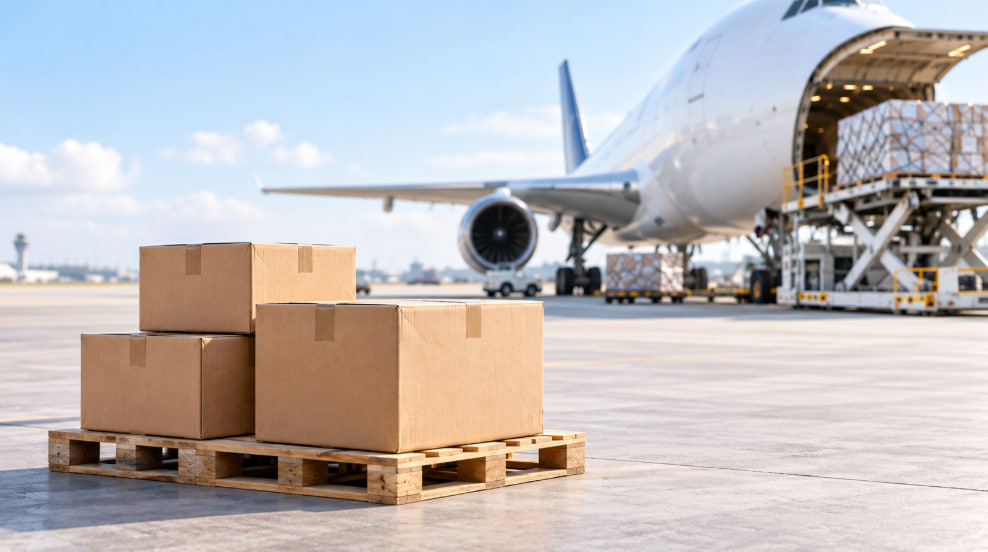
- Air freight
- Cross-border trucking
- E-commerce logistics
- Retail supply chains
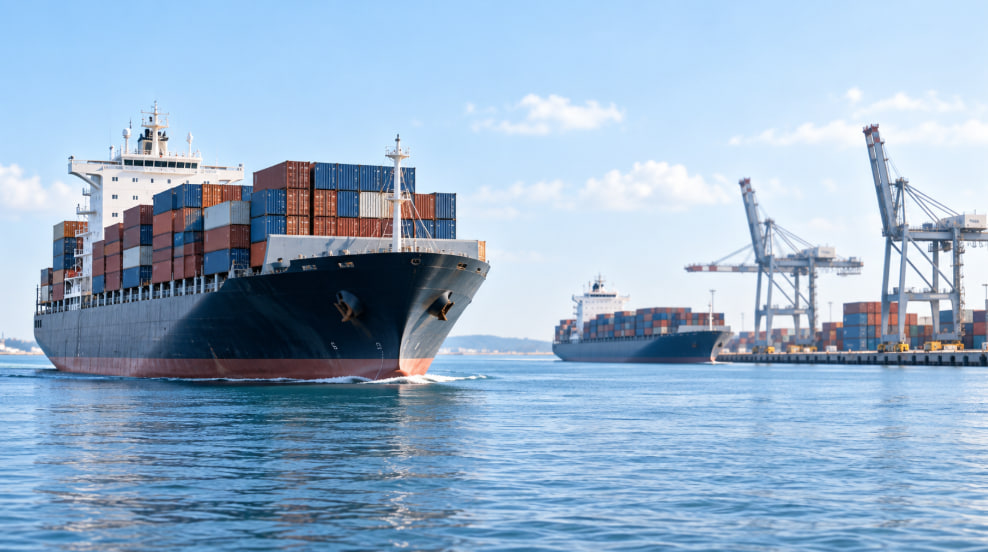
In ocean transportation, this process is most commonly associated with LCL shipping.
What Is LCL Shipping?
LCL stands for “Less than Container Load.” It refers to shipments that do not occupy an entire shipping container.
With LCL shipping, customers pay only for the portion of container space their cargo uses rather than paying for a full container. This makes LCL transportation highly attractive for smaller shipments and businesses with moderate inventory volumes.
LCL shipping is commonly used for:
- Small commercial shipments
- Retail inventory replenishment
- E-commerce products
- Industrial spare parts
- Furniture and household goods
- Startup import operations
For companies that do not yet ship enough volume to justify a full container, LCL shipping offers access to global freight networks without excessive logistics costs.
How the Cargo Consolidation Process Works
The consolidation process involves several logistics stages coordinated by freight forwarders, warehouses, carriers, and customs brokers.
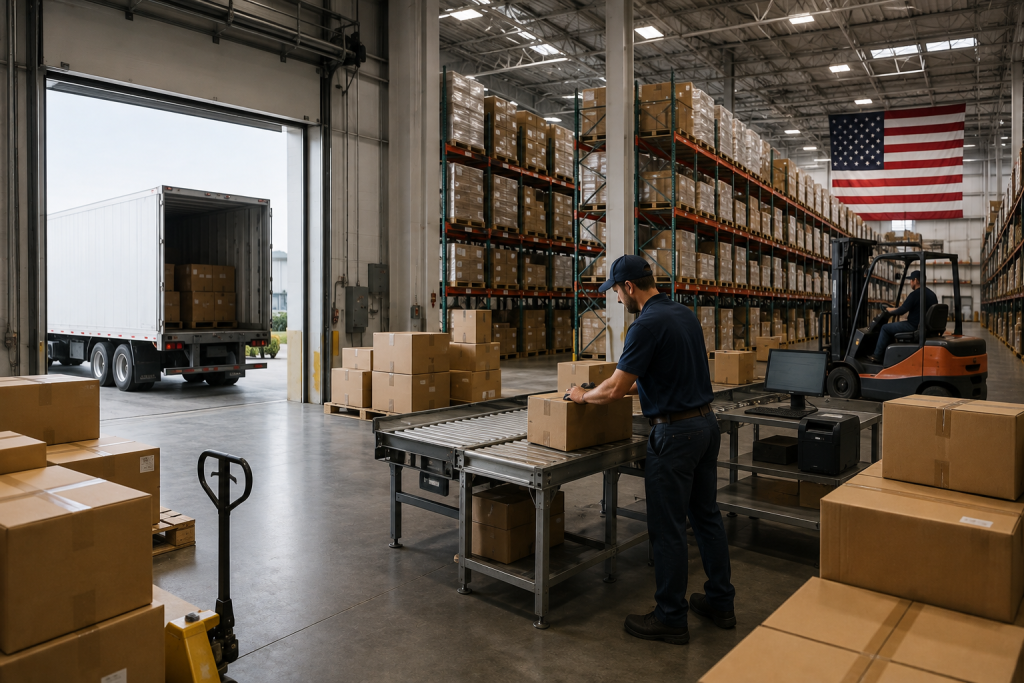
First, cargo from different shippers is collected and delivered to a consolidation warehouse, often called a Container Freight Station (CFS). At the warehouse, shipments are inspected, measured, labeled, and prepared for export.
Once enough cargo is accumulated, the freight forwarder loads multiple shipments into one container according to destination, cargo type, and transportation requirements.
After loading is completed, the container is transported to the port and loaded onto an ocean vessel for international shipment.
At the destination port, the process works in reverse. The container is unloaded, transferred to a deconsolidation warehouse, and separated into individual shipments before final delivery.
Because multiple parties are involved in this process, proper coordination and documentation are essential for avoiding delays or cargo handling issues.
Why Businesses Use LCL Shipping
One of the main reasons businesses choose LCL shipping is cost efficiency. Paying only for the cargo space used allows companies to avoid the expense of booking entire containers for relatively small shipments.
This is especially beneficial for growing businesses that import products regularly but in lower quantities.
LCL shipping also supports greater inventory flexibility. Instead of waiting until enough goods are available to fill a full container, businesses can ship smaller volumes more frequently.
This can help:
- Reduce warehouse storage costs
- Improve inventory turnover
- Lower overstock risks
- Increase supply chain flexibility
- Support seasonal demand planning
For many importers, the ability to maintain lean inventory levels is one of the biggest advantages of consolidated shipping.
LCL vs. FCL Shipping
LCL and FCL shipping are both container-based transportation methods, but they serve different logistics needs.
FCL, or Full Container Load, means one customer exclusively uses the entire container. This option is typically chosen for larger shipments with enough cargo volume to justify a dedicated container.
LCL shipping, on the other hand, involves shared container space among multiple customers.
FCL shipments often move slightly faster because the container remains sealed from origin to destination without intermediate cargo handling during consolidation or deconsolidation.
However, LCL shipping provides greater flexibility for smaller shipments and lower cargo volumes.
The choice between LCL and FCL usually depends on:
- Shipment size
- Budget considerations
- Delivery urgency
- Cargo sensitivity
- Supply chain strategy
For businesses with consistent high-volume shipments, FCL may become more economical over time. For smaller or variable shipments, LCL often remains the more practical option.
Industries That Commonly Use Cargo Consolidation
Cargo consolidation supports a wide range of industries involved in international trade.
Retail and e-commerce companies frequently use LCL shipping to replenish inventory without overcommitting to large shipments. Importers sourcing products from overseas manufacturers also rely heavily on consolidated freight solutions.
Other industries that commonly benefit from cargo consolidation include:
- Automotive parts distribution
- Consumer electronics
- Furniture and home goods
- Fashion and apparel
- Industrial equipment supply
- Medical product distribution
As supply chains become increasingly globalized, consolidated shipping continues to play an important role in international logistics strategies.
Challenges of LCL Shipping
Although LCL shipping offers significant advantages, it also comes with operational challenges that businesses should understand.
One common issue is longer transit timelines compared to FCL shipping. Because cargo must be consolidated and deconsolidated at warehouses, additional handling stages can increase overall delivery time.
Cargo handling frequency is another factor. Since multiple shipments share one container, cargo may be moved several times throughout the shipping process.
This increases the importance of proper packaging and labeling to prevent damage or misidentification during handling operations.
Customs inspections can also affect consolidated containers differently. If one shipment inside the container encounters customs issues, it may sometimes impact the release timeline for other cargo within the same container.
For this reason, experienced freight forwarders play a critical role in managing documentation accuracy and shipment coordination.
Packaging and Preparation for Consolidated Freight
Proper cargo preparation is essential for successful LCL shipping.
Because shipments share container space with cargo from multiple shippers, packaging must provide strong protection against movement, stacking pressure, and extended handling throughout transportation.
Businesses should pay special attention to:
- Durable packaging materials
- Accurate labeling
- Secure palletization
- Moisture protection
- Weight distribution
Well-prepared cargo reduces the likelihood of damage and improves warehouse handling efficiency during both consolidation and deconsolidation processes.
The Role of Freight Forwarders in Cargo Consolidation
Freight forwarders are central to the success of LCL shipping operations. They coordinate the movement of cargo between warehouses, ports, carriers, customs authorities, and final delivery providers.
In addition to transportation coordination, freight forwarders help manage:
- Shipping documentation
- Customs clearance
- Cargo tracking
- Consolidation scheduling
- Warehouse handling
- Carrier bookings
For businesses new to international shipping, working with an experienced logistics provider can simplify the entire process and reduce operational risks.
When Does LCL Shipping Make the Most Sense?
LCL shipping is most effective when businesses need flexibility and cost control without committing to full-container shipments.
It is often the ideal solution for:
- Small and medium-sized businesses
- Growing e-commerce brands
- Seasonal inventory shipments
- Product testing in new markets
- Low-volume international trade
Companies that prioritize flexible inventory management and gradual scaling often benefit significantly from consolidated freight solutions.
However, as shipment volume grows, businesses may eventually transition toward FCL shipping for improved efficiency and faster transit times.
Final Thoughts
Cargo consolidation and LCL shipping have become essential components of modern international logistics. They allow businesses to participate in global trade without the high costs associated with full-container transportation.
By sharing container space, companies can optimize shipping expenses, maintain flexible inventory strategies, and access international markets more efficiently.
Although LCL shipping involves additional handling and coordination, it remains one of the most practical transportation solutions for smaller international shipments.
As global supply chains continue evolving, cargo consolidation will remain a critical logistics strategy for businesses seeking scalable and cost-effective international freight solutions.