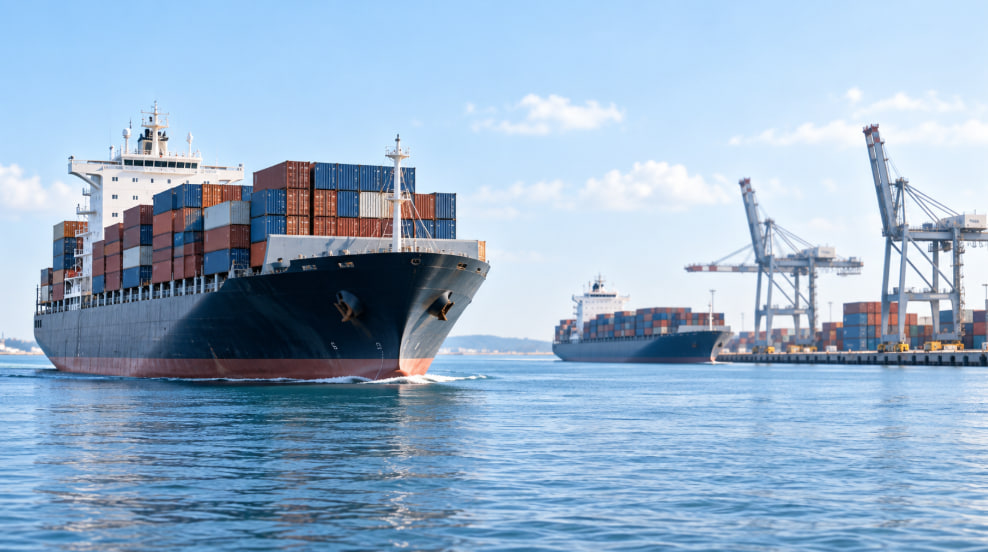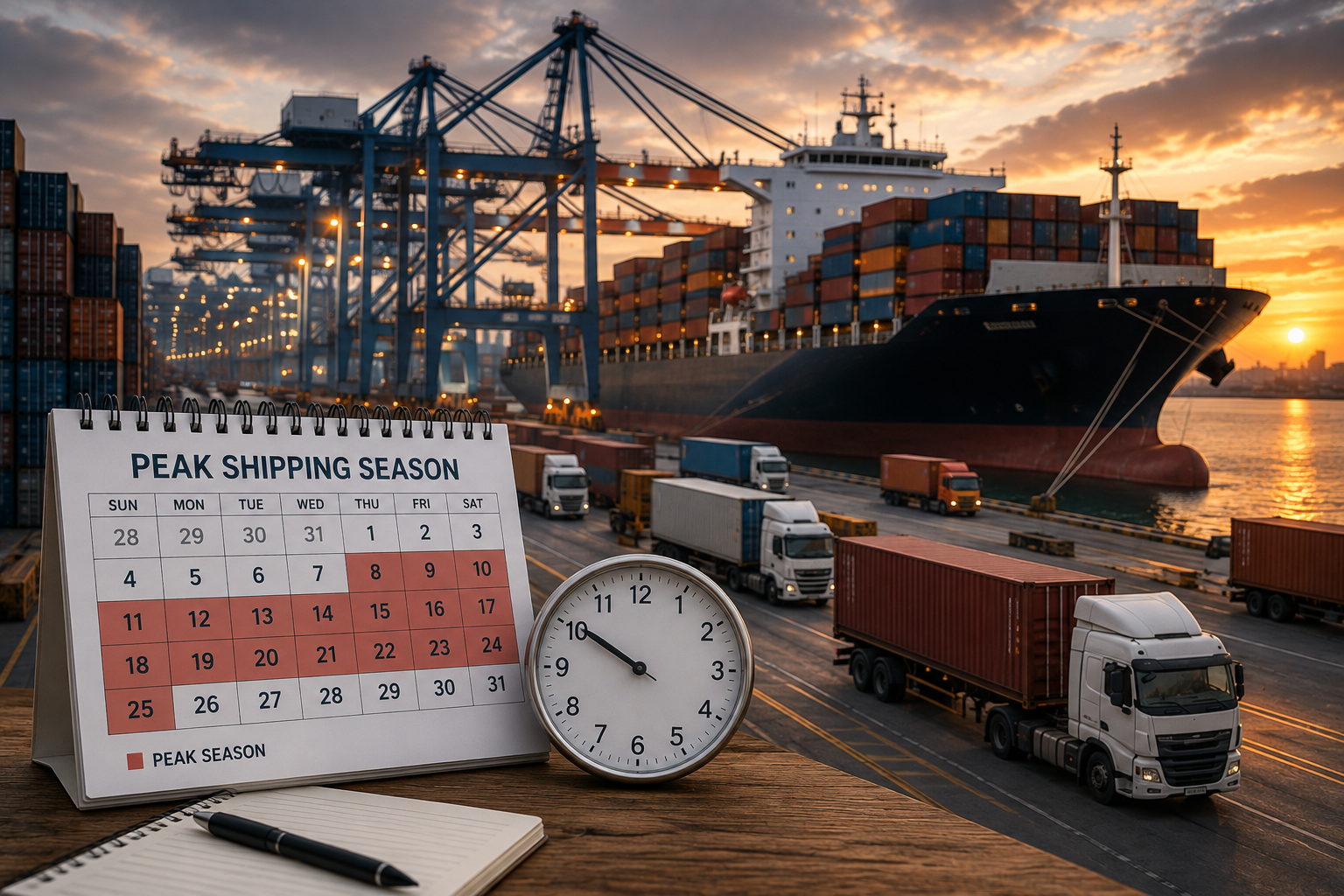
International ocean freight demand fluctuates throughout the year, and understanding these seasonal changes can help businesses avoid delays, secure better freight rates, and improve supply chain efficiency. During peak shipping season, ports become busier, vessel capacity fills quickly, and transportation costs often increase due to higher demand.
Whether you’re shipping retail inventory, manufacturing equipment, vehicles, or commercial cargo, planning ahead is one of the most effective ways to ensure your shipment arrives on time. Knowing when peak season occurs—and how it affects ocean freight—allows importers and exporters to make informed shipping decisions and reduce unexpected expenses.
This guide explains what peak shipping season is, when it typically occurs, and how to prepare your shipments for busy periods.
What Is Peak Shipping Season?
Peak shipping season is the period when international freight demand is at its highest. As more businesses move goods around the world, shipping lines experience increased booking volumes, ports become congested, and available container space becomes more limited.
Several factors contribute to seasonal demand, including:
- Holiday retail inventory
- Manufacturing cycles
- Agricultural exports
- Back-to-school merchandise
- Major international shopping events
- Global economic activity
Higher demand affects nearly every part of the logistics chain, from inland transportation and container availability to vessel schedules and customs processing.
When Does Peak Shipping Season Occur?
Although shipping activity continues year-round, the busiest period for ocean freight typically begins in late summer and continues through early fall.
In most years, peak season runs from August through October as retailers prepare inventory for holiday shopping and manufacturers increase exports before year-end.
Other busy periods may include:
- January and February before Lunar New Year factory closures
- Spring agricultural export seasons
- Back-to-school inventory shipments during early summer
- Holiday replenishment shipments in late autumn
The exact timing varies depending on global trade conditions and specific shipping routes.
How Peak Season Affects Ocean Freight
As shipping demand increases, businesses may experience several operational challenges.
Common effects include:
- Higher freight rates
- Limited container availability
- Reduced vessel space
- Longer transit times
- Port congestion
- Increased customs processing times
- Delays in inland transportation
Because vessels often reach capacity weeks before departure, last-minute bookings become more difficult during peak periods.
Planning shipments well in advance helps reduce these risks.
Why Freight Rates Increase
Ocean freight pricing is largely determined by supply and demand.
When available container space becomes limited, carriers adjust rates to reflect higher demand. Additional surcharges may also apply during peak shipping periods.
Freight costs may increase due to:
- Limited vessel capacity
- Equipment shortages
- Higher fuel costs
- Port congestion
- Increased trucking demand
- Seasonal surcharges
While pricing eventually stabilizes after peak season, businesses that wait too long to book transportation often pay significantly higher shipping costs.
When Should You Book Ocean Freight?
Booking early is one of the most effective ways to avoid delays and secure competitive freight rates.
As a general guideline:
- Book standard shipments 2–4 weeks before departure.
- During peak season, book 4–8 weeks in advance whenever possible.
- Large commercial shipments may require even earlier planning.
Early booking also provides greater flexibility when selecting departure dates and preferred shipping routes.
Tips for Shipping During Peak Season
Although peak season creates additional challenges, careful planning can help minimize disruptions.
Consider these best practices:
- Book shipments as early as possible.
- Prepare shipping documents in advance.
- Verify cargo dimensions and weight.
- Package cargo securely.
- Allow extra transit time.
- Monitor shipment schedules regularly.
- Consider cargo insurance for valuable goods.
Maintaining flexibility with shipping dates can also improve the chances of securing available vessel space.
Common Mistakes to Avoid
Many shipping delays during peak season result from avoidable planning mistakes rather than transportation issues.
Some of the most common include:
- Waiting until the last minute to book freight.
- Using incomplete shipping documentation.
- Underestimating transit times.
- Ignoring seasonal surcharges.
- Providing incorrect cargo measurements.
- Failing to plan inland transportation after arrival.
Addressing these issues before booking helps keep shipments moving efficiently throughout the supply chain.
Benefits of Planning Ahead
Businesses that prepare for peak shipping season often experience smoother operations and fewer unexpected costs.
Early planning offers several advantages:
- Better freight rates
- More vessel options
- Greater container availability
- Reduced risk of delays
- Improved inventory management
- More predictable delivery schedules
Taking a proactive approach allows businesses to meet customer expectations even during the busiest months of the year.
Final Thoughts
Peak shipping season is a predictable part of international logistics, but it doesn’t have to disrupt your supply chain. Understanding when demand increases, booking transportation early, and preparing accurate shipping documentation can significantly reduce delays and help control transportation costs.
Whether you’re shipping retail products, industrial equipment, vehicles, or commercial cargo, planning ahead is the best way to navigate busy shipping periods successfully.
At RAM Shipping, we help businesses and individuals prepare for peak shipping season with reliable ocean freight solutions, professional logistics support, and efficient shipment coordination. From securing vessel space to managing documentation and transportation, our experienced team is committed to helping your cargo move smoothly from the United States to destinations around the world.