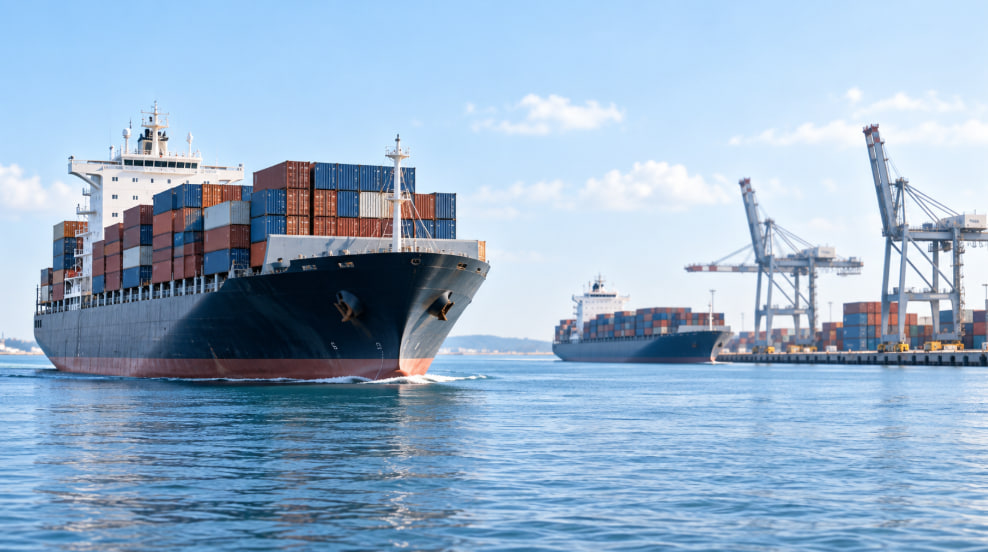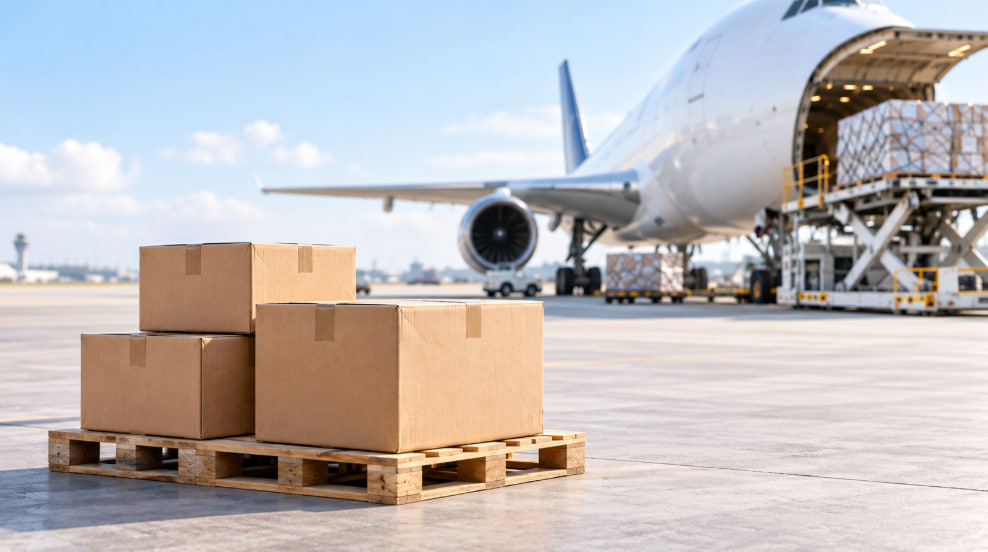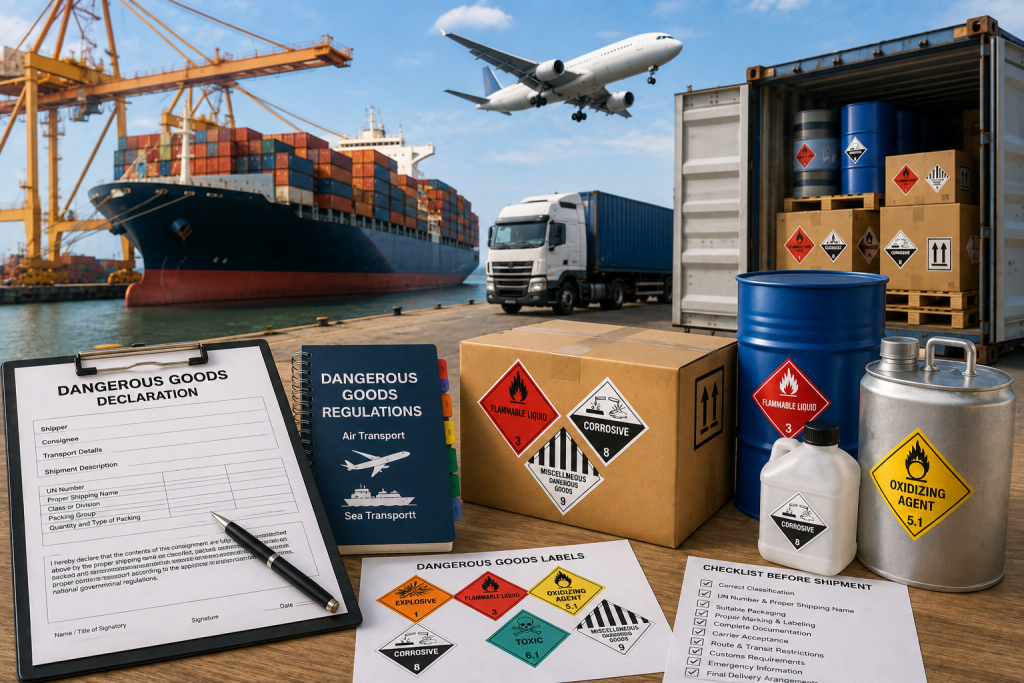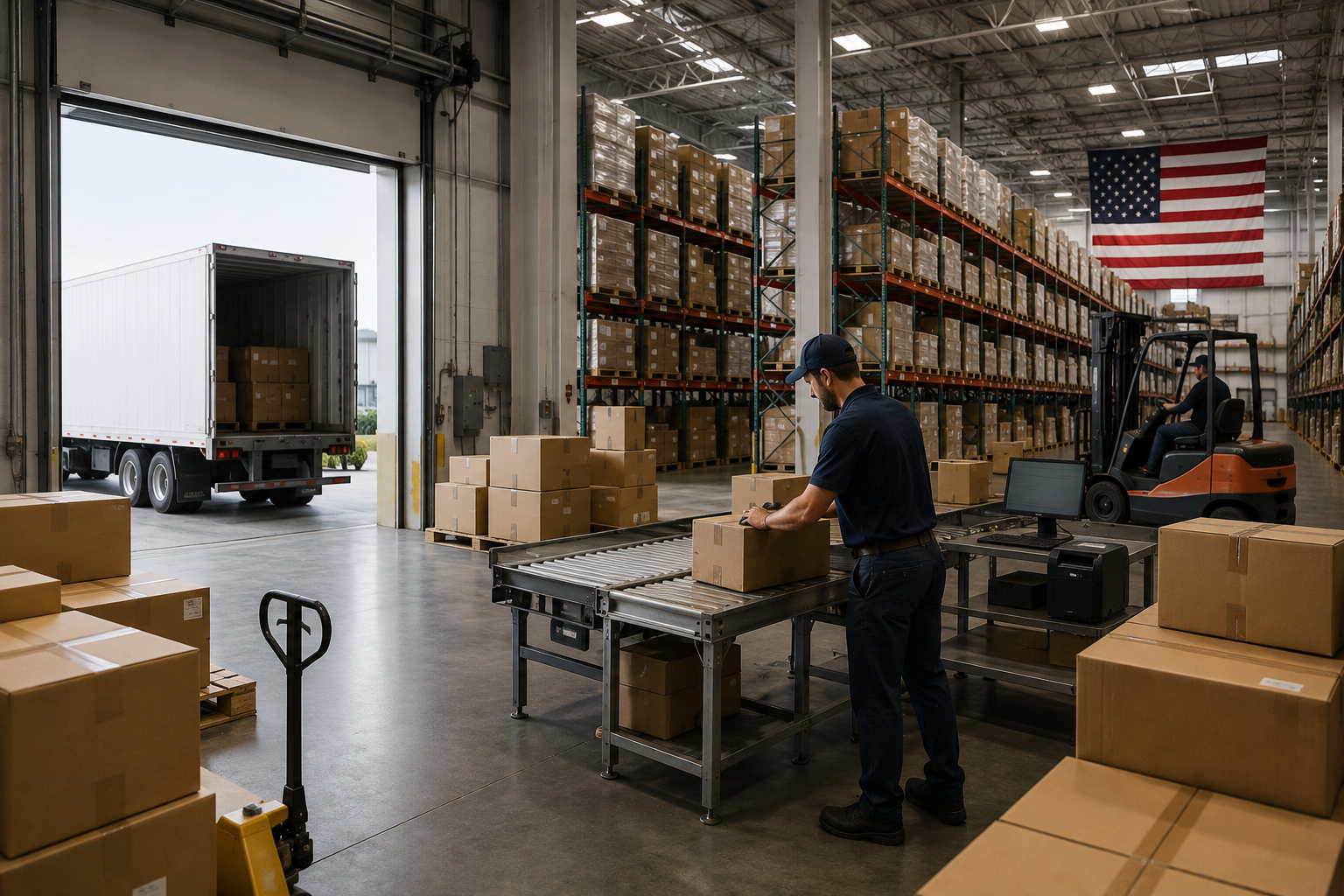
Cross-border e-commerce allows online businesses to sell products to customers in different countries without opening physical stores in every market. However, international growth also creates new logistics challenges. Storing inventory, processing orders, shipping packages, managing returns, and keeping delivery times competitive can become difficult when customers are located far from the seller.
A U.S. fulfillment partner can simplify this process by storing inventory in the United States and handling orders as they are placed. For international e-commerce businesses, this can make it easier to reach American customers while reducing the complexity of managing logistics from another country.
Choosing the right fulfillment partner is important because the provider you select can directly affect shipping costs, delivery speed, customer satisfaction, and the ability to scale your business.
What Is a U.S. Fulfillment Partner?
A U.S. fulfillment partner is a logistics company that manages part or all of the order fulfillment process on behalf of an e-commerce business.
Depending on the service, a fulfillment provider may handle:
- Inventory storage
- Receiving incoming products
- Order processing
- Picking and packing
- Shipping
- Tracking
- Returns
- Inventory management
Instead of keeping products in your own facility, you send inventory to a fulfillment warehouse in the United States. When a customer places an order, the fulfillment provider prepares the package and arranges delivery.
This model can be particularly useful for international sellers who want to establish a presence in the U.S. market without investing in their own warehouse.
Why Fulfillment Matters for Cross-Border E-Commerce
International customers increasingly expect fast and predictable delivery. Long shipping times, complicated tracking, and expensive international postage can discourage customers from completing a purchase.
Using a U.S.-based fulfillment operation can help businesses position inventory closer to their American customers.
Some potential advantages include:
- Faster domestic delivery
- Lower shipping costs
- Easier inventory management
- Professional order processing
- Simplified returns
- Better shipment tracking
- Ability to scale without opening a warehouse
For a growing online business, these advantages can make entering the U.S. market considerably easier.
Consider the Location of the Warehouse
Warehouse location is one of the first things to evaluate when comparing fulfillment providers.
A warehouse should ideally provide convenient access to major transportation networks and be positioned to serve your primary customer base efficiently.
Ask potential providers where their facilities are located and which regions they can serve most effectively.
If most of your customers are concentrated on one side of the country, warehouse location can have a noticeable effect on delivery times and domestic shipping costs.
Businesses with customers throughout the United States may also benefit from fulfillment networks with multiple warehouse locations.
Check E-Commerce Platform Integration
A fulfillment partner should work smoothly with the systems your business already uses.
Before choosing a provider, check whether it can integrate with your e-commerce platform, marketplace, or order management system.
Useful integrations may include:
- Shopify
- WooCommerce
- Amazon
- eBay
- Custom e-commerce platforms
- Order management software
Good integration allows orders and inventory information to move between systems automatically.
Without reliable integration, businesses may need to process orders manually, increasing the possibility of errors and creating unnecessary administrative work.
Evaluate Inventory Management
Accurate inventory management is essential for any online store.
A fulfillment provider should give you clear visibility into:
- Current inventory levels
- Incoming inventory
- Reserved products
- Available stock
- Damaged or returned items
- Order activity
Real-time or regularly updated inventory information helps prevent overselling and allows businesses to plan replenishment more effectively.
It is also useful to understand how the provider handles receiving new inventory and whether there are additional fees for inspections, labeling, or special preparation.
Compare Fulfillment and Storage Fees
Price is an important factor, but the lowest advertised fulfillment rate does not necessarily mean the lowest total cost.
Fulfillment pricing may include several separate charges, such as:
- Storage fees
- Receiving fees
- Pick and pack fees
- Packaging costs
- Shipping charges
- Returns processing
- Special handling
- Inventory preparation
Ask for a complete pricing structure before making a decision.
It is also useful to provide realistic order volumes, product dimensions, weights, and expected inventory levels when requesting a quote. This makes it easier to compare providers based on your actual business model rather than generic pricing.
Look at Shipping Options
A good fulfillment partner should offer shipping solutions that match your customers’ expectations.
Depending on the business, this may include standard, expedited, and other domestic delivery options.
Ask about:
- Available carriers
- Delivery times
- Tracking
- Shipping zones
- Package size limitations
- International shipping options
If your business serves customers outside the United States as well, make sure the provider can support your broader cross-border strategy.
The right shipping options can help balance delivery speed and transportation costs.
Check the Returns Process
Returns are an important part of e-commerce logistics and should not be overlooked when choosing a fulfillment partner.
A provider may receive returned products, inspect them, update inventory, and prepare items for resale when appropriate.
Before signing an agreement, understand how returns are handled.
Important questions include:
- Where are returns sent?
- How quickly are returned items processed?
- Can returned products be inspected?
- How are damaged products handled?
- Can inventory be restocked automatically?
- What fees apply to returns?
A well-organized returns process can improve customer satisfaction while reducing unnecessary operational work.
Evaluate Scalability
Your fulfillment partner should be able to grow with your business.
A provider that works well for several hundred orders per month may not be suitable once your order volume increases significantly.
Consider how the company handles:
- Seasonal demand
- Promotional campaigns
- Sudden order increases
- New product launches
- Multiple sales channels
- Increasing inventory volumes
Scalability is especially important for businesses expecting rapid growth in the U.S. market.
You should understand whether the provider can increase warehouse capacity and processing resources without causing major disruptions.
Consider Customer Support
Logistics issues can arise at any stage of the fulfillment process. When something goes wrong, responsive customer support becomes extremely important.
Ask how you can communicate with the fulfillment provider and whether you will have a dedicated account manager.
A reliable partner should be able to help with issues involving:
- Missing orders
- Inventory discrepancies
- Damaged products
- Shipping delays
- Returns
- Urgent fulfillment requests
Clear communication can prevent small operational issues from becoming larger customer service problems.
Review Experience With International Sellers
Cross-border e-commerce involves additional considerations compared with domestic online sales.
If your business is based outside the United States, look for a fulfillment provider that understands international inventory movement, import procedures, documentation, and cross-border logistics.
Experience with international sellers can make onboarding and inventory replenishment much easier.
It is also worth checking whether the provider can coordinate transportation from your country to its U.S. warehouse.
Ask About Security and Inventory Accuracy
Your inventory represents a significant financial investment, so warehouse security and operational accuracy should be part of the evaluation.
Ask potential providers about:
- Warehouse security
- Inventory tracking systems
- Barcode scanning
- Cycle counting
- Order verification
- Damage prevention
- Facility access controls
Accurate warehouse processes reduce the risk of lost inventory, incorrect shipments, and order fulfillment errors.
Compare Providers Before Making a Decision
Once you have identified several potential fulfillment partners, compare them based on the factors that matter most to your business.
Consider creating a simple comparison that includes:
- Warehouse locations
- Storage costs
- Fulfillment fees
- Shipping rates
- Platform integrations
- Returns handling
- Technology
- Customer support
- Scalability
- International logistics experience
Don’t focus on one factor alone. A slightly higher fulfillment fee may be worthwhile if the provider offers better shipping rates, stronger technology, or more reliable service.
Final Thoughts
Choosing a U.S. fulfillment partner is an important decision for any international e-commerce business entering or expanding in the American market. The right provider can simplify inventory management, speed up order processing, improve delivery performance, and reduce the operational burden of managing logistics from overseas.
Before choosing a fulfillment company, evaluate warehouse locations, pricing, technology, shipping options, returns, customer support, and scalability. Most importantly, look at the complete cost and service offering rather than choosing a provider based only on its basic fulfillment rate.
For businesses moving inventory internationally and selling to U.S. customers, logistics should be considered as part of the overall growth strategy rather than simply an operational expense.
RAM Shipping can support businesses with international transportation and logistics coordination, helping connect overseas suppliers and e-commerce businesses with the U.S. market. Combining international freight services with reliable fulfillment planning can create a more efficient supply chain from the initial shipment to the final customer.