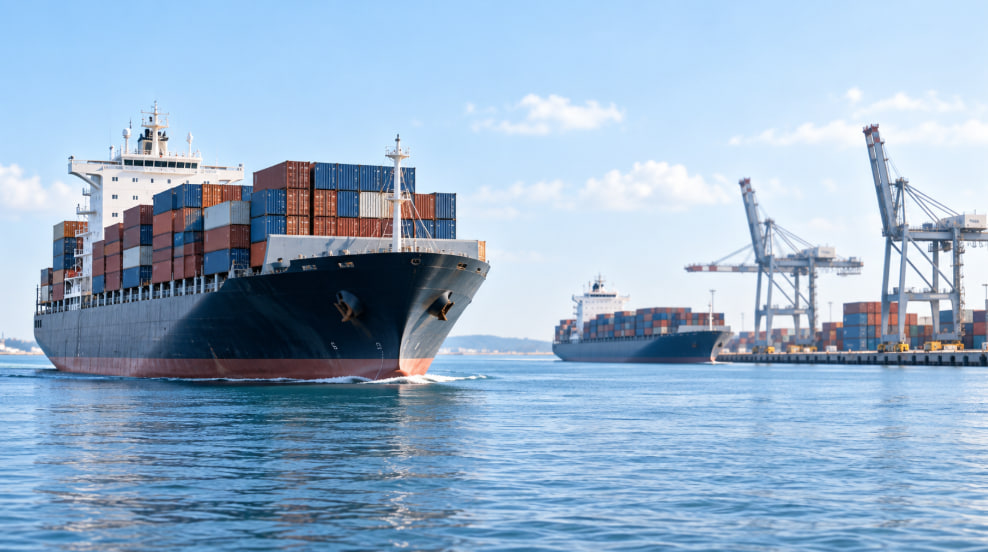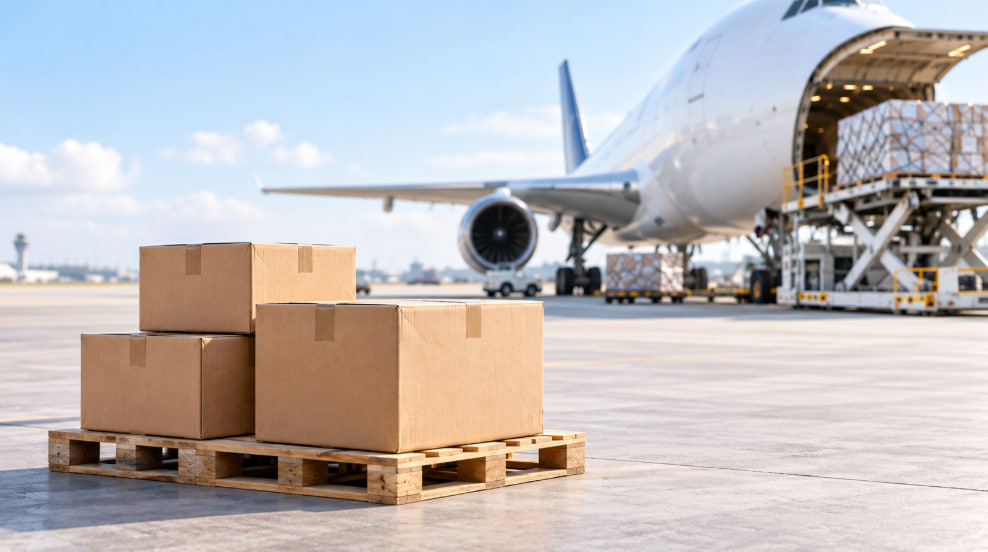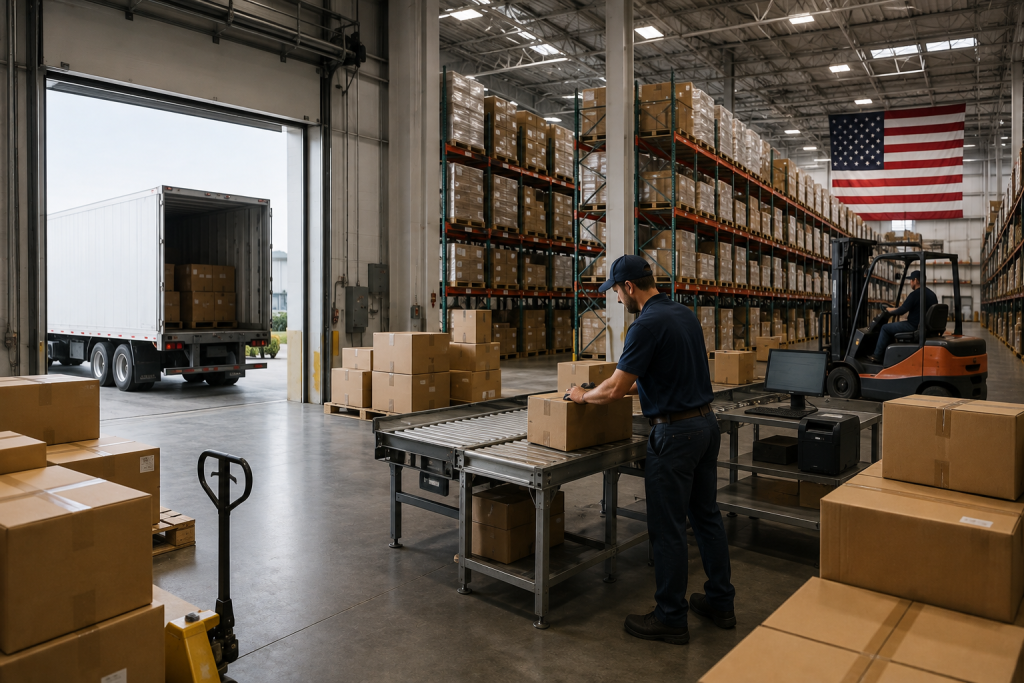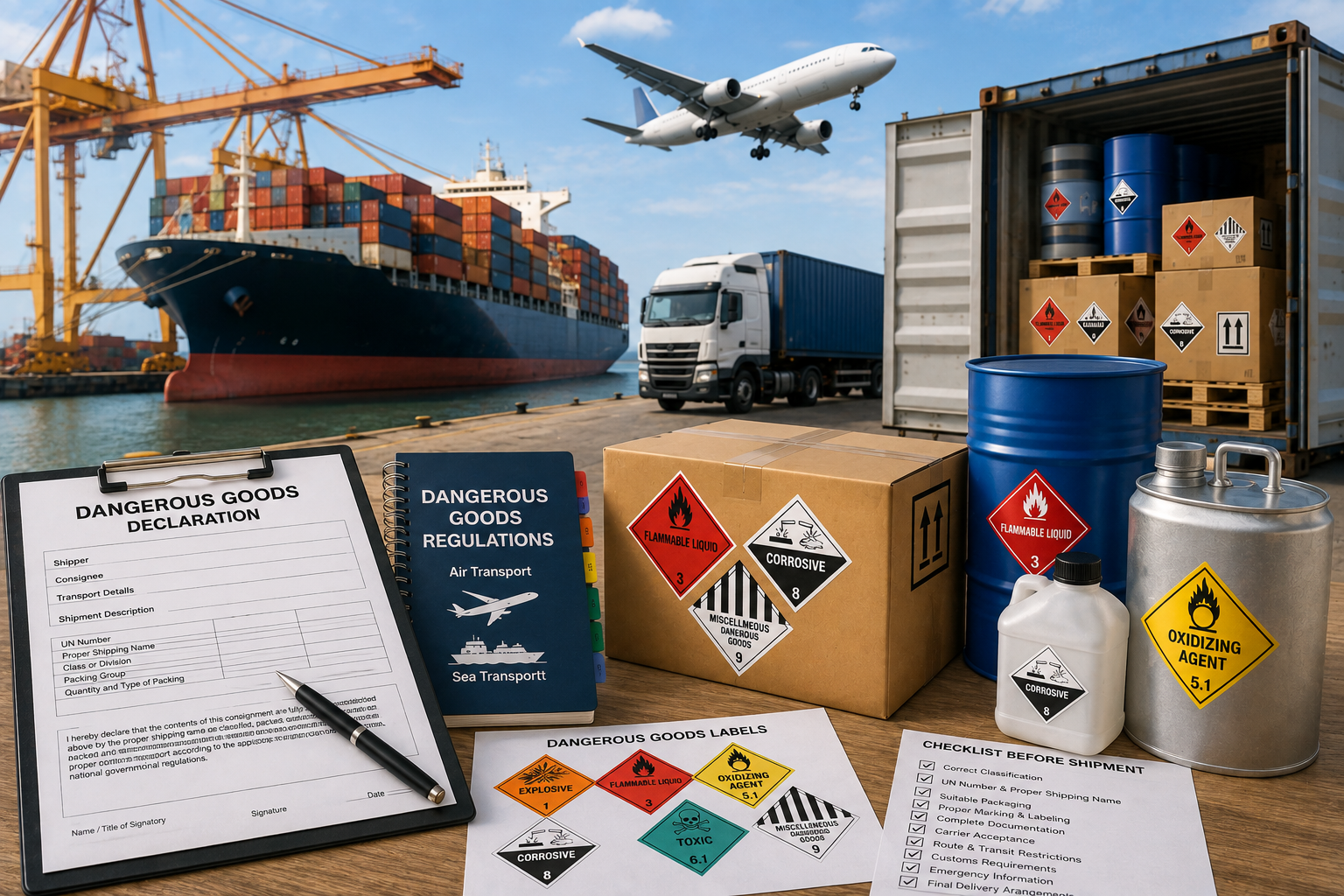
Shipping dangerous goods internationally requires careful planning from the very beginning. Unlike ordinary cargo, hazardous products may require special packaging, documentation, labeling, handling, and transportation conditions.
Dangerous goods can include chemicals, batteries, paints, aerosols, fuels, gases, solvents, and various industrial products. Some items may not appear hazardous during normal use but can still be regulated during transportation.
The requirements also depend on how the cargo is transported. Air freight and ocean freight have different rules, restrictions, and handling procedures. Understanding these differences before booking a shipment can help prevent delays, rejected cargo, and unexpected costs.
What Are Dangerous Goods?
Dangerous goods are products or materials that can create a potential risk to people, property, transportation equipment, or the environment during shipping.
Common examples include:
- Flammable liquids
- Compressed gases
- Corrosive substances
- Certain chemicals
- Lithium batteries
- Paints and solvents
- Aerosols
- Oxidizing materials
- Toxic substances
- Products containing hazardous components
The first step in international transportation is determining whether the cargo is classified as dangerous goods.
This should be done before booking transportation because the classification can affect the packaging, labeling, documentation, carrier, route, and shipping method.
Step 1: Identify Your Cargo
Before arranging transportation, collect detailed information about the product.
This may include:
- Product name
- Manufacturer information
- Technical description
- Safety Data Sheet
- Chemical composition
- Quantity
- Packaging type
- Product specifications
- Battery information, if applicable
Accurate information is essential because the logistics provider needs to understand exactly what is being shipped.
If the product consists of several components, each component should be reviewed separately when necessary. Some products may also become regulated because of the materials they contain.
Step 2: Determine the Correct Classification
Dangerous goods are divided into hazard classes according to the type of risk they present.
The classification determines how the cargo should be prepared and transported. It can influence the type of packaging required, permitted quantities, labels, documentation, and carrier acceptance.
Many dangerous goods are also associated with a specific UN number and Proper Shipping Name.
Providing incorrect information at this stage can cause problems later. For example, a shipment may be stopped at a warehouse or terminal if the cargo description does not match the actual product.
When classification is uncertain, it is better to resolve the issue before transportation rather than trying to correct the documentation after the shipment has already departed.
Step 3: Choose the Right Transportation Method
The choice between air and ocean freight depends on the characteristics of the cargo and the delivery requirements.
Air freight is generally selected when speed is important. However, dangerous goods transported by air can be subject to strict limitations. Certain products may have quantity restrictions or may not be accepted by particular airlines.
Ocean freight can be more suitable for larger shipments and certain types of hazardous cargo. It allows dangerous goods to be transported in containers under appropriate maritime procedures.
When choosing between the two options, consider:
- Type of dangerous goods
- Shipment volume
- Total weight
- Required delivery time
- Destination
- Carrier restrictions
- Transportation cost
- Available routes
The fastest transportation method is not necessarily the best option if the product cannot be accepted on the required route.
Step 4: Use the Correct Packaging
Packaging plays a critical role in dangerous goods transportation.
The purpose of the packaging is not only to contain the product but also to protect it from damage, leakage, pressure, vibration, and other conditions that may occur during transportation.
Depending on the cargo, special approved packaging may be required.
Before packing the shipment, check:
- Packaging specifications
- Maximum permitted quantity
- Closure requirements
- Internal protection
- Compatibility with the product
- Condition of the outer packaging
Packages should also be strong enough for the expected handling conditions.
Using ordinary commercial packaging without checking whether it is suitable for dangerous goods can result in the shipment being refused by the carrier.
Step 5: Mark and Label the Packages
Correct labeling allows everyone involved in transportation to understand what type of cargo they are handling.
Depending on the product and shipping method, packages may need to display:
- Hazard labels
- UN number
- Proper Shipping Name
- Handling marks
- Orientation arrows
- Other required identification information
Labels should be clearly visible and securely attached to the package.
The information shown on the package should also correspond with the shipping documentation.
Incorrect, damaged, or missing labels can cause a shipment to be delayed while the problem is corrected.
Step 6: Prepare the Shipping Documents
Documentation is another major part of dangerous goods transportation.
Depending on the shipment, required documents may include:
- Commercial Invoice
- Packing List
- Bill of Lading
- Air Waybill
- Dangerous Goods Declaration
- Safety Data Sheet
- Export documentation
- Import permits
- Additional certificates
Not every shipment requires every document. The requirements depend on the cargo, destination, transportation method, and applicable regulations.
All information should be checked carefully before the cargo is handed over to the carrier.
The product description, quantity, classification, and identification information should be consistent throughout the documentation.
Step 7: Confirm Carrier Requirements
A shipment can comply with general transportation requirements and still be rejected by a particular carrier.
Airlines, ocean carriers, ports, airports, and terminals may have additional restrictions regarding dangerous goods.
Before booking, confirm:
- Whether the carrier accepts the product
- Quantity restrictions
- Available routes
- Packaging requirements
- Documentation requirements
- Transit restrictions
- Additional handling procedures
This is particularly important when the shipment involves several transportation providers or transshipment points.
Checking these requirements before pickup can prevent last-minute changes.
Step 8: Prepare Dangerous Goods for Ocean Freight
Ocean transportation requires careful container planning.
Dangerous goods must be properly packed and secured inside the container. Depending on their classification, some products may also need to be separated from other materials that could create a dangerous reaction.
Container preparation can involve:
- Proper cargo securing
- Appropriate container selection
- Stowage planning
- Segregation of incompatible goods
- Container markings
- Special handling instructions
The shipping provider should receive complete information about the cargo before the container reaches the port.
This gives the carrier and terminal enough time to prepare for the shipment.
Step 9: Consider Customs Requirements
Dangerous goods must meet customs requirements in addition to transportation regulations.
The destination country may impose additional restrictions on chemicals, batteries, fuels, medical products, industrial materials, or other regulated goods.
Before shipping, review:
- HS code
- Product description
- Declared value
- Country of origin
- Import restrictions
- Required permits
- Duties and taxes
- Product-specific requirements
Customs documentation should accurately describe the goods.
A vague or incorrect description can create additional questions from customs authorities and potentially delay clearance.
Step 10: Plan the Final Delivery
The shipping process does not end when dangerous goods reach the destination port or airport.
The final delivery also needs to be planned according to the characteristics of the cargo.
Consider:
- Type of delivery vehicle
- Local transportation restrictions
- Handling requirements
- Unloading location
- Storage conditions
- Delivery schedule
- Local regulations
The receiving facility should also be prepared to accept the cargo.
Proper coordination between the carrier, warehouse, customs broker, and final delivery provider helps keep the shipment moving efficiently.
Air Freight vs. Ocean Freight for Dangerous Goods
Air and ocean transportation should not be treated as interchangeable options.
Air freight is generally better suited to shipments where delivery speed is a priority and the cargo can meet the applicable air transportation requirements.
Ocean freight may be more appropriate for larger quantities, longer-distance transportation, or cargo that is not practical to move by air.
The main factors to compare include:
- Transportation time
- Cargo volume
- Weight
- Cost
- Carrier restrictions
- Packaging requirements
- Documentation
- Route availability
The right choice should be based on the complete transportation requirements rather than price alone.
Common Dangerous Goods Shipping Mistakes
Several common mistakes can create unnecessary delays.
These include:
- Incorrect cargo classification
- Incomplete product information
- Unsuitable packaging
- Missing labels
- Incorrect quantities
- Inconsistent documents
- Booking before confirming carrier acceptance
- Ignoring destination requirements
- Poor cargo securing
- Waiting until the last minute to prepare paperwork
Most of these problems can be avoided by preparing the shipment well before the planned departure date.
How to Make Dangerous Goods Shipping Easier
A structured preparation process can significantly simplify international transportation.
Start by collecting complete product information and determining the applicable requirements. Then select the appropriate transportation method, prepare suitable packaging, complete the documentation, and confirm carrier acceptance.
It is also important to allow enough time for customs and transportation planning.
For complex shipments, working with an experienced logistics provider can reduce the amount of coordination required from the shipper.
A professional provider can help organize transportation, communicate with carriers, coordinate cargo handling, and keep the different stages of the shipment connected.
Final Dangerous Goods Shipping Checklist
Before your cargo leaves, make sure that:
- The product has been correctly identified.
- The applicable classification has been confirmed.
- Required identification numbers are accurate.
- Suitable packaging has been selected.
- Packages are properly marked and labeled.
- Shipping documents are complete.
- Carrier acceptance has been confirmed.
- Route restrictions have been reviewed.
- Customs requirements have been checked.
- Cargo is properly secured.
- Final delivery arrangements are ready.
Final Thoughts
Shipping dangerous goods internationally requires more preparation than standard cargo transportation. Every stage matters, from identifying the product and selecting the appropriate packaging to preparing documentation and coordinating the final delivery.
Air and ocean freight also have different operational requirements, so the transportation method should be selected according to the cargo, route, quantity, and delivery expectations.
Good preparation helps reduce the risk of rejected shipments, customs delays, additional handling, and unexpected transportation costs.
For businesses regularly moving specialized cargo across borders, having an experienced logistics partner can make the process much easier.
RAM Shipping helps businesses coordinate international transportation and logistics for different types of cargo. From transportation planning and documentation coordination to ocean freight and final delivery arrangements, the goal is to make complex international shipping more organized and predictable.