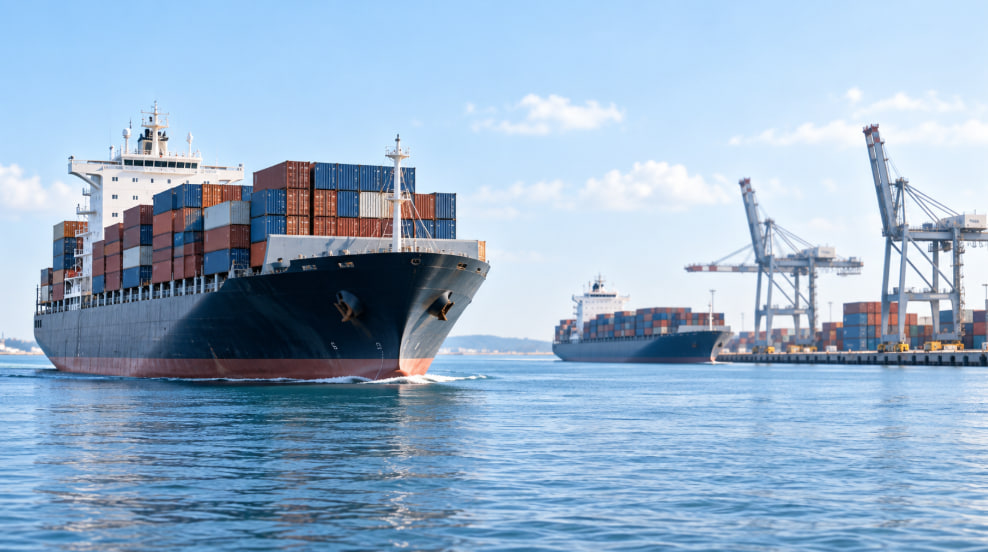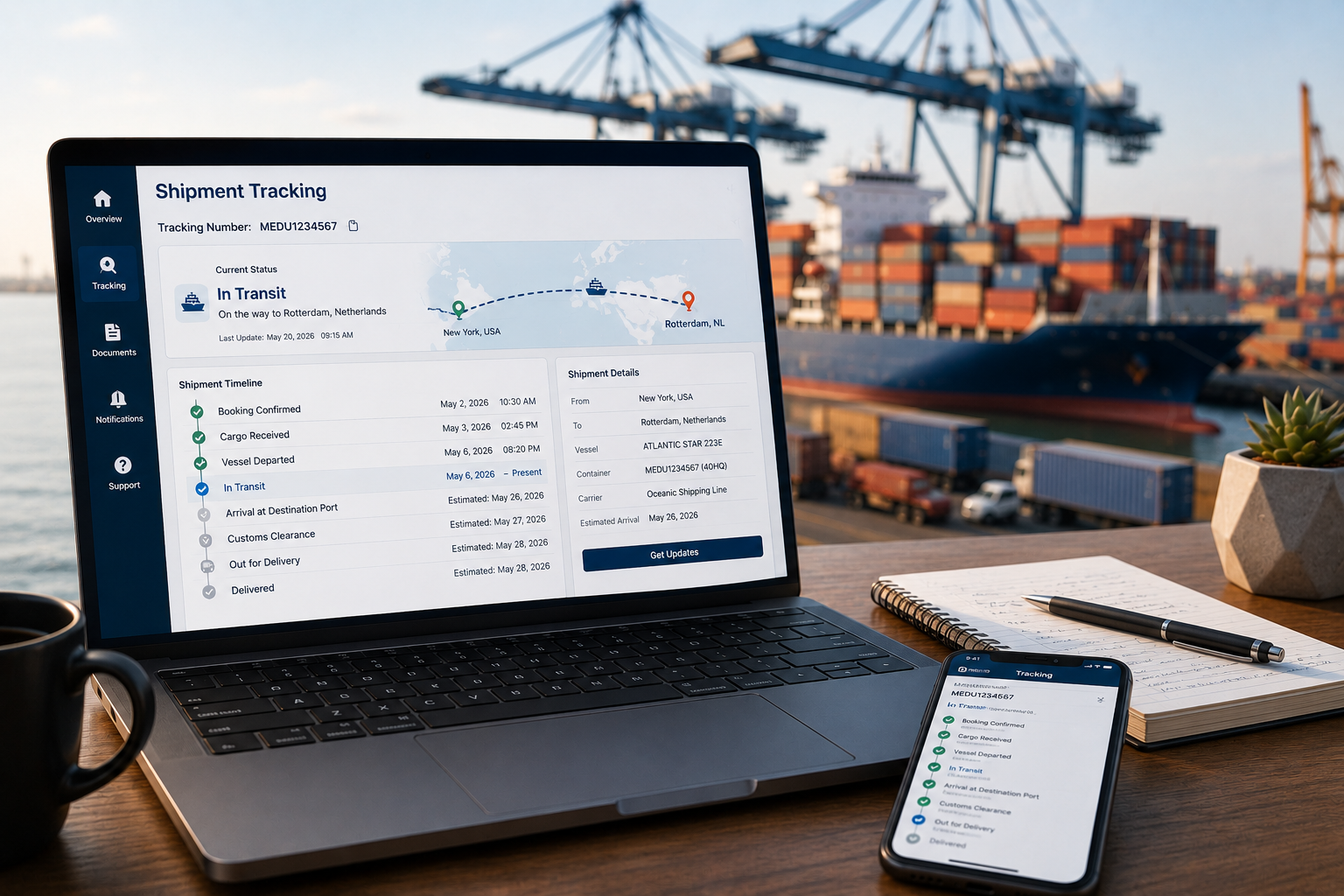
International shipping can take several weeks, making shipment visibility an important part of the logistics process. Whether you’re transporting commercial cargo, vehicles, machinery, or personal belongings, tracking your shipment allows you to monitor its progress and better plan for its arrival.
Modern ocean freight tracking provides updates throughout the shipping journey, from cargo pickup and container loading to customs clearance and final delivery. Understanding how tracking works helps businesses improve inventory planning, communicate with customers, and respond quickly if delays occur.
This guide explains how ocean freight tracking works, what information you can expect to receive, and how to make the most of shipment tracking tools.
What Is Ocean Freight Tracking?
Ocean freight tracking is the process of monitoring cargo as it moves through the international supply chain. Shipping companies use container numbers, booking references, and vessel schedules to provide updates throughout the shipment’s journey.
Tracking systems typically provide information about:
- Shipment status
- Current location
- Vessel information
- Departure date
- Estimated arrival date
- Port activity
- Delivery progress
These updates help shippers stay informed and prepare for the next stages of transportation.
How Ocean Freight Tracking Works
Once your shipment has been booked, you’ll receive a unique reference number that can be used to monitor its progress.
Depending on the carrier, you may receive one or more tracking identifiers, including:
- Container number
- Bill of Lading (BOL) number
- Booking number
- Reference number
These identifiers connect your shipment to the carrier’s tracking system, allowing status updates to be viewed throughout the transportation process.
As the shipment moves between ports and terminals, the tracking information is updated automatically.
Key Shipment Milestones
Ocean freight tracking follows several important stages before cargo reaches its final destination.
Typical shipment updates include:
- Booking confirmed
- Cargo received
- Container loaded
- Export customs cleared
- Vessel departed
- In transit
- Arrival at destination port
- Import customs clearance
- Released for delivery
- Final delivery completed
Each status provides valuable information about where the shipment is and what happens next.
Understanding Estimated Arrival Times
One of the most useful features of shipment tracking is the estimated time of arrival (ETA).
The ETA is calculated using several factors, including:
- Shipping route
- Vessel schedule
- Distance traveled
- Port operations
- Weather conditions
- Carrier updates
Although ETAs are generally accurate, they may change if unexpected events affect the voyage.
For this reason, businesses should view estimated arrival dates as planning tools rather than guaranteed delivery dates.
Why Ocean Shipments May Be Delayed
Even with modern tracking systems, international shipments can occasionally experience delays.
Some of the most common causes include:
- Severe weather
- Port congestion
- Customs inspections
- Vessel schedule changes
- Equipment shortages
- Labor disruptions
- Documentation issues
Tracking updates help identify these delays early, allowing businesses to adjust delivery schedules and communicate with customers more effectively.
Benefits of Shipment Tracking
Real-time shipment visibility offers advantages for both businesses and individuals.
Some of the biggest benefits include:
- Better supply chain planning
- Improved inventory management
- Faster customer communication
- Increased shipment visibility
- Better delivery coordination
- Reduced uncertainty during transit
Having access to tracking information makes it easier to anticipate arrival dates and organize inland transportation after the cargo reaches its destination.
Tips for Tracking Your Shipment
Tracking your cargo becomes much easier when you keep important shipment information organized.
Before your shipment departs, remember to:
- Save your container number.
- Keep your Bill of Lading.
- Record your booking reference.
- Monitor carrier updates regularly.
- Stay in contact with your logistics provider.
- Prepare for customs clearance before arrival.
Checking shipment status periodically allows you to identify potential delays before they affect your delivery schedule.
When to Contact Your Shipping Company
Most shipments move according to schedule, but there are situations where contacting your shipping provider is recommended.
Consider reaching out if:
- Tracking has not updated for several days.
- The estimated arrival date changes significantly.
- Customs requests additional documentation.
- The shipment appears delayed at the port.
- You need to arrange final delivery after customs clearance.
Your logistics provider can explain shipment status, coordinate with the carrier, and help resolve any issues that arise during transportation.
Final Thoughts
Ocean freight tracking provides valuable visibility throughout the international shipping process. From the moment cargo is loaded until it reaches its final destination, tracking updates help businesses and individuals stay informed, improve planning, and respond quickly to unexpected changes.
While international shipping involves many moving parts, understanding how tracking works can make the process far more predictable and efficient.
At RAM Shipping, we help customers monitor their shipments every step of the way. From booking confirmation and ocean transportation to customs clearance and final delivery, our experienced team is committed to providing reliable logistics solutions and clear communication throughout the shipping process.