International ocean shipping remains one of the most reliable and cost-effective ways to transport goods across the globe. Whether you’re shipping commercial products, machinery, vehicles, or personal belongings, proper cargo preparation plays a critical role in ensuring your shipment arrives safely and on time.
Many shipping delays, damaged goods, and unexpected costs can be traced back to inadequate preparation before cargo reaches the port. Taking the time to package, document, and organize your shipment correctly helps reduce risks throughout the transportation process.
In this guide, we’ll explain how to prepare cargo for international ocean shipping and share practical tips that can help make your shipment as smooth as possible.
Why Proper Cargo Preparation Matters
Ocean freight exposes cargo to a variety of conditions during transit. Containers may experience movement caused by rough seas, changes in temperature, humidity, and multiple handling points before reaching the final destination.
Proper preparation helps:
- Protect cargo from damage during loading and unloading.
- Reduce the risk of customs delays.
- Prevent unnecessary shipping costs.
- Improve safety throughout transportation.
- Ensure compliance with international shipping regulations.
Whether your shipment is traveling in a Full Container Load (FCL) or Less than Container Load (LCL), careful preparation is essential.
Choose the Right Shipping Method
Before preparing your cargo, it’s important to determine which shipping option best fits your needs.
Several factors influence this decision, including:
- Shipment size
- Cargo weight
- Product type
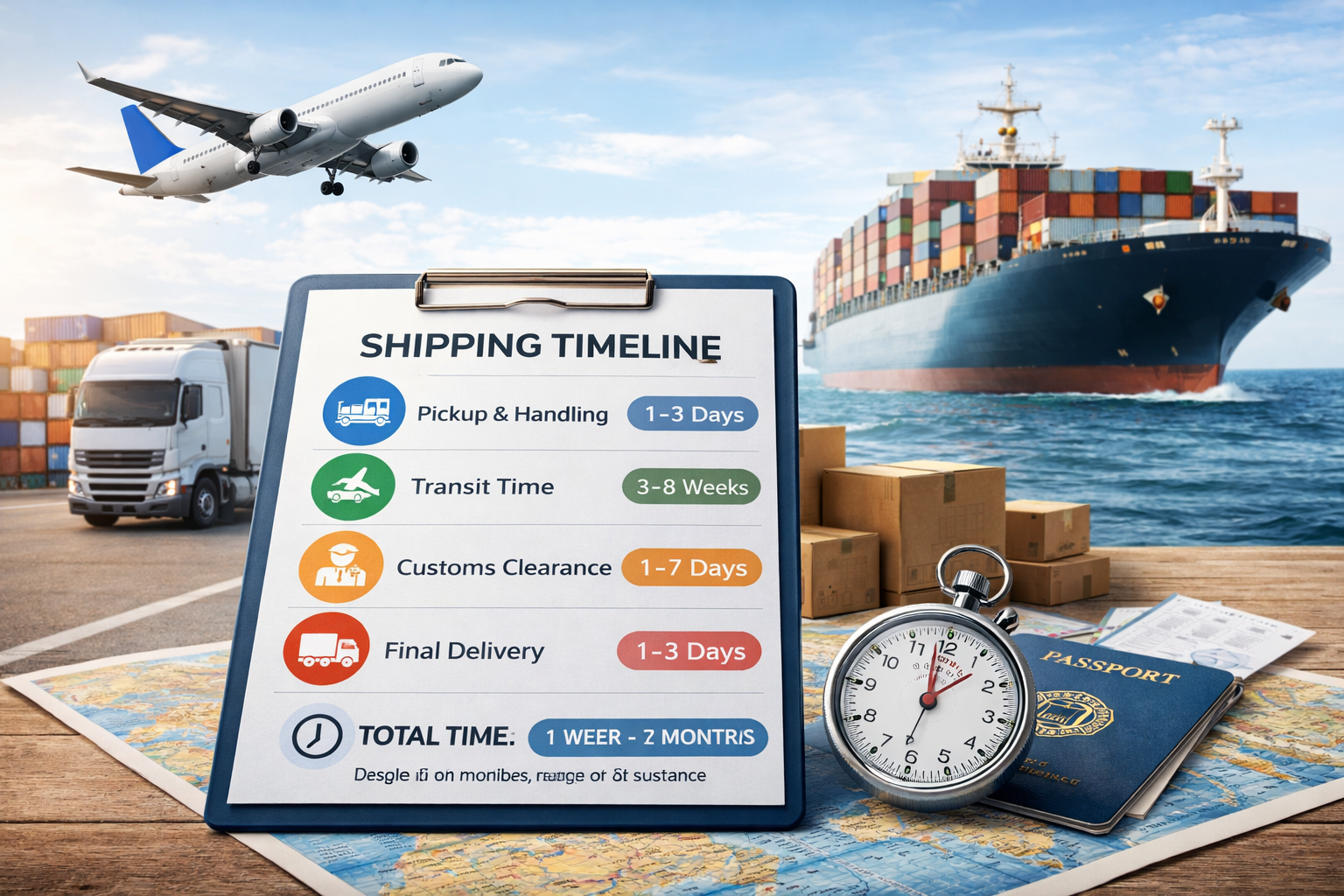
- Delivery timeline
- Budget
For large shipments, an FCL container often provides greater security and efficiency since the entire container is reserved for one customer. Smaller shipments may benefit from LCL shipping, where cargo shares container space with other shipments.
Your shipping provider can help determine the most suitable solution based on your cargo and destination.
Use High-Quality Packaging Materials
Packaging is one of the most important aspects of preparing cargo for ocean transportation.
Unlike domestic deliveries, international shipments often travel thousands of miles and pass through several ports before reaching their destination.
Strong packaging helps protect goods from:
- Moisture
- Compression
- Vibration
- Stacking pressure
- Impact during handling
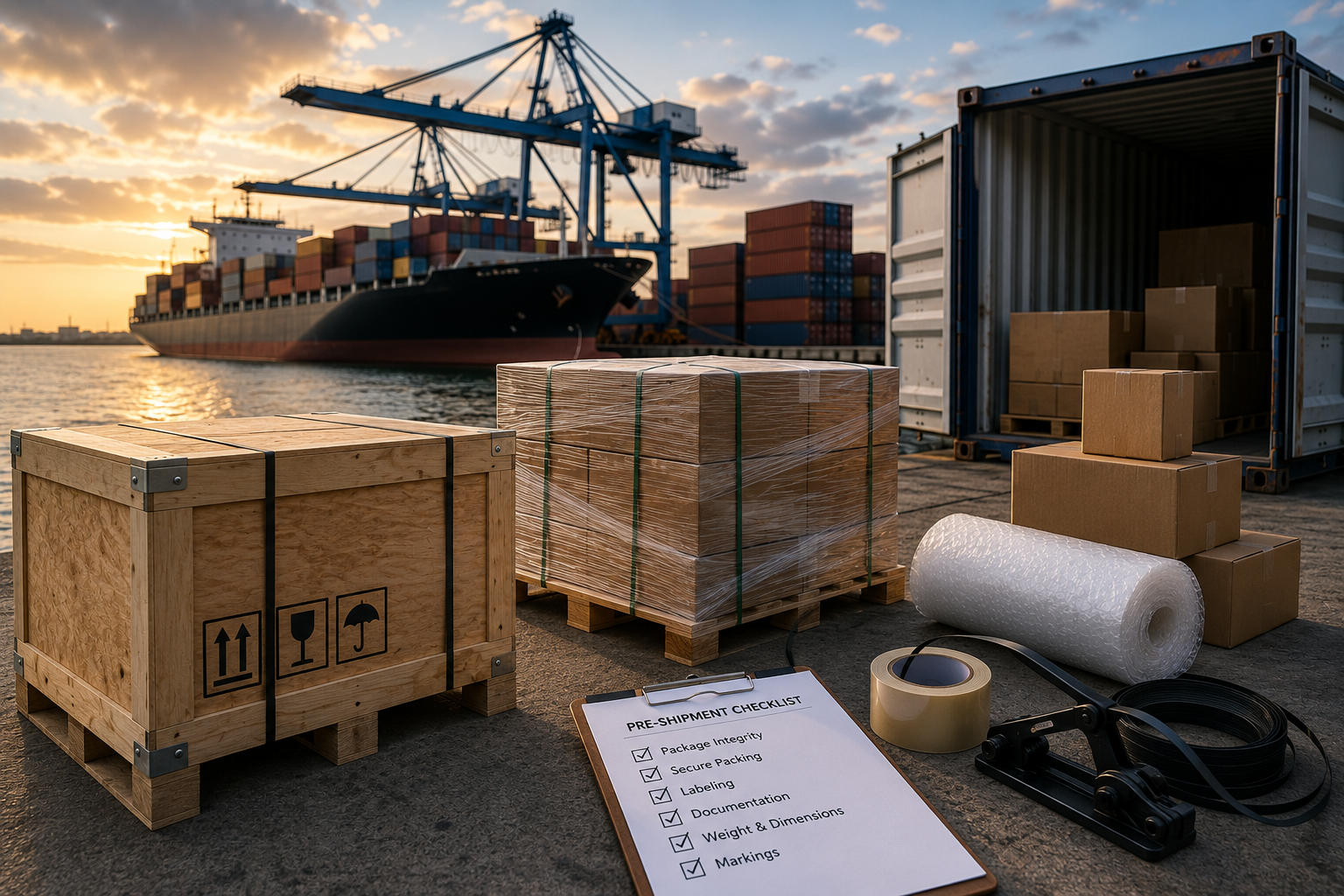
Use sturdy boxes, reinforced crates, pallets, protective wrapping, and appropriate cushioning materials whenever necessary.
Heavy items should always be secured properly to prevent movement inside the package.
Secure Cargo Correctly
Even well-packaged goods can become damaged if they shift during transportation.
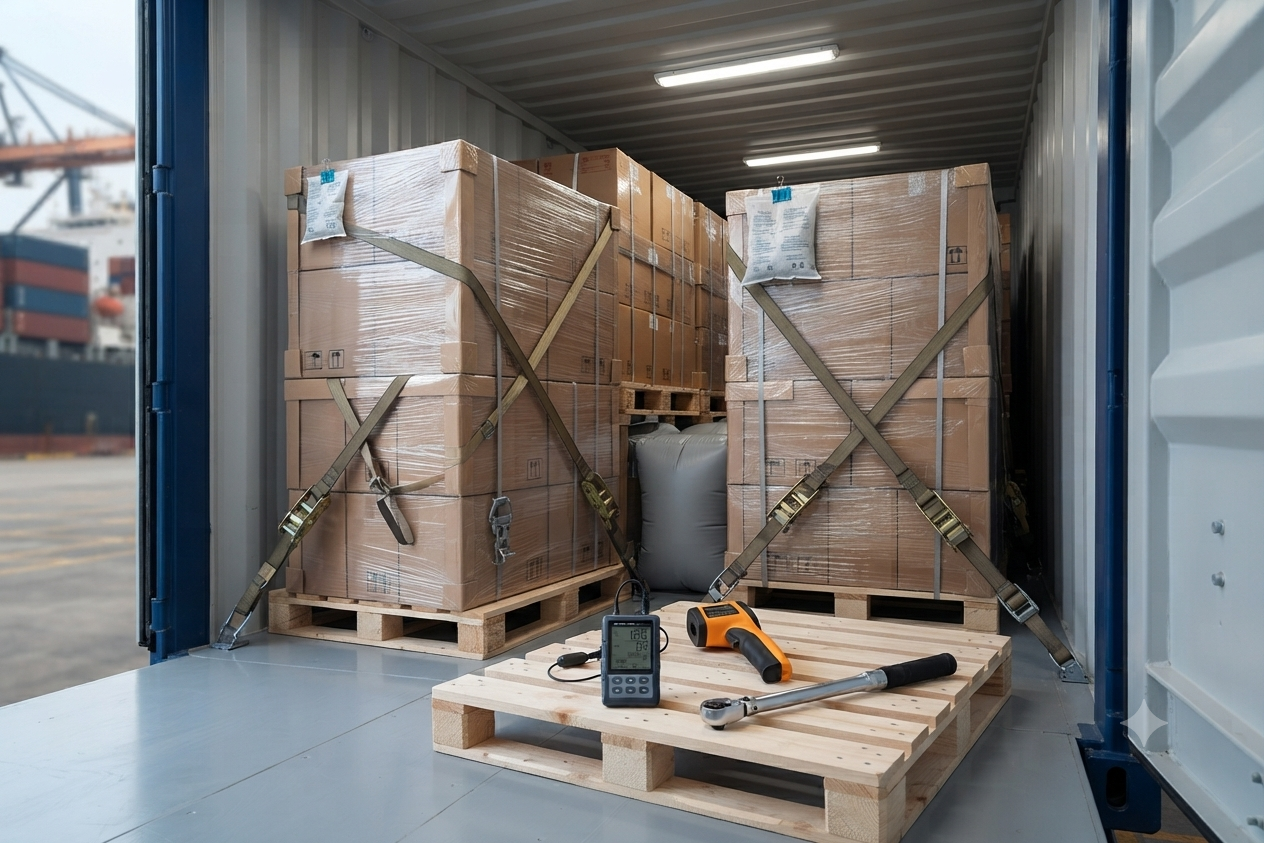
Proper cargo securing is especially important for ocean freight because containers experience constant movement while at sea.
Depending on the shipment, cargo may need:
- Straps
- Bracing
- Blocking
- Dunnage
- Shrink wrap
- Protective padding
Large machinery and vehicles often require specialized securing methods to prevent movement inside the container.
Working with experienced loading professionals helps minimize the risk of cargo damage.
Label Every Package Clearly
Proper labeling makes it easier for carriers, warehouses, and customs officials to identify your shipment throughout the transportation process.
Each package should include accurate information such as:
- Consignee name
- Destination address
- Contact information
- Package number
- Handling instructions
- Country of origin (when required)
If the shipment contains fragile or hazardous materials, the appropriate warning labels should also be displayed according to international regulations.
Clear labeling reduces confusion and helps prevent delays.
Prepare Accurate Shipping Documentation
Documentation is one of the most common reasons shipments are delayed during international transportation.
Before your cargo leaves the warehouse, verify that all paperwork is complete and accurate.
Depending on the shipment, required documents may include:
- Commercial Invoice
- Packing List
- Bill of Lading
- Certificate of Origin
- Export Declaration
- Import permits (if applicable)
- Insurance documentation
Even minor errors in product descriptions, shipment values, or consignee information can slow the customs clearance process.
Reviewing documents carefully before departure saves time later.
Protect Cargo from Moisture
Ocean containers are exposed to changing temperatures throughout the voyage.
These temperature fluctuations can create condensation inside containers, sometimes referred to as “container rain.”
Moisture can damage products such as:
- Electronics
- Furniture
- Clothing
- Paper products
- Machinery
- Wooden goods
To reduce moisture-related risks, consider using:
- Desiccant bags
- Moisture barrier packaging
- Plastic wrapping
- Waterproof covers
- Ventilated packaging when appropriate
Taking preventative measures helps preserve cargo quality during long ocean voyages.
Verify Import Requirements Before Shipping
Every destination country has its own import regulations.
Before shipping internationally, make sure you understand any requirements related to:
- Customs documentation
- Product restrictions
- Labeling regulations
- Import licenses
- Duties and taxes
- Inspection requirements
Failure to meet local regulations may result in customs delays, additional fees, or even shipment refusal.
An experienced freight forwarder can help verify destination-specific requirements before the shipment departs.
Consider Cargo Insurance
Although ocean freight is considered one of the safest methods of international transportation, unexpected situations can still occur.
Severe weather, port congestion, accidents, or handling incidents may result in cargo loss or damage.
Cargo insurance provides valuable financial protection and offers peace of mind throughout the shipping process.
Depending on the shipment’s value and destination, insurance may be a worthwhile investment that protects both businesses and individual shippers.
Work with an Experienced Shipping Partner
Preparing cargo for international transportation involves far more than packaging boxes.
An experienced shipping company can assist with:
- Selecting the appropriate container
- Preparing documentation
- Coordinating customs requirements
- Organizing container loading
- Scheduling transportation
- Monitoring shipment progress
Professional guidance helps reduce mistakes while ensuring compliance with international shipping standards.
For businesses that ship regularly, working with a trusted logistics partner can also improve efficiency and reduce long-term transportation costs.
Final Thoughts
Successful international ocean shipping begins long before a container reaches the port. Careful planning, proper packaging, accurate documentation, and compliance with customs requirements all contribute to a smooth shipping experience.
By taking the time to prepare cargo correctly, businesses and individuals can minimize delays, reduce the risk of damage, and improve overall shipping efficiency.
At RAM Shipping, we assist customers throughout every stage of the international shipping process. From choosing the right shipping method to preparing documentation and coordinating logistics, our experienced team is committed to helping ensure your cargo reaches its destination safely, efficiently, and on schedule.