International shipping is one of the safest and most efficient ways to transport goods across the globe. However, cargo often travels thousands of miles, passes through multiple warehouses and ports, and is handled several times before reaching its final destination. Without proper preparation, these conditions can increase the risk of damage during transit.
Whether you’re shipping commercial products, vehicles, machinery, or personal belongings, taking the right precautions before your shipment leaves can help protect your cargo, reduce costly delays, and ensure it arrives in excellent condition.
In this guide, we’ll explore the most common causes of cargo damage and the best practices for preventing them during international shipping.
Why Cargo Damage Happens
International shipments are exposed to a variety of conditions throughout their journey. Containers are loaded onto trucks, transferred to port terminals, stacked aboard vessels, unloaded at destination ports, and transported to their final location.
While shipping companies follow strict handling procedures, certain factors can still contribute to cargo damage, including:
- Improper packaging
- Inadequate cargo securing
- Moisture and condensation
- Rough handling during loading and unloading
- Heavy stacking inside containers
- Severe weather during transit
Understanding these risks is the first step toward preventing them.
Choose the Right Packaging
Proper packaging is one of the most effective ways to protect cargo during international transportation.
Packaging should be selected based on the size, weight, and fragility of the shipment. Lightweight consumer goods require different protection than heavy machinery or industrial equipment.
High-quality packaging materials may include:
- Double-wall cardboard boxes
- Wooden crates
- Protective foam
- Bubble wrap
- Stretch wrap
- Heavy-duty pallets
Using packaging that is strong enough for long-distance transportation significantly reduces the likelihood of damage.
Secure Cargo Inside the Container
Even well-packaged cargo can become damaged if it shifts during transit.
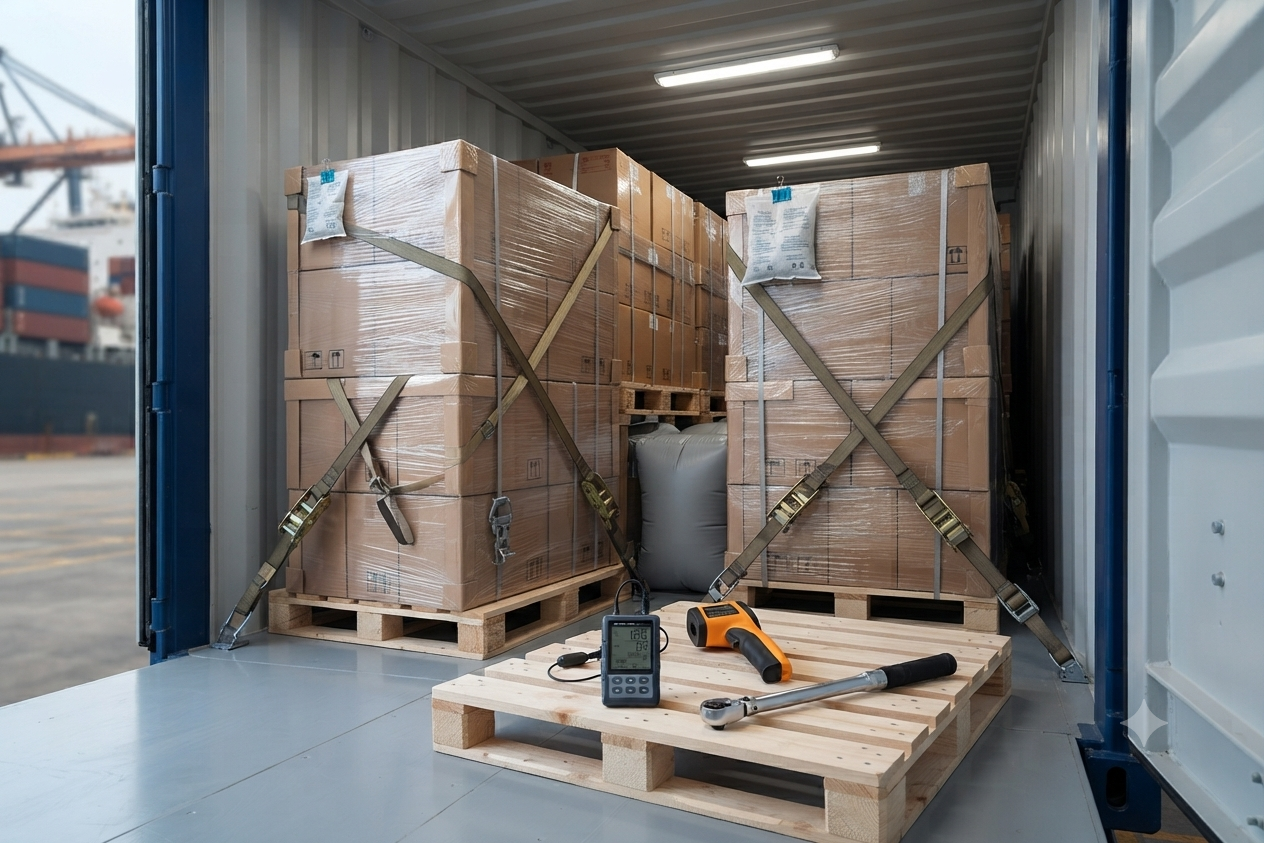
Ocean vessels constantly move due to waves and changing sea conditions. If cargo is not properly secured, items may slide, tip over, or collide with other shipments inside the container.
Depending on the type of cargo, proper securing methods may include:
- Ratchet straps
- Blocking and bracing
- Dunnage materials
- Wooden supports
- Corner protectors
- Load bars
Proper load distribution is equally important to prevent unnecessary movement during transportation.
Protect Cargo from Moisture
Moisture is one of the most common causes of cargo damage during ocean freight.
Temperature changes during long voyages can create condensation inside shipping containers, a phenomenon often referred to as “container rain.” Excess moisture may damage cardboard packaging, electronics, textiles, wooden furniture, and other sensitive goods.
To reduce moisture-related risks, consider using:
- Desiccant bags
- Moisture barrier liners
- Waterproof wrapping
- Plastic covers
- Proper ventilation when appropriate
These simple precautions can significantly improve cargo protection during long ocean journeys.
Label Shipments Clearly
Proper labeling helps ensure cargo is handled correctly throughout the shipping process.
Packages should clearly display:
- Destination information
- Consignee details
- Package numbers
- Handling instructions
- Fragile labels when necessary
- Orientation markings such as “This Side Up”
Accurate labeling reduces handling mistakes and improves efficiency at warehouses and ports.
Choose the Right Container
Not every shipment requires the same type of container.
Selecting the appropriate container helps protect cargo from environmental conditions and physical damage.
Common container options include:
- Standard dry containers
- High cube containers
- Refrigerated containers
- Open-top containers
- Flat rack containers
Your logistics provider can recommend the most suitable container based on your cargo’s dimensions, weight, and transportation requirements.
Inspect Cargo Before Shipping
Before cargo leaves the warehouse, conduct a thorough inspection.
Verify that:
- Packaging is secure.
- Boxes show no signs of damage.
- Pallets are stable.
- Labels are attached correctly.
- Documentation matches the shipment.
- Cargo is properly secured for transport.
Identifying potential issues before departure is much easier than resolving them after the shipment has already begun its journey.
Consider Cargo Insurance
Even with excellent packaging and careful handling, unexpected situations can occur during international transportation.
Cargo insurance provides financial protection against unforeseen events such as:
- Storm damage
- Fire
- Theft
- Accidents
- Water damage
- Handling incidents
While insurance cannot prevent damage, it can help minimize financial losses if an unexpected event occurs.
Work with an Experienced Shipping Company
An experienced logistics provider plays an important role in protecting cargo throughout the shipping process.
Professional shipping companies understand proper loading techniques, container selection, documentation requirements, and international handling standards. They also coordinate with trusted carriers and port operators to ensure cargo is transported safely.
Working with an experienced shipping partner can help reduce the risk of damage while improving overall shipping efficiency.
Simple Steps That Make a Big Difference
Protecting cargo doesn’t always require expensive equipment. Often, the simplest precautions provide the greatest benefits.
Before shipping internationally, remember to:
- Use strong, high-quality packaging.
- Secure cargo properly inside the container.
- Protect shipments from moisture.
- Label packages clearly.
- Inspect cargo before departure.
- Consider cargo insurance.
- Choose the right shipping container.
- Work with experienced logistics professionals.
Following these best practices can significantly reduce the risk of damage throughout the shipping process.
Final Thoughts
International shipping involves multiple handling points and long transportation routes, making proper cargo protection essential. Careful packaging, secure loading, moisture protection, accurate labeling, and thorough preparation all contribute to a successful shipment.
While no shipping method is completely free from risk, taking preventative measures before cargo leaves the warehouse can help protect your investment and minimize costly disruptions.
At RAM Shipping, we help businesses and individuals prepare cargo for safe international transportation. From selecting the right shipping method to coordinating container loading and documentation, our experienced team is committed to ensuring your shipment arrives safely, efficiently, and in excellent condition.