Shipping a car internationally may seem like a complicated process, especially if you’re doing it for the first time. However, once you understand the steps involved, it becomes much more straightforward. Whether you’re relocating, buying a vehicle from overseas, or exporting cars for business, this guide will walk you through everything you need to know.
Understanding international car shipping
International car shipping involves transporting a vehicle from one country to another using ocean freight or, in rare cases, air freight. Most vehicles are shipped by sea because it is significantly more cost-effective.
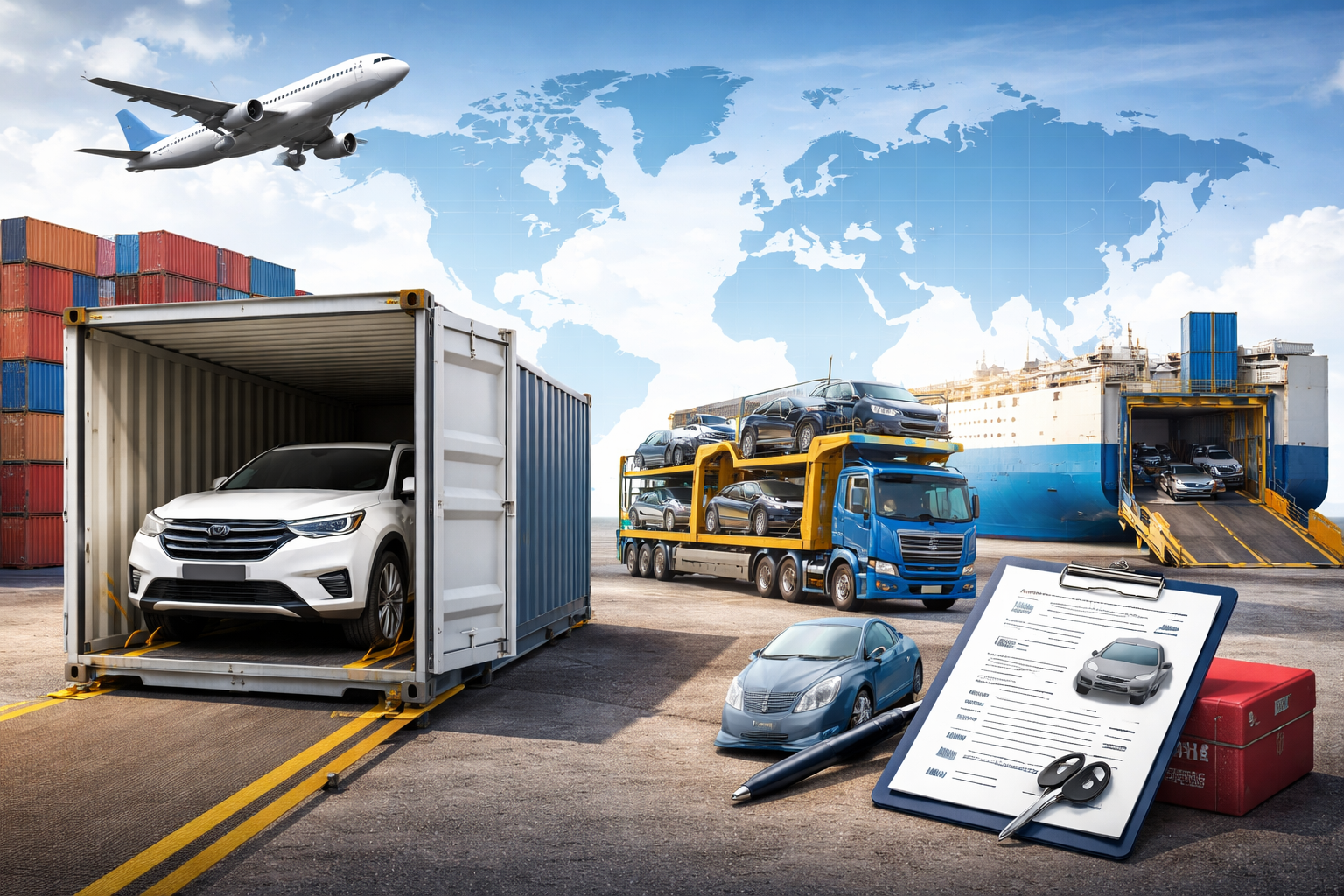
There are two main shipping methods used for cars: container shipping and roll-on/roll-off (RoRo). Container shipping offers more protection, while RoRo is often more affordable and commonly used for standard vehicles.
Step 1: choosing the right shipping method
The first step is selecting the best shipping method based on your needs, budget, and type of vehicle.
Container shipping is ideal if you want extra protection or need to ship personal items along with the car. The vehicle is secured inside a container, which protects it from weather and external damage.
RoRo shipping allows vehicles to be driven directly onto the vessel and secured on a car deck. It is usually cheaper, but the car must be operational and cannot contain personal belongings.
Step 2: preparing your vehicle
Proper preparation is essential to avoid delays or additional charges. Before shipping, the vehicle must be cleaned thoroughly, both inside and outside. This helps with inspection and ensures compliance with import regulations in many countries.
You should also remove all personal items, check for fluid leaks, and make sure the fuel tank is only partially filled. In most cases, the battery should be charged, and the car should be in working condition unless special arrangements are made.
Step 3: documentation and requirements
Shipping a car internationally requires several important documents. These typically include the original title of the vehicle, a bill of sale, a copy of your identification, and shipping documents such as the bill of lading.
Each country has its own import rules, taxes, and duties. Some countries have strict regulations regarding vehicle age, emissions, or modifications. It’s important to check these requirements заранее to avoid complications.
Working with an experienced shipping company can help ensure all documentation is handled correctly.
Step 4: vehicle pickup and delivery to port
Once everything is ready, the vehicle is transported to the port of departure. This can be arranged through door-to-port service, where the logistics company picks up the car from your location, or you can deliver it to the port yourself.
At the port, the vehicle goes through inspection and is prepared for loading onto the vessel.
Step 5: shipping and transit
After loading, the vehicle begins its journey to the destination country. Transit time depends on the route, distance, and shipping method. Ocean shipping typically takes anywhere from a couple of weeks to over a month.
During this stage, you can track your shipment and receive updates from your logistics provider.
Step 6: customs clearance at destination
When the vehicle arrives, it must go through customs clearance. This involves submitting documentation, paying import duties and taxes, and complying with local regulations.
Customs procedures vary significantly depending on the country. Delays can occur if documents are missing or incorrect, so it’s important to ensure everything is properly prepared in advance.
Step 7: final delivery or pickup
After customs clearance, the vehicle is either delivered to your address or made available for pickup at the port. This depends on the service you choose.
Door-to-door delivery is the most convenient option, while port pickup may be more cost-effective.
How much does it cost to ship a car internationally
The cost of shipping a car depends on several factors. These include the distance between countries, the shipping method, the size and type of vehicle, and current market conditions.
Additional costs may include customs duties, port fees, insurance, and inland transportation. Prices can vary significantly, so it’s always best to request a detailed quote in advance.
If you want to explore professional solutions and get accurate pricing, you can visit the homepage of or learn more about
Common mistakes to avoid
Many first-time shippers make avoidable mistakes. One of the most common is not checking import regulations in the destination country. This can result in delays, fines, or even refusal of entry.
Another mistake is leaving personal belongings inside the vehicle, which is often prohibited. Inaccurate documentation is also a frequent issue that can slow down the entire process.
Final thoughts
Shipping a car internationally doesn’t have to be complicated. By understanding the process, preparing your vehicle properly, and working with a reliable logistics provider, you can ensure a smooth and stress-free experience.
With the right planning, your vehicle can be delivered safely and efficiently anywhere in the world.