
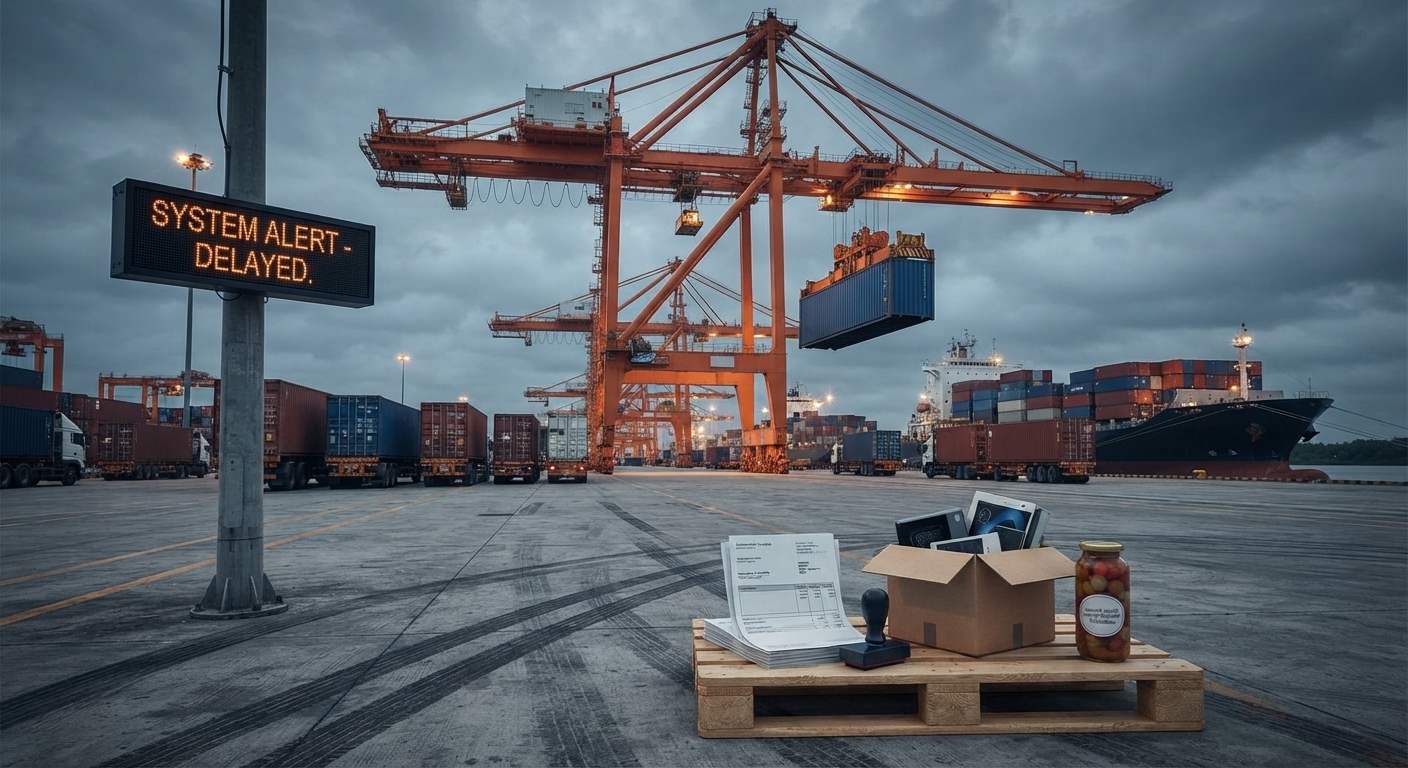
International shipping allows businesses and individuals to transport goods across borders efficiently, connecting markets around the world. From commercial inventory and industrial equipment to personal belongings and vehicles, millions of shipments travel internationally every year.
However, not every item can be shipped without restrictions. Every country has its own import and export regulations, and certain products may require special permits, inspections, or additional documentation before they can legally cross international borders.
Understanding what can and cannot be shipped internationally helps avoid customs delays, unexpected expenses, and shipment refusals. In this guide, we’ll explain the most common categories of goods, discuss restricted items, and share practical tips for preparing your shipment.
Why Shipping Regulations Matter
International shipping involves much more than transporting cargo from one location to another. Customs authorities in every country are responsible for protecting public safety, enforcing trade laws, and ensuring imported goods comply with local regulations.
Depending on the type of cargo, customs officials may review documentation, inspect shipments, assess duties and taxes, or request additional permits before allowing goods to enter the country.
Knowing the rules before shipping saves time and helps prevent costly delays.
Common Items That Can Be Shipped Internationally
Many everyday products can be shipped internationally without significant restrictions, provided they are properly packaged and documented.
Some of the most commonly shipped items include:
- Commercial merchandise
- Consumer goods
- Furniture
- Household goods
- Clothing and footwear
- Electronics
- Machinery and equipment
- Automotive parts
- Retail inventory
- Personal belongings
Although these items are generally accepted for international shipping, destination countries may still have specific import requirements or documentation rules.
Shipping Vehicles Internationally
Vehicles are among the most frequently transported items through international ocean freight.
Many customers ship:
- Cars
- SUVs
- Pickup trucks
- Motorcycles
- ATVs
- Construction equipment
- Agricultural machinery
Vehicle shipments typically require ownership documents, export paperwork, and customs documentation before transportation can begin.
Working with an experienced shipping company helps ensure every requirement is completed correctly before departure.
Household Goods and Personal Effects
International relocation often involves shipping household belongings overseas.
Typical household shipments include:
- Furniture
- Kitchen items
- Clothing
- Books
- Home décor
- Personal electronics
Proper inventory lists and accurate packing documentation help simplify customs clearance when shipping personal effects internationally.
Some countries also offer special customs procedures for individuals relocating permanently.
Restricted Items
Some products can be shipped internationally but require additional documentation, permits, inspections, or approval from government agencies.
These may include:
- Food products
- Medical equipment
- Pharmaceuticals
- Cosmetics
- Plants and seeds
- Animal products
- Chemicals
- Batteries
- Alcohol
- Tobacco products
Requirements vary significantly between countries, making it important to verify destination-specific regulations before shipping.
Prohibited Goods
Certain items are generally prohibited from international transportation due to safety concerns, legal restrictions, or international regulations.
Examples may include:
- Illegal drugs
- Counterfeit goods
- Explosives
- Hazardous chemicals prohibited by law
- Certain weapons
- Illegal wildlife products
- Restricted hazardous materials
Attempting to ship prohibited items may result in shipment seizure, financial penalties, or legal consequences.
If you’re unsure whether a product is allowed, consult your shipping provider before arranging transportation.
Dangerous Goods Require Special Handling
Some cargo is classified as dangerous goods because it may pose risks during transportation.
These shipments often require specialized packaging, labeling, documentation, and handling procedures.
Examples include:
- Lithium batteries
- Flammable liquids
- Compressed gases
- Corrosive substances
- Certain industrial chemicals
International regulations govern the transportation of dangerous goods to ensure the safety of shipping personnel, vessels, and other cargo.
Country-Specific Import Restrictions
Every destination country establishes its own import policies.
A product that can be imported into one country may require additional permits—or even be prohibited—in another.
Import restrictions often relate to:
- Agriculture
- Food safety
- Environmental protection
- Consumer safety
- Health regulations
- National security
Researching destination requirements before shipping helps prevent unexpected customs issues.
Proper Documentation Is Essential
Even if your cargo is completely legal to ship, missing or inaccurate documentation can still delay the shipment.
Common shipping documents include:
- Commercial Invoice
- Packing List
- Bill of Lading
- Certificate of Origin
- Export Declaration
- Import permits (when required)
Accurate paperwork allows customs authorities to process shipments more efficiently and reduces the likelihood of delays.
Tips for Smooth International Shipping
Successful international shipping begins with careful preparation.
Before shipping your cargo, remember to:
- Verify destination country regulations.
- Prepare complete shipping documentation.
- Package cargo securely.
- Label shipments accurately.
- Declare cargo honestly and accurately.
- Obtain required permits before shipping.
- Work with an experienced international shipping provider.
These simple steps help reduce delays and improve the overall shipping experience.
Why Professional Guidance Matters
International shipping regulations continue to evolve as countries update customs policies, trade agreements, and safety requirements.
Working with an experienced logistics company helps ensure your shipment complies with current regulations while minimizing unnecessary risks.
Professional logistics providers assist with:
- Documentation preparation
- Customs requirements
- Cargo classification
- Shipping method selection
- Regulatory compliance
- Shipment coordination
Having expert guidance makes international shipping significantly easier, especially for first-time importers and exporters.
Final Thoughts
International shipping offers businesses and individuals an efficient way to move goods across the world, but understanding shipping regulations is essential for a successful delivery. While many products can be transported internationally without issue, some items require additional documentation, specialized handling, or government approval before they can cross international borders.
By researching destination requirements, preparing accurate documentation, and working with an experienced shipping company, you can avoid many common shipping problems and ensure your cargo reaches its destination safely and efficiently.
At RAM Shipping, we help customers navigate every stage of the international shipping process. Whether you’re shipping commercial goods, vehicles, machinery, or personal belongings, our experienced team provides reliable logistics solutions, customs support, and expert guidance to help your shipment move smoothly from origin to destination.