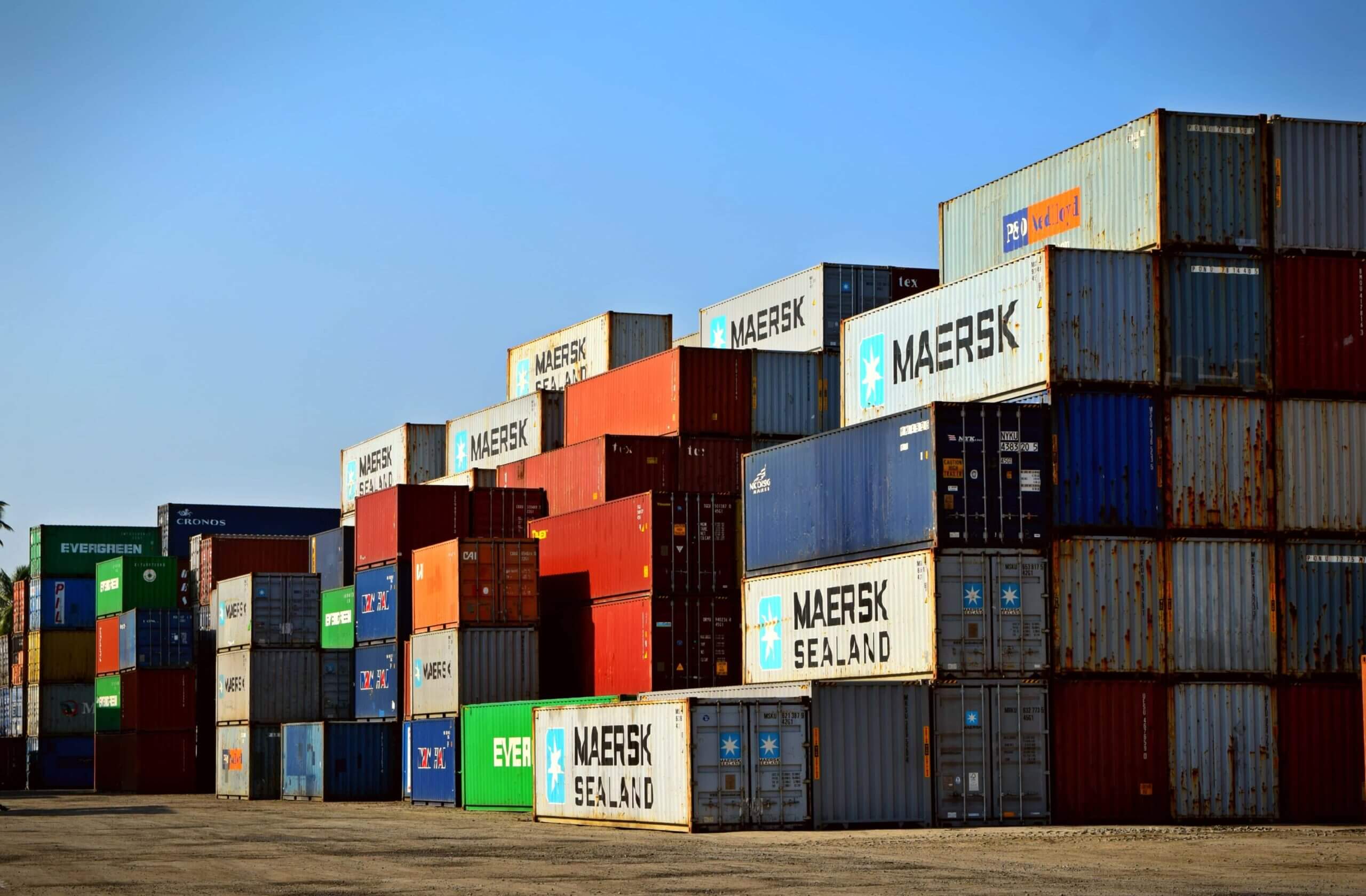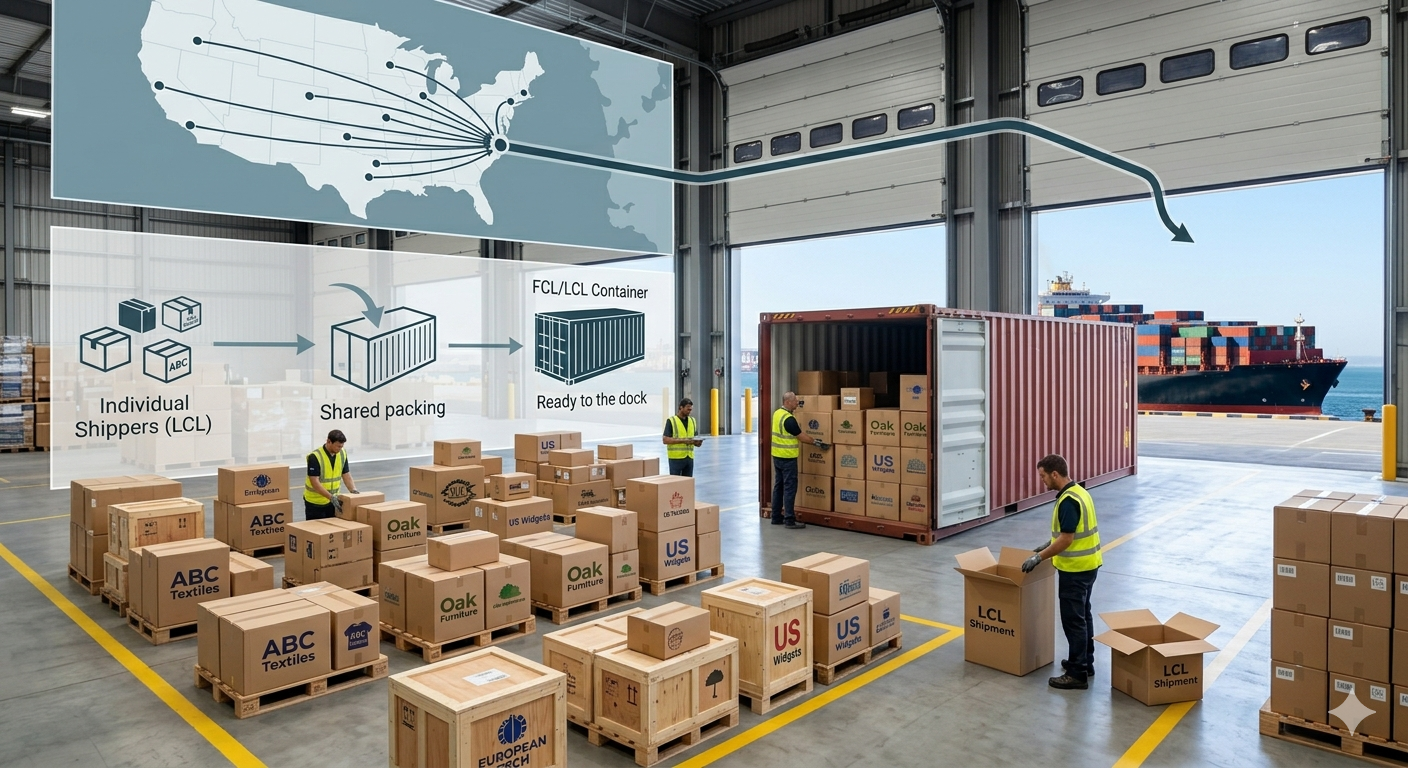
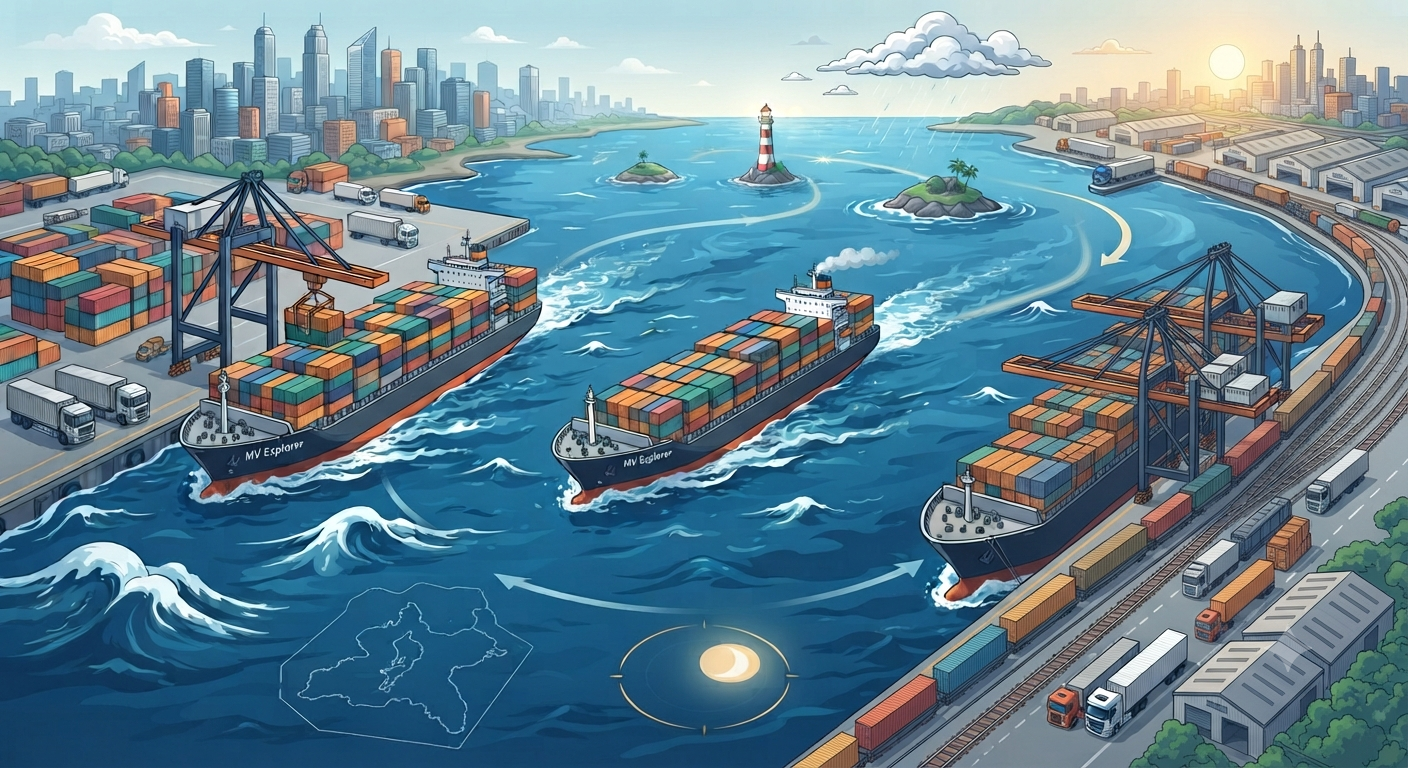
International ocean shipping is one of the most cost-effective and dependable ways to transport cargo worldwide. Every day, thousands of containers leave U.S. ports carrying vehicles, commercial goods, machinery, retail inventory, and personal belongings to destinations across the globe.
One of the most common questions shippers ask is, “How long will my shipment take to arrive?” While ocean freight follows scheduled routes, transit times can vary depending on several factors, including the destination, shipping route, customs procedures, weather conditions, and port operations.
Understanding what affects shipping timelines can help businesses and individuals plan more effectively and avoid unnecessary surprises during the transportation process.
Average Ocean Shipping Transit Times
Ocean freight transit times differ depending on the destination country, shipping line, and departure port.
For example, shipments from the United States to Europe generally take less time than shipments to Asia or Oceania. However, ocean transit is only one part of the overall shipping process.
The complete shipping timeline often includes:
- Cargo pickup
- Transportation to the port
- Export processing
- Container loading
- Ocean transit
- Customs clearance
- Final inland delivery
While the vessel may spend only a few weeks at sea, the total shipping process may take longer depending on logistics and customs procedures.
Factors That Affect Ocean Shipping Times
No two international shipments are exactly alike. Several variables can influence how quickly cargo reaches its destination.
The most common factors include:
- Departure and destination ports
- Vessel schedules
- Customs clearance
- Port congestion
- Weather conditions
- Peak shipping seasons
- Inland transportation
Planning ahead and understanding these variables can help set realistic delivery expectations.
Port of Departure
The shipping timeline begins at the port where your cargo is loaded.
The United States has several major international ports, including those on both the East and West Coasts as well as the Gulf Coast. The departure location affects both sailing schedules and overall transit time.
Some ports offer more frequent departures, while others may have limited vessel availability depending on the destination.
Choosing the most appropriate departure port can improve shipping efficiency.
Customs Clearance
Customs processing is one of the most important stages of international shipping.
Before cargo can enter its destination country, customs authorities review documentation, verify shipment information, and assess applicable duties and taxes.
Delays may occur if:
- Documents are incomplete.
- Shipment values are incorrect.
- Additional inspections are required.
- Import permits are missing.
- Customs requests additional information.
Accurate documentation prepared before departure helps reduce the likelihood of customs-related delays.
Port Congestion
Busy ports process thousands of containers every day. During periods of high demand, vessels may experience delays while waiting for available berths or unloading equipment.
Port congestion may result from:
- Increased shipping volumes
- Limited terminal capacity
- Equipment shortages
- Labor disruptions
- Seasonal demand
Although congestion is often temporary, it can add several days—or even longer—to the overall delivery schedule.
Weather Conditions
Ocean carriers carefully plan routes to maximize safety and efficiency. However, severe weather sometimes requires vessels to adjust their schedules.
Storms, hurricanes, heavy winds, and rough seas may temporarily slow transportation or require route changes.
While modern shipping lines monitor weather continuously, safety always remains the highest priority.
Fortunately, significant weather delays are relatively uncommon but should still be considered when planning time-sensitive shipments.
Peak Shipping Seasons
Certain times of the year experience much higher shipping demand than others.
Peak seasons often include:
- Holiday retail inventory shipments
- Back-to-school merchandise
- Lunar New Year production schedules
- Seasonal imports
- Year-end business inventory replenishment
During these periods, increased cargo volumes may affect container availability, vessel bookings, and port operations.
Booking shipments early during peak seasons can help reduce scheduling challenges.
How to Help Keep Your Shipment on Schedule
Although some shipping delays are beyond anyone’s control, there are several steps shippers can take to improve efficiency.
Consider these best practices:
- Book shipments well in advance.
- Prepare all documentation before departure.
- Package cargo securely.
- Verify customs requirements.
- Provide accurate shipment information.
- Work with an experienced logistics provider.
These simple steps reduce the risk of avoidable delays and help shipments move more smoothly through the supply chain.
Why Working with an Experienced Shipping Company Matters
International shipping involves coordination between trucking companies, warehouses, ocean carriers, customs authorities, and delivery partners.
An experienced logistics provider manages each stage of the process, helping customers avoid common mistakes while ensuring shipments remain on schedule whenever possible.
Professional support includes:
- Route planning
- Documentation preparation
- Customs coordination
- Cargo tracking
- Shipment updates
- Problem resolution
Having a knowledgeable shipping partner allows businesses to focus on their operations while experienced professionals handle the logistics.
Planning for Realistic Delivery Expectations
One of the biggest misconceptions about international shipping is assuming the ocean transit time equals the total delivery time.
In reality, successful international transportation involves multiple coordinated steps before cargo reaches its final destination.
Allowing additional time for customs clearance, inland transportation, and possible port delays helps businesses better manage inventory, production schedules, and customer expectations.
Rather than focusing only on the number of days a vessel spends at sea, it’s important to consider the complete shipping process from pickup to final delivery.
Final Thoughts
International ocean shipping remains one of the most reliable and economical transportation methods for moving cargo around the world. While transit times vary depending on destination, customs processing, weather, and port conditions, proper planning can significantly improve the shipping experience.
By understanding what affects delivery schedules and preparing shipments carefully, businesses and individuals can reduce delays and keep their logistics running efficiently.
At RAM Shipping, we help customers navigate every stage of international transportation—from booking and documentation to customs coordination and final delivery. Our experienced team works to ensure every shipment moves as efficiently as possible, giving you confidence throughout the entire shipping journey.