
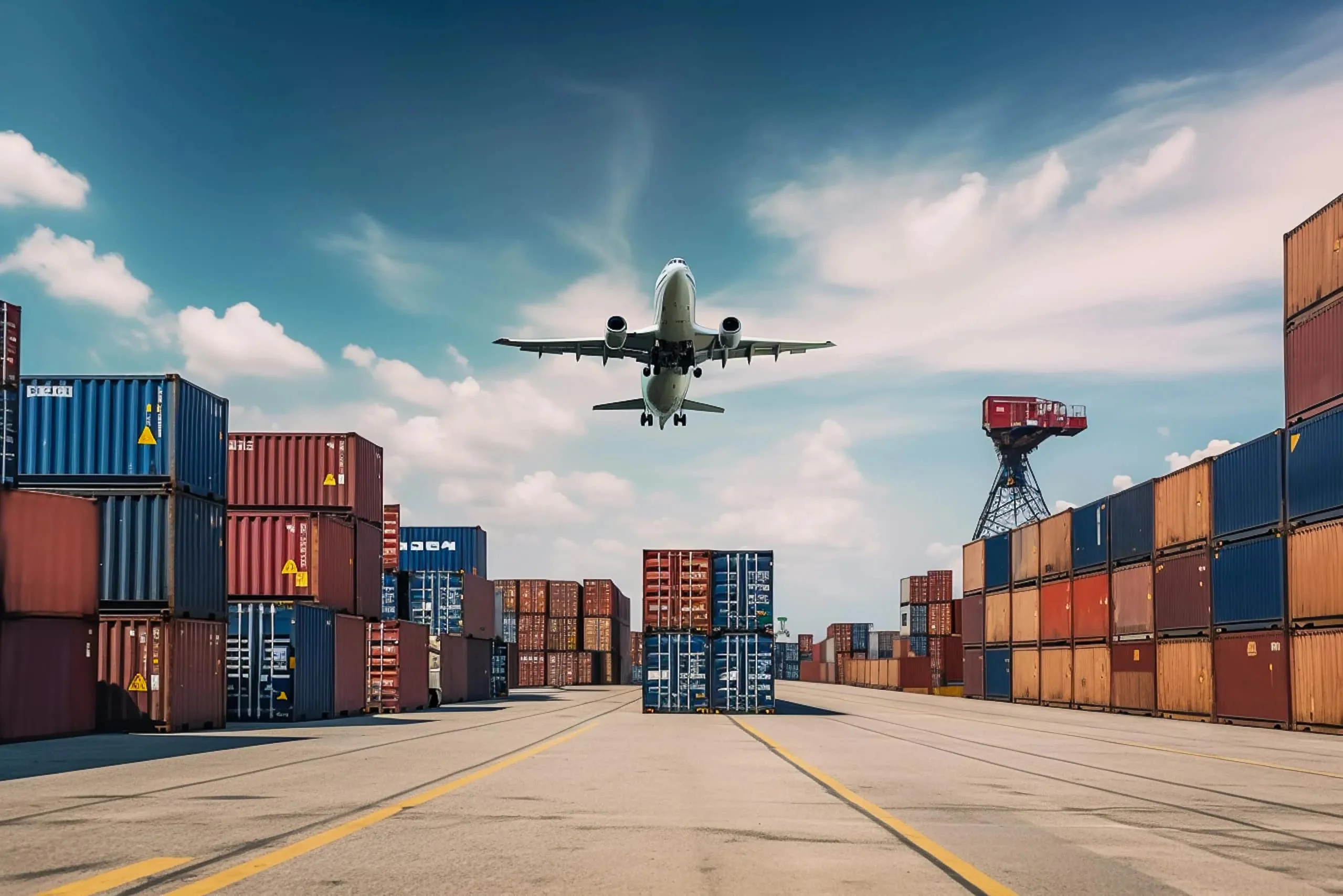
A shipment from the United States to Venezuela has two things to consider early: how the cargo should move and whether there are any export or import requirements that apply to it. Freight can travel by air or ocean, but the better option depends on the shipment’s size, weight, value, deadline, and final destination.
Air freight is generally used when delivery speed matters. Ocean freight makes more sense for containers, pallets, machinery, vehicles, commercial inventory, and other larger loads. For ocean shipments, RAM International Shipping provides both Full Container Load (FCL) and Less than Container Load (LCL) service.
Venezuela also requires closer attention to compliance than many other destinations. U.S. sanctions do not block all commercial shipments to the country, but the shipper, consignee, cargo, end use, and other parties involved in the transaction may need to be checked before export.
Shipping from USA to Venezuela: What to Plan Before Booking
The U.S. pickup point and final delivery location in Venezuela can change both the route and the price. Cargo originating far from an international airport or seaport may first need domestic trucking to a warehouse, port, or air cargo terminal.
Shipment size is another major factor. A few urgent cartons may be better suited to air freight, while several pallets or a piece of industrial equipment will usually be more economical by ocean. Smaller ocean shipments can move as LCL, while larger volumes can use a dedicated FCL container.
The commodity itself also matters. Standard commercial goods are usually easier to handle than dangerous goods, chemicals, batteries, food products, pharmaceuticals, or oversized machinery. Some cargo needs additional packaging, documentation, carrier approval, or government permits.
For Venezuela shipments, it is also worth checking export compliance before pickup rather than after the cargo reaches a port or warehouse. Restrictions can depend on the product classification, consignee, end user, and intended use.
Ocean Freight to Venezuela: FCL, LCL and Main Ports
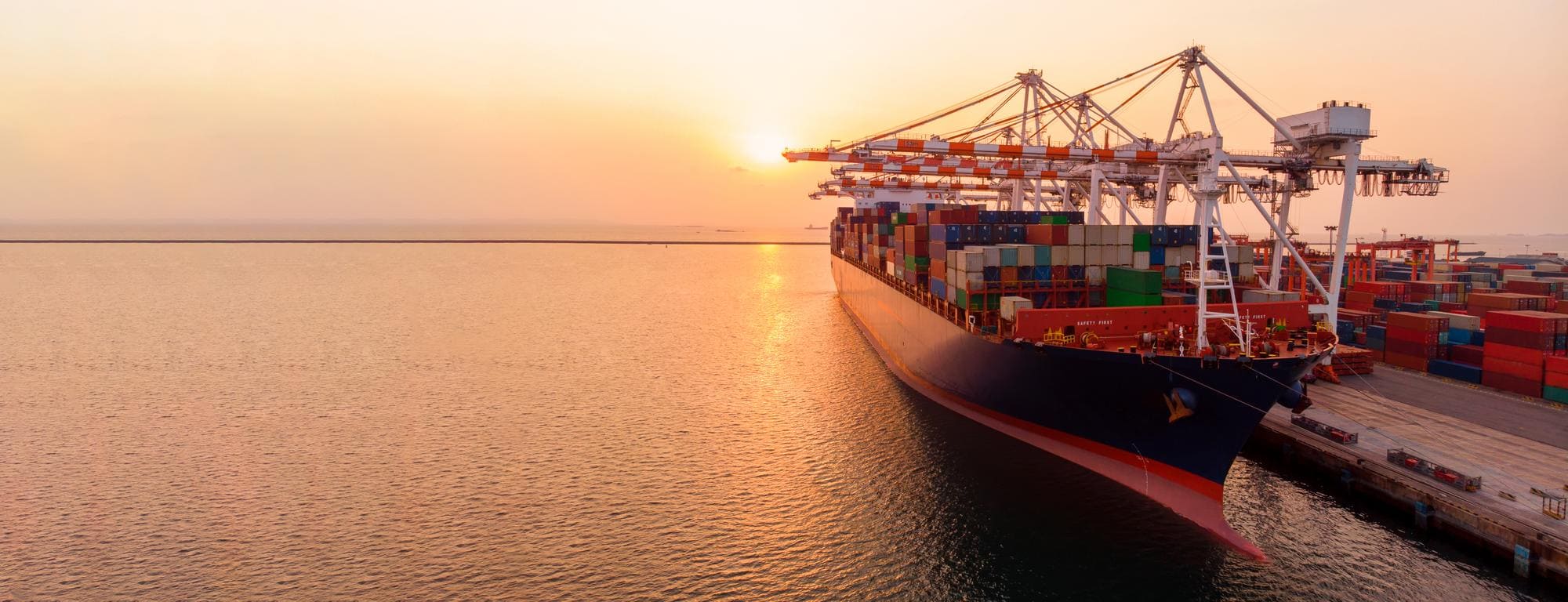
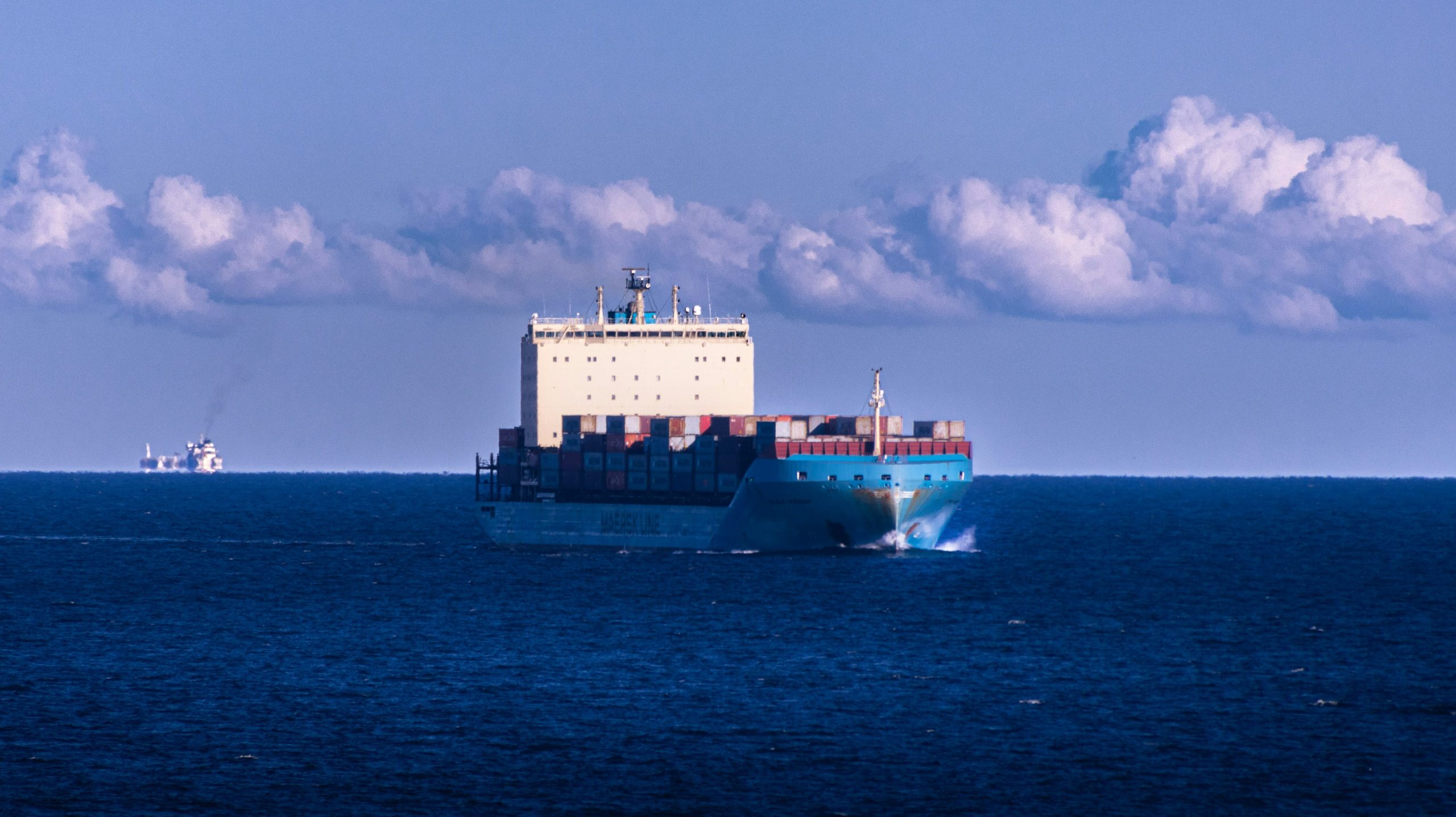
Ocean freight is commonly used for larger or heavier cargo where a longer transit time is acceptable. It can accommodate commercial inventory, machinery, equipment, vehicles, building materials, palletized goods, and other freight that would be expensive to move by air.
FCL means the shipper books an entire container. It is suitable for larger loads or cargo that benefits from staying together inside one container. Container selection depends on the dimensions, total weight, volume, loading method, and type of goods.
LCL allows smaller shipments to share container space with other cargo. Instead of paying for a complete container, the shipper pays for the space used. LCL can work well for a few pallets or crates, although consolidation and deconsolidation add handling stages to the shipment.
Puerto Cabello and La Guaira are important ports for containerized freight entering Venezuela. Carrier services also operate through ports including Maracaibo and Guanta, so the best discharge point depends on the final destination, vessel schedule, and available service.
La Guaira deserves some extra attention when planning a current shipment. Operations there were disrupted following the June 24, 2026 earthquake. Maersk began a phased return to import and export operations in July, and current schedules again include both La Guaira and Puerto Cabello. Because conditions and vessel calls can change, the actual port and sailing should be confirmed at the time of booking.
For cargo moving beyond the port, inland transportation also needs to be included in the plan. A shipment destined for Caracas, Valencia, Maracaibo, or another city may require trucking after customs release.
Air Freight from USA to Venezuela
Air freight is used when a shorter delivery time justifies the higher transportation cost. Typical shipments can include replacement parts, electronics, medical supplies, samples, high-value goods, and other commercial cargo that cannot wait for an ocean sailing.
Simón Bolívar International Airport (CCS) in Maiquetía serves the Caracas area and has cargo terminal facilities for imports and exports. The actual routing from the United States depends on the origin airport, airline service, available capacity, cargo dimensions, and commodity.
Air freight is normally priced using chargeable weight. Carriers compare the actual weight of the shipment with its dimensional weight and charge based on the higher figure. This means a large but lightweight crate can cost more to ship than its scale weight suggests.
Dimensions also matter because aircraft have limits on the size of cargo that can pass through doors and be handled by available equipment. Dangerous goods, batteries, chemicals, and temperature-sensitive products may have additional acceptance requirements.
A quote should include the number of pieces, exact dimensions, gross weight, description of the goods, pickup location, final destination, and cargo-ready date. Providing these details at the start helps avoid having the rate recalculated later.
Shipping Cost and Transit Time from USA to Venezuela
There is no standard rate for shipping freight from the USA to Venezuela. Two shipments moving between the same countries can have very different costs because freight pricing depends on much more than distance.
For air cargo, important factors include chargeable weight, dimensions, origin airport, routing, destination, commodity, and required service level. Special handling or regulated goods can increase the price.
Ocean freight pricing depends on whether the shipment moves as FCL or LCL, as well as container type, cargo volume, origin, destination port, inland trucking, terminal charges, and current carrier rates. Oversized freight or cargo requiring special equipment needs a separate calculation.
Other charges may apply outside the international freight rate. Depending on the agreed service, these can include pickup in the United States, warehouse handling, documentation, insurance, terminal fees, customs charges, storage, and inland delivery in Venezuela.
Transit time varies for the same reason. Air freight is generally faster, but the complete shipment also includes pickup, export handling, airline routing, arrival processing, customs clearance, and final delivery.
Ocean freight may include trucking to the departure port, LCL consolidation, vessel transit, transshipment, discharge in Venezuela, customs procedures, and inland transportation. Published transit times from freight companies often measure different parts of this process, which is why estimates can vary significantly.
For cargo with a fixed deadline, the current carrier schedule should be checked before booking rather than relying on a general transit-time range.
Customs Documents and U.S. Export Rules for Venezuela
Commercial shipments entering Venezuela normally require a customs declaration, commercial invoice, and transport document — a bill of lading for ocean cargo or an air waybill for air freight. Depending on the goods, a packing list, certificate of origin, import license, phytosanitary certificate, or another permit may also be required.
Products such as food, medicines, cosmetics, and some agricultural goods can be subject to additional registration or approval requirements in Venezuela. The importer and customs broker should confirm what is required for the specific commodity before departure.
Venezuela also applies tariffs, customs duties, and value-added tax to many imported products. The applicable charges depend on the commodity classification and other details of the import.
On the U.S. side, Venezuela is subject to sanctions and export controls, but this does not mean that all shipments from the United States are prohibited. OFAC states that U.S. persons can export or re-export goods to Venezuela when the transaction does not involve sanctioned persons, blocked entities, or prohibited activities.
Separate rules administered by the Bureau of Industry and Security can apply to items controlled under the Export Administration Regulations. Restrictions are particularly relevant to certain controlled products, military end users, military end uses, and other transactions covered by the EAR.
For this reason, the commodity, consignee, end user, and intended use should be reviewed before export. If a shipment contains controlled goods, it may require additional filing or a U.S. export license.
Freight Shipping to Venezuela with RAM International Shipping
RAM International Shipping handles both air and ocean freight and provides FCL and LCL ocean shipping. The company’s other logistics services include ground transportation, warehousing, transloading, customs clearance, and vehicle transportation.
To prepare a quote for Venezuela, provide the cargo description, number of pieces or pallets, dimensions, weight, pickup point in the United States, final destination, and cargo-ready date. Machinery, vehicles, dangerous goods, and oversized cargo may require additional information before routing can be confirmed.
If the transport mode has not been selected yet, the same shipment details can be used to compare air and ocean options. Air freight may be worth the additional cost for urgent cargo, while ocean freight is usually better suited to larger shipments with more flexible delivery dates.
For Venezuela in particular, carrier availability, port conditions, documentation, and export compliance should be checked against the actual shipment rather than assumed in advance.
Request a quote for shipping from the USA to Venezuela to receive current routing and pricing based on your cargo.