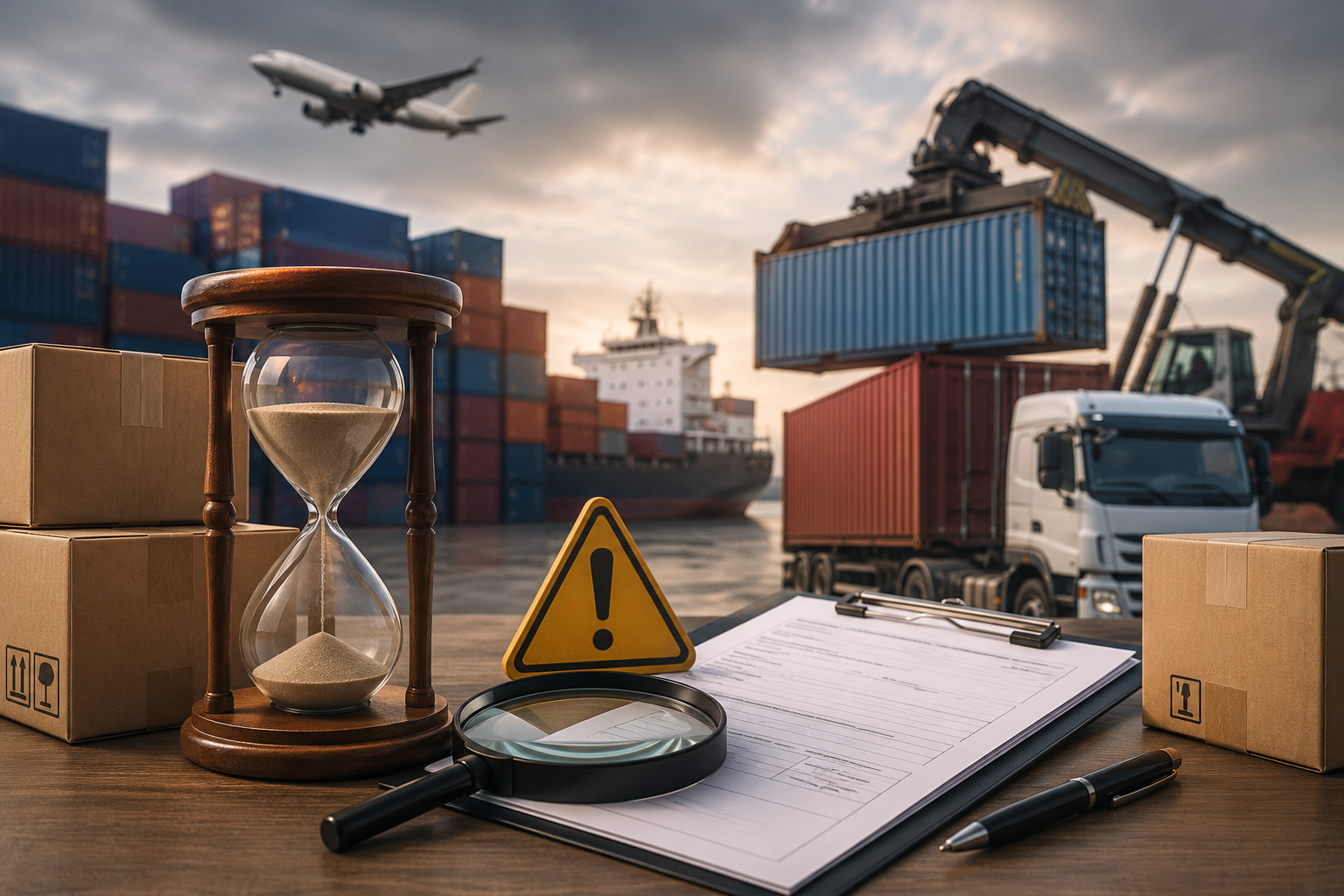
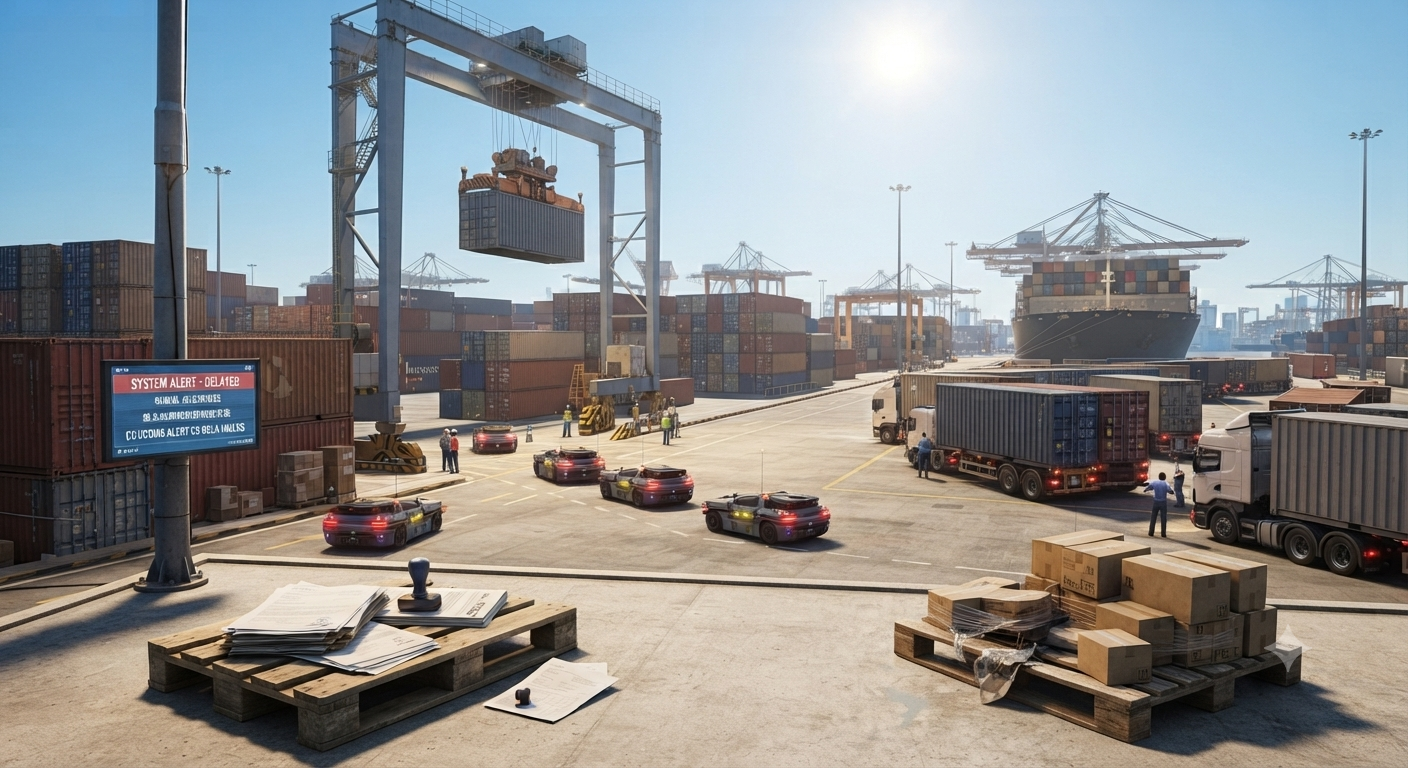
International shipping is a complex process that involves multiple transportation providers, customs authorities, port terminals, and logistics partners working together to move cargo efficiently. While most shipments arrive on schedule, delays at ports can occasionally occur and affect overall delivery timelines.
For businesses that rely on international trade, understanding why port delays happen is essential for planning inventory, managing customer expectations, and avoiding unnecessary costs. Although some delays are unavoidable, many can be minimized through proper preparation and effective logistics planning.
In this guide, we’ll explain the most common reasons international shipments get delayed at ports and share practical tips to help reduce the risk of disruptions.
Why Port Delays Matter
Ports serve as major gateways for global trade, handling thousands of containers every day. Before cargo can continue its journey, it must go through unloading, customs processing, inspections, and inland transportation.
Even a short delay at the port can impact:
- Delivery schedules
- Inventory management
- Production timelines
- Retail stock availability
- Customer satisfaction
Understanding the factors behind port congestion allows businesses to make more informed shipping decisions.
Port Congestion
One of the most common causes of shipping delays is port congestion.
Congestion occurs when more cargo arrives than the port can process efficiently. During busy periods, ships may have to wait offshore before receiving permission to dock, while containers already at the terminal may take longer to unload.
Port congestion may be caused by:
- Increased import and export volumes
- Limited terminal capacity
- Equipment shortages
- High seasonal demand
- Delays from previously scheduled vessels
Although ports work continuously to improve efficiency, congestion remains one of the biggest challenges in international shipping.
Customs Inspections
Before cargo enters a country, customs authorities must verify that shipments comply with local laws and regulations.
Some shipments are selected for routine inspections, while others may require additional review if customs officials identify missing information or documentation discrepancies.
Common reasons for customs delays include:
- Missing shipping documents
- Incorrect cargo descriptions
- Inaccurate shipment values
- Incorrect HS codes
- Missing import permits
Preparing complete and accurate documentation before departure greatly reduces the likelihood of customs-related delays.
Documentation Errors
Paperwork plays a critical role in international shipping.
Even small mistakes can delay cargo while corrections are made or additional information is requested.
Some of the most common documentation issues include:
- Incorrect consignee information
- Missing commercial invoices
- Incomplete packing lists
- Incorrect container numbers
- Missing certificates of origin
- Unsigned shipping documents
Carefully reviewing all paperwork before cargo leaves the United States helps keep shipments moving smoothly.
Weather Conditions
Severe weather can temporarily disrupt port operations and vessel schedules.
Storms, hurricanes, strong winds, and heavy rain may prevent ships from safely entering or leaving ports. In some cases, ports temporarily suspend operations until weather conditions improve.
Although shipping companies monitor weather forecasts closely, safety always takes priority over maintaining scheduled arrival times.
Fortunately, weather-related delays are usually temporary.
Labor Shortages and Industrial Action
Ports rely on thousands of workers to unload containers, operate cranes, inspect cargo, and manage logistics.
If labor shortages occur—or if employees participate in strikes or industrial action—cargo processing may slow significantly.
Reduced staffing can affect:
- Vessel unloading
- Container handling
- Documentation processing
- Truck scheduling
- Container availability
While these situations are relatively uncommon, they can have a noticeable impact on shipping schedules.
Vessel Schedule Changes
Ocean carriers operate on carefully planned schedules, but shipping routes occasionally change due to operational requirements.
Schedule adjustments may result from:
- Previous port delays
- Mechanical issues
- Route changes
- Weather conditions
- Changes in cargo demand
A delay at one port can sometimes affect arrival times at several ports later in the vessel’s journey.
Peak Shipping Seasons
Certain times of the year place additional pressure on global ports.
Demand typically increases during:
- Holiday shopping seasons
- Retail inventory replenishment
- Back-to-school shipments
- Lunar New Year production cycles
- End-of-year business activity
During these busy periods, ports process significantly higher cargo volumes, which may extend unloading and customs processing times.
Booking shipments well in advance during peak seasons helps improve scheduling flexibility.
How to Reduce the Risk of Port Delays
While no logistics provider can eliminate every possible delay, there are several steps businesses can take to improve shipping efficiency.
Consider these best practices:
- Submit complete shipping documentation.
- Verify customs requirements before shipping.
- Book transportation early during busy seasons.
- Package and label cargo correctly.
- Maintain accurate shipment information.
- Work with an experienced freight forwarder.
Preparation before departure often has the greatest impact on keeping shipments on schedule.
The Value of an Experienced Logistics Partner
Managing international shipping requires coordination between carriers, ports, customs authorities, warehouses, and inland transportation providers.
An experienced logistics company helps customers prepare documentation, monitor shipment progress, coordinate customs clearance, and respond quickly if unexpected issues arise.
Professional logistics support also provides regular shipment updates, allowing businesses to make informed decisions throughout the transportation process.
Having a trusted shipping partner can significantly reduce the stress associated with international freight.
Planning Ahead for Successful International Shipping
Although port delays cannot always be avoided, businesses that plan ahead are often better equipped to manage them.
Allowing additional transit time, preparing documentation carefully, and maintaining flexibility within delivery schedules helps minimize the impact of unexpected disruptions.
Rather than focusing solely on the vessel’s arrival date, it’s important to consider the complete logistics process—from cargo pickup in the United States to final delivery at the destination.
This broader perspective leads to more realistic expectations and a smoother shipping experience.
Final Thoughts
Port delays are a normal part of global logistics, but understanding their causes can help businesses better prepare for international shipping. Factors such as congestion, customs inspections, documentation errors, weather conditions, labor shortages, and seasonal demand all play a role in determining how quickly cargo moves through a port.
With proper planning, accurate documentation, and the support of an experienced logistics provider, many delays can be minimized or avoided altogether.
At RAM Shipping, we work closely with our customers to coordinate every stage of the international shipping process. From documentation and customs preparation to cargo tracking and final delivery, our team is committed to helping your shipments move efficiently, safely, and with as few delays as possible.