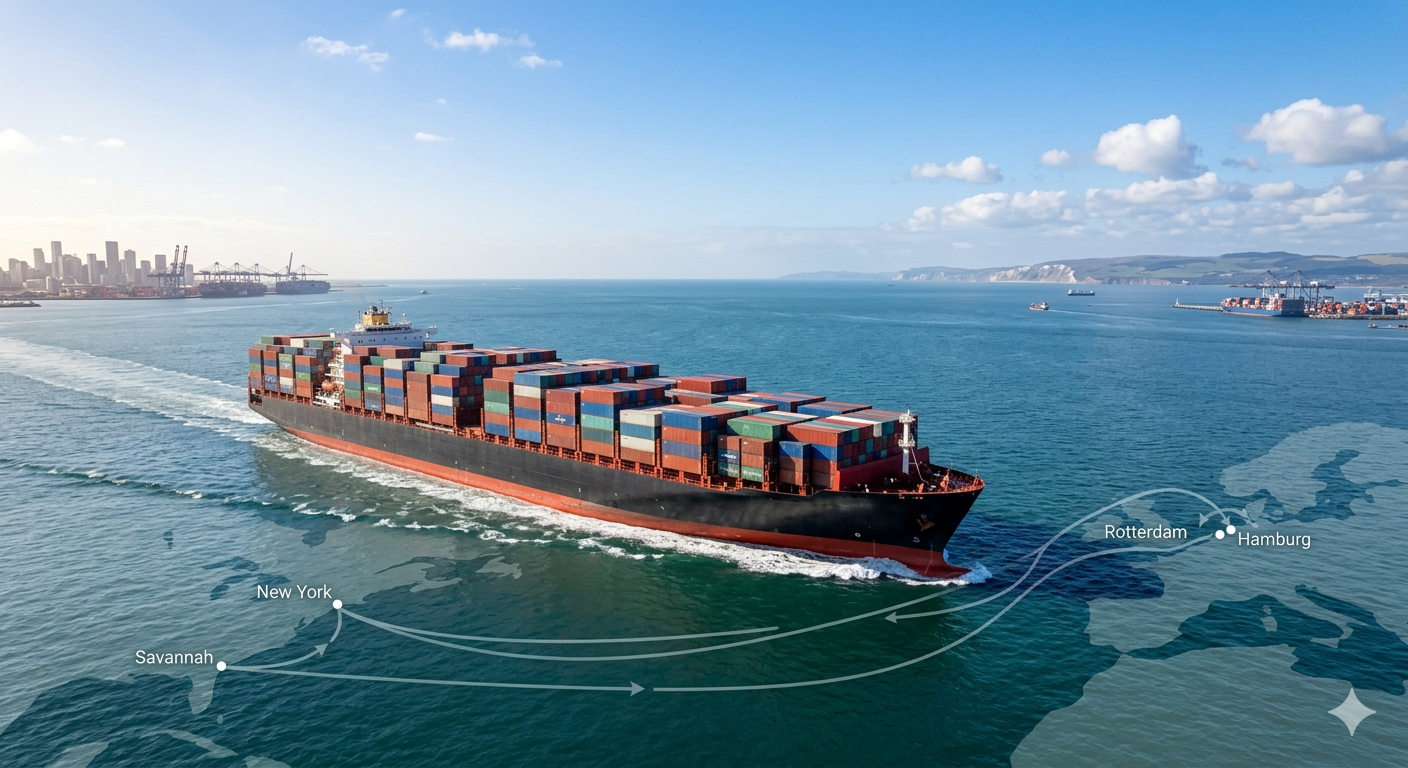
Ocean freight remains one of the most important pillars of international trade between the United States and Europe. From commercial cargo and industrial equipment to personal vehicles and retail inventory, millions of tons of goods cross the Atlantic every year through complex maritime logistics networks.
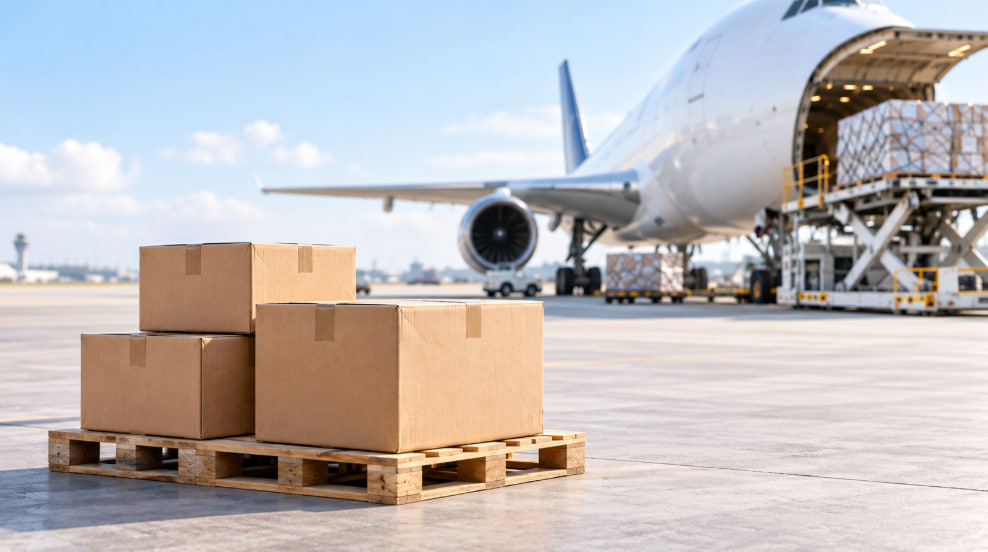
For businesses, ocean shipping provides scalability and reliability for global supply chains. For private customers, it offers an efficient way to transport vehicles, household goods, and oversized cargo internationally. While air freight is often associated with speed, ocean freight continues to dominate international trade because of its ability to move large volumes of cargo economically and safely over long distances.
Understanding how ocean freight works is essential for avoiding delays, reducing logistics risks, and making informed shipping decisions. Transit times, port selection, customs procedures, and shipping methods all play a major role in the success of an international shipment.
This guide explains how ocean freight from the USA to Europe works, what affects shipping timelines, and how businesses and individuals can prepare for a smooth international shipping process.
Understanding Ocean Freight Between the USA and Europe
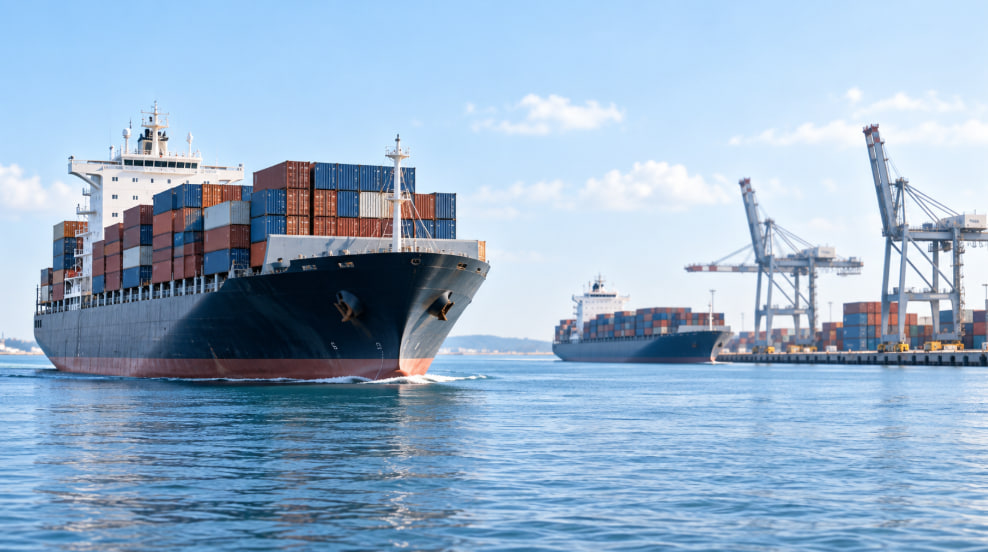
Ocean freight shipping involves transporting cargo by sea using container vessels, Ro-Ro carriers, and specialized cargo ships. The Atlantic trade corridor connecting North America and Europe is one of the busiest maritime routes in the world, supporting industries such as automotive, manufacturing, retail, construction, and e-commerce.
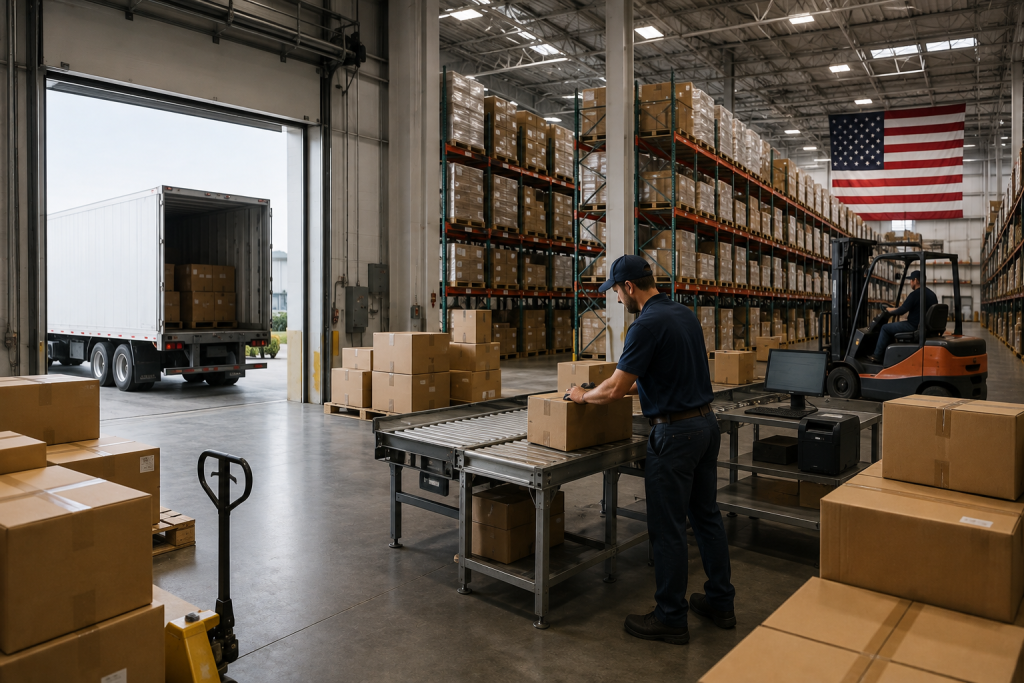
Unlike domestic transportation, international ocean freight involves multiple stages beyond the vessel journey itself. Cargo must first be collected, processed at export terminals, loaded onto vessels, transported across the ocean, cleared through customs, and finally delivered inland after arrival.
Because of this, successful international shipping depends not only on transit time at sea, but also on coordination between ports, customs authorities, freight forwarders, trucking companies, and terminal operators.
Main Shipping Routes from the USA to Europe
The majority of ocean freight shipments to Europe depart from major US coastal ports that have strong international shipping infrastructure and direct access to European trade lanes.
East Coast ports are often preferred for European shipments because they offer shorter Atlantic crossings and frequent vessel departures. Some of the busiest export hubs include:
- New York / New Jersey
- Baltimore
- Savannah
- Norfolk
- Charleston
Gulf Coast ports also play an important role, especially for industrial cargo, machinery, and project freight. Houston in particular serves as a major export hub for heavy equipment and energy-related shipments.
On the European side, cargo typically arrives at major logistics gateways such as Rotterdam, Antwerp, Hamburg, Bremerhaven, and Gdansk. These ports are strategically connected to inland rail and trucking networks, allowing cargo to move efficiently throughout the European Union.
Many shipments arriving at these ports are later distributed across neighboring countries, making them critical centers for European trade and logistics operations.
How Long Does Ocean Freight Take?
Transit time is one of the most common questions in international shipping, but there is no universal answer. Ocean freight timelines vary depending on the shipping route, carrier schedules, customs procedures, weather conditions, and terminal congestion.
Shipments departing from the East Coast of the United States generally reach Western Europe faster than cargo leaving from the Gulf Coast or the West Coast. Direct routes naturally reduce overall transportation time, while transshipment routes involving intermediate ports can increase delivery timelines.
However, the vessel’s ocean transit represents only part of the total shipping process. Inland transportation, terminal handling, customs clearance, and final delivery arrangements also contribute to the overall timeline.
Several external factors can also influence delivery schedules:
- Seasonal shipping demand
- Port congestion
- Weather conditions in the Atlantic
- Customs inspections
- Global supply chain disruptions
Because of these variables, experienced freight forwarders usually recommend planning shipments in advance, especially for time-sensitive cargo.
Container Shipping and Ro-Ro Shipping
Two of the most widely used transportation methods for ocean freight between the USA and Europe are container shipping and Roll-on/Roll-off shipping, commonly known as Ro-Ro.
Container shipping is considered the industry standard for most commercial cargo. Goods are loaded into sealed containers before being transported by vessel. Containers provide strong protection against weather exposure and external damage, making them ideal for electronics, retail inventory, machinery, furniture, and high-value cargo.
Container freight is also highly flexible because businesses can either reserve a full container or share container space through LCL (Less than Container Load) shipping. This makes container transportation suitable for both large commercial operations and smaller international shipments.
Ro-Ro shipping is specifically designed for wheeled cargo such as vehicles and heavy equipment. Cars, SUVs, trucks, and machinery are driven directly onto specialized vessels and secured inside enclosed cargo decks.
This method is especially popular for international vehicle transportation because it simplifies handling procedures and often reduces loading complexity.
Ro-Ro shipping is commonly used for:
- Passenger vehicles
- SUVs and pickup trucks
- Commercial trucks
- Construction machinery
- Agricultural equipment
The choice between container shipping and Ro-Ro transportation usually depends on the cargo type, destination, security requirements, and overall logistics strategy.
Factors That Influence Ocean Freight Costs
Ocean freight pricing is influenced by a wide range of operational and market-related factors. Unlike domestic shipping, international freight rates constantly fluctuate based on global supply chain conditions.
One of the biggest factors is route distance. Longer shipping routes naturally require more fuel, labor, and vessel capacity. Fuel prices themselves also have a direct impact on freight rates, especially during periods of volatility in global energy markets.
Port congestion is another important consideration. Busy terminals may create delays in cargo handling and vessel turnaround times, which can increase operational costs throughout the shipping process.
Container availability also plays a significant role. In recent years, global container shortages and supply chain disruptions have affected pricing and scheduling across major shipping lanes.
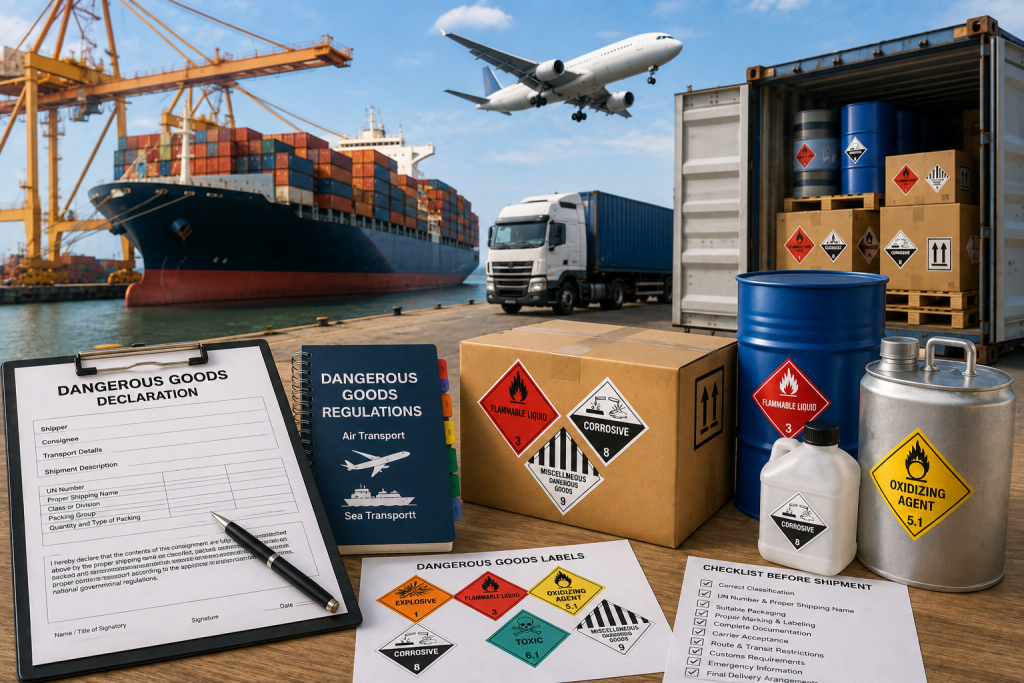
Cargo characteristics matter as well. Oversized cargo, heavy machinery, hazardous materials, and specialized equipment often require additional handling procedures and custom logistics solutions.
Import regulations in European countries can also influence total shipping expenses. Customs procedures, duties, taxes, and compliance requirements vary depending on cargo type and destination country.
Because of these variables, international shipping companies usually provide customized freight quotes based on shipment specifications rather than fixed universal pricing.
Customs Clearance and Documentation
Every shipment entering Europe must go through customs clearance procedures before it can be released for inland transportation or final delivery.
Customs authorities review shipment documentation to verify cargo classification, import compliance, declared value, and applicable duties or taxes. Errors in paperwork are one of the most common causes of shipping delays in international logistics.
The documentation process often includes commercial invoices, packing lists, bills of lading, export declarations, and cargo-specific paperwork depending on the shipment type.
Vehicle exports may also require ownership documents, titles, and compliance-related forms before customs approval can be completed.
For businesses shipping regularly between the USA and Europe, working with experienced freight forwarders and customs brokers significantly reduces the risk of administrative issues and border delays.
Why Ocean Freight Continues to Dominate Global Trade
Despite advancements in air cargo and digital supply chain technologies, ocean freight continues to handle the majority of global trade volume.
Modern maritime logistics systems allow businesses to move enormous quantities of cargo across continents while maintaining relatively efficient transportation costs and scalable operations.
Ocean freight plays a critical role in industries such as:
- Automotive exports
- Manufacturing
- Retail distribution
- Industrial equipment transportation
- International e-commerce
For shipments between the United States and Europe, ocean transportation remains one of the most practical and dependable logistics solutions available today.
Final Thoughts
Ocean freight from the USA to Europe is far more than simply transporting cargo across the Atlantic Ocean. It is a highly coordinated logistics process involving ports, carriers, customs authorities, inland transportation providers, and international trade regulations.
Understanding shipping routes, transit expectations, customs procedures, and transportation methods helps businesses and individuals make smarter logistics decisions while reducing the risk of delays and unexpected complications.
Whether shipping commercial cargo, industrial equipment, or vehicles, proper planning and professional logistics coordination remain essential for successful international transportation.
As international trade continues to evolve, ocean freight will remain one of the key foundations connecting North American exporters with European markets.