
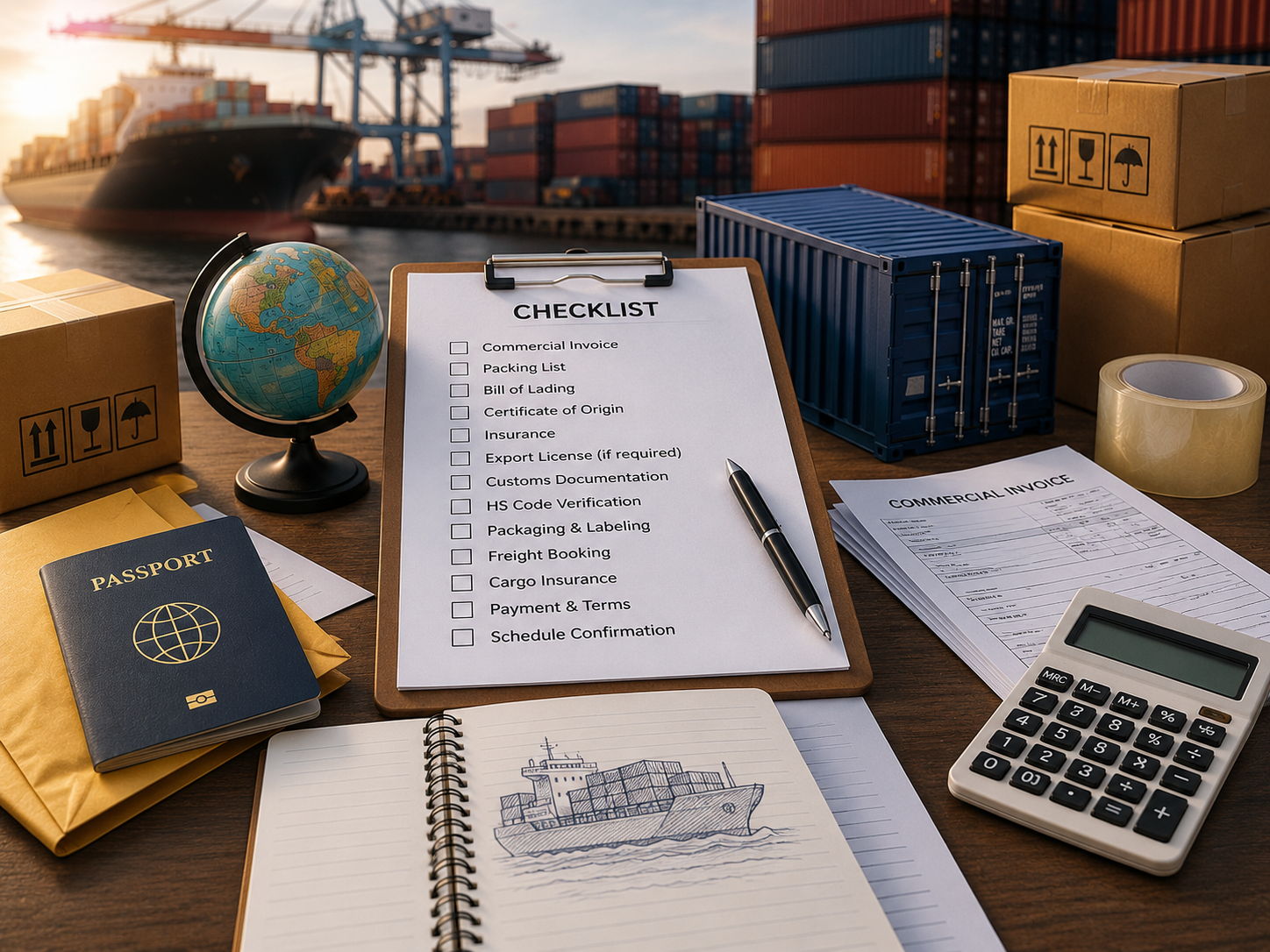
International shipping requires careful planning long before your cargo arrives at the port. Whether you’re exporting commercial goods, shipping a vehicle, transporting heavy equipment, or sending personal belongings overseas, proper preparation can make the difference between a smooth delivery and costly delays.
Every international shipment involves multiple steps, including documentation, customs compliance, packaging, transportation planning, and cargo handling. Missing even one important detail can result in additional fees, shipping delays, or customs holds.
This checklist covers the essential steps every shipper should complete before cargo leaves the warehouse or loading facility.
Why Preparation Is Essential
International shipments pass through several stages before reaching their final destination. Depending on the route, cargo may move between warehouses, ports, customs facilities, ocean vessels, trucks, or rail networks.
Preparing your shipment in advance helps:
- Reduce the likelihood of customs delays.
- Prevent unnecessary shipping costs.
- Protect cargo from damage.
- Improve delivery efficiency.
- Ensure compliance with international regulations.
A little extra preparation before departure often saves significant time and expense later.
Step 1: Confirm Your Shipping Method
The first step is selecting the shipping option that best matches your cargo and delivery requirements.
Factors to consider include:
- Shipment size
- Cargo weight
- Budget
- Transit time
- Type of goods
- Destination country
For larger shipments, a Full Container Load (FCL) may provide greater security and faster handling. Smaller shipments often benefit from Less than Container Load (LCL) shipping, while vehicles are frequently transported using Roll-on/Roll-off (RoRo) services.
Choosing the right shipping method early helps streamline the rest of the process.
Step 2: Verify Import Requirements
Before shipping internationally, research the destination country’s import regulations.
Different countries may require:
- Import licenses
- Product certifications
- Special labeling
- Inspection certificates
- Restricted goods declarations
- Additional customs documentation
Understanding these requirements before shipping helps avoid delays when the cargo reaches customs.
If you’re unsure about specific regulations, consult your logistics provider before finalizing the shipment.
Step 3: Prepare All Required Documents
Accurate paperwork is one of the most important parts of international shipping.
Depending on your shipment, you may need:
- Commercial Invoice
- Packing List
- Bill of Lading
- Certificate of Origin
- Export Declaration
- Import permits
- Insurance documents
Before shipping, review every document carefully to ensure names, addresses, product descriptions, values, and quantities are correct.
Even minor errors may delay customs clearance.
Step 4: Package Cargo Properly
Ocean freight exposes cargo to vibration, humidity, stacking pressure, and repeated handling throughout the journey.
Strong packaging protects goods from damage during transportation.
When preparing cargo:
- Use durable cartons or wooden crates.
- Secure heavy items to pallets.
- Add cushioning for fragile products.
- Protect cargo against moisture.
- Reinforce packaging for long-distance transportation.
Quality packaging reduces the likelihood of damaged goods and insurance claims.
Step 5: Label Every Package Clearly
Proper labeling helps carriers, warehouses, and customs officials identify your shipment quickly.
Each package should include accurate information such as:
- Consignee name
- Destination address
- Contact information
- Package number
- Handling instructions
- Country of origin (if required)
If the shipment contains hazardous or fragile goods, ensure the appropriate labels are clearly displayed according to international regulations.
Step 6: Confirm Cargo Dimensions and Weight
Accurate cargo measurements affect transportation planning, container selection, freight rates, and customs documentation.
Before departure, verify:
- Total shipment weight
- Package dimensions
- Number of packages
- Pallet sizes
- Container loading requirements
Incorrect measurements may lead to additional charges or delays during loading.
Providing precise information also helps your shipping company select the most efficient transportation solution.
Step 7: Consider Cargo Insurance
Although international ocean shipping is generally reliable, unforeseen events can occur.
Cargo insurance helps protect your financial investment against risks such as:
- Severe weather
- Accidental damage
- Theft
- Fire
- Handling incidents
- General average claims
The value of cargo insurance often outweighs its relatively small cost, particularly for high-value shipments.
Step 8: Understand Duties and Taxes
Import duties and taxes vary depending on the destination country and the type of goods being shipped.
Before your shipment departs, determine:
- Estimated customs duties
- Import taxes
- Brokerage fees
- Port handling charges
- Local delivery costs
Knowing these expenses in advance helps prevent unexpected costs after the cargo arrives.
Step 9: Schedule Pickup and Delivery
Successful international shipping doesn’t end when the vessel reaches the destination port.
It’s equally important to plan:
- Cargo pickup
- Port delivery
- Inland transportation
- Warehouse receiving
- Final delivery to the customer
Coordinating these services ahead of time helps reduce storage charges and keeps your shipment moving efficiently through the supply chain.
Step 10: Work with an Experienced Shipping Company
International shipping involves numerous regulations, documentation requirements, and logistics decisions.
A professional shipping company can assist with:
- Choosing the right shipping method
- Preparing documentation
- Coordinating customs clearance
- Organizing transportation
- Tracking shipments
- Solving unexpected issues during transit
Having expert support throughout the shipping process minimizes risk and gives you confidence that your cargo is in capable hands.
Final Pre-Departure Checklist
Before your cargo leaves, take one final moment to verify that everything is ready.
Use this checklist as a quick reference:
- Shipping method has been confirmed.
- Import requirements have been reviewed.
- All shipping documents are complete.
- Cargo is packaged securely.
- Packages are labeled correctly.
- Weight and dimensions have been verified.
- Cargo insurance has been considered.
- Duties and taxes have been estimated.
- Pickup and final delivery have been arranged.
- Your shipping provider has confirmed all booking details.
Completing these final checks can help prevent many of the common issues that delay international shipments.
Final Thoughts
Preparing for international shipping requires more than booking space on a vessel. Careful planning, accurate documentation, secure packaging, and a clear understanding of customs requirements all contribute to a successful shipment.
By following a structured checklist before your cargo leaves, you can reduce delays, avoid unexpected expenses, and ensure your shipment reaches its destination as efficiently as possible.
At RAM Shipping, we help businesses and individuals navigate every stage of the international shipping process. From selecting the best shipping solution to preparing documentation and coordinating global logistics, our experienced team is committed to making international transportation simple, reliable, and stress-free.