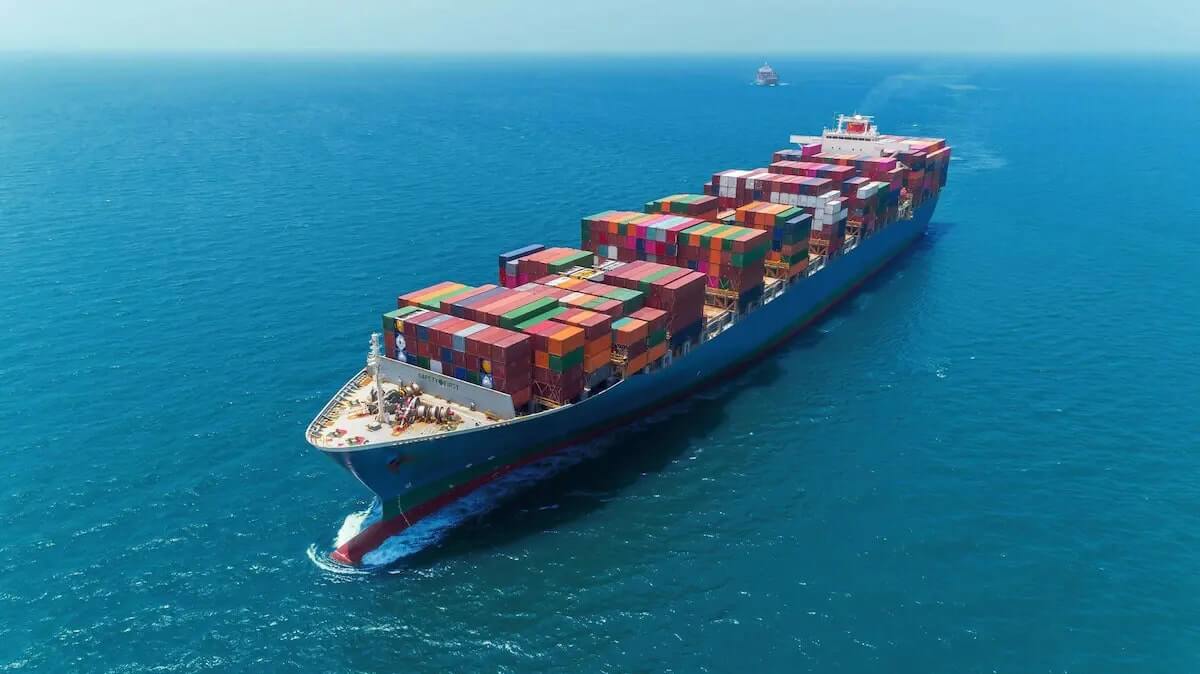

International shipping makes it possible to move goods across borders quickly and efficiently, but not every product can be transported without restrictions. Governments, customs authorities, and shipping carriers all enforce regulations designed to protect public safety, prevent illegal trade, and ensure cargo moves securely through the global supply chain.
Whether you’re shipping commercial products, personal belongings, machinery, or vehicles, understanding what can and cannot be shipped is essential. Sending prohibited or improperly declared goods may result in customs delays, additional fees, cargo seizure, or even legal penalties. Knowing the rules before your shipment leaves the United States can help you avoid costly mistakes and keep your cargo moving on schedule.
Why Are Some Items Restricted?
International shipping regulations exist to reduce safety risks and ensure compliance with national and international laws. Cargo passes through warehouses, ports, customs facilities, trucks, and ocean vessels before reaching its final destination, and every stage requires proper handling.
Items may be prohibited or restricted for several reasons, including:
- Public safety
- Environmental protection
- Customs regulations
- Health and agricultural controls
- Trade sanctions
- Dangerous goods regulations
Because every country has its own import requirements, an item that is accepted in one destination may require special permits—or be completely prohibited—in another.
Common Prohibited Items
Some products are generally prohibited from international shipping because they present serious safety or legal concerns.
These commonly include:
- Explosives and fireworks
- Illegal drugs and narcotics
- Counterfeit products
- Radioactive materials
- Toxic waste
- Certain hazardous chemicals
- Highly flammable substances
- Corrosive materials
Attempting to ship prohibited items can result in shipment rejection, customs confiscation, significant fines, or criminal liability. In many cases, carriers will refuse these shipments before they even reach the port.
Firearms, ammunition, and other regulated products may also require special licenses and government approval before international transportation is permitted.
Common Restricted Items
Restricted goods can often be shipped legally, but they usually require additional documentation, special packaging, permits, or inspections.
Frequently restricted items include:
- Lithium batteries
- Alcoholic beverages
- Tobacco products
- Prescription medications
- Cosmetics
- Perfumes
- Food products
- Plants and seeds
- Animal products
- Medical equipment
- Industrial chemicals
For example, lithium batteries are heavily regulated because they can pose a fire risk during transportation. Likewise, food products and agricultural goods often require inspections or health certificates before entering another country.
Always review the destination country’s import regulations before shipping restricted products internationally.
Country-Specific Import Restrictions
Import regulations vary significantly around the world. Even countries within the same region may apply different customs procedures and documentation requirements.
For example, many European countries require imported goods to meet product safety and labeling standards before they can enter the market. The United Kingdom has its own customs procedures and import requirements, while Australia and New Zealand enforce strict biosecurity regulations for food, plants, wooden packaging, and agricultural products.
Because regulations change regularly, exporters should verify destination-specific requirements before every shipment rather than relying on previous experience.
What Happens If You Ship a Prohibited Item?
Shipping prohibited or incorrectly declared cargo can create expensive delays and legal complications.
Possible consequences include:
- Customs inspections
- Shipment delays
- Cargo confiscation
- Financial penalties
- Return of the shipment
- Additional storage charges
- Demurrage or detention fees
- Legal action for serious violations
Even minor documentation mistakes can trigger customs inspections that delay delivery for days or even weeks. For businesses, these delays may disrupt supply chains and increase transportation costs.
How to Avoid Shipping Problems
The best way to prevent shipping issues is to prepare your shipment carefully before it leaves the warehouse.
Before booking international transportation, make sure you:
- Verify destination-country regulations.
- Check carrier restrictions.
- Classify products correctly.
- Use accurate HS codes.
- Complete all customs documentation.
- Package cargo securely.
- Label shipments properly.
- Declare the correct cargo value.
Taking these steps significantly reduces the likelihood of customs delays and unexpected charges.
If you’re unsure whether your shipment meets international requirements, consulting an experienced freight forwarder before departure can help identify potential issues early in the process.
Best Practices Before Shipping Internationally
Careful preparation is one of the most effective ways to ensure a successful international shipment.
Consider following these best practices:
- Use strong export-quality packaging.
- Protect cargo from moisture and impact.
- Keep copies of all shipping documents.
- Purchase cargo insurance for valuable shipments.
- Verify measurements and shipment weight.
- Confirm pickup and delivery arrangements.
- Review customs requirements one final time before departure.
Proper planning not only protects your cargo but also helps improve transit efficiency and reduces the likelihood of unexpected delays.
Work with an Experienced Shipping Partner
International shipping involves much more than transporting cargo from one country to another. Documentation, customs compliance, cargo handling, and transportation planning all play an important role in a successful shipment.
Working with an experienced logistics provider can simplify the process by helping you prepare the correct documentation, select the appropriate shipping method, and ensure your cargo complies with international regulations.
Professional guidance is especially valuable when shipping restricted goods, high-value cargo, vehicles, or oversized equipment, where additional requirements often apply.
Final Thoughts
Understanding which items are prohibited or restricted in international shipping is an important step in avoiding delays, unexpected costs, and customs complications. While many products can be shipped without difficulty, others require additional permits, inspections, or specialized packaging to comply with international regulations.
By researching destination-country requirements, preparing accurate documentation, and following carrier guidelines, exporters can significantly reduce shipping risks and improve delivery efficiency.
At RAM Shipping, we help businesses and individuals navigate every stage of the international shipping process. From reviewing cargo requirements and preparing documentation to coordinating ocean freight and customs procedures, our experienced team is committed to making international shipping as smooth, reliable, and efficient as possible.