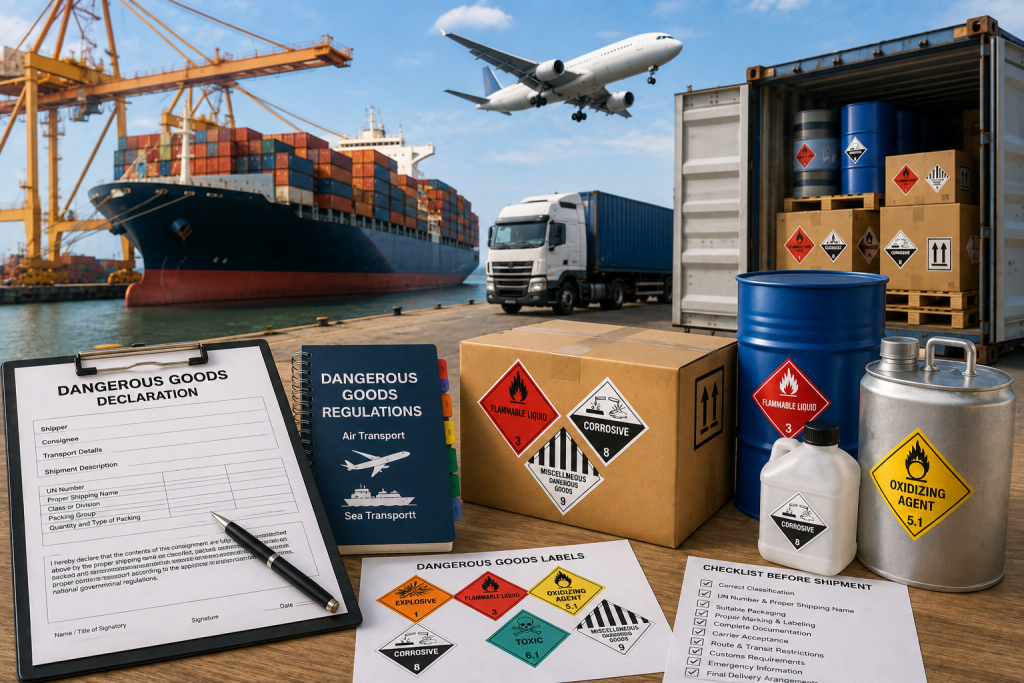
International shipping involves far more than simply moving cargo from one country to another. Every shipment passes through a complex logistics chain that includes ports, warehouses, trucks, terminals, vessels, customs inspections, and multiple handling stages. While modern transportation systems are highly advanced, international freight still carries certain risks that businesses and private importers cannot ignore.
Cargo may be exposed to rough weather conditions, loading accidents, container damage, theft, port congestion, or unexpected supply chain disruptions during transit. Even with experienced carriers and professional logistics coordination, unforeseen incidents can still occur.
This is why cargo insurance plays such an important role in international trade. Whether shipping commercial products, vehicles, industrial equipment, or personal belongings, insurance helps protect the financial value of goods while reducing potential losses during transportation.
Understanding how cargo insurance works, what it covers, and why it matters is essential for anyone involved in international shipping.
What Is Cargo Insurance?
Cargo insurance is a form of protection designed to compensate cargo owners if goods are lost, damaged, or affected during transportation.
International shipments often pass through multiple transportation stages, including trucking, port handling, ocean freight, rail transport, and final delivery operations. Every stage introduces potential risks that could affect the condition or delivery of the cargo.
Cargo insurance helps reduce financial exposure by covering specific types of transportation-related losses depending on the policy terms.
Insurance coverage is commonly used for:
- Ocean freight shipments
- Air freight transportation
- Cross-border trucking
- Container shipping
- Vehicle transportation
- Commercial imports and exports
For many businesses, cargo insurance is considered an essential part of supply chain risk management.
Why Cargo Insurance Matters in International Shipping
One of the biggest misconceptions in logistics is the belief that carriers automatically assume full responsibility for cargo during transportation. In reality, carrier liability is often limited by international transportation conventions and shipping contracts.
This means compensation from a carrier may not fully cover the actual value of damaged or lost cargo.
International shipments are exposed to a variety of unpredictable situations throughout transit. Severe storms, port accidents, warehouse fires, cargo handling errors, and customs delays can all create financial losses for importers and exporters.
Cargo insurance provides an additional layer of protection that helps businesses maintain operational stability even when unexpected incidents occur.
For companies shipping high-value products or maintaining tight supply chains, insurance is often viewed not as an optional expense, but as a critical risk-management tool.
What Cargo Insurance Typically Covers
Coverage depends on the insurance provider and policy structure, but many cargo insurance policies are designed to protect against physical loss or damage occurring during transportation.
Commonly covered risks may include:
- Cargo damage during loading or unloading
- Vessel accidents or collisions
- Fire or explosion
- Theft or piracy
- Severe weather-related incidents
- Container damage
- Water damage during ocean transit
- Certain transportation accidents
Some policies also cover general average situations, a unique principle in maritime shipping where cargo owners may share financial responsibility for emergency actions taken to protect a vessel and its cargo during a crisis at sea.
Because coverage terms vary significantly, reviewing policy conditions carefully is extremely important before shipping internationally.
What Cargo Insurance May Not Cover
Not all losses are automatically covered under standard cargo insurance policies.
Insurance providers often exclude situations related to:
- Improper packaging
- Poor cargo preparation
- Inherent product defects
- Delayed delivery without physical damage
- Regulatory violations
- Customs seizure
- Normal wear and tear
Certain high-risk cargo categories may also require specialized insurance arrangements due to their value, fragility, or transportation sensitivity.
For this reason, proper packaging, documentation, and logistics planning remain essential even when insurance coverage is in place.
Types of Cargo Insurance Coverage
Cargo insurance policies are typically structured around different levels of protection.
The most comprehensive option is often referred to as “All Risk” coverage. Despite the name, this does not literally cover every possible scenario, but it generally provides broad protection against many external causes of physical damage or loss.
More limited coverage options may protect only against specifically named risks such as fire, collision, or vessel grounding.
Businesses often choose coverage levels based on:
- Cargo value
- Shipment frequency
- Transportation route
- Cargo sensitivity
- Financial risk tolerance
High-value shipments usually require broader protection due to the greater financial exposure involved.
Ocean Freight Risks and Marine Cargo Insurance
Ocean freight remains one of the most efficient forms of international transportation, but maritime logistics still involve unique operational risks.
Cargo transported by sea may encounter:
- Rough ocean conditions
- Heavy moisture exposure
- Container shifting during storms
- Port congestion
- Vessel mechanical issues
- Long transit periods
Marine cargo insurance is specifically designed to address these transportation risks associated with ocean shipping.
For shipments moving between the United States and Europe, marine insurance is especially important because cargo may spend several weeks in transit while passing through multiple ports and logistics hubs.
Containerized cargo, vehicles, machinery, and industrial equipment all benefit from proper marine insurance coverage during international sea transport.
Cargo Insurance for Vehicle Shipping
Vehicle transportation is one of the most common areas where cargo insurance becomes critically important.
International vehicle shipments often involve:
- Ro-Ro transportation
- Container shipping
- Port terminal handling
- Inland trucking
- Customs inspections
Luxury cars, collector vehicles, electric vehicles, and heavy equipment may require specialized coverage due to their higher market value and transportation complexity.
Vehicle owners should carefully verify:
- Coverage limits
- Inspection requirements
- Deductibles
- Excluded damages
- Transit stages included in the policy
Professional documentation of vehicle condition before shipment is also highly recommended for insurance purposes.
The Importance of Accurate Cargo Valuation
One of the most important aspects of cargo insurance is declaring the correct cargo value.
Undervaluing shipments may reduce insurance premiums, but it can also create major problems during claims processing if compensation does not reflect the true financial loss.
Overvaluation, meanwhile, may increase insurance costs unnecessarily.
Cargo value declarations should usually include:
- Product value
- Transportation costs
- Freight-related expenses
- Potential replacement costs
Accurate documentation and invoices help simplify claims handling and reduce disputes between cargo owners and insurers.
How Cargo Insurance Claims Work
If cargo is damaged or lost during transportation, the claims process typically begins with documentation and evidence collection.
Importers or exporters usually need to provide:
- Shipping documents
- Commercial invoices
- Inspection reports
- Photographs of damage
- Delivery records
- Insurance certificates
Timely reporting is extremely important because insurance providers often impose strict notification deadlines after cargo arrival.
Failure to document damage properly or report incidents quickly may affect claim eligibility.
Because international claims can involve carriers, terminals, customs authorities, and insurers simultaneously, professional logistics support often helps speed up resolution.
Is Cargo Insurance Worth It?
For many businesses, cargo insurance is considered an essential investment rather than an optional service.
International shipments frequently involve high cargo values and long transportation distances. Even relatively small incidents can create significant financial losses if goods are damaged, delayed, or destroyed during transit.
Cargo insurance helps businesses:
- Protect inventory investments
- Reduce financial uncertainty
- Improve supply chain stability
- Minimize operational disruptions
- Strengthen risk management strategies
For private customers shipping vehicles or personal belongings internationally, insurance also provides peace of mind throughout the transportation process.
Choosing the Right Insurance Coverage
Selecting appropriate cargo insurance depends on the nature of the shipment and the level of risk involved.
Several factors should be evaluated before choosing coverage:
- Cargo value
- Transportation route
- Shipping method
- Product fragility
- Theft exposure
- Weather risks
- Transit duration
Working with experienced freight forwarders and insurance providers helps ensure that shipments receive the appropriate level of protection for their specific transportation conditions.
Final Thoughts
Cargo insurance plays a critical role in modern international shipping by protecting businesses and individuals against unexpected transportation-related losses.
While global logistics systems continue to become more advanced and efficient, international freight still involves operational risks that cannot be completely eliminated. Damage, theft, accidents, and supply chain disruptions remain realities of global trade.
By understanding what cargo insurance covers and how it works, importers and exporters can make smarter logistics decisions while reducing financial exposure during transportation.
Whether shipping commercial goods, industrial equipment, or vehicles overseas, proper insurance coverage remains one of the most important components of a secure and reliable international shipping strategy.