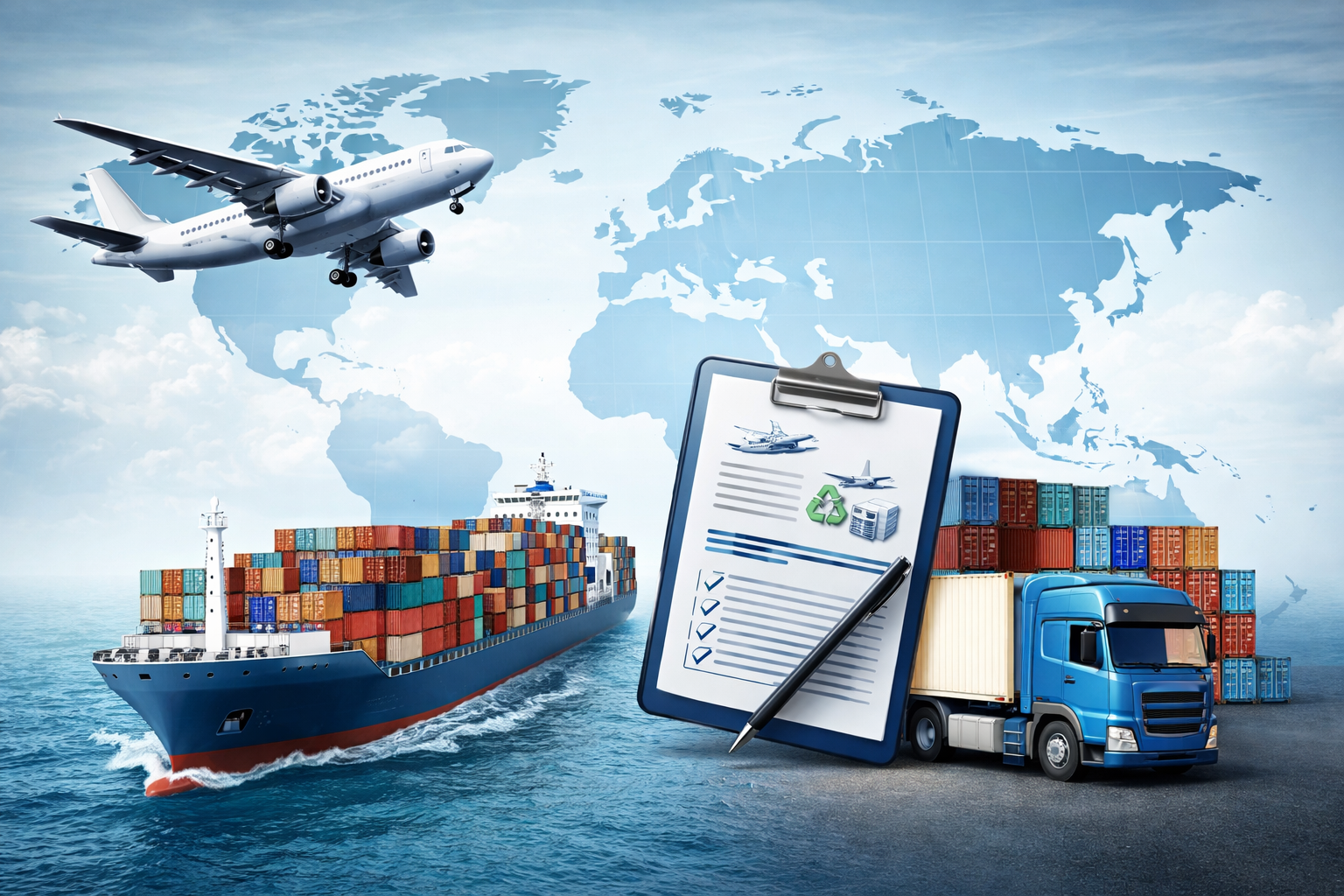
International shipping might seem complex at first, but once you understand the process step by step, it becomes much more manageable. Whether you’re sending personal items, exporting goods, or shipping a vehicle overseas, the core logistics process follows a clear structure. In this guide, we’ll break down how international shipping works in simple terms so you know exactly what to expect.
Understanding the basics of international shipping
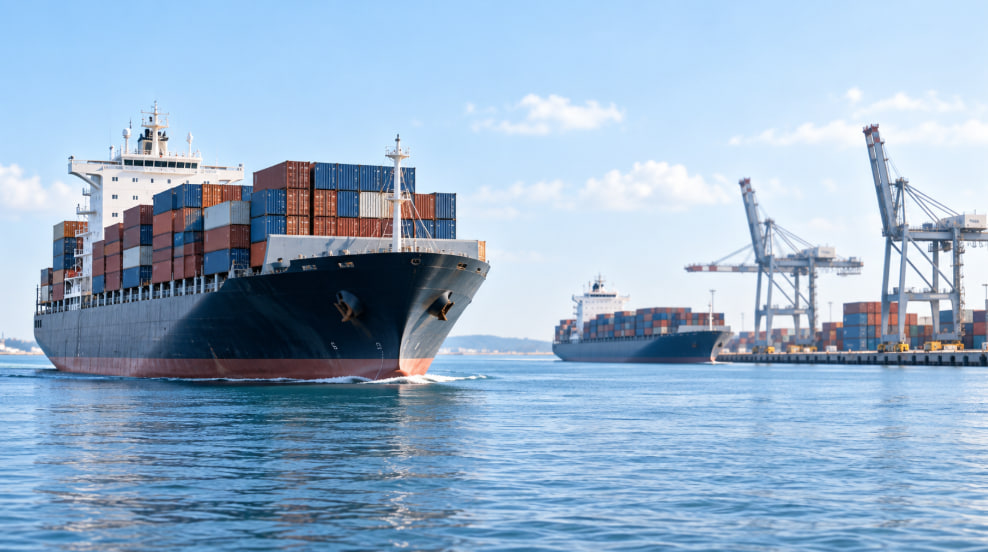
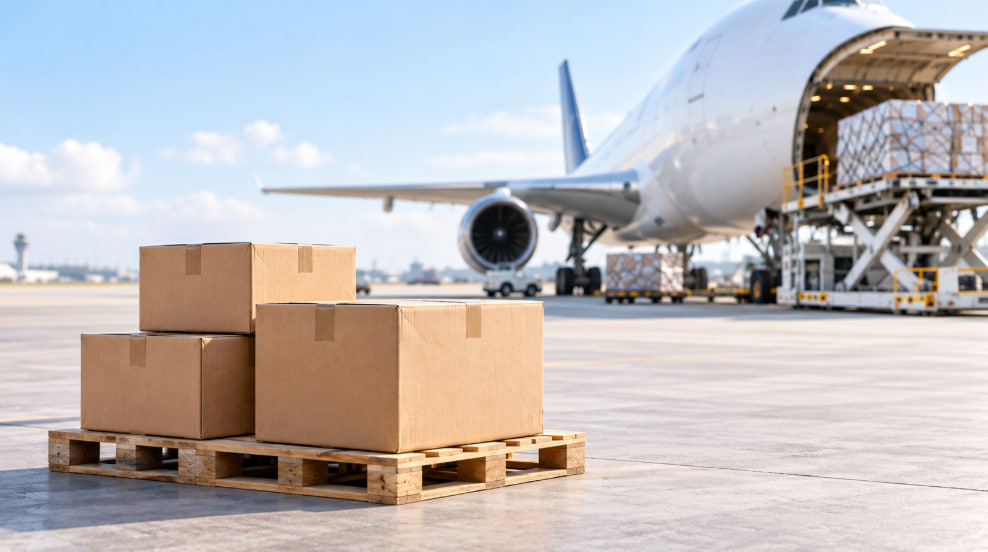
At its core, international shipping is the process of transporting goods from one country to another using different modes of transport such as ocean freight, air freight, or land transport. The goal is to move cargo efficiently while complying with international trade regulations, customs requirements, and documentation standards.
There are usually three main parties involved: the shipper (sender), the carrier (transport provider), and the consignee (receiver). In many cases, a freight forwarder acts as an intermediary, managing the entire logistics process on behalf of the shipper.
Step 1: Booking the shipment
The process begins when you book your shipment with a logistics company or freight forwarder. At this stage, you provide key details such as the type of goods, weight, dimensions, origin, and destination. Based on this information, the company recommends the best shipping method and provides a cost estimate.
Choosing the right method is important. Ocean freight is typically more cost-effective for large shipments, while air freight is faster but more expensive. For vehicles, both container shipping and RoRo (roll-on/roll-off) are commonly used options.
Step 2: Preparing the cargo
Once the shipment is booked, the next step is preparing your goods for transport. This includes proper packaging, labeling, and ensuring that the cargo complies with international shipping standards.
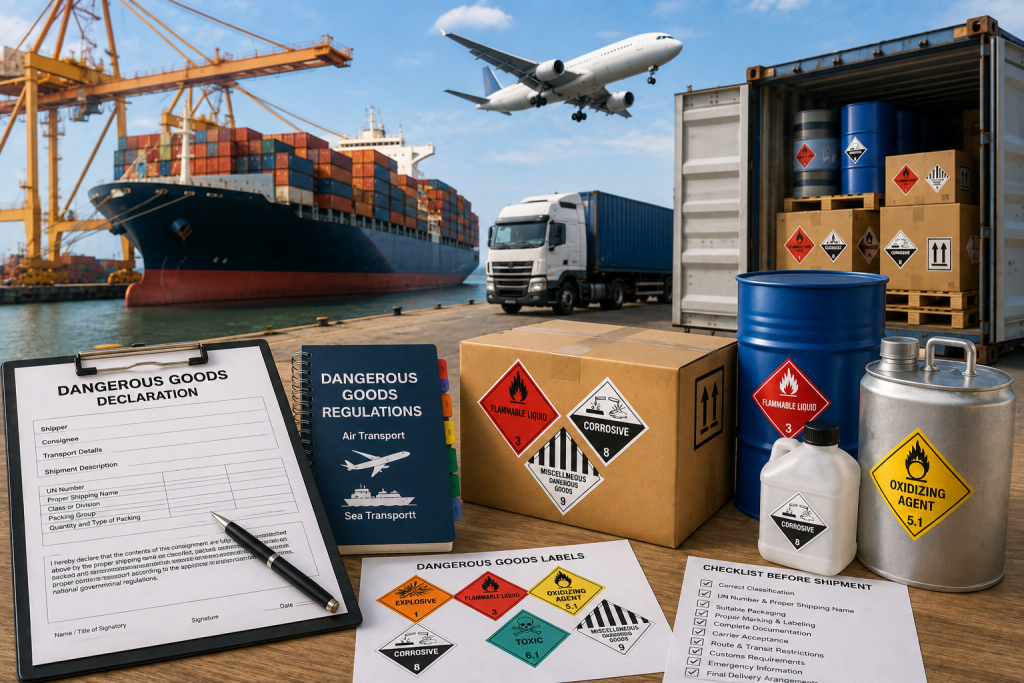
Packaging is crucial because goods often travel long distances and may be handled multiple times. Poor packaging can lead to damage, delays, or additional fees. For certain types of cargo, such as vehicles or hazardous materials, there are specific preparation requirements that must be followed.
Step 3: Documentation and compliance
Documentation is one of the most important parts of international shipping. Without the correct paperwork, your shipment may be delayed or even rejected at customs.
Common documents include the bill of lading, commercial invoice, packing list, and export declarations. Depending on the type of goods and destination country, additional permits or certificates may be required.
Customs regulations vary by country, so it’s essential to ensure that all documents are accurate and complete. Many shippers rely on experienced logistics providers to handle this part of the process.
Step 4: Transportation and handling
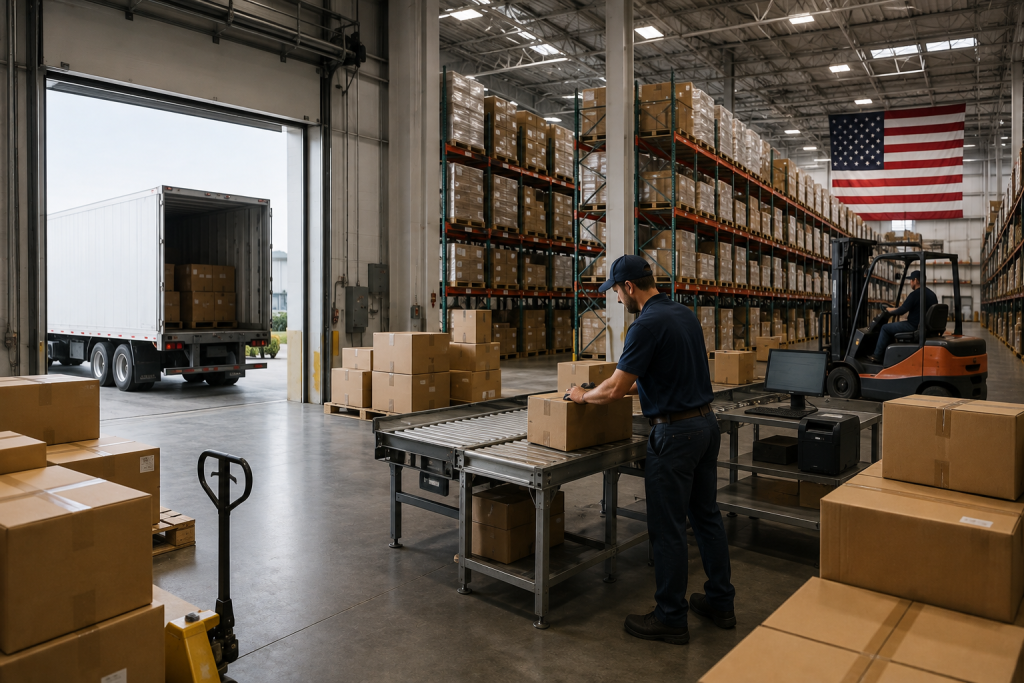
After preparation and documentation, the cargo is transported to a port, airport, or terminal. This stage is known as “origin handling.” The goods are inspected, consolidated if necessary, and loaded onto the chosen mode of transport.
During transit, shipments may pass through multiple checkpoints or ports, especially in ocean freight. Transit times vary depending on distance, route, and shipping method. Air freight is typically faster, while ocean freight can take several weeks.
Step 5: Customs clearance
When the shipment arrives in the destination country, it must go through customs clearance. This involves verifying documents, assessing duties and taxes, and ensuring compliance with local regulations.
Customs clearance can be one of the most unpredictable stages. Delays may occur if documentation is incorrect, duties are unpaid, or inspections are required. Working with a reliable logistics partner can significantly reduce the risk of issues at this stage.
Step 6: Final delivery
Once customs clearance is completed, the shipment moves to the final stage — delivery to the consignee. This is often referred to as “last mile delivery.”
Depending on the service you choose, delivery can be door-to-door or port-to-port. Door-to-door shipping is more convenient, as the logistics company handles the entire process from pickup to final delivery.
Key factors that affect international shipping
Several factors influence how international shipping works in practice:
Distance and route play a major role in determining transit time and cost. Longer distances and complex routes typically increase both.
Type of cargo also matters. Fragile, oversized, or regulated goods require special handling and documentation.
Shipping method impacts speed and pricing. Air freight is faster but more expensive, while sea freight is more economical for bulk shipments.
Customs regulations vary between countries and can affect both cost and delivery time.
Common challenges in international shipping
While the process is structured, there are common challenges that shippers may face. These include delays due to customs inspections, unexpected fees such as demurrage or storage charges, and potential damage caused by improper packaging.
Another common issue is inaccurate documentation, which can lead to significant delays. That’s why attention to detail and proper planning are essential when shipping internationally.
Why Work with a freight forwarder
For beginners, navigating international shipping alone can be overwhelming. Freight forwarders simplify the process by managing logistics, documentation, and coordination with carriers.
They also help optimize routes, reduce costs, and handle unexpected issues. This makes them a valuable partner, especially for businesses or individuals shipping goods for the first time.
If you want to explore professional shipping solutions and ensure a smooth process, you can learn more about available services on
Final thoughts
International shipping may seem complicated, but it follows a clear step-by-step process: booking, preparation, documentation, transportation, customs clearance, and final delivery. Understanding each stage helps you avoid common mistakes and ensures your shipment arrives safely and on time.