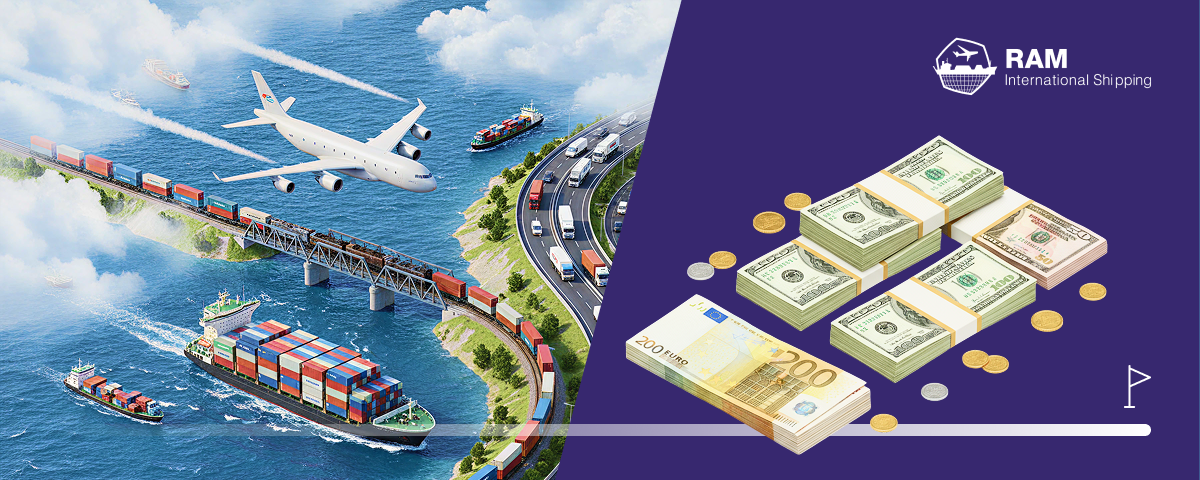
Understanding how to calculate freight charges is one of the most important skills for shippers and importers. Whether you’re managing full container loads (FCL), less-than-container loads (LCL), or air shipments, knowing how your shipping costs are calculated helps you plan budgets, negotiate rates, and avoid unexpected fees.
Freight pricing can seem complex at first — it depends on multiple variables like cargo type, weight, volume, route, Incoterms, and additional surcharges. However, once you understand the structure, you’ll see it follows a logical formula.
In this guide, the experts at RAM Shipping explain how to calculate freight charges step-by-step, what factors affect the total cost, and how to optimize your logistics expenses.
What Are Freight Charges?
Freight charges are the total fees you pay for transporting goods from one location to another — whether by sea, air, rail, or road. These charges typically include:
- The base transportation rate (set by the carrier);
- Handling and documentation fees;
- Port or terminal charges;
- Fuel surcharges and security fees;
- Customs duties and taxes (depending on the Incoterms).
In short: freight charges = base rate + surcharges + handling fees + taxes (if applicable).
Step 1: Identify the Mode of Transport
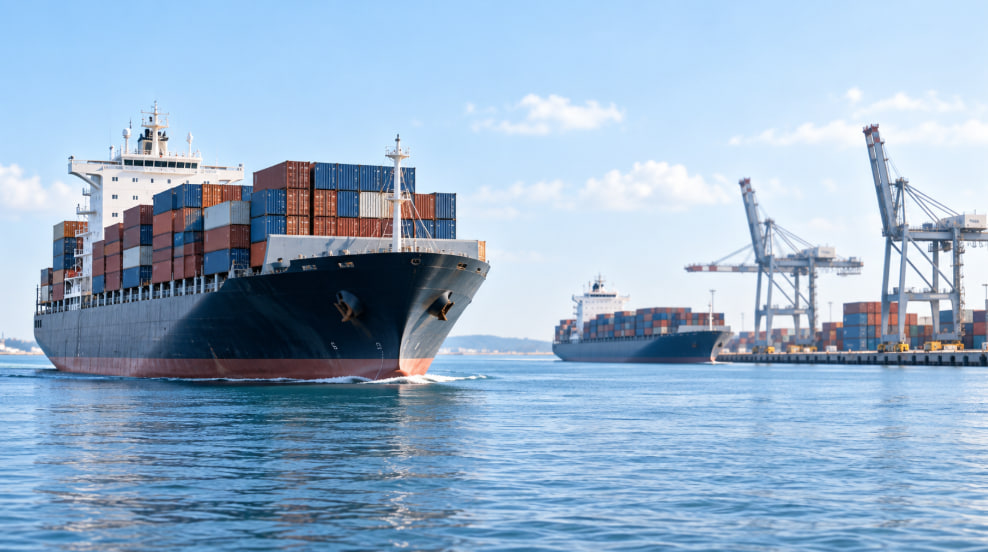
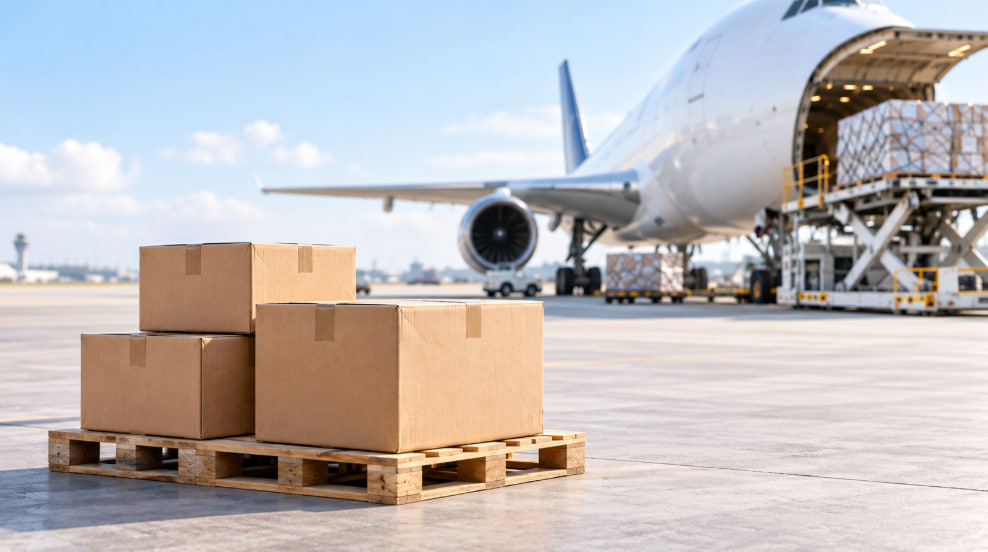
The first step is to determine how your cargo will move — sea freight, air freight, or land freight. Each mode has its own pricing model.
| Mode of Transport | Pricing Basis | Ideal For | Example |
| Sea Freight (FCL/LCL) | Per container or per CBM (cubic meter) | Bulk shipments | Exporting 10 pallets of goods from the USA to Europe |
| Air Freight | Per kilogram or volumetric weight | Urgent or high-value cargo | Electronics, perishable items |
| Land Freight (Truck/Rail) | Per ton, pallet, or mile | Domestic or cross-border trucking | Deliveries within North America |
Air freight is faster but can cost 5–10× more than ocean freight per kg.
Step 2: Measure the Cargo (Weight & Volume)
Freight rates are based on either actual weight or volumetric weight — whichever is greater.
Formula for Volumetric Weight (Air Freight):
\text{Volumetric Weight (kg)} = \frac{\text{Length (cm)} \times \text{Width (cm)} \times \text{Height (cm)}}{6000}
Formula for Ocean Freight (LCL):
1 CBM = 1 m^3 = 1000 kg (chargeable weight)
Example:
A box of 120 × 100 × 80 cm weighs 200 kg.
Volumetric weight = (120×100×80)/6000 = 160 kg → Actual weight (200 kg) is higher, so charge = 200 kg.
Always calculate both — the carrier will charge for the higher value.
Step 3: Determine the Shipping Route and Distance
Freight rates vary depending on:
- Origin and destination ports;
- Trade lane popularity (busy routes are cheaper);
- Fuel prices and geopolitical conditions.
Example:
- China → USA (Pacific route): lower cost per CBM due to high volume.
- USA → Africa: higher rate due to limited return loads.
Step 4: Apply the Base Freight Rate
Each carrier provides a base rate depending on container size or cargo type.
| Container Type | Average Base Rate (Example) | Notes |
| 20ft FCL | $900 – $1,300 | Asia → USA |
| 40ft FCL | $1,500 – $2,200 | Asia → USA |
| LCL | $30 – $60 per CBM | Depends on volume and consolidation |
| Air Freight | $3 – $10 per kg | Based on route and carrier |
The base rate covers transportation from port to port (does not include inland handling or customs).
Step 5: Add Surcharges and Additional Fees
Besides the base rate, there are extra costs applied by carriers, ports, or intermediaries.
| Surcharge / Fee | Description | Typical Cost |
| BAF (Bunker Adjustment Factor) | Fuel price adjustment | 5–15% of base rate |
| CAF (Currency Adjustment Factor) | Protection from currency fluctuations | 1–5% |
| THC (Terminal Handling Charge) | Loading/unloading at ports | $100–$300 per container |
| Documentation Fee | Bill of Lading and paperwork | $30–$70 |
| Security Fee | For inspections or restricted ports | $20–$50 |
| Demurrage / Detention | Penalty for container delay | $50–$150 per day |
Always request a “Freight Quote Breakdown” from your freight forwarder to see what’s included.
Step 6: Include Origin & Destination Charges
Door-to-door shipments often include inland transport, customs clearance, and delivery fees.
Example:
- Pick-up at exporter’s warehouse → $150
- Inland trucking to port → $200
- Customs export clearance → $80
- Delivery to consignee’s door → $250
Adding these gives you the total landed cost of shipping.
Step 7: Consider Incoterms
Your agreed Incoterms determine who pays for what — the buyer or seller.
| Incoterm | Seller Pays | Buyer Pays |
| EXW | None (pickup only) | All shipping and customs costs |
| FOB | Up to port of origin | From port to destination |
| CIF | Up to destination port | Import duties and inland delivery |
| DDP | Everything (door-to-door) | Nothing additional |
Choosing the right Incoterm can save hundreds of dollars per shipment.
Step 8: Calculate the Total Freight Cost
Let’s put everything together.
Example: LCL shipment from Los Angeles → Hamburg (5 CBM / 800 kg):
| Cost Item | Amount |
| Base ocean freight ($40 × 5 CBM) | $200 |
| BAF (10%) | $20 |
| THC (origin + destination) | $180 |
| Documentation & handling | $50 |
| Inland delivery (destination) | $100 |
| Total Freight Cost | $550 |
✅ Final Cost: ≈ $110 per CBM all-inclusive.
Step 9: Optimize and Compare
Once you know the breakdown, you can start optimizing:
- Combine shipments (consolidation) to lower CBM cost.
- Choose off-peak schedules — lower base rates.
- Negotiate with multiple freight forwarders for better deals.
- Use nearby ports to reduce inland costs.
Partnering with a reliable freight forwarder like RAM Shipping ensures transparent pricing and full cost control.
Tips to Reduce Freight Charges
- Book in advance — last-minute space is more expensive.
- Avoid over-packaging — pay only for what you ship.
- Use standard pallets to maximize container utilization.
- Ship during off-season when rates are lower.
- Track your weight and dimensions accurately to avoid re-measurement fees.
Calculating freight charges doesn’t have to be complicated. Once you understand the factors — mode, weight, route, surcharges, and Incoterms — you can make informed decisions and control your shipping budget effectively.
Working with a trusted logistics partner like RAM Shipping ensures accuracy, transparency, and competitive rates on every shipment.
Frequently Asked Questions (FAQ)
- What is included in freight charges?
Typically, they include base transportation, fuel surcharge, terminal handling, and documentation. Additional services like customs or delivery are separate.
- How can I estimate freight costs before booking?
Use online calculators or request a quote from your freight forwarder with cargo details (weight, size, origin, destination, Incoterm).
- Are freight charges negotiable?
Yes. Rates can vary depending on volume, regular shipments, and long-term contracts.
- What’s the difference between prepaid and collect freight?
Prepaid = paid by the shipper before departure; Collect = paid by the consignee at destination.
- Does RAM Shipping provide all-in freight quotes?
Yes, RAM Shipping offers transparent, all-inclusive quotes covering origin to destination — with no hidden fees.