Even with perfect planning, shipping delays are something every importer or exporter encounters sooner or later. Whether caused by port congestion, customs checks, or missing documents, delays can disrupt supply chains, increase costs, and damage business relationships.
Understanding the most common causes — and knowing how to prevent them — helps you keep shipments on schedule and customers satisfied.
This guide from RAM Shipping explains the main reasons for shipping delays and gives actionable steps to minimize risks and improve delivery reliability.
Why shipping delays happen
Delays in logistics rarely have a single cause. They’re often the result of multiple factors, such as documentation errors, congestion at ports, or unpredictable weather.
In general, they fall into three main categories:
- Operational delays — related to transport, scheduling, or handling.
- Documentation delays — missing or incorrect paperwork.
- External delays — caused by customs, regulations, or natural events.
Let’s look closer at each of them.
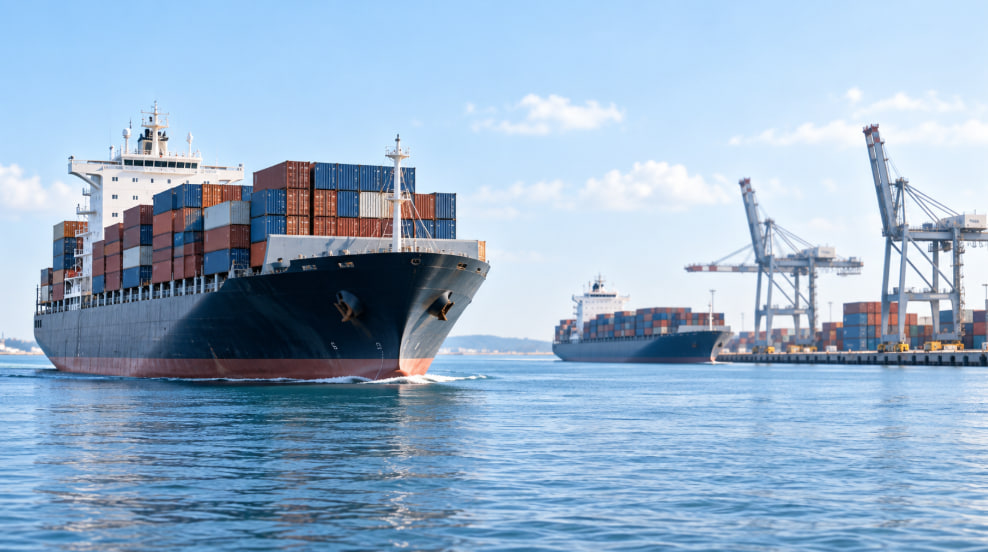
Port congestion and capacity issues
One of the most frequent causes of delay is port congestion — when too many vessels arrive at the same time, exceeding port handling capacity.
Reasons include:
- increased global trade volume;
- strikes or labor shortages;
- limited container yard space;
- weather-related slowdowns.
How to avoid:
- book space early with your freight forwarder;
- consider alternative ports nearby;
- track vessel schedules in real time;
- choose off-peak seasons for shipping.
A proactive forwarder like RAM Shipping monitors port traffic and reroutes shipments when possible to save time.
Documentation errors
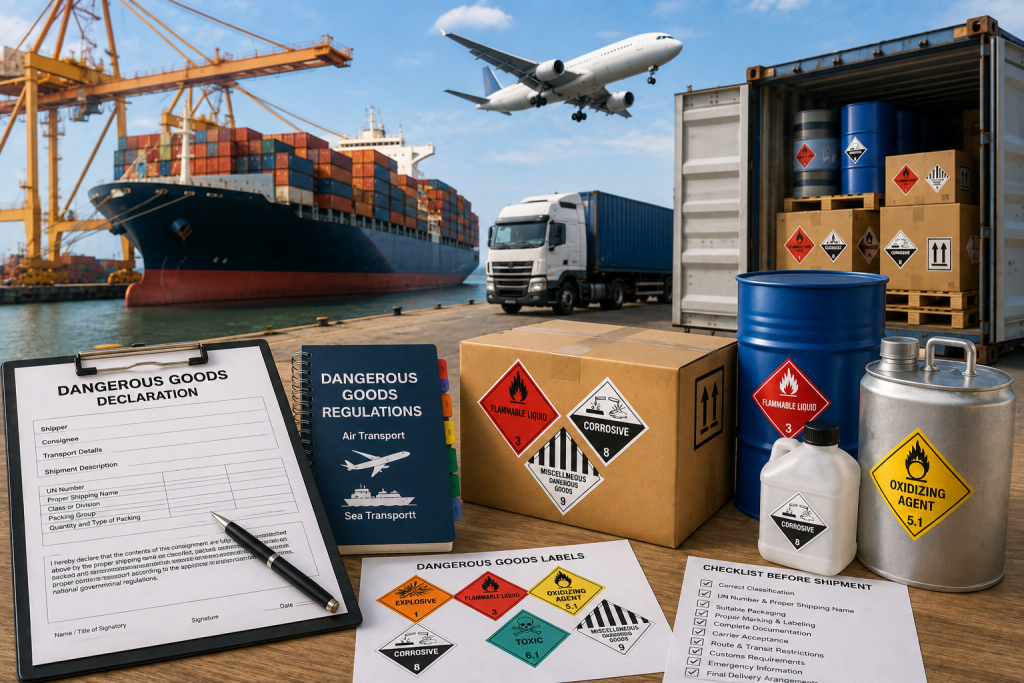
Incorrect or incomplete paperwork can easily stop your cargo at customs. Even a small typo in an invoice, HS code, or bill of lading may trigger a full inspection.
Common mistakes:
- missing signatures or dates;
- wrong Incoterms;
- mismatch between invoice and packing list;
- lack of proper certificates (origin, insurance, etc.).
How to avoid:
- double-check all documents before submission;
- work with experienced customs brokers;
- use document templates and checklists (like the one from RAM Shipping);
- make sure digital copies match originals.
Customs inspections and clearance delays
Customs inspections are routine but can cause significant delays if your cargo is flagged for review.
Reasons for inspection include:
- random checks;
- suspicious or incomplete documentation;
- restricted or dual-use goods;
- new or high-risk shippers.
How to avoid:
- ensure accurate HS codes and declared values;
- provide complete certificates and licenses;
- maintain a clean shipping record with consistent compliance;
- use a freight forwarder with customs expertise to pre-clear documents.
Clean documentation can reduce customs delays by up to 70%.
Weather and natural disruptions
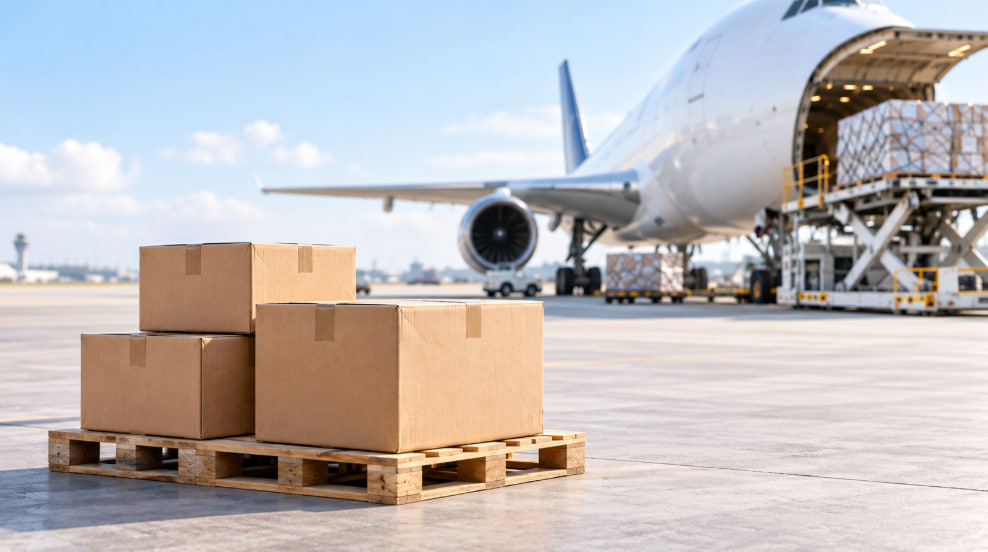
Extreme weather — storms, hurricanes, heavy snow — can delay both sea and air freight operations. Typhoons in Asia or winter storms in North America often cause vessel diversions and flight cancellations.
How to avoid:
- plan ahead for seasonal weather patterns;
- allow a time buffer in delivery schedules;
- use cargo insurance to protect against unforeseen delays;
- choose routes less affected by severe conditions.
Labor strikes and political instability
Port worker strikes, truck driver protests, or sudden political unrest can stop cargo movement completely.
How to avoid:
- stay informed about logistics news and trade alerts;
- diversify transport routes and carriers;
- partner with forwarders who can reroute through unaffected regions;
- maintain transparent communication with your customers about expected delays.
Container shortages and equipment imbalance
At times, there are simply not enough empty containers in the right locations — especially after global demand spikes or port bottlenecks.
How to avoid:
- book early (2–3 weeks before departure);
- consider LCL shipments when FCL containers are unavailable;
- use trusted forwarders with a strong global network, such as RAM Shipping.
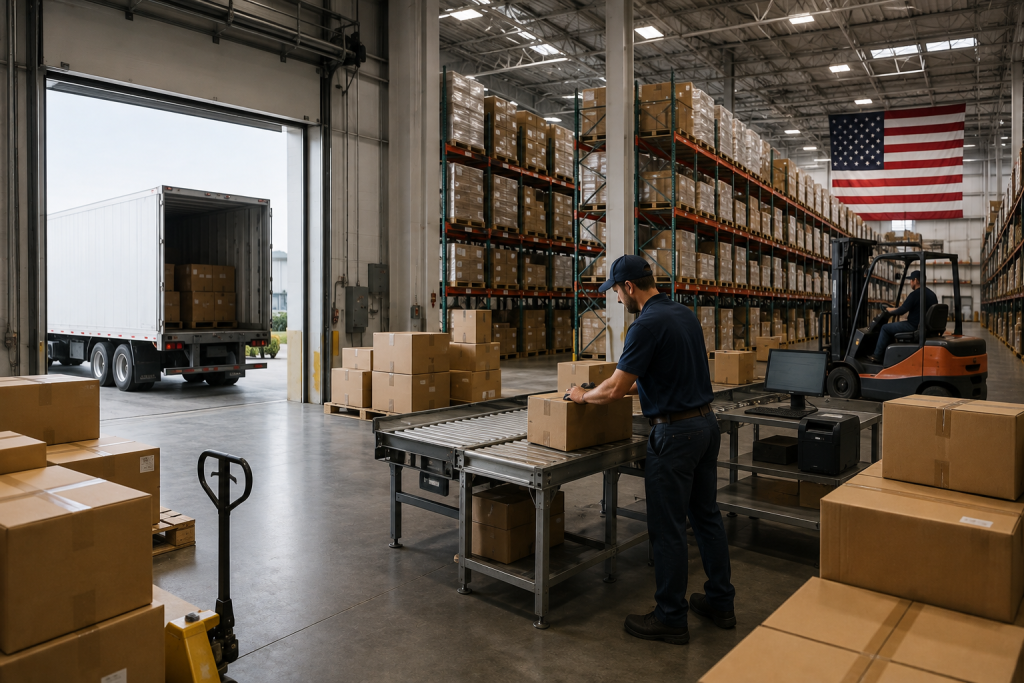
Last-mile delivery issues
Even after clearing customs, delays can occur at the final delivery stage — due to incorrect addresses, missed delivery windows, or limited trucking capacity.
How to avoid:
- confirm delivery addresses and contact details in advance;
- schedule deliveries during off-peak hours;
- choose local partners who specialize in last-mile logistics;
- use tracking systems to monitor final delivery in real time.
Inefficient communication between parties
A common yet overlooked reason for shipping delays is poor coordination between the shipper, freight forwarder, customs broker, and consignee.
How to avoid:
- keep all parties updated with shipping milestones;
- use shared digital platforms for documents and status updates;
- assign a single logistics manager to oversee communication.
How to reduce the risk of delays overall
Here are the key habits that help minimize shipping disruptions:
- Plan ahead — never rely on last-minute bookings.
- Automate documentation — use templates or digital tools to avoid mistakes.
- Work with reliable partners — choose carriers and forwarders with proven track records.
- Track shipments — real-time tracking enables quick responses.
- Communicate clearly — transparency reduces misunderstandings.
The best prevention is preparation. Partnering with RAM Shipping ensures your logistics flow remains predictable and on time.
Delays in international shipping are inevitable — but most can be prevented or minimized with proper planning, documentation, and reliable logistics partners.
By identifying potential risks early and maintaining open communication, you can keep your supply chain running smoothly and avoid costly downtime.
Frequently asked questions
- What causes most shipping delays?
The most common reasons are port congestion, customs inspections, and incomplete documentation.
- How can I prevent customs-related delays?
Ensure your documents are accurate, your HS codes are correct, and your freight forwarder pre-clears your shipment with customs.
- Do Incoterms affect delivery time?
Indirectly yes — they determine who handles transportation and customs, which can impact efficiency.
- How can I stay updated about potential delays?
Monitor carrier schedules, weather alerts, and logistics news — or subscribe to updates from RAM Shipping.
- What should I do if my shipment is delayed?
Contact your forwarder immediately to locate the cargo, determine the cause, and request rebooking or rerouting options.